Eric Van Young - Böcker
Visar alla böcker från författaren Eric Van Young. Handla med fri frakt och snabb leverans.
10 produkter
10 produkter
972 kr
Skickas inom 5-8 vardagar
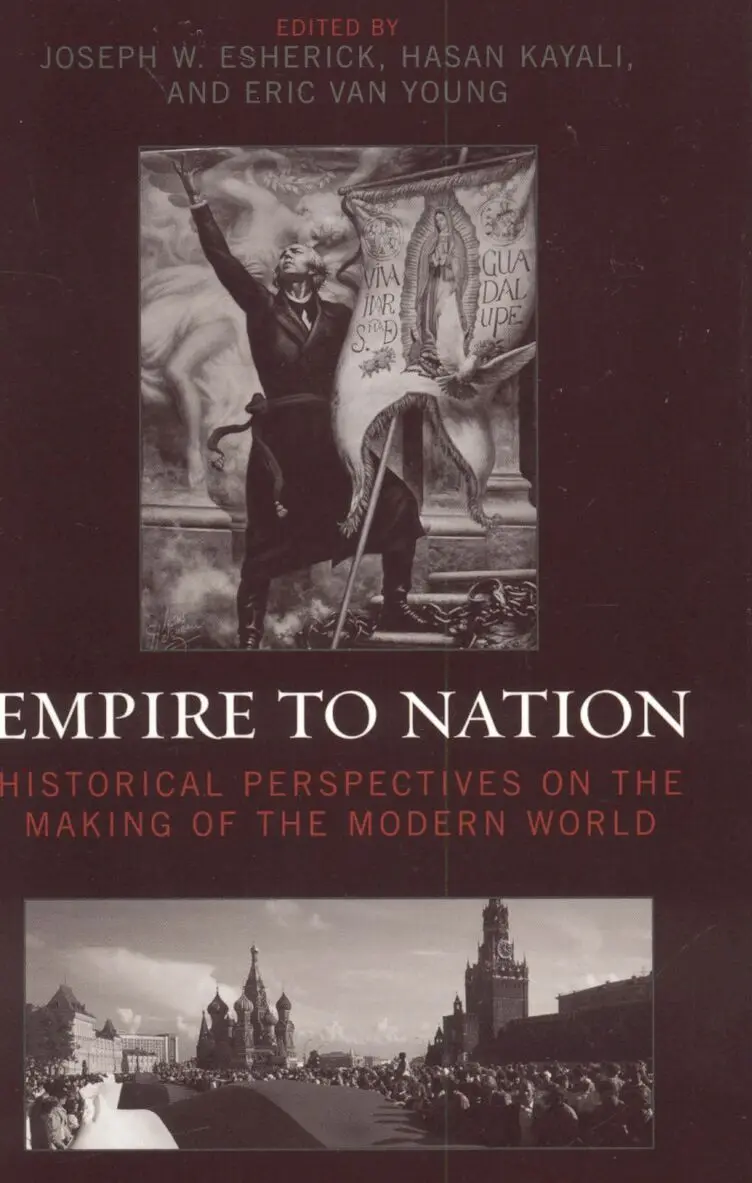
The fall of empires and the rise of nation-states was a defining political transition in the making of the modern world. As United States imperialism becomes a popular focus of debate, we must understand how empire, the nineteenth century's dominant form of large-scale political organization, had disappeared by the end of the twentieth century. Here, ten prominent specialists discuss the empire-to-nation transition in comparative perspective. Chapters on Latin America, the Middle East, Eastern Europe, Russia, and China illustrate both the common features and the diversity of the transition. Questioning the sharpness of the break implied by the empire/nation binary, the contributors explore the many ways in which empires were often nation-like and nations behaved imperially. While previous studies have focused on the rise and fall of empires or on nationalism and the process of nation-building, this intriguing volume concentrates on the empire-to-nation transition itself. Understanding this transition allows us to better interpret the contemporary political order and new forms of global hegemony.
Hacienda and Market in Eighteenth-Century Mexico
The Rural Economy of the Guadalajara Region, 1675-1820
Häftad, Engelska, 2006
764 kr
Skickas inom 10-15 vardagar
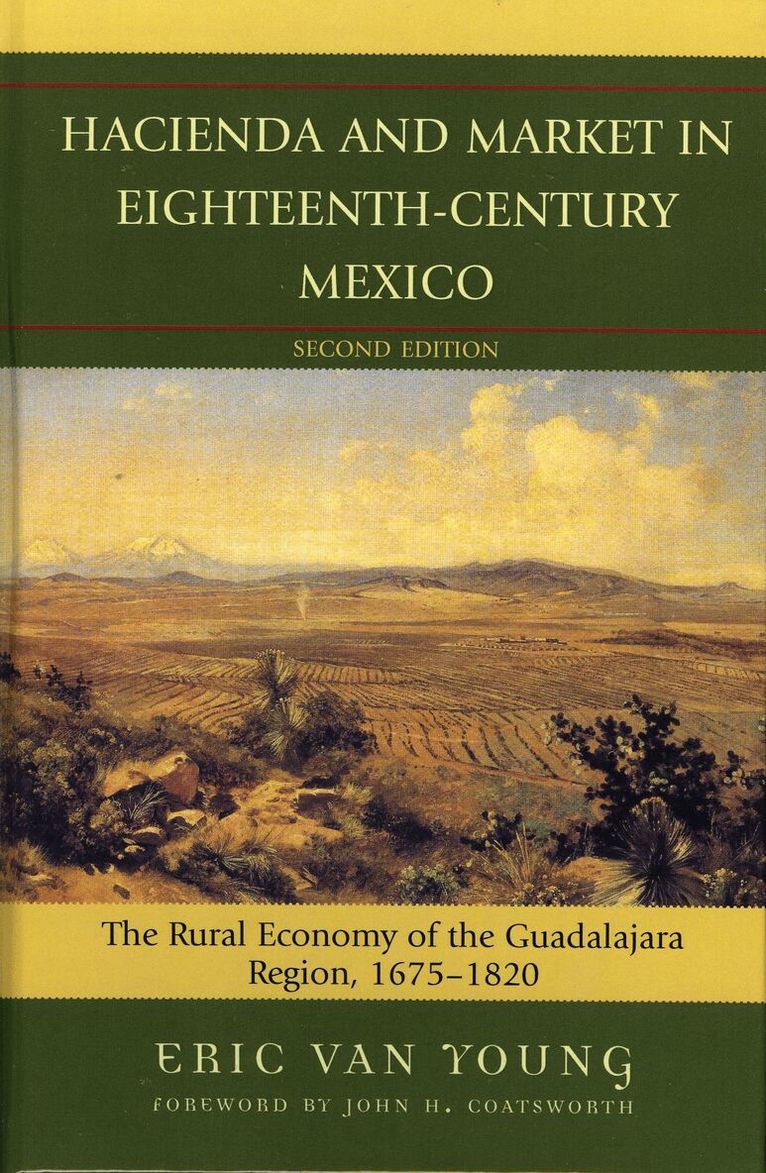
This classic history of the Mexican hacienda from the colonial period through the nineteenth century has been reissued in a silver anniversary edition complete with a substantive new introduction and foreword. Eric Van Young explores 150 years of Mexico's economic and rural development, a period when one of history's great empires was trying to extract more resources from its most important colony, and when an arguably capitalist economy was both expanding and taking deeper root. The author explains the development of a regional agrarian system, centered on the landed estates of late colonial Mexico, the central economic and social institution of an overwhelmingly rural society. With rich empirical detail, he meticulously describes the features of the rural economy, including patterns of land ownership, credit and investment, labor relations, the structure of production, and the relationship of a major colonial city to its surrounding area. The book's most interesting and innovative element is its emphasis on the way the system of rural economy shaped, and was shaped by, the internal logic of a great spatial system, the region of Guadalajara. Van Young argues that Guadalajara's population growth progressively integrated the large geographical region surrounding the city through the mechanisms of the urban market for grain and meat, which in turn put pressure on local land and labor resources. Eventually this drove white and Indian landowners into increasingly sharp conflict and led to the progressive proletarianization of the region's peasantry during the last decades of the Spanish colonial era. It is no accident, given this history, that the Guadalajara region was one of the major areas of armed insurrection for most of the decade during Mexico's struggle for independence from Spain. By highlighting the way haciendas worked and changed over time, this indispensable study illuminates Mexico's economic and social history, the movement for independence, and the origins of the Mexican Revolution.
Hacienda and Market in Eighteenth-Century Mexico
The Rural Economy of the Guadalajara Region, 1675-1820
Inbunden, Engelska, 2006
1 754 kr
Skickas inom 10-15 vardagar
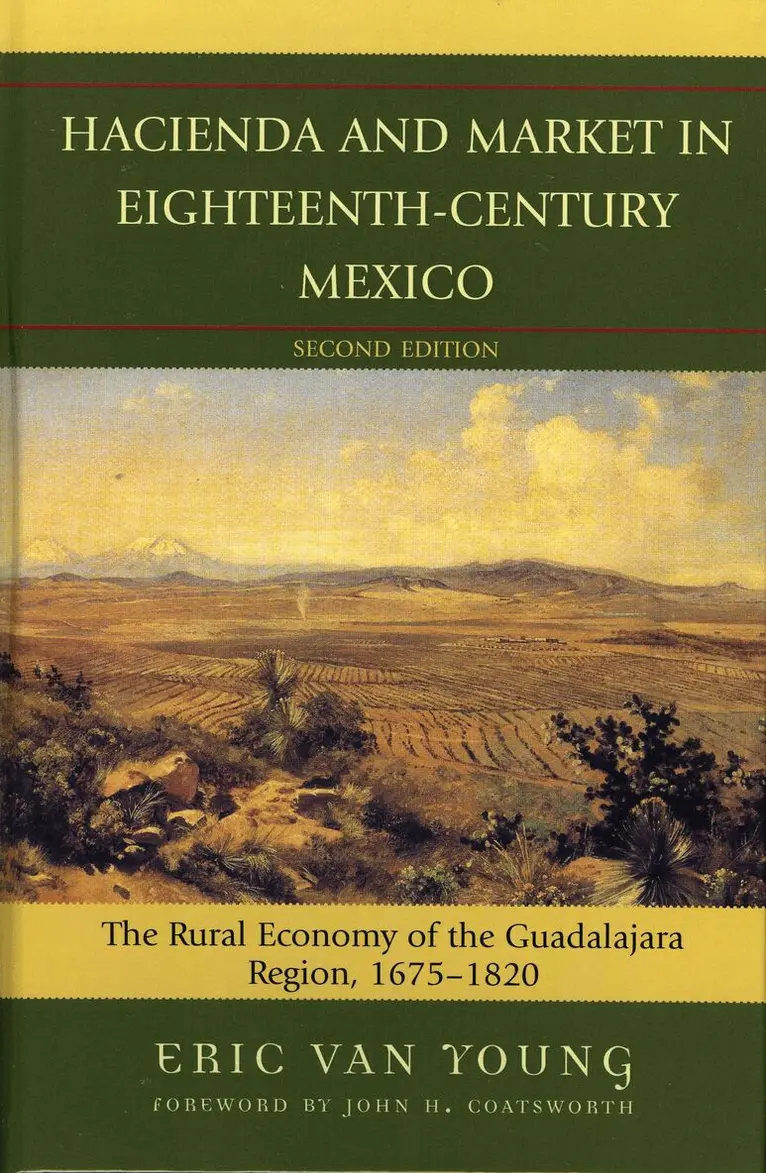
This classic history of the Mexican hacienda from the colonial period through the nineteenth century has been reissued in a silver anniversary edition complete with a substantive new introduction and foreword. Eric Van Young explores 150 years of Mexico's economic and rural development, a period when one of history's great empires was trying to extract more resources from its most important colony, and when an arguably capitalist economy was both expanding and taking deeper root. The author explains the development of a regional agrarian system, centered on the landed estates of late colonial Mexico, the central economic and social institution of an overwhelmingly rural society. With rich empirical detail, he meticulously describes the features of the rural economy, including patterns of land ownership, credit and investment, labor relations, the structure of production, and the relationship of a major colonial city to its surrounding area. The book's most interesting and innovative element is its emphasis on the way the system of rural economy shaped, and was shaped by, the internal logic of a great spatial system, the region of Guadalajara. Van Young argues that Guadalajara's population growth progressively integrated the large geographical region surrounding the city through the mechanisms of the urban market for grain and meat, which in turn put pressure on local land and labor resources. Eventually this drove white and Indian landowners into increasingly sharp conflict and led to the progressive proletarianization of the region's peasantry during the last decades of the Spanish colonial era. It is no accident, given this history, that the Guadalajara region was one of the major areas of armed insurrection for most of the decade during Mexico's struggle for independence from Spain. By highlighting the way haciendas worked and changed over time, this indispensable study illuminates Mexico's economic and social history, the movement for independence, and the origins of the Mexican Revolution.
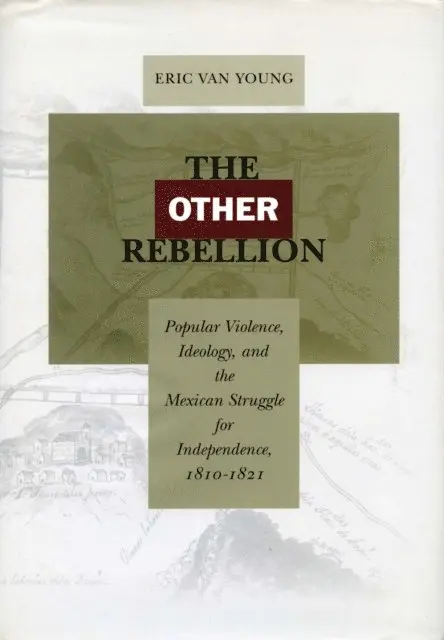
Other Rebellion
Popular Violence, Ideology, and the Mexican Struggle for Independence, 1810-1821
Häftad, Engelska, 2002
429 kr
Skickas inom 7-10 vardagar
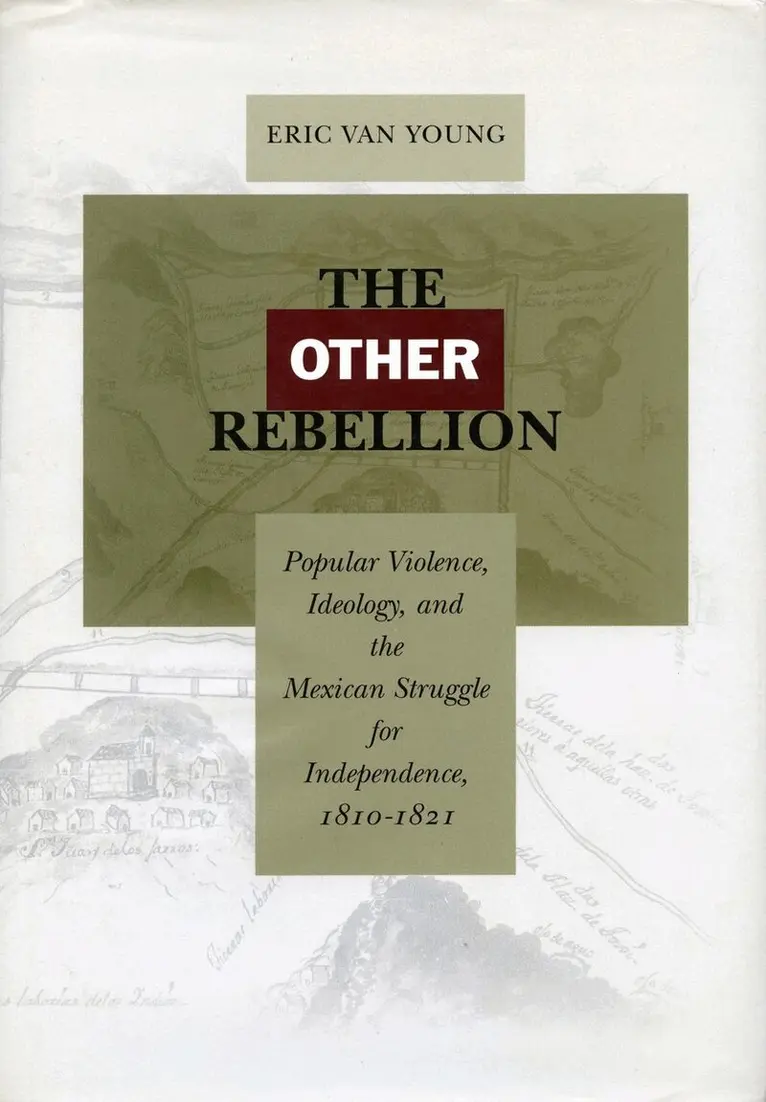
Mexico's movement toward independence from Spain was a key episode in the dissolution of the great Spanish Empire, and its accompanying armed conflict arguably the first great war of decolonization in the nineteenth century. This book argues that in addition to being a war of national liberation, the struggle was also an internal war pitting classes and ethnic groups against each other, an intensely localized struggle by rural people, especially Indians, for the preservation of their communities.While local and national elites focused their energies on wresting power from colonial authorities and building a new nation-state, rural people were often much more concerned about keeping village identities and lifeways intact against the forces of state expansion, commercialization, and modernization. Conventional wisdom says that Mexican independence was achieved through a cross-class and cross-ethnic alliance between creole ideologues, military leaders, and a mass following. This book shows that this is not only an incomplete explanation of what went on in Mexico during the decade of armed confrontation that led to Mexico's independence, but also a distortion of Mexican social and cultural history.The author delves deeply into life histories, previously unexamined texts, statistical social profiling, and local historical ethnography to examine the dynamics of popular rebellion. He focuses especially on Mexico's Indian villages, but also considers the role of parish priests as insurgent leaders; local conflicts over land, politics, and religious symbols; the influence of messianism and millenarianism in popular insurgent ideology; and the everyday language of political upheaval.
1 517 kr
Skickas inom 10-15 vardagar
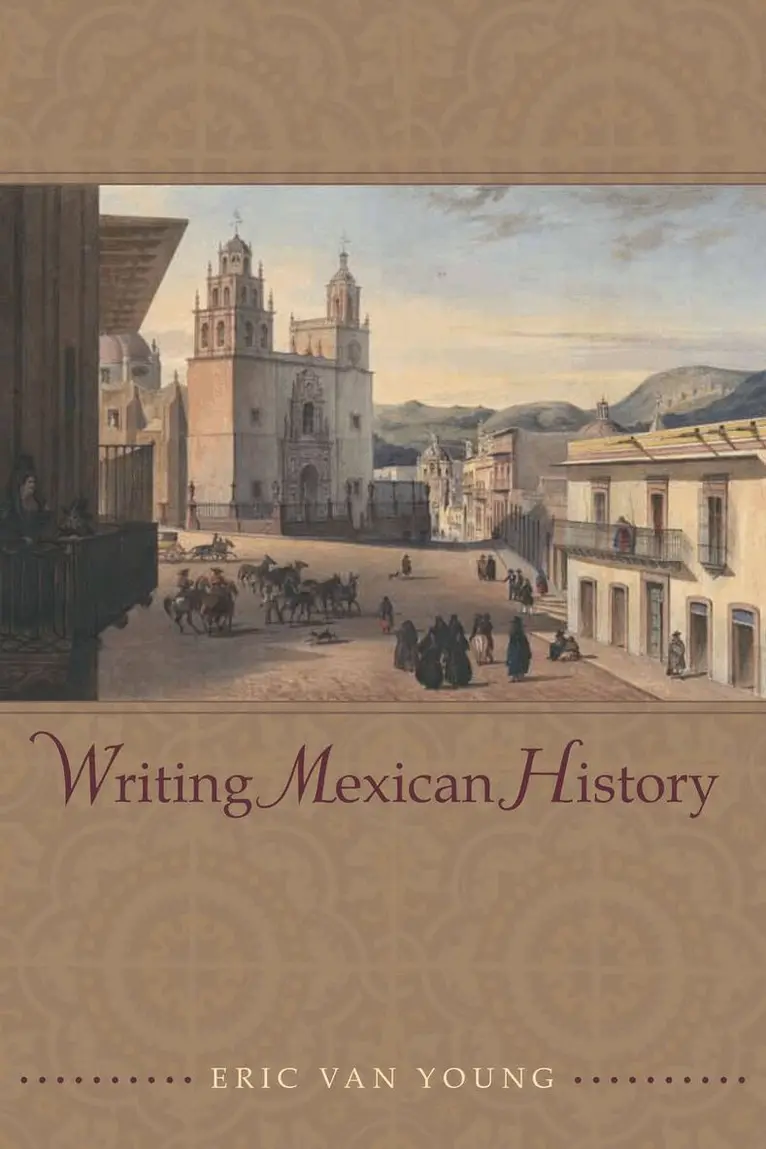
This collection brings together a group of important and influential essays on Mexican history and historiography by Eric Van Young, a leading scholar in the field. The essays, several of which appear here in English for the first time, are primarily historiographical; that is, they address the ways in which separate historical literatures have developed over time. They cover a wide range of topics: the historiography of the colonial and nineteenth-century Mexican and Latin American countryside; historical writing in English on the history of colonial Mexico; British, American, and Mexican historical writing on the Mexican Independence movement; the methodology of regional and cultural history; and the relationship of cultural to economic history. Some of the essays have been and will continue to be controversial, while others—for example, those on studies of the Mexican hacienda since 1980, on the theory and method of regional history, and on the "new cultural history" of Mexico—are widely considered classics of the genre.
375 kr
Skickas inom 7-10 vardagar
This collection brings together a group of important and influential essays on Mexican history and historiography by Eric Van Young, a leading scholar in the field. The essays, several of which appear here in English for the first time, are primarily historiographical; that is, they address the ways in which separate historical literatures have developed over time. They cover a wide range of topics: the historiography of the colonial and nineteenth-century Mexican and Latin American countryside; historical writing in English on the history of colonial Mexico; British, American, and Mexican historical writing on the Mexican Independence movement; the methodology of regional and cultural history; and the relationship of cultural to economic history. Some of the essays have been and will continue to be controversial, while others—for example, those on studies of the Mexican hacienda since 1980, on the theory and method of regional history, and on the "new cultural history" of Mexico—are widely considered classics of the genre.
441 kr
Skickas
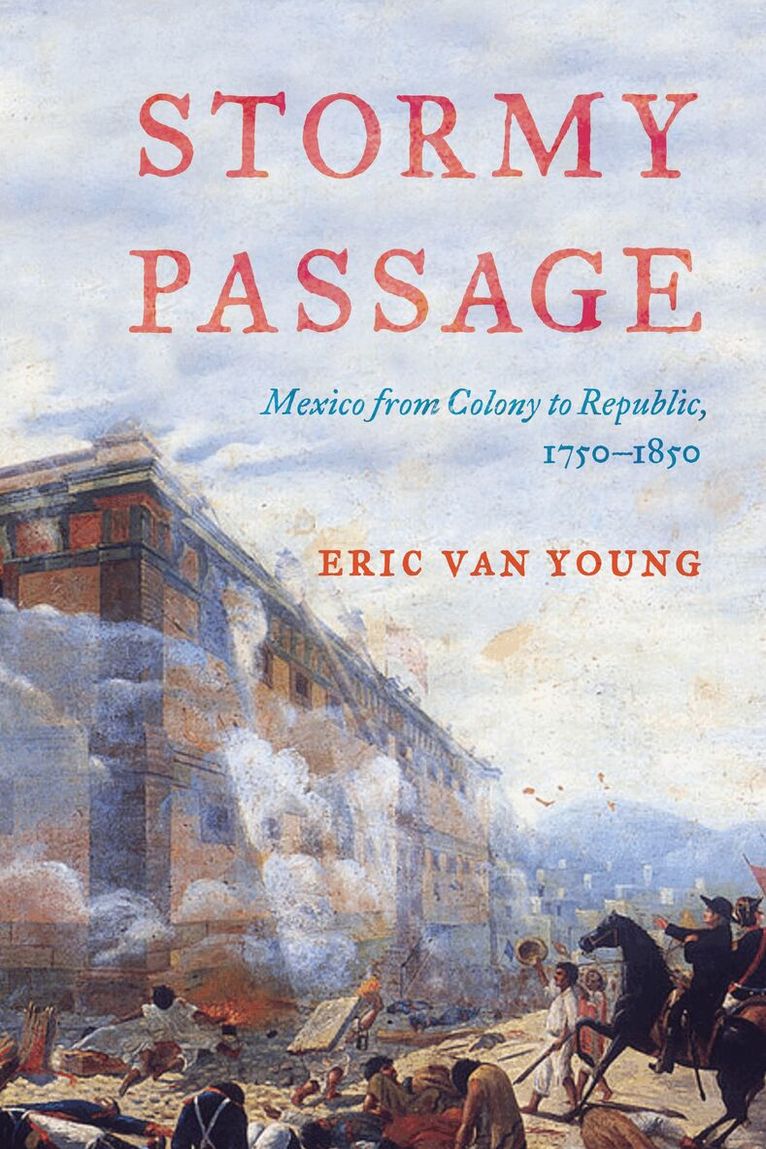
In this engaging book, Eric Van Young traces the political, economic, and social development of Mexico through the crucial one hundred years of its remarkable transition from a relatively prosperous Spanish colony to a violently unstable republic marked by economic stagnation, political confrontation, and burgeoning efforts at modernization. Featuring primary sources from figures of the period, Van Young discusses the political instability of the period—internal warfare, military uprisings, intermittent dictatorships, sharp conflicts among political groupings—and attributes them to a belief by political actors in the fundamental lack of legitimacy in central government institutions after the sweeping away of the Bourbon imperial structure and its replacement first with a very short-lived Mexican empire followed by a series of increasingly authoritarian aspirational republican constitutions.
296 kr
Skickas inom 10-15 vardagar
In this engaging book, Eric Van Young traces the political, economic, and social development of Mexico through the crucial one hundred years of its remarkable transition from a relatively prosperous Spanish colony to a violently unstable republic marked by economic stagnation, political confrontation, and burgeoning efforts at modernization. Featuring primary sources from figures of the period, Van Young discusses the political instability of the period—internal warfare, military uprisings, intermittent dictatorships, sharp conflicts among political groupings—and attributes them to a belief by political actors in the fundamental lack of legitimacy in central government institutions after the sweeping away of the Bourbon imperial structure and its replacement first with a very short-lived Mexican empire followed by a series of increasingly authoritarian aspirational republican constitutions.
446 kr
Skickas inom 5-8 vardagar
1 291 kr
Skickas inom 5-8 vardagar