Erica Weaver – författare
Visar alla böcker från författaren Erica Weaver. Handla med fri frakt och snabb leverans.
4 produkter
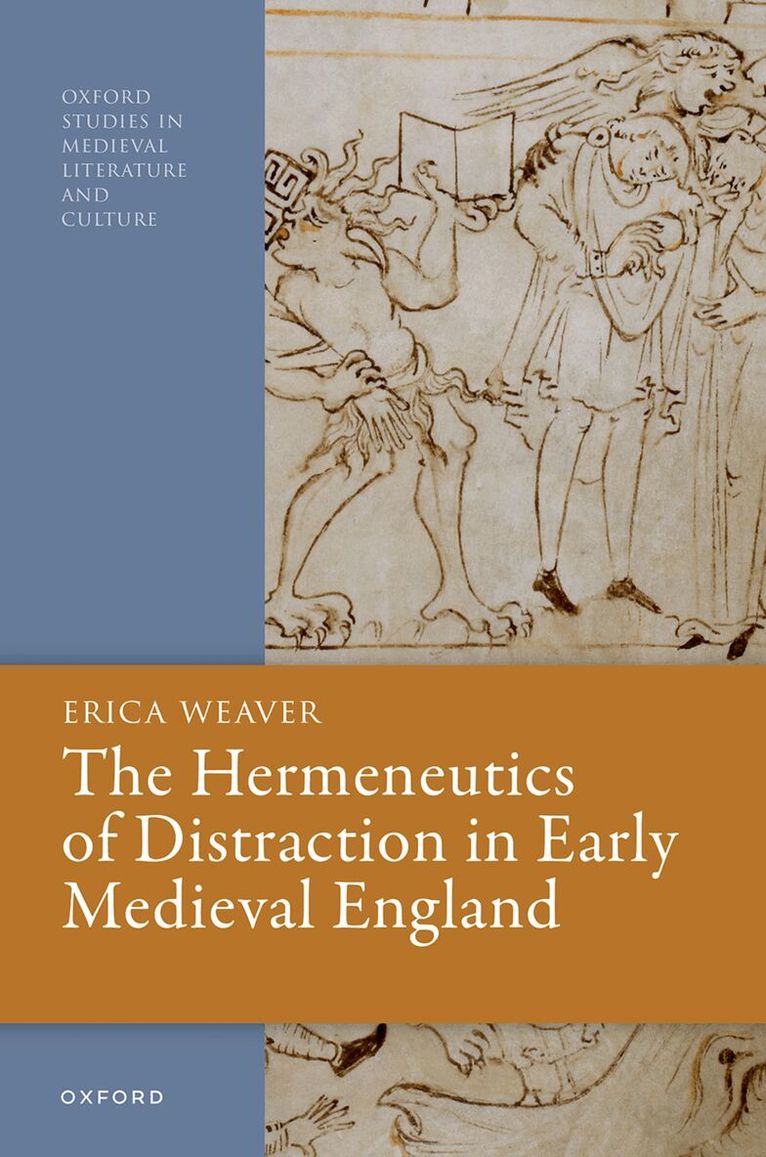
The Hermeneutics of Distraction in Early Medieval England
Av Erica Weaver
Inbunden, 2025
1336 kr
Lägg i varukorg
Distraction is now too easily and often considered a metonym for modern consciousness, but it was also a medieval concern, which posed a particular threat to religious life. Distraction opened the door to all other temptations, and—most disturbingly of all for the monastic communities at the heart …
Hermeneutics of Distraction in Early Medieval England
Av Erica Weaver
E-bok, 2025
1202 kr
Lägg i varukorg
Distraction is now too easily and often considered a metonym for modern consciousness, but it was also a medieval concern, which posed a particular threat to religious life. Distraction opened the door to all other temptations, and—most disturbingly of all for the monastic communities at the heart …
Hermeneutics of Distraction in Early Medieval England
Av Erica Weaver
E-bok, 2025
1202 kr
Lägg i varukorg
Distraction is now too easily and often considered a metonym for modern consciousness, but it was also a medieval concern, which posed a particular threat to religious life. Distraction opened the door to all other temptations, and—most disturbingly of all for the monastic communities at the heart …
Dating Beowulf
Studies in Intimacy
Av Daniel C. Remein, Erica Weaver
Inbunden, 2019
489 kr
Lägg i varukorg
Featuring essays from some of the most prominent voices in early medieval studies, Dating Beowulf playfully redeploys the word ‘dating’, which usually heralds some of the most divisive critical impasses in the field, to provocatively phrase a set of new relationships with an Old English poem. The …