Erika Balsom - Böcker
Visar alla böcker från författaren Erika Balsom. Handla med fri frakt och snabb leverans.
8 produkter
8 produkter
1 223 kr
Skickas inom 7-10 vardagar
Images have never been as freely circulated as they are today. They have also never been so tightly controlled. As with the birth of photography, digital reproduction has created new possibilities for the duplication and consumption of images, offering greater dissemination and access. But digital reproduction has also stoked new anxieties concerning authenticity and ownership. From this contemporary vantage point, After Uniqueness traces the ambivalence of reproducibility through the intersecting histories of experimental cinema and the moving image in art, examining how artists, filmmakers, and theorists have found in the copy a utopian promise or a dangerous inauthenticity-or both at once. From the sale of film in limited editions on the art market to the downloading of bootlegs, from the singularity of live cinema to video art broadcast on television, Erika Balsom investigates how the reproducibility of the moving image has been embraced, rejected, and negotiated by major figures including Stan Brakhage, Leo Castelli, and Gregory Markopoulos.Through a comparative analysis of selected distribution models and key case studies, she demonstrates how the question of image circulation is central to the history of film and video art. After Uniqueness shows that distribution channels are more than neutral pathways; they determine how we encounter, interpret, and write the history of the moving image as an art form.
307 kr
Skickas inom 7-10 vardagar
Images have never been as freely circulated as they are today. They have also never been so tightly controlled. As with the birth of photography, digital reproduction has created new possibilities for the duplication and consumption of images, offering greater dissemination and access. But digital reproduction has also stoked new anxieties concerning authenticity and ownership. From this contemporary vantage point, After Uniqueness traces the ambivalence of reproducibility through the intersecting histories of experimental cinema and the moving image in art, examining how artists, filmmakers, and theorists have found in the copy a utopian promise or a dangerous inauthenticity-or both at once. From the sale of film in limited editions on the art market to the downloading of bootlegs, from the singularity of live cinema to video art broadcast on television, Erika Balsom investigates how the reproducibility of the moving image has been embraced, rejected, and negotiated by major figures including Stan Brakhage, Leo Castelli, and Gregory Markopoulos.Through a comparative analysis of selected distribution models and key case studies, she demonstrates how the question of image circulation is central to the history of film and video art. After Uniqueness shows that distribution channels are more than neutral pathways; they determine how we encounter, interpret, and write the history of the moving image as an art form.
1 264 kr
Kommande
Recent years have seen a panic over the future of mainstream film. Yet film culture is at its most vital on the margins, where the moving image meets visual art, documentary brushes up against experimentalism, and curators are reshaping established histories. Bringing together a decade of criticism, The Edges of Cinema roams across an array of styles to take account of how some of the most important contemporary filmmakers are engaging the world.Erika Balsom—a leading scholar and critic—explores subjects ranging from computer-generated animation to the effects of digitization, and from the status of observational cinema to the longest of long takes. She takes a bold stand in debates on the “female gaze” and examines how filmmakers address issues concerning climate change, race, gender, violence, and technology. Balsom considers works at the intersection of documentary, experimental film, and auteur cinema by directors such as Peggy Ahwesh, James Benning, Aria Dean, Mati Diop, Harun Farocki, Albert Serra, Brett Story, Tsai Ming-liang, and Wang Bing. Challenging the caricature of experimental film as “difficult,” this wide-ranging and engaging book makes a case for the politics, provocations, and pleasures of a less ordinary cinema.
321 kr
Kommande
Recent years have seen a panic over the future of mainstream film. Yet film culture is at its most vital on the margins, where the moving image meets visual art, documentary brushes up against experimentalism, and curators are reshaping established histories. Bringing together a decade of criticism, The Edges of Cinema roams across an array of styles to take account of how some of the most important contemporary filmmakers are engaging the world.Erika Balsom—a leading scholar and critic—explores subjects ranging from computer-generated animation to the effects of digitization, and from the status of observational cinema to the longest of long takes. She takes a bold stand in debates on the “female gaze” and examines how filmmakers address issues concerning climate change, race, gender, violence, and technology. Balsom considers works at the intersection of documentary, experimental film, and auteur cinema by directors such as Peggy Ahwesh, James Benning, Aria Dean, Mati Diop, Harun Farocki, Albert Serra, Brett Story, Tsai Ming-liang, and Wang Bing. Challenging the caricature of experimental film as “difficult,” this wide-ranging and engaging book makes a case for the politics, provocations, and pleasures of a less ordinary cinema.
250 kr
Tillfälligt slut
445 kr
Skickas inom 7-10 vardagar
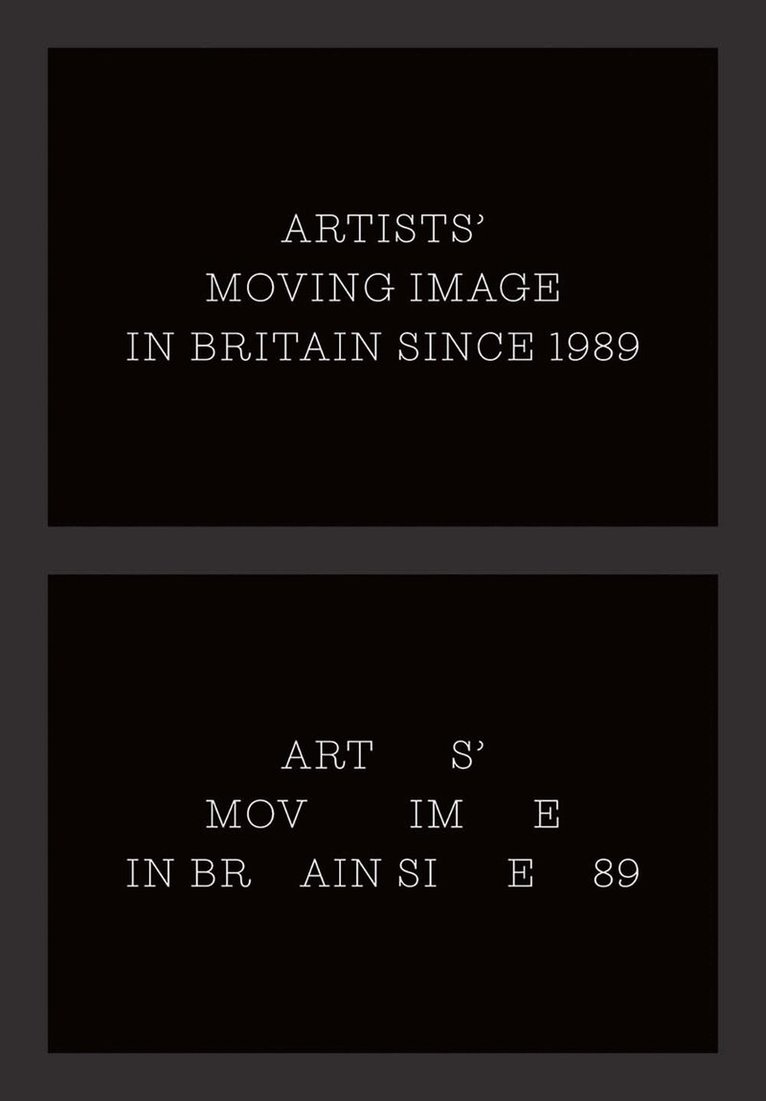
An in-depth study of the expanding role of the moving image in British art over the past thirty yearsOver the past three decades the moving image has grown from a marginalized medium of British art into one of the nation’s most vital areas of artistic practice. How did we get here? Artists’ Moving Image in Britain Since 1989 seeks to provide answers, unfolding some of the narratives—disparate, entwined, and often colorful—that have come to define this field. Ambitious in scope, this anthology considers artists and artworks alongside the organizations, institutions, and economies in which they exist. Writings by scholars from both art history and film studies, curators from diverse backgrounds, and artists from across generations offer a provocative and multifaceted assessment of the evolving position of the moving image in the British art world and consider the effects of numerous technological, institutional, and creative developments.Distributed for the Paul Mellon Center for Studies in British Art
266 kr
Skickas inom 3-6 vardagar
727 kr
Skickas inom 10-15 vardagar
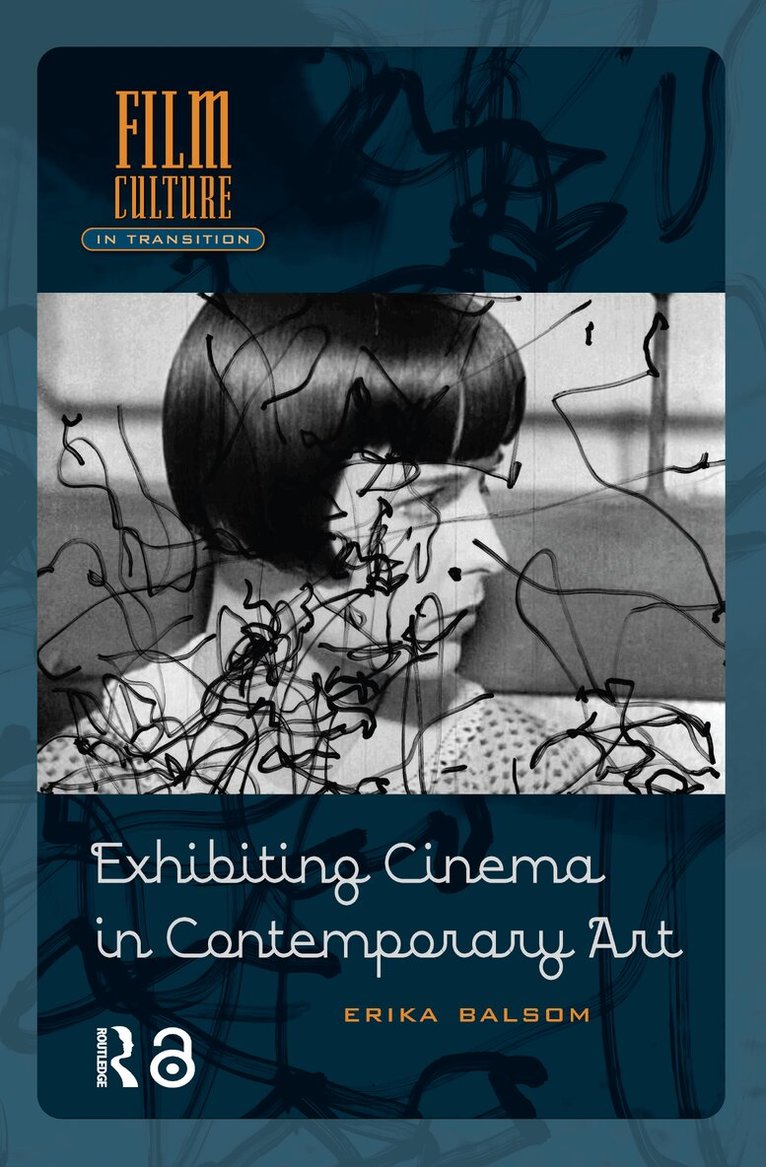
Whether it involves remaking an old Hollywood movie, projecting a quiet 16mm film, or constructing a bombastic multi-screen environment, cinema now takes place not just in the movie theatre and the home, but also in the art gallery and the museum. The author of this engaging study takes stock of this development.