Erika Haber - Böcker
Visar alla böcker från författaren Erika Haber. Handla med fri frakt och snabb leverans.
3 produkter
3 produkter
1 531 kr
Skickas inom 5-8 vardagar
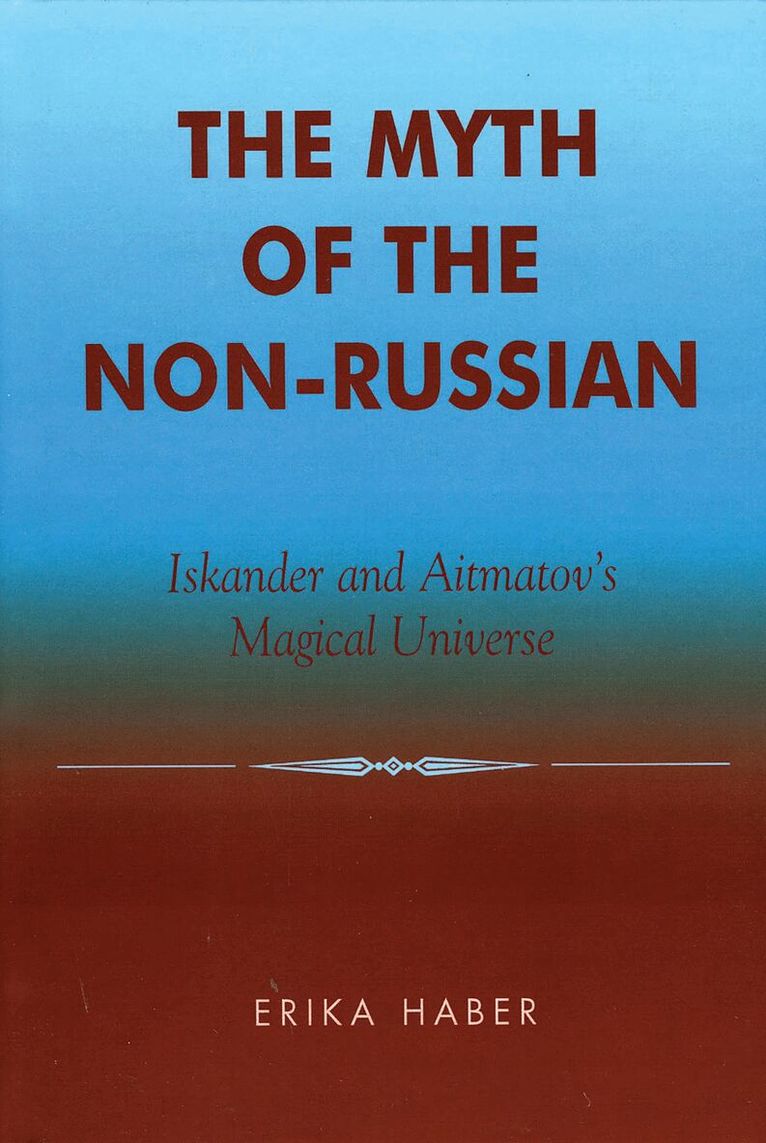
Erika Haber's analysis of the interplay between literature and culture in the Soviet Union of the 1970s and 1980s breaks new ground not only in our understanding of this relationship, but also in our appreciation of the literary genre popularized at that time by the Colombian writer Gabriel García Márquez—magical realism. The Soviets perceived García Márquez as a Socialist, and they sanctioned his magical realism—when other writing styles were outlawed—as a natural extension of socialist realism. Haber discusses the use of magical realism in Soviet literature, focusing especially on two non-Slavic writers: Fasil Iskander, of Abkhazia, and Chingiz Aitmatov, of Kyrgyzstan. She explores how these writers used literary tools of subversion and successfully employed magical realism in rebellion against the prescription of national conformity in art. In critical readings of Iskander and Aitmatov, Haber demonstrates how these writers juxtaposed their native myth with Soviet myth, thus undermining the primary message of socialist realism by suggesting a plurality of worlds and truths.
1 355 kr
Skickas inom 10-15 vardagar
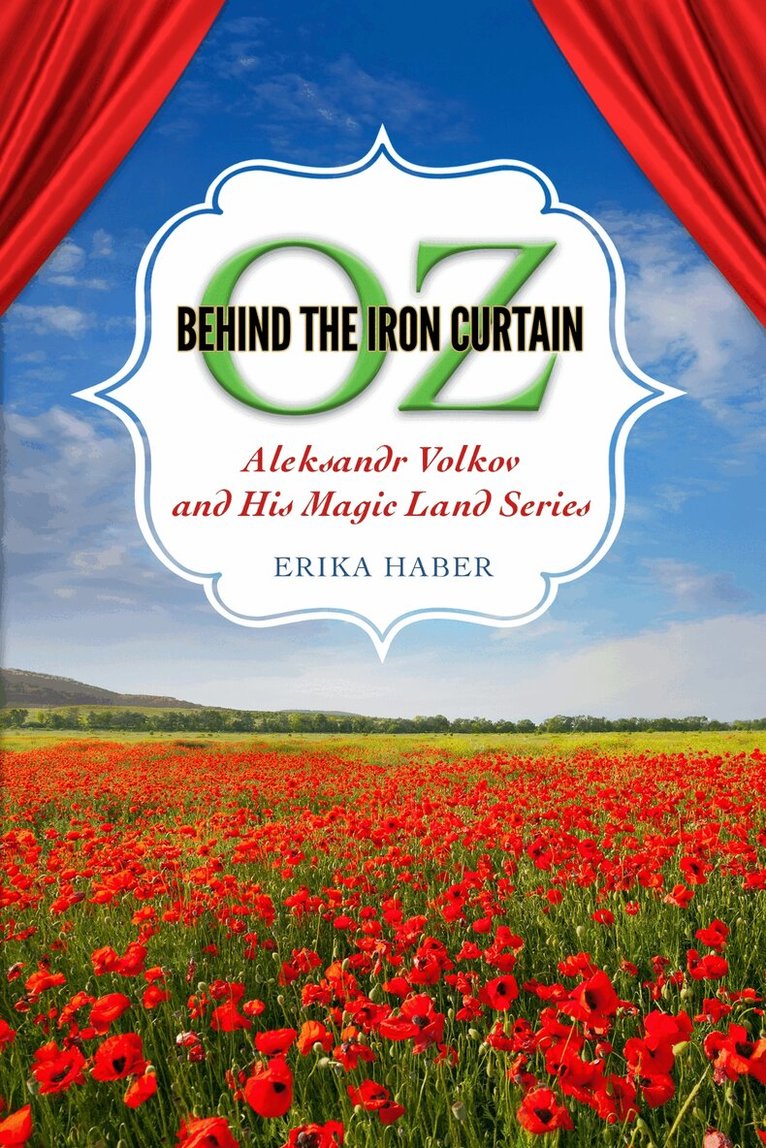
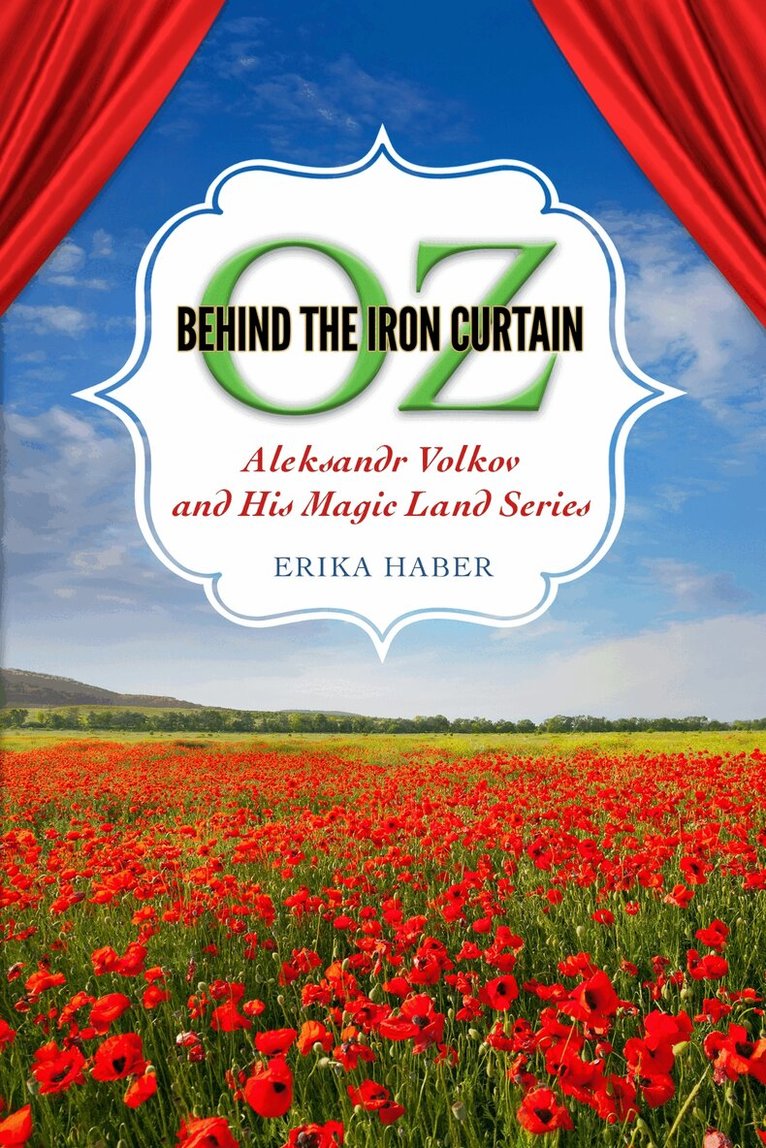
In 1939, Aleksandr Volkov (1891–1977) published Wizard of the Emerald City, a revised version of L. Frank Baum’s The Wonderful Wizard of Oz. Only a line on the copyright page explained the book as a “reworking” of the American story. Readers credited Volkov as author rather than translator. Volkov, an unknown and inexperienced author before World War II, tried to break into the politically charged field of Soviet children’s literature with an American fairy tale. During the height of Stalin’s purges, Volkov adapted and published this fairy tale in the Soviet Union despite enormous, sometimes deadly, obstacles. Marketed as Volkov’s original work, Wizard of the Emerald City spawned a series that was translated into more than a dozen languages and became a staple of Soviet popular culture, not unlike Baum’s fourteen-volume Oz series in the United States. Volkov’s books inspired a television series, plays, films, musicals, animated cartoons, and a museum. Today, children’s authors and fans continue to add volumes to the Magic Land series. Several generations of Soviet Russian and Eastern European children grew up with Volkov’s writings, yet know little about the author and even less about his American source, L. Frank Baum. Most Americans have never heard of Volkov and know nothing of his impact in the Soviet Union, and those who do know of him regard his efforts as plagiarism. Erika Haber demonstrates how the works of both Baum and Volkov evolved from being popular children’s literature and became compelling and enduring cultural icons in both the US and USSR/Russia, despite being dismissed and ignored by critics, scholars, and librarians for many years.
421 kr
Skickas inom 10-15 vardagar
Recipient of the 2018 Outstanding Faculty Research Achievement Award in the Department of Languages, Literatures, and Linguistics at Syracuse University.In 1939, Aleksandr Volkov (1891-1977) published Wizard of the Emerald City, a revised version of L. Frank Baum's The Wonderful Wizard of Oz. Only a line on the copyright page explained the book as a ""reworking"" of the American story. Readers credited Volkov as author rather than translator. Volkov, an unknown and inexperienced author before World War II, tried to break into the politically charged field of Soviet children's literature with an American fairy tale. During the height of Stalin's purges, Volkov adapted and published this fairy tale in the Soviet Union despite enormous, sometimes deadly, obstacles.Marketed as Volkov's original work, Wizard of the Emerald City spawned a series that was translated into more than a dozen languages and became a staple of Soviet popular culture, not unlike Baum's fourteen-volume Oz series in the United States. Volkov's books inspired a television series, plays, films, musicals, animated cartoons, and a museum. Today, children's authors and fans continue to add volumes to the Magic Land series. Several generations of Soviet Russian and Eastern European children grew up with Volkov's writings, yet know little about the author and even less about his American source, L. Frank Baum. Most Americans have never heard of Volkov and know nothing of his impact in the Soviet Union, and those who do know of him regard his efforts as plagiarism.Erika Haber demonstrates how the works of both Baum and Volkov evolved from being popular children's literature and became compelling and enduring cultural icons in both the US and USSR/Russia, despite being dismissed and ignored by critics, scholars, and librarians for many years.