Ervand Abrahamian - Böcker
Visar alla böcker från författaren Ervand Abrahamian. Handla med fri frakt och snabb leverans.
9 produkter
9 produkter
315 kr
Skickas inom 7-10 vardagar
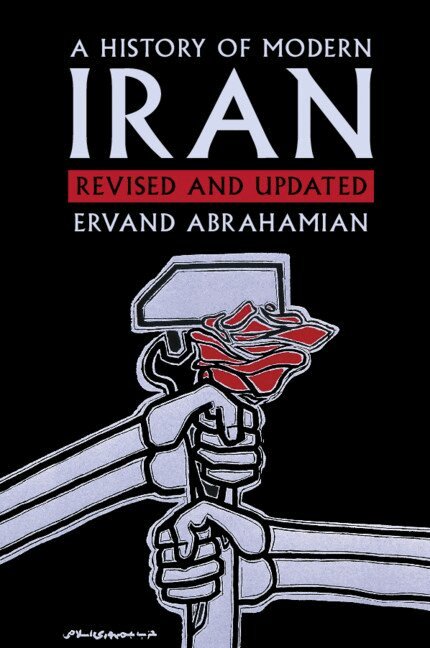
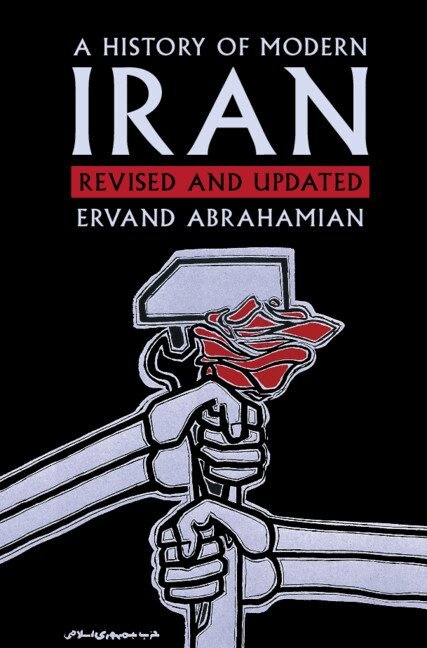
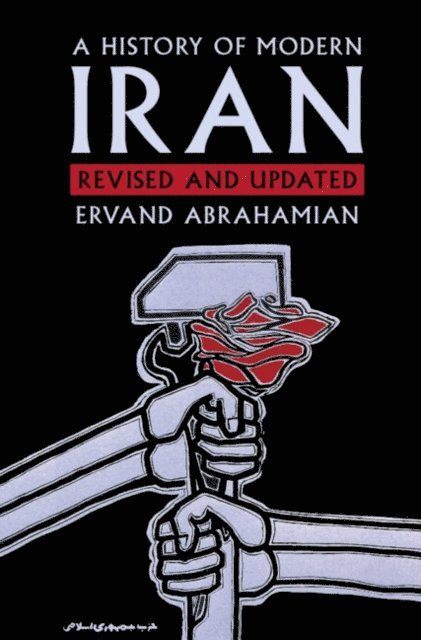
In a radical reappraisal of Iran's modern history, Ervand Abrahamian traces the country's traumatic journey from the mid-nineteenth century to the present day, through the discovery of oil, imperial interventions, the rule of the Pahlavis, and the birth of the Islamic Republic. The first edition was named the Choice Outstanding Academic Title in 2009. This second edition brings the narrative up to date, with the Green uprisings of 2009, the second Ahmadinejad administration, the election of Rouhani, and the Iran nuclear deal. Ervand Abrahamian, who is one of the most distinguished historians writing on Iran today, is a compassionate expositor, and at the heart of the book is the people of Iran, who have endured and survived a century of war and revolution.
614 kr
Skickas inom 7-10 vardagar
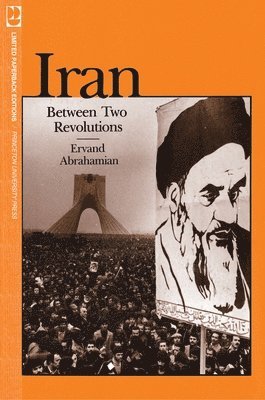
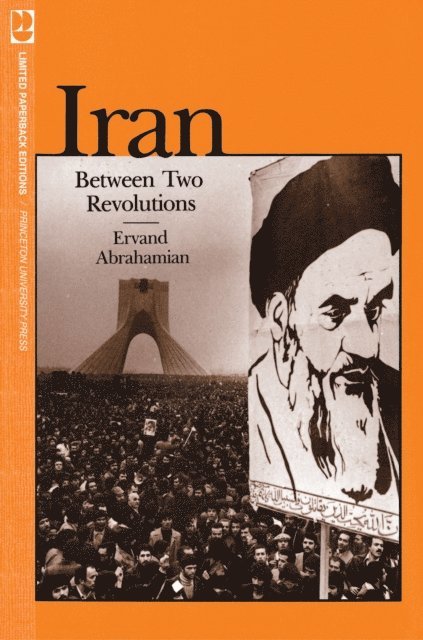
Emphasizing the interaction between political organizations and social forces, Ervand Abrahamian discusses Iranian society and politics during the period between the Constitutional Revolution of 1905-1909 and the Islamic Revolution of 1977-1979. Presented here is a study of the emergence of horizontal divisions, or socio-economic classes, in a country with strong vertical divisions based on ethnicity, religious ideology, and regional particularism. Professor Abrahamian focuses on the class and ethnic roots of the major radical movements in the modem era, particularly the constitutional movement of the 1900s, the communist Tudeh party of the 1940s, the nationalist struggle of the early 1950s, and the Islamic upsurgence of the 1970s.In this examination of the social bases of Iranian politics, Professor Abrahamian draws on archives of the British Foreign Office and India Office that have only recently been opened; newspaper, memoirs, and biographies published in Tehran between 1906 and 1980; proceedings of the Iranian Majles and Senate; interviews with retired and active politicians; and pamphlets, books, and periodicals distributed by exiled groups in Europe and North America in the period between 1953 and 1980. Professor Abrahamian explores the impact of socio-economic change on the political structure, especially under the reigns of Reza Shah and Muhammad Reza Shah, and throws fresh light on the significance of the Tudeh party and the failure of the Shah's regime from 1953 to 1978.
409 kr
Skickas inom 7-10 vardagar
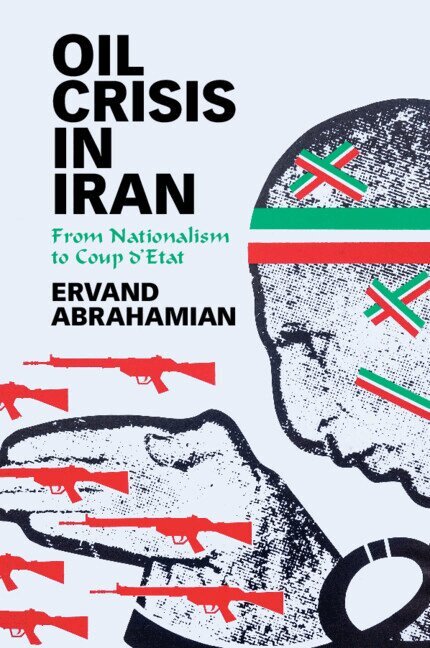
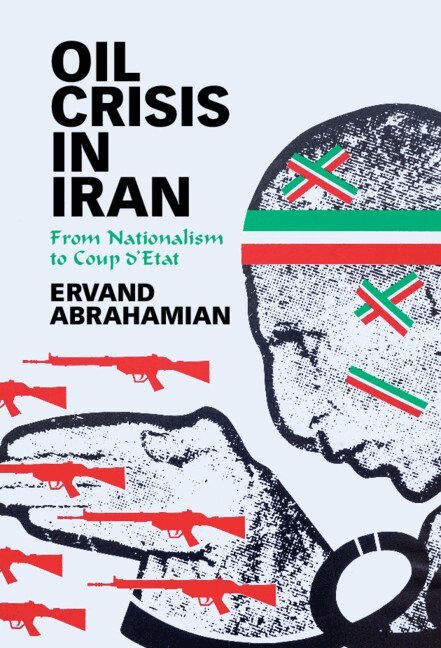
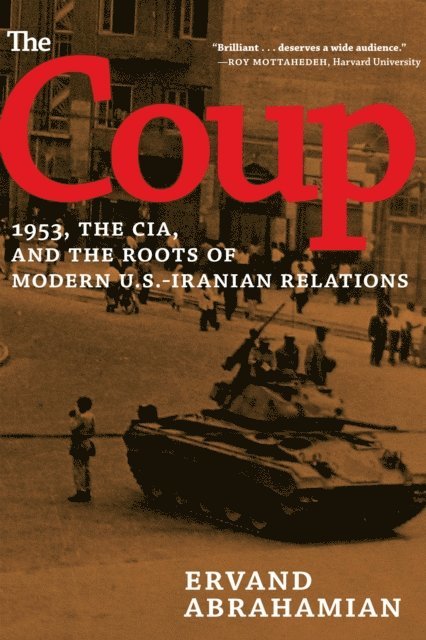
Focusing on the turbulent twenty-eight months between April 1951 and August 1953, this book, based on recently declassified CIA and US State Department documents from the Mossadeq administration tell the story of the Iranian oil crisis, which would culminate in the coup of August 1953. Throwing fresh light on US involvement in Iran, Ervand Abrahamian reveals exactly how immersed the US was in internal Iranian politics long before the 1953 coup, in parliamentary politics and even in saving the monarchy in 1952. By weighing rival explanations for the coup, from internal discontent, a fear of communism and oil nationalization, Abrahamian shows how the Truman and Eisenhower administrations did not differ significantly in their policies towards Mossadeq, and how the surprising main obstacle to an earlier coup was the shah himself. In tracing the key involvement of the US and CIA in Iran, this study shows how the 1953 coup would eventually pave the way to the 1979 Iranian revolution, two of the most significant and widely studied episodes of modern Iranian history.
518 kr
Skickas inom 5-8 vardagar
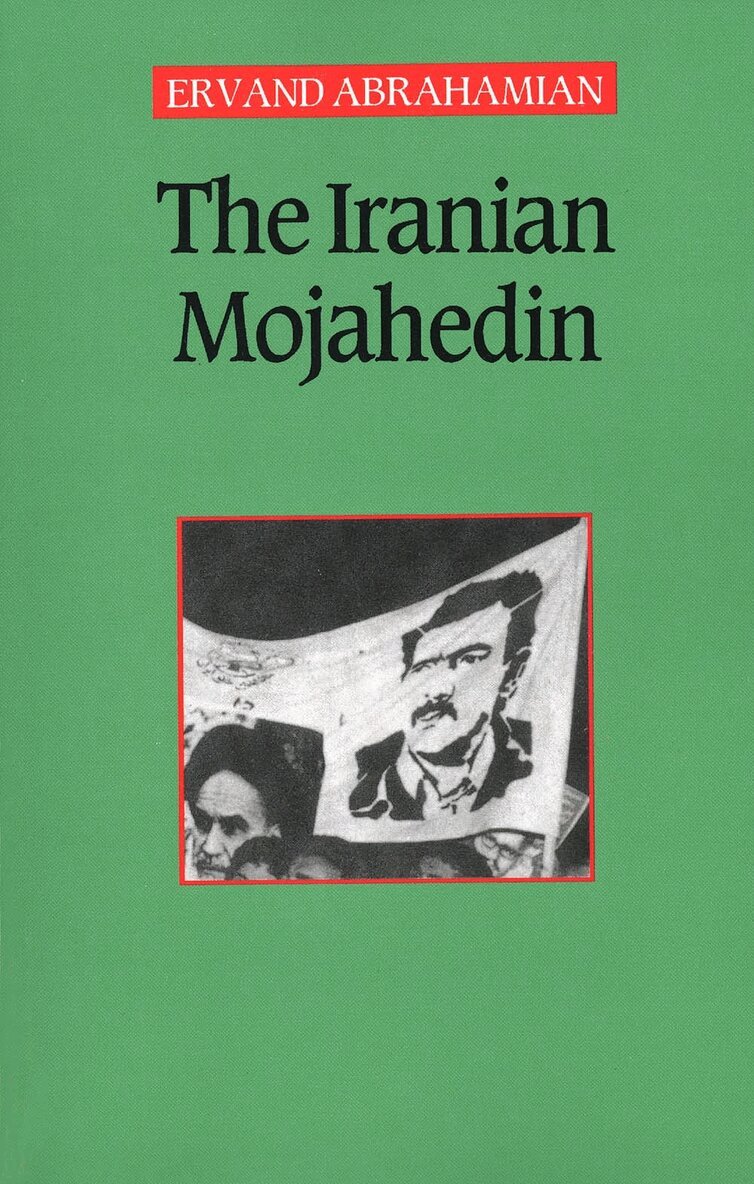
The Mojahedin, a radical political group in Iran, were prominent in the movement against the Shah and played an important role in bringing the Ayatollah Khomeini to power. Yet they have borne the brunt of his reign of terror and now constitute the main opposition to his Islamic Republic. In this book a leading authority on Iranian political parties offers the first history of this little-known underground group.Drawing on all available sources including interviews with past and present members of the Mojahedin, Ervand Abrahamian traces their organization from the 1960s to today. He investigates the social backgrounds of their leaders, the main features of their ideology, and the Marxist influences on their interpretation of Islam. He is then able to explain why they failed to gain political power despite their mass following and the fact that they were the best armed, best disciplined, and one of the largest groups opposing the Shah.In an introductory section on contemporary Iran, Abrahamian analyzes the downfall of the Shah, discusses the resurgence of Islam in that country, contrasts the varieties of Islam on the present scene, and explains why the Islamic Republic, despite all expectations, has proved to be so durable. Clearly and concisely written, the book as a whole provides a wealth of information on contemporary Iran.“A very fine book that deals with an important subject in a very thorough and engrossing fashion.” –Nikki R. Keddie, U.C.L.A.
549 kr
Skickas inom 3-6 vardagar
564 kr
Skickas inom 3-6 vardagar
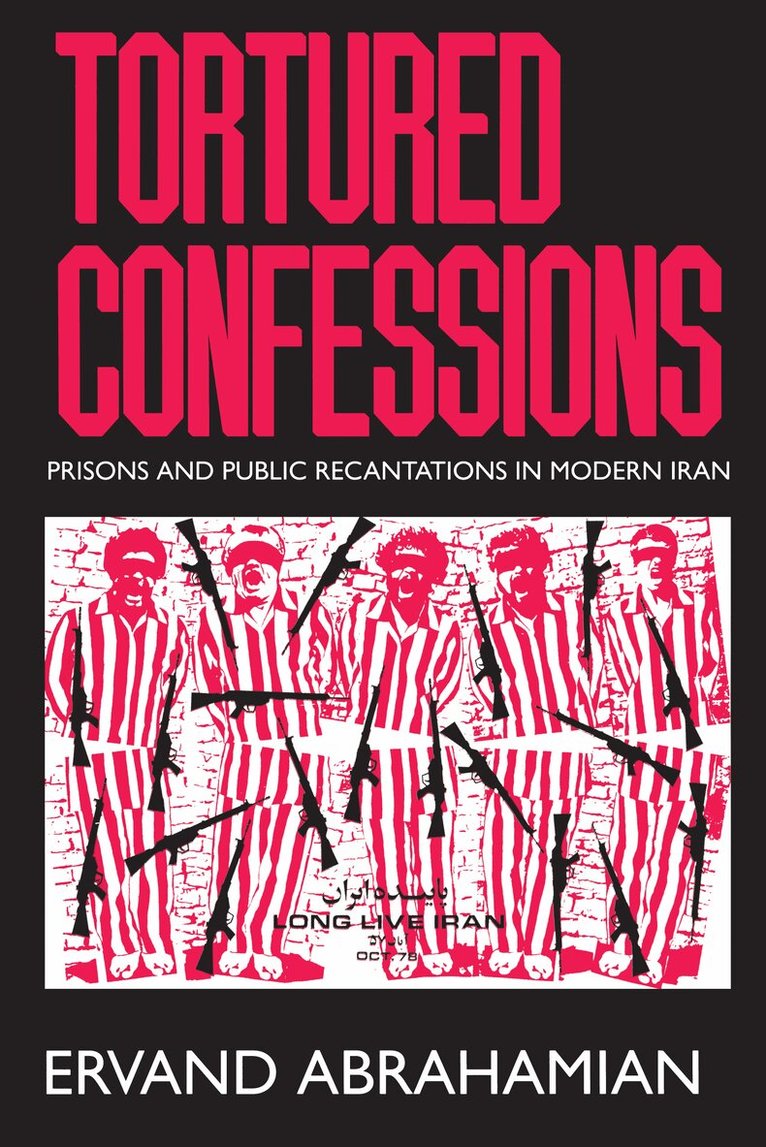
The role of torture in recent Iranian politics is the subject of Ervand Abrahamian's important and disturbing book. Although Iran officially banned torture in the early twentieth century, Abrahamian provides documentation of its use under the Shahs and of the widespread utilization of torture and public confession under the Islamic Republican governments. His study is based on an extensive body of material, including Amnesty International reports, prison literature, and victims' accounts that together give the book a chilling immediacy. According to human rights organizations, Iran has been at the forefront of countries using systematic physical torture in recent years, especially for political prisoners. Is the government's goal to ensure social discipline? To obtain information? Neither seem likely, because torture is kept secret and victims are brutalized until something other than information is obtained: a public confession and ideological recantation. For the victim, whose honor, reputation, and self-respect are destroyed, the act is a form of suicide. In Iran a subject's 'voluntary confession' reaches a huge audience via television.The accessibility of television and use of videotape have made such confessions a primary propaganda tool, says Abrahamian, and because torture is hidden from the public, the victim's confession appears to be self-motivated, increasing its value to the authorities. Abrahamian compares Iran's public recantations to campaigns in Maoist China, Stalinist Russia, and the religious inquisitions of early modern Europe, citing the eerie resemblance in format, language, and imagery. Designed to win the hearts and minds of the masses, such public confessions - now enhanced by technology - continue as a means to legitimize those in power and to demonize 'the enemy'.
1 009 kr
Skickas inom 7-10 vardagar
In a radical reappraisal of Iran's modern history, Ervand Abrahamian traces the country's traumatic journey from the mid-nineteenth century to the present day, through the discovery of oil, imperial interventions, the rule of the Pahlavis, and the birth of the Islamic Republic. The first edition was named the Choice Outstanding Academic Title in 2009. This second edition brings the narrative up to date, with the Green uprisings of 2009, the second Ahmadinejad administration, the election of Rouhani, and the Iran nuclear deal. Ervand Abrahamian, who is one of the most distinguished historians writing on Iran today, is a compassionate expositor, and at the heart of the book is the people of Iran, who have endured and survived a century of war and revolution.
496 kr
Skickas inom 7-10 vardagar
Focusing on the turbulent twenty-eight months between April 1951 and August 1953, this book, based on recently declassified CIA and US State Department documents from the Mossadeq administration tell the story of the Iranian oil crisis, which would culminate in the coup of August 1953. Throwing fresh light on US involvement in Iran, Ervand Abrahamian reveals exactly how immersed the US was in internal Iranian politics long before the 1953 coup, in parliamentary politics and even in saving the monarchy in 1952. By weighing rival explanations for the coup, from internal discontent, a fear of communism and oil nationalization, Abrahamian shows how the Truman and Eisenhower administrations did not differ significantly in their policies towards Mossadeq, and how the surprising main obstacle to an earlier coup was the shah himself. In tracing the key involvement of the US and CIA in Iran, this study shows how the 1953 coup would eventually pave the way to the 1979 Iranian revolution, two of the most significant and widely studied episodes of modern Iranian history.
186 kr
Skickas inom 5-8 vardagar
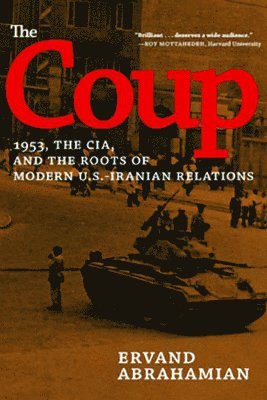
In this well-documented account [that] will become indispensable reading for students of the modern Middle East' (Choice), Abrahamian uncovers little-known documents that challenge conventional interpretations of the 1953 Iranian governmental coup. Offering 'new insights into his history-shattering event' (Reason.com), his riveting account transforms America's understanding of a crucial turning point in modern U.S. - Iranian relations.'