Esra Özyürek - Böcker
Visar alla böcker från författaren Esra Özyürek. Handla med fri frakt och snabb leverans.
11 produkter
11 produkter
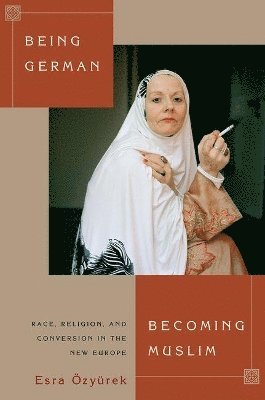
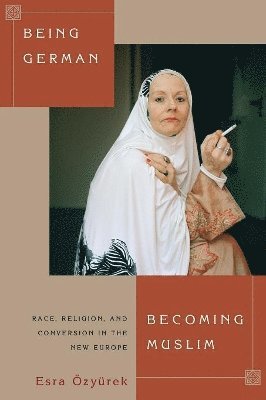
Being German, Becoming Muslim
Race, Religion, and Conversion in the New Europe
Inbunden, Engelska, 2014
545 kr
Skickas inom 7-10 vardagar
Every year more and more Europeans, including Germans, are embracing Islam. It is estimated that there are now up to one hundred thousand German converts--a number similar to that in France and the United Kingdom. What stands out about recent conversions is that they take place at a time when Islam is increasingly seen as contrary to European values. Being German, Becoming Muslim explores how Germans come to Islam within this antagonistic climate, how they manage to balance their love for Islam with their society's fear of it, how they relate to immigrant Muslims, and how they shape debates about race, religion, and belonging in today's Europe. Esra Ozyurek looks at how mainstream society marginalizes converts and questions their national loyalties. In turn, converts try to disassociate themselves from migrants of Muslim-majority countries and promote a denationalized Islam untainted by Turkish or Arab traditions. Some German Muslims believe that once cleansed of these accretions, the Islam that surfaces fits in well with German values and lifestyle. Others even argue that being a German Muslim is wholly compatible with the older values of the German Enlightenment.Being German, Becoming Muslim provides a fresh window into the connections and tensions stemming from a growing religious phenomenon in Germany and beyond.
252 kr
Skickas inom 7-10 vardagar
Every year more and more Europeans, including Germans, are embracing Islam. It is estimated that there are now up to one hundred thousand German converts--a number similar to that in France and the United Kingdom. What stands out about recent conversions is that they take place at a time when Islam is increasingly seen as contrary to European values. Being German, Becoming Muslim explores how Germans come to Islam within this antagonistic climate, how they manage to balance their love for Islam with their society's fear of it, how they relate to immigrant Muslims, and how they shape debates about race, religion, and belonging in today's Europe. Esra Ozyurek looks at how mainstream society marginalizes converts and questions their national loyalties. In turn, converts try to disassociate themselves from migrants of Muslim-majority countries and promote a denationalized Islam untainted by Turkish or Arab traditions. Some German Muslims believe that once cleansed of these accretions, the Islam that surfaces fits in well with German values and lifestyle. Others even argue that being a German Muslim is wholly compatible with the older values of the German Enlightenment.Being German, Becoming Muslim provides a fresh window into the connections and tensions stemming from a growing religious phenomenon in Germany and beyond.
279 kr
Skickas inom 7-10 vardagar
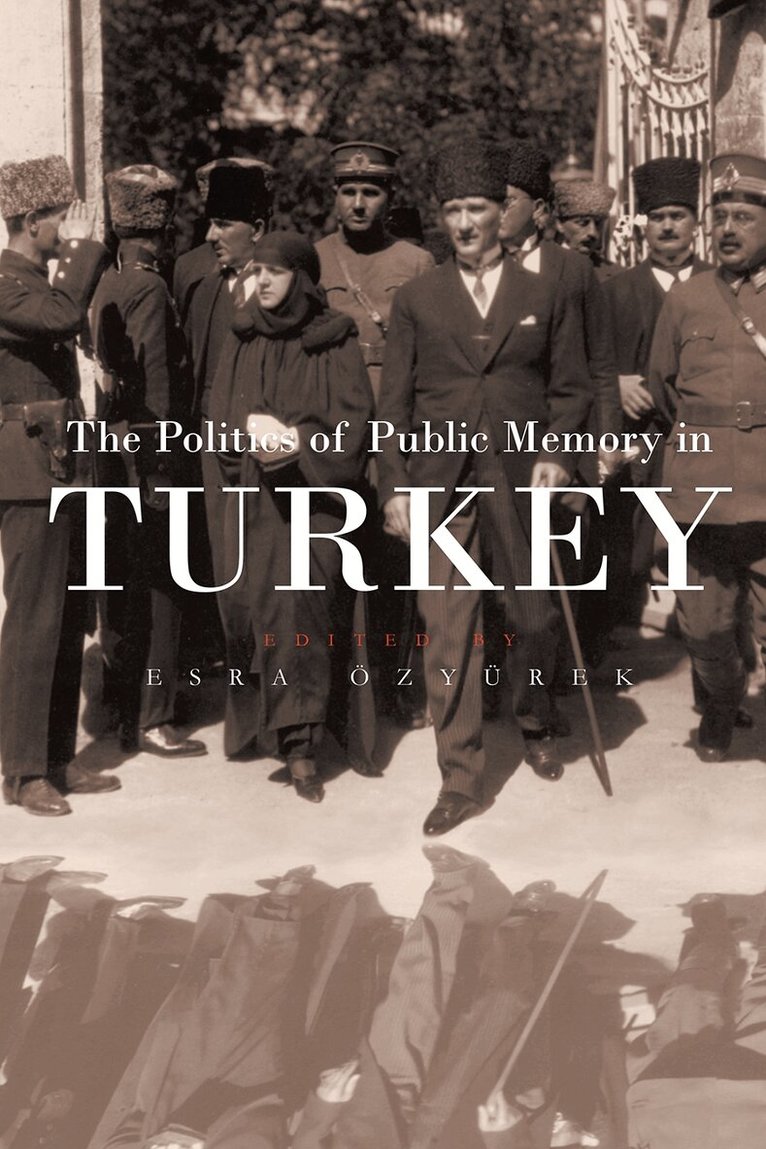
Turkish society is frequently accused of having amnesia. It has been said that there is no social memory in Turkey before Mustafa Kemal Ataturk founded modern Turkey after the first World War. Indeed, in 1923, the newly founded Turkish Republic committed to a modernist future by erasing the memory of its Ottoman past. Now, almost eighty years after the establishment of the Republic, the grandchildren of the founders have a different relationship with history. New generations make every effort to remember, record, and reconcile earlier periods. The multiple and personalized representations of the past with which they engage allow contemporary Turkish citizens to create alternative identities for themselves and their communities. Unlike its futuristic and homogenizing character at the turn of the twentieth century, Turkish nationalism today uses memories to generate varied narratives for the nation as well as the minority groups. Contributors to this volume come from diverse disciplines of anthropology, comparative literature, and sociology but they share a common understanding of contemporary Turkey and how its different representations of the past have become metaphors through which individuals and groups define their cultural identity and political position. They explore the ways people challenge, reaffirm, or transform the concepts of history, nation, homeland, and Republic through acts of memory - effectively demonstrating that memory can be both the basis of cultural reproduction and a form of resistance. The introduction of comparative material to other societies is rare and adds an important new dimension to the analyses.
1 193 kr
Skickas inom 7-10 vardagar
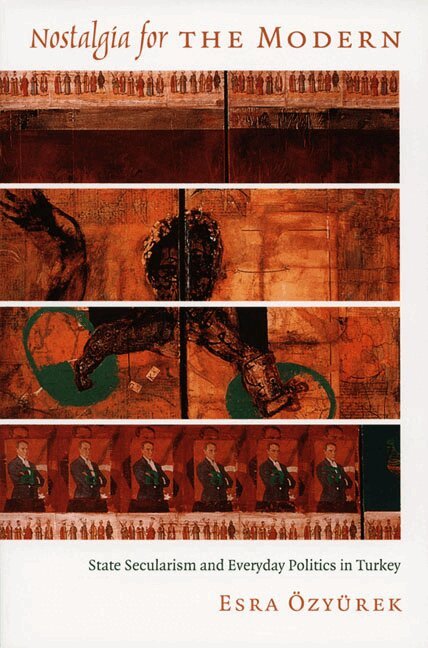
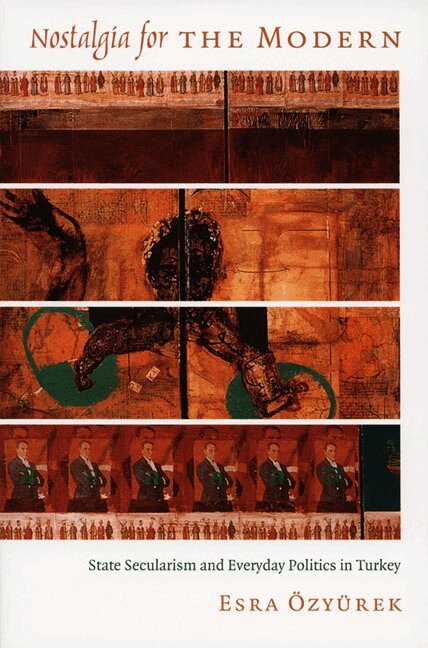
As the twentieth century drew to a close, the unity and authority of the secularist Turkish state were challenged by the rise of political Islam and Kurdish separatism on the one hand and by the increasing demands of the European Union, the International Monetary Fund, and the World Bank on the other. While the Turkish government had long limited Islam-the religion of the overwhelming majority of its citizens-to the private sphere, it burst into the public arena in the late 1990s, becoming part of party politics. As religion became political, symbols of Kemalism-the official ideology of the Turkish Republic founded by Mustafa Kemal AtatÜrk in 1923-spread throughout the private sphere. In Nostalgia for the Modern, Esra ÖzyÜrek analyzes the ways that Turkish citizens began to express an attachment to-and nostalgia for-the secularist, modernist, and nationalist foundations of the Turkish Republic. Drawing on her ethnographic research in Istanbul and Ankara during the late 1990s, ÖzyÜrek describes how ordinary Turkish citizens demonstrated their affinity for Kemalism in the ways they organized their domestic space, decorated their walls, told their life stories, and interpreted political developments. She examines the recent interest in the private lives of the founding generation of the Republic, reflects on several privately organized museum exhibits about the early Republic, and considers the proliferation in homes and businesses of pictures of AtatÜrk, the most potent symbol of the secular Turkish state. She also explores the organization of the 1998 celebrations marking the Republic’s seventy-fifth anniversary. ÖzyÜrek’s insights into how state ideologies spread through private and personal realms of life have implications for all societies confronting the simultaneous rise of neoliberalism and politicized religion.
323 kr
Skickas inom 7-10 vardagar
As the twentieth century drew to a close, the unity and authority of the secularist Turkish state were challenged by the rise of political Islam and Kurdish separatism on the one hand and by the increasing demands of the European Union, the International Monetary Fund, and the World Bank on the other. While the Turkish government had long limited Islam-the religion of the overwhelming majority of its citizens-to the private sphere, it burst into the public arena in the late 1990s, becoming part of party politics. As religion became political, symbols of Kemalism-the official ideology of the Turkish Republic founded by Mustafa Kemal AtatÜrk in 1923-spread throughout the private sphere. In Nostalgia for the Modern, Esra ÖzyÜrek analyzes the ways that Turkish citizens began to express an attachment to-and nostalgia for-the secularist, modernist, and nationalist foundations of the Turkish Republic. Drawing on her ethnographic research in Istanbul and Ankara during the late 1990s, ÖzyÜrek describes how ordinary Turkish citizens demonstrated their affinity for Kemalism in the ways they organized their domestic space, decorated their walls, told their life stories, and interpreted political developments. She examines the recent interest in the private lives of the founding generation of the Republic, reflects on several privately organized museum exhibits about the early Republic, and considers the proliferation in homes and businesses of pictures of AtatÜrk, the most potent symbol of the secular Turkish state. She also explores the organization of the 1998 celebrations marking the Republic’s seventy-fifth anniversary. ÖzyÜrek’s insights into how state ideologies spread through private and personal realms of life have implications for all societies confronting the simultaneous rise of neoliberalism and politicized religion.
Subcontractors of Guilt
Holocaust Memory and Muslim Belonging in Postwar Germany
Inbunden, Engelska, 2023
952 kr
Skickas inom 7-10 vardagar
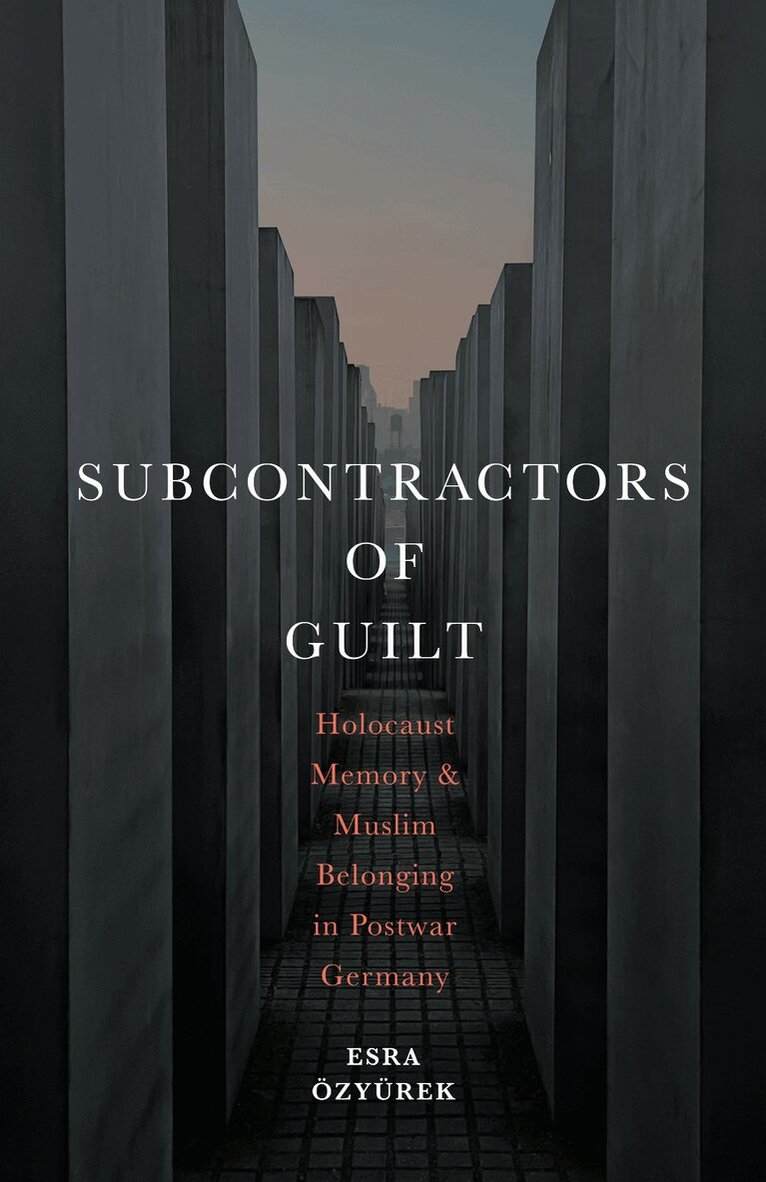
At the turn of the millennium, Middle Eastern and Muslim Germans had rather unexpectedly become central to the country's Holocaust memory culture—not as welcome participants, but as targets for re-education and reform. Since then, Turkish- and Arab-Germans have been considered as the prime obstacles to German national reconciliation with its Nazi past, a status shared to a lesser degree by Germans from the formerly socialist East Germany. It is for this reason that the German government, German NGOs, and Muslim minority groups have begun to design Holocaust education and anti-Semitism prevention programs specifically tailored for Muslim immigrants and refugees, so that they, too, can learn the lessons of the Holocaust and embrace Germany's most important postwar democratic political values.Based on ethnographic research conducted over a decade, Subcontractors of Guilt explores when, how, and why Muslim Germans have moved to the center of Holocaust memory discussions. Esra Özyürek argues that German society "subcontracts" guilt of the Holocaust to new minority immigrant arrivals, with the false promise of this process leading to inclusion into the German social contract and equality with other members of postwar German society. By focusing on the recently formed but already sizable sector of Muslim-only anti-Semitism and Holocaust education programs, this book explores the paradoxes of postwar German national identity.
Subcontractors of Guilt
Holocaust Memory and Muslim Belonging in Postwar Germany
Häftad, Engelska, 2023
309 kr
Skickas inom 7-10 vardagar
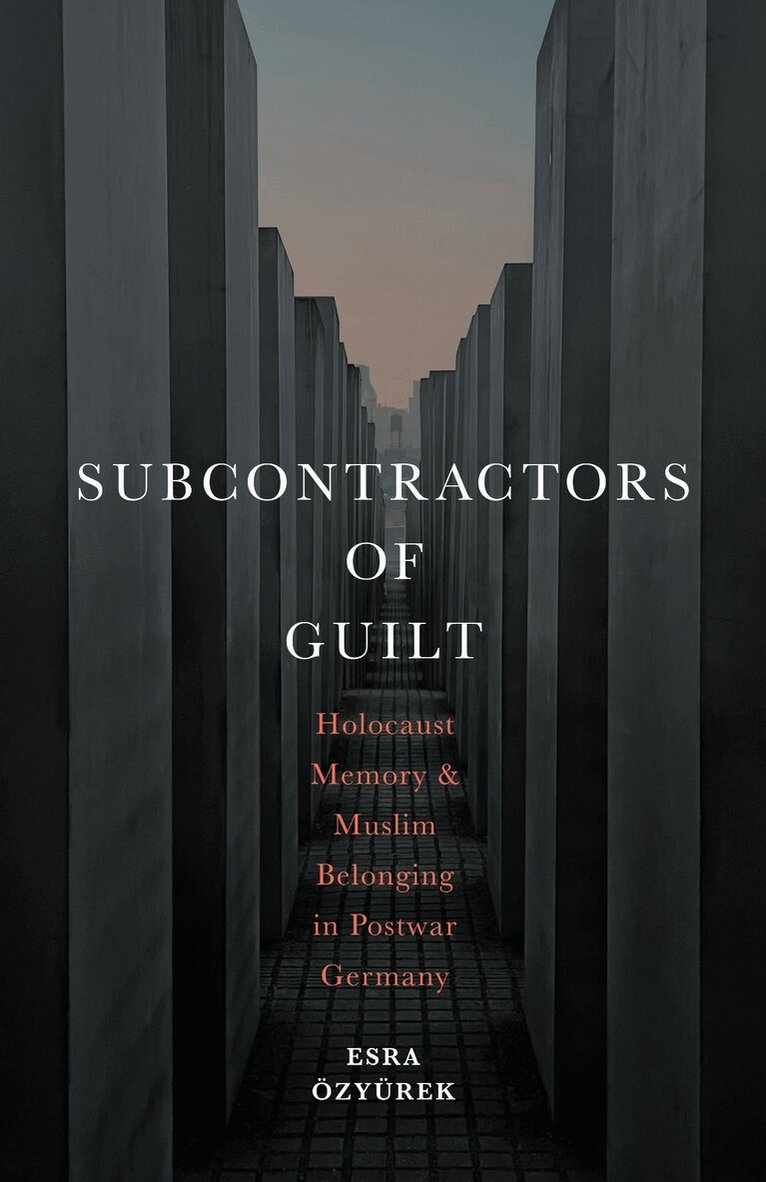
At the turn of the millennium, Middle Eastern and Muslim Germans had rather unexpectedly become central to the country's Holocaust memory culture—not as welcome participants, but as targets for re-education and reform. Since then, Turkish- and Arab-Germans have been considered as the prime obstacles to German national reconciliation with its Nazi past, a status shared to a lesser degree by Germans from the formerly socialist East Germany. It is for this reason that the German government, German NGOs, and Muslim minority groups have begun to design Holocaust education and anti-Semitism prevention programs specifically tailored for Muslim immigrants and refugees, so that they, too, can learn the lessons of the Holocaust and embrace Germany's most important postwar democratic political values.Based on ethnographic research conducted over a decade, Subcontractors of Guilt explores when, how, and why Muslim Germans have moved to the center of Holocaust memory discussions. Esra Özyürek argues that German society "subcontracts" guilt of the Holocaust to new minority immigrant arrivals, with the false promise of this process leading to inclusion into the German social contract and equality with other members of postwar German society. By focusing on the recently formed but already sizable sector of Muslim-only anti-Semitism and Holocaust education programs, this book explores the paradoxes of postwar German national identity.
Authoritarianism and Resistance in Turkey
Conversations on Democratic and Social Challenges
Häftad, Engelska, 2019
956 kr
Skickas inom 10-15 vardagar
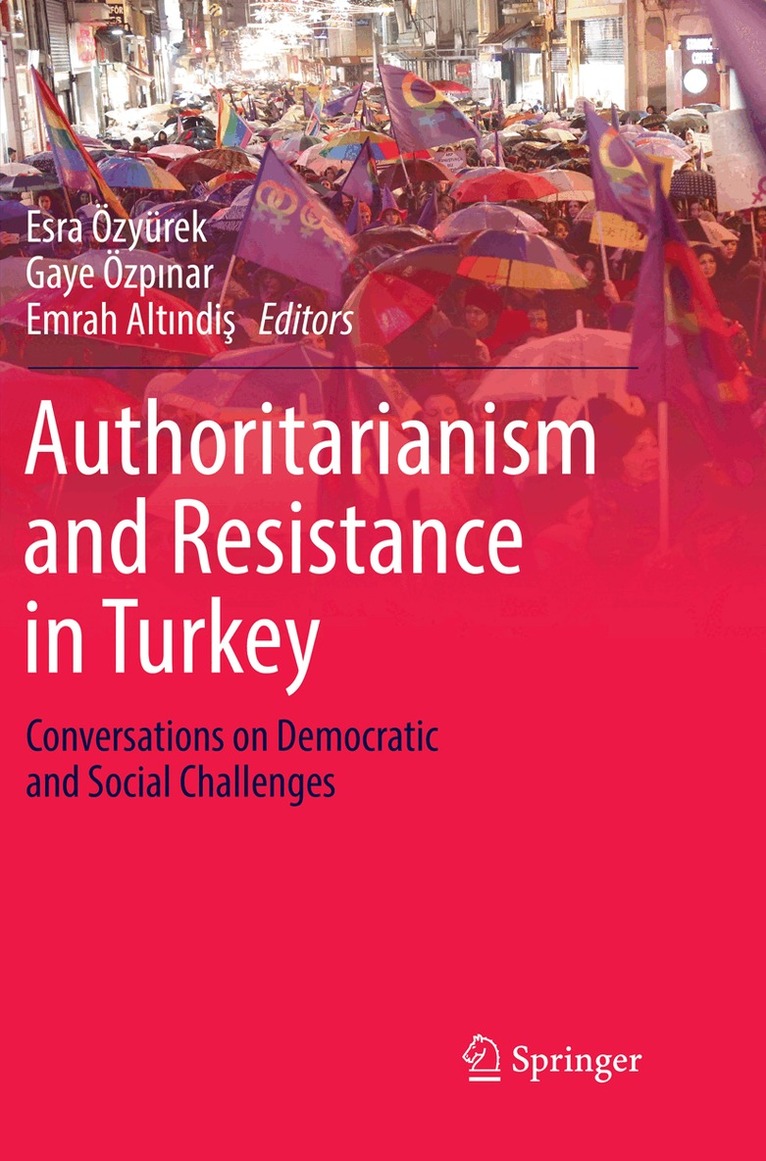
This book offers an in-depth overview of Turkish history and politics essential for understanding contemporary Turkey. Based on interviews with leading intellectuals and academics from Turkey, the book’s theme follows the dramatic transformations that have occurred from the 1980 military coup to the coup attempt of 2016 and its aftermath.
Authoritarianism and Resistance in Turkey
Conversations on Democratic and Social Challenges
Inbunden, Engelska, 2018
160 kr
Skickas
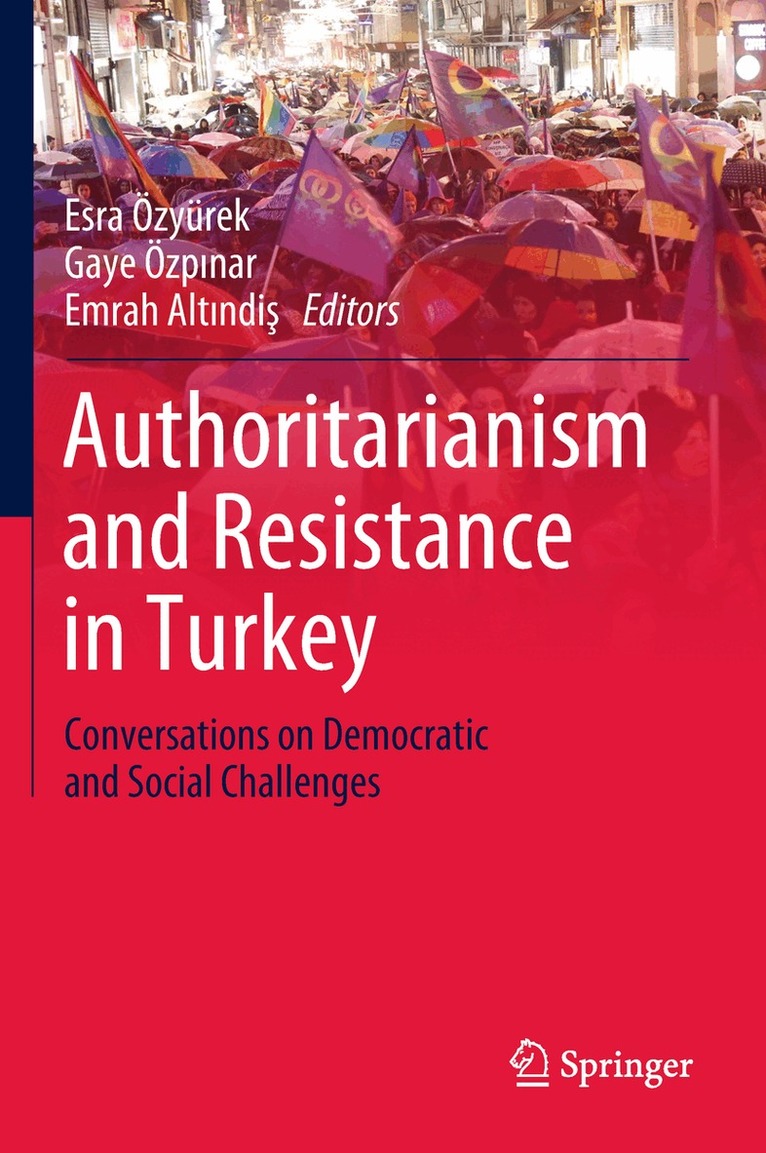
This book offers an in-depth overview of Turkish history and politics essential for understanding contemporary Turkey. Based on interviews with leading intellectuals and academics from Turkey, the book’s theme follows the dramatic transformations that have occurred from the 1980 military coup to the coup attempt of 2016 and its aftermath.
287 kr
Skickas inom 3-6 vardagar
234 kr
Skickas inom 10-15 vardagar
Das Buch befasst sich mit dem bislang noch weitgehend unbehandelten Gebiet der Konversion von Deutschen zum Islam und beruht auf langjährigen Feldstudien der Autorin in Deutschland. Es bietet neue Einsichten in die Zusammenhänge und Spannungen, die dieses stetig wachsende religiöse Phänomen in Deutschland und darüber hinaus hervorbringt.Von Jahr zu Jahr nimmt die Zahl der Europäer, die sich dem Islam zuwenden, zu. Die vorliegende Publikation erforscht wie insbesondere Deutsche den Islam für sich entdecken, ihre Verbundenheit zum Islam trotz der gesellschaftlich eher ablehnenden Haltung und Furcht leben, wie sie sich zu den eingewanderten Muslimen in Beziehung setzen und wie sie die Debatten um Rasse, Religion und europäischer Zugehörigkeit erleben und mitgestalten.Esra Özyürek wirft einen Blick darauf, wie die Gesellschaft konvertierte Mitbürger an den Rand drängt und deren nationale Loyalität in Frage stellt. Im Gegenzug versuchen sich die zum Islam konvertierten Deutschen von Migranten aus muslimisch geprägten Ländern abzugrenzen und einen „entnationalisierten“ Islam, frei von türkischen oder arabischen Traditionen, zu etablieren.