Esther Brownsmith - Böcker
Visar alla böcker från författaren Esther Brownsmith. Handla med fri frakt och snabb leverans.
4 produkter
4 produkter
2 274 kr
Skickas inom 3-6 vardagar
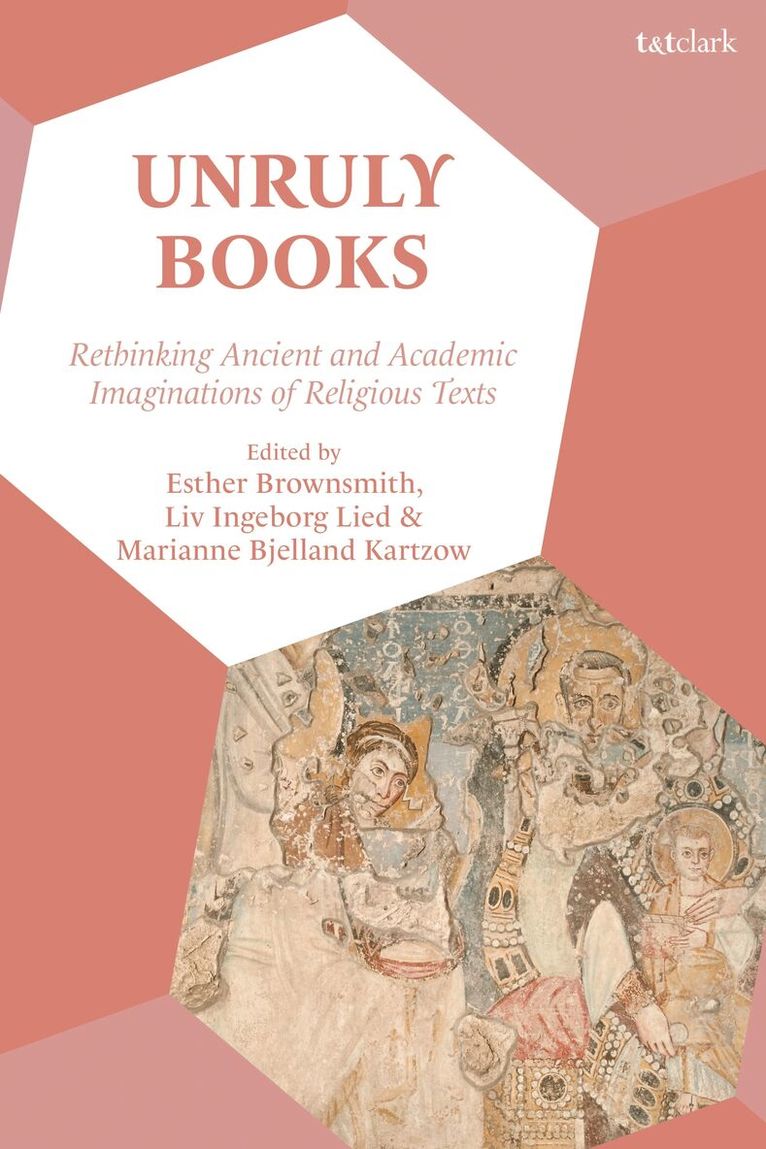
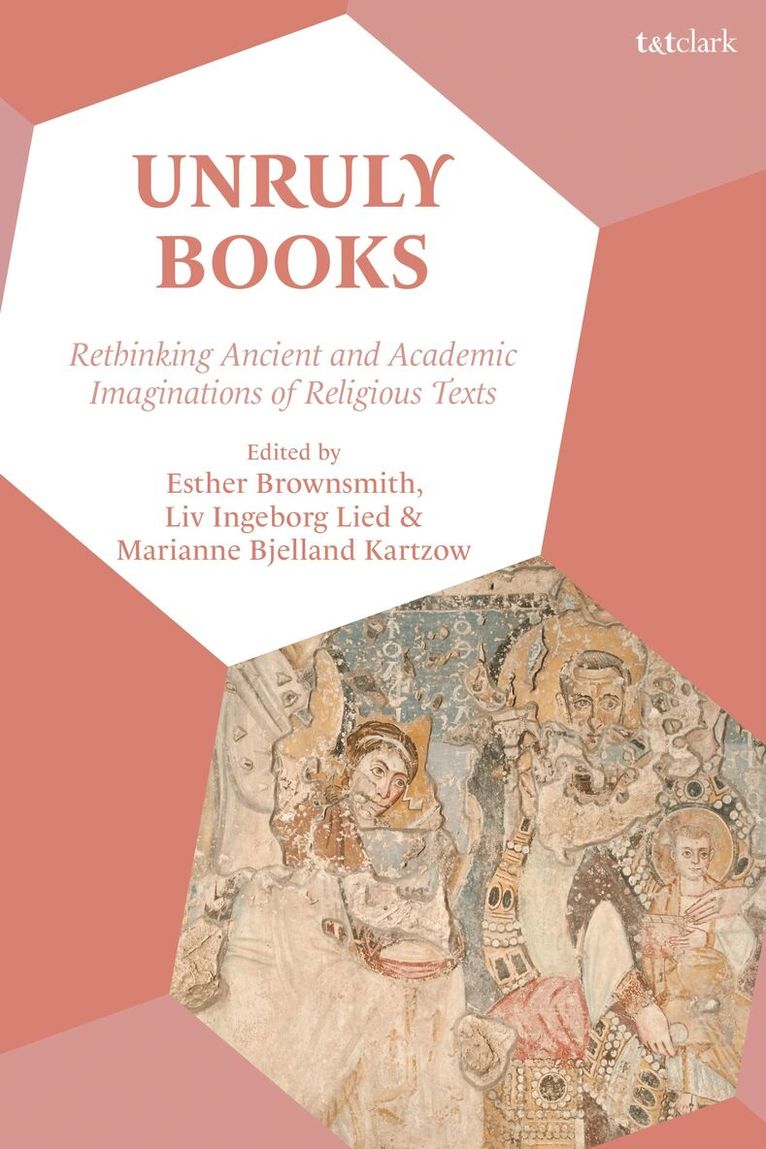
This volume explores the idea of the unruly book, from books now known by their titles alone to books that subverted structures of power and gender. The contributors show how these books functioned as “sticky” objects, and they examine the story of what such books signified to the people who wrote, read, discussed, yearned for, or even prohibited them. The books examined are those of the first millennium of the Common Era, and the writings of Judaism, Christianity, Islam and related traditions. In particular, the contributors examine the bounty of books within this period that are hard to pin down, whether extant, lost, or imagined—books that challenge modern scholars to reconceptualize our notions of books (biblical or otherwise), religion, manuscript culture, and intellectual history. Through the critical analyses presented in this volume, the contributors negotiate the diverse stories told by unruly books and show that by listening to the stories that books tell, we learn more about the worlds that imagined and discussed them.
583 kr
Kommande
This volume explores the idea of the unruly book, from books now known by their titles alone to books that subverted structures of power and gender. The contributors show how these books functioned as “sticky” objects, and they examine the story of what such books signified to the people who wrote, read, discussed, yearned for, or even prohibited them. The books examined are those of the first millennium of the Common Era, and the writings of Judaism, Christianity, Islam and related traditions. In particular, the contributors examine the bounty of books within this period that are hard to pin down, whether extant, lost, or imagined—books that challenge modern scholars to reconceptualize our notions of books (biblical or otherwise), religion, manuscript culture, and intellectual history. Through the critical analyses presented in this volume, the contributors negotiate the diverse stories told by unruly books and show that by listening to the stories that books tell, we learn more about the worlds that imagined and discussed them.
2 088 kr
Skickas inom 10-15 vardagar
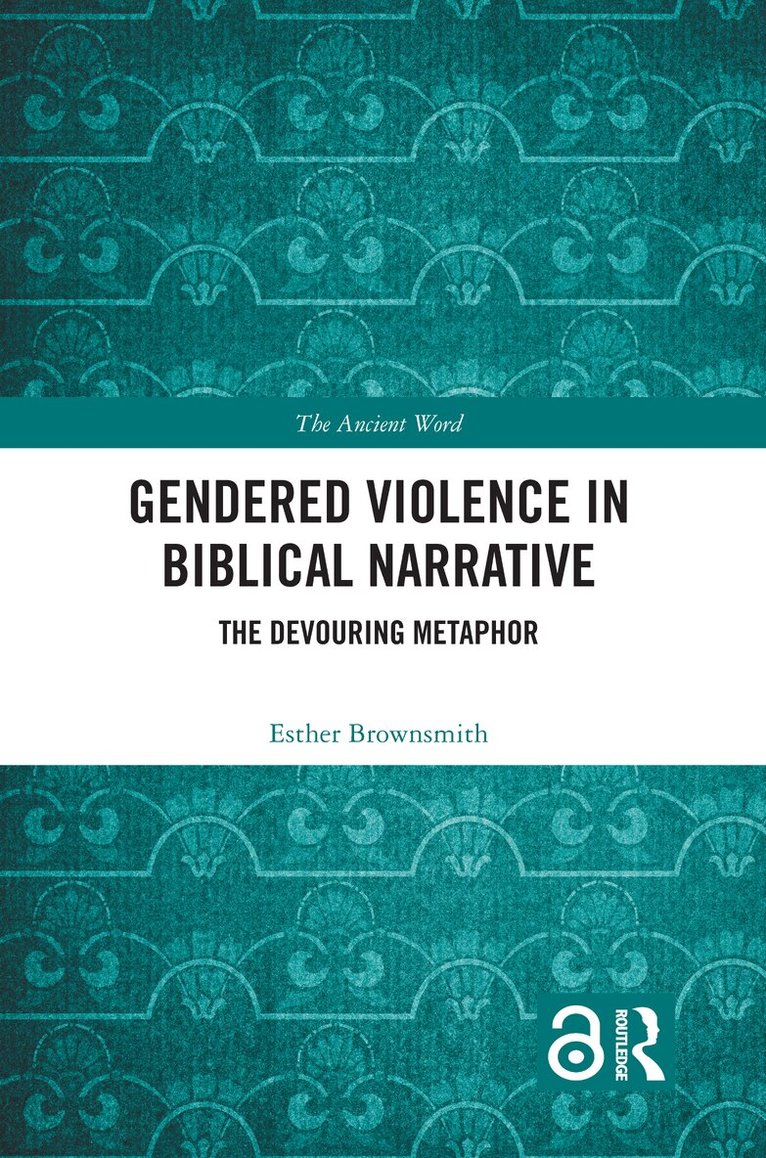
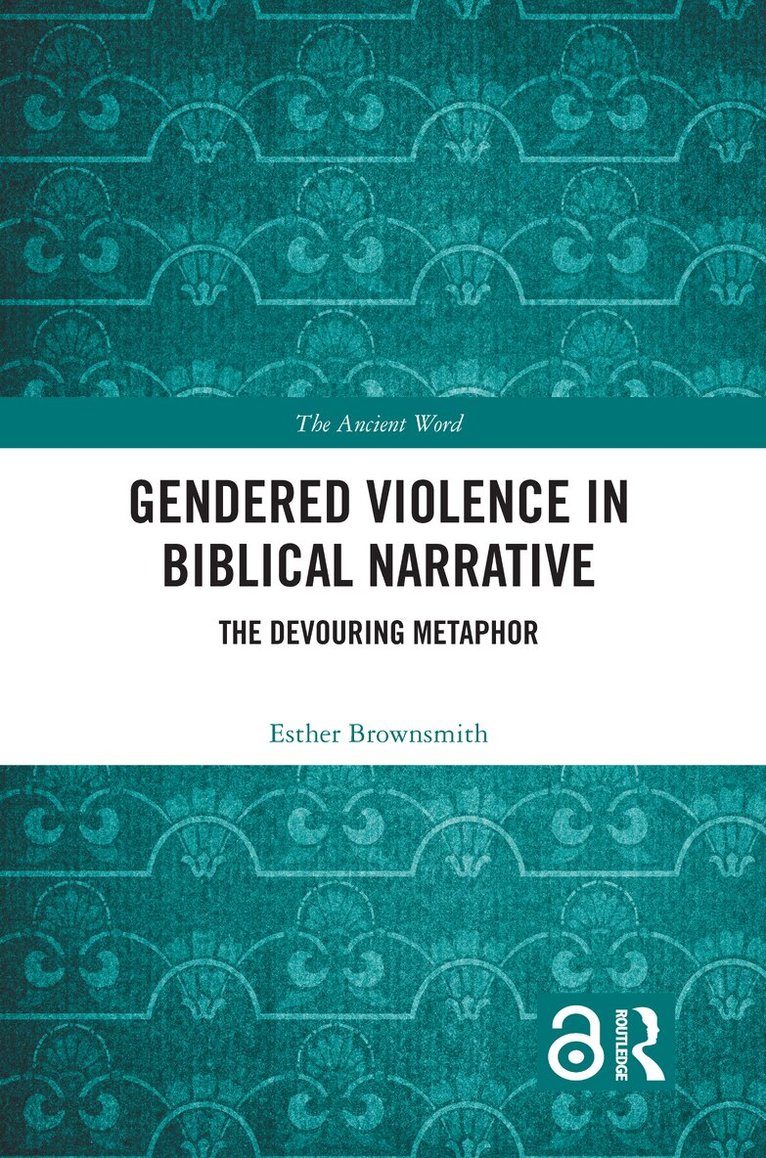
This book uses three examples of violent biblical stories about women, explored through the lens of conceptual metaphor theory in relation to culinary language used within these texts, to examine wider issues of gender and sexual violence in the Hebrew Bible.Utilising the tools of conceptual metaphor theory, feminist criticism, and classic textual analysis, Brownsmith interrogates some of the most troubling biblical passages for women—neither by redeeming them nor by condemning them, but by showing how they are intrinsically shaped by the enduring metaphor of woman as food in the Hebrew Bible, ancient Near East, and beyond. The volume explores three main case studies: the Levite’s “concubine” (Judges 19); Tamar and Amnon (2 Sam 13); and the life and death of Jezebel (primarily 1 Kings 21 and 2 Kings 9). All depict violence toward a woman as perpetrated by a man, interwoven with culinary language that cues their metaphorical implications. In these sensitive but critical readings of violent tales, Brownsmith also draws on a broad range of interdisciplinary connections from Ricoeur to ancient Ugaritic epics to modern comic books. Through this approach, readers gain new insights into how the Bible shapes its narratives through conceptual metaphors, and specifically how it makes meaning out of women’s brutalized bodies.Gendered Violence in Biblical Narrative: The Devouring Metaphor is suitable for students and scholars working on gender and sexual violence in the Hebrew Bible and the ancient Near East more broadly, as well as those working on conceptual metaphor theory and feminist criticism.The Open Access version of this book, available at http://www.taylorfrancis.com, has been made available under a Creative Commons Attribution-Non Commercial-No Derivatives (CC BY-NC-ND) 4.0 license.
630 kr
Skickas inom 10-15 vardagar
This book uses three examples of violent biblical stories about women, explored through the lens of conceptual metaphor theory in relation to culinary language used within these texts, to examine wider issues of gender and sexual violence in the Hebrew Bible.Utilising the tools of conceptual metaphor theory, feminist criticism, and classic textual analysis, Brownsmith interrogates some of the most troubling biblical passages for women—neither by redeeming them nor by condemning them, but by showing how they are intrinsically shaped by the enduring metaphor of woman as food in the Hebrew Bible, ancient Near East, and beyond. The volume explores three main case studies: the Levite’s “concubine” (Judges 19); Tamar and Amnon (2 Sam 13); and the life and death of Jezebel (primarily 1 Kings 21 and 2 Kings 9). All depict violence toward a woman as perpetrated by a man, interwoven with culinary language that cues their metaphorical implications. In these sensitive but critical readings of violent tales, Brownsmith also draws on a broad range of interdisciplinary connections from Ricoeur to ancient Ugaritic epics to modern comic books. Through this approach, readers gain new insights into how the Bible shapes its narratives through conceptual metaphors, and specifically how it makes meaning out of women’s brutalized bodies.Gendered Violence in Biblical Narrative: The Devouring Metaphor is suitable for students and scholars working on gender and sexual violence in the Hebrew Bible and the ancient Near East more broadly, as well as those working on conceptual metaphor theory and feminist criticism.The Open Access version of this book, available at http://www.taylorfrancis.com, has been made available under a Creative Commons Attribution-Non Commercial-No Derivatives (CC BY-NC-ND) 4.0 license.