Esther Chung-Kim – författare
Visar alla böcker från författaren Esther Chung-Kim. Handla med fri frakt och snabb leverans.
8 produkter
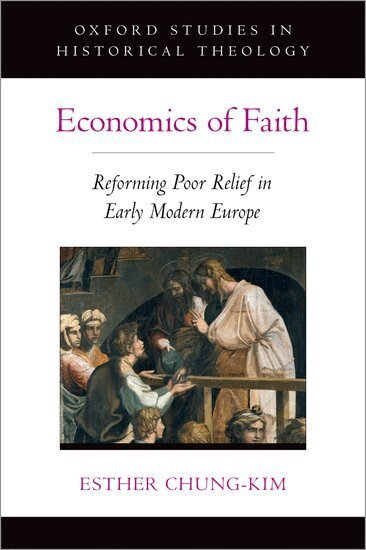
Economics of Faith
Reforming Poverty in Early Modern Europe
Inbunden, 2021
1469 kr
Lägg i varukorg
Economics of Faith examines the role of religious leaders in the development of poor relief institutions in early modern Europe. As preachers, policy makers, advocates, and community leaders, these reformers offered a new interpretation of salvation and good works that provided the religious …
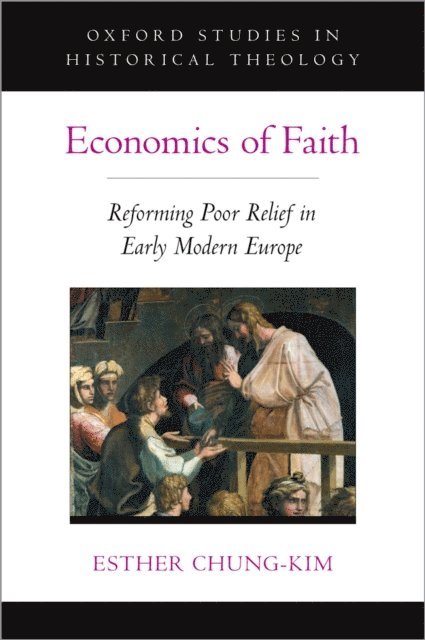
Economics of Faith
Reforming Poverty in Early Modern Europe
E-bok, 2021
330 kr
Lägg i varukorg
Economics of Faith examines the role of religious leaders in the development of poor relief institutions in early modern Europe. As preachers, policy makers, advocates, and community leaders, these reformers offered a new interpretation of salvation and good works that provided the religious …
Economics of Faith
Reforming Poverty in Early Modern Europe
E-bok, 2021
330 kr
Lägg i varukorg
Economics of Faith examines the role of religious leaders in the development of poor relief institutions in early modern Europe. As preachers, policy makers, advocates, and community leaders, these reformers offered a new interpretation of salvation and good works that provided the religious …
Economics of Faith
Reforming Poverty in Early Modern Europe
Häftad, 2023
378 kr
Lägg i varukorg
Economics of Faith examines the role of religious leaders in the development of poor relief institutions in early modern Europe. As preachers, policy makers, advocates, and community leaders, these reformers offered a new interpretation of salvation and good works that provided the religious …
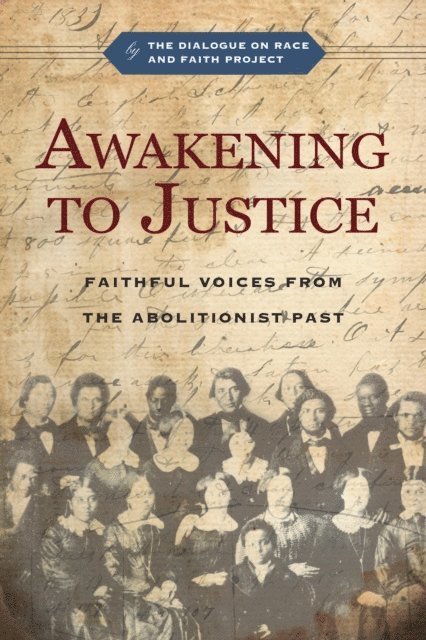
Awakening to Justice
Faithful Voices from the Abolitionist Past
Av Seattle Pacific University The Dialogue on Race and Faith, Jemar Tisby m. fl.
Häftad, 2024
354 kr
Lägg i varukorg
"O where are the sympathies of Christians for the slave and where are their exertions for their liberation? . . . It seems as if the church were asleep." David Ingraham, 1839 In 2015, the historian Chris Momany helped discover a manuscript that had been forgotten in a storage closet at Adrian …
Awakening to Justice
Faithful Voices from the Abolitionist Past
Av Estrelda Y. Alexander, Albert G. Miller m. fl.
E-bok, 2024
303 kr
Lägg i varukorg
"O where are the sympathies of Christians for the slave and where are their exertions for their liberation? . . . It seems as if the church were asleep."David Ingraham, 1839In 2015, the historian Chris Momany helped discover a manuscript that had been forgotten in a storage closet at Adrian College …
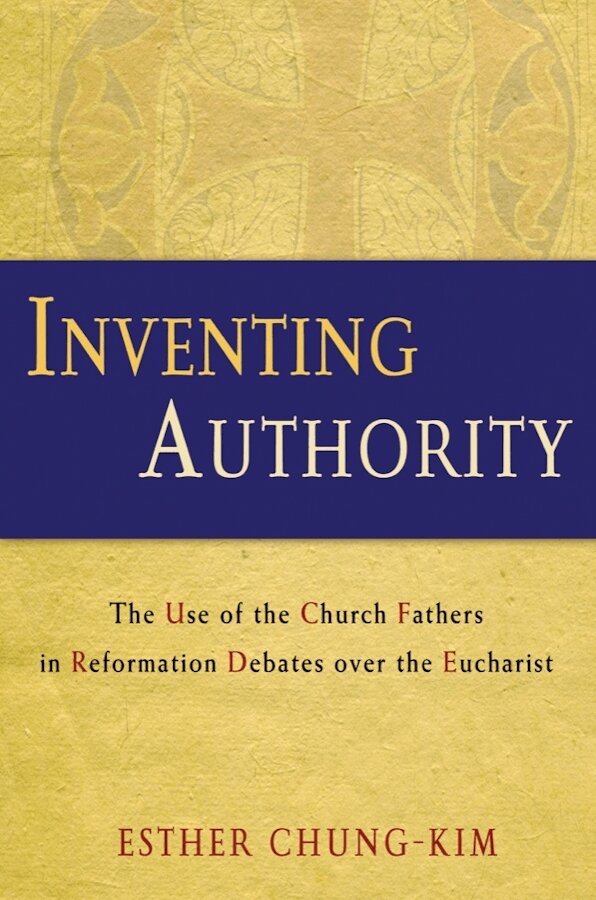
Inventing Authority
The Use of the Church Fathers in Reformation Debates Over the Eucharist
Häftad, 2022
923 kr
Lägg i varukorg
Adding great historical insight to the events of the sixteenth century, Inventing Authority uncovers how and why the Protestant reformers came, in their dissent from the Catholic church, to turn to the Church Fathers and align their movements with the early church. Discovering that the reformers …