Esther J. Hamori – författare
Visar alla böcker från författaren Esther J. Hamori. Handla med fri frakt och snabb leverans.
7 produkter
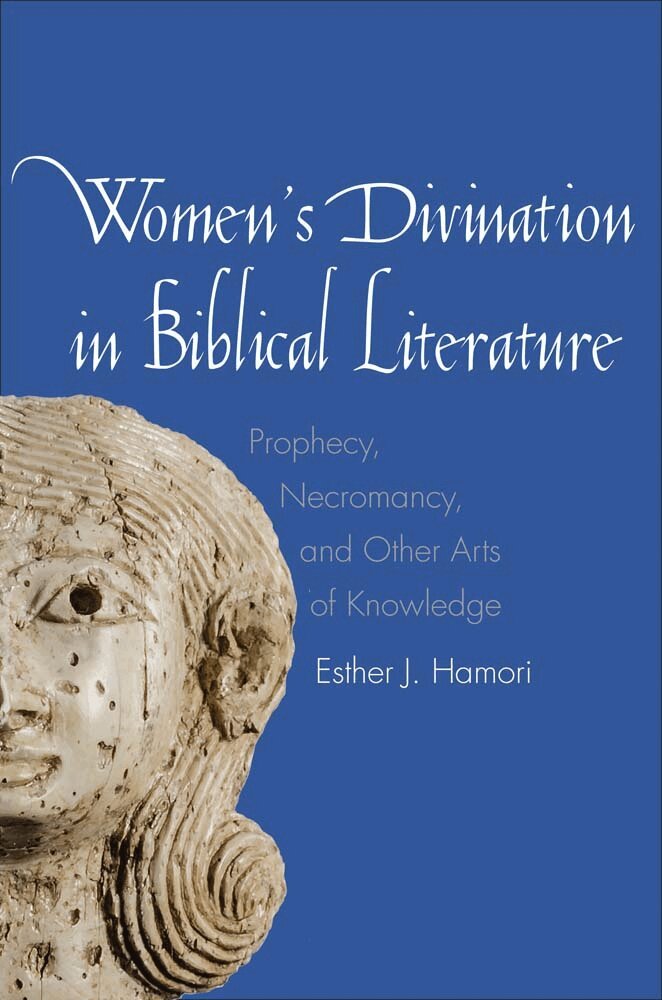
Women's Divination in Biblical Literature
Prophecy, Necromancy, and Other Arts of Knowledge
Av Esther J. Hamori, John Collins
Inbunden, 2015
1206 kr
Lägg i varukorg
Divination, the use of special talents and techniques to gain divine knowledge, was practiced in many different forms in ancient Israel and throughout the ancient world. The Hebrew Bible reveals a variety of traditions of women associated with divination. This sensitive and incisive book by …
Perchance to Dream
Dream Divination in the Bible and the Ancient Near East
Av Esther J Hamori, Jonathan Stökl
Inbunden, 2018
599 kr
Lägg i varukorg
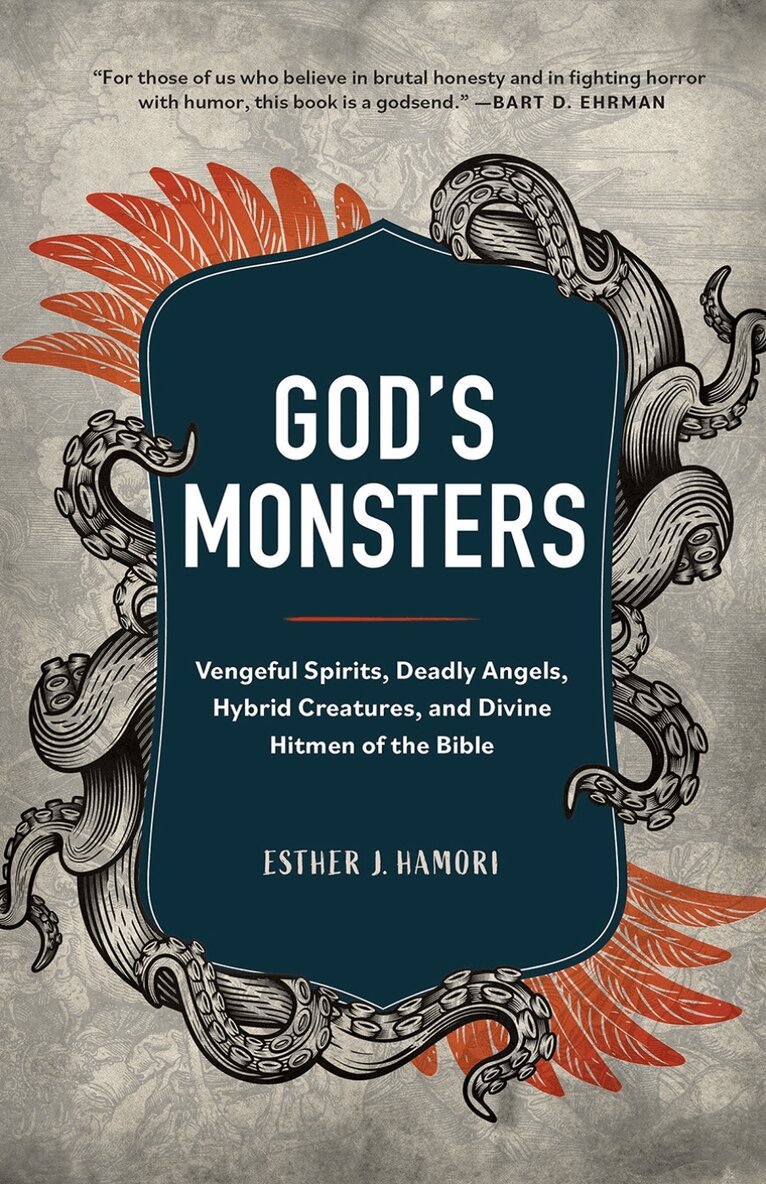
God's Monsters
Vengeful Spirits, Deadly Angels, Hybrid Creatures, and Divine Hitmen of the Bible
Inbunden, 2023
208 kr
Lägg i varukorg
The Bible is teeming with monsters. Giants tromp through the land of milk and honey; Leviathan swims through the wine-dark sea. A stunning array of peculiar creatures, mind-altering spirits, and supernatural hitmen fill the biblical heavens, jarring in both their strangeness and their propensity …
Perchance to Dream
Dream Divination in the Bible and the Ancient Near East
Av Esther J Hamori, Jonathan Stökl
Häftad, 2018
443 kr
Lägg i varukorg
"When Gods Were Men"
The Embodied God in Biblical and Near Eastern Literature
Inbunden, 2008
1612 kr
Lägg i varukorg
In the texts of Genesis 18 and 32, God appears to a patriarch in person and is referred to by the narrator as a man, both times by the Hebrew word īsh. In both texts, God as īsh is described in graphically human terms. This type of divine appearance is identified here as the "īsh theophany". The …
"e;When Gods Were Men"e;
The Embodied God in Biblical and Near Eastern Literature
E-bok, 2008
1626 kr
Lägg i varukorg
In the texts of Genesis 18 and 32, God appears to a patriarch in person and is referred to by the narrator as a man, both times by the Hebrew word ī sh . In both texts, God as īsh is described in graphically human terms. This type of divine appearance is identified here as the " ī sh theophany". …
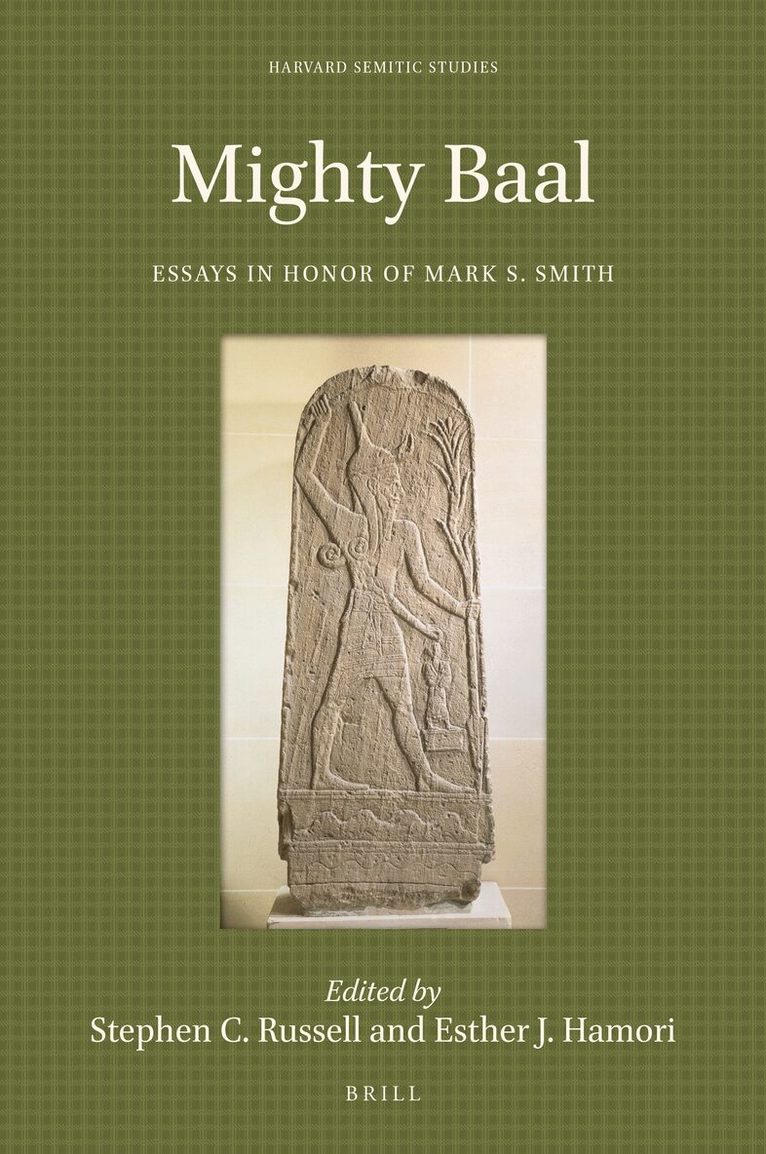
Mighty Baal
Essays in Honor of Mark S. Smith
Av Stephen C. Russell, Esther J. Hamori
Inbunden, 2020
3991 kr
Lägg i varukorg
Mighty Baal: Essays in Honor of Mark S. Smith is the first edited collection devoted to the study of the ancient Near Eastern god Baal. Although the Bible depicts Baal as powerless, the combined archaeological, iconographic, and literary evidence makes it clear that Baal was worshipped throughout …