Esther Whitfield - Böcker
Visar alla böcker från författaren Esther Whitfield. Handla med fri frakt och snabb leverans.
5 produkter
5 produkter
257 kr
Skickas inom 7-10 vardagar
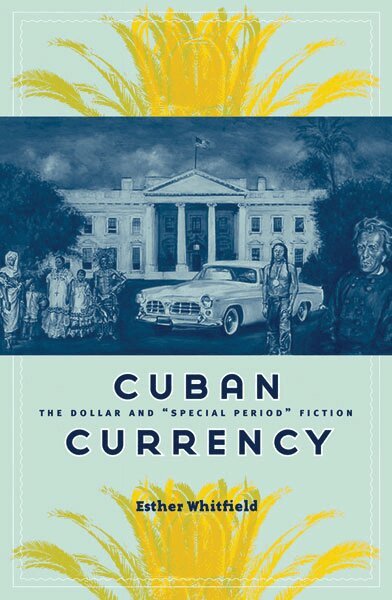
With the collapse of the Soviet Union in the 1990s, during an economic crisis termed its “special period in times of peace,” Cuba began to court the capitalist world for the first time since its 1959 revolution. With the U.S. dollar instated as domestic currency, the island seemed suddenly accessible to foreign consumers, and their interest in its culture boomed. Cuban Currency is the first book to address the effects on Cuban literature of the country’s spectacular opening to foreign markets that marked the end of the twentieth century. Based on interviews and archival research in Havana, Esther Whitfield argues that writers have both challenged and profited from new transnational markets for their work, with far-reaching literary and ideological implications. Whitfield examines money and cross-cultural economic relations as they are inscribed in Cuban fiction. Exploring the work of ZoÉ ValdÉs, Pedro Juan GutiÉrrez, Antonio JosÉ Ponte and others, she draws out writers’ engagements with the troublesome commodification of Cuban identity. Confronting the tourist and publishing industries’ roles in the transformation of the Cuban revolution into commercial capital, Whitfield identifies a body of fiction peculiarly attuned to the material and political challenges of the “special period.” Esther Whitfield is assistant professor of comparative literature at Brown University.
1 280 kr
Skickas inom 7-10 vardagar
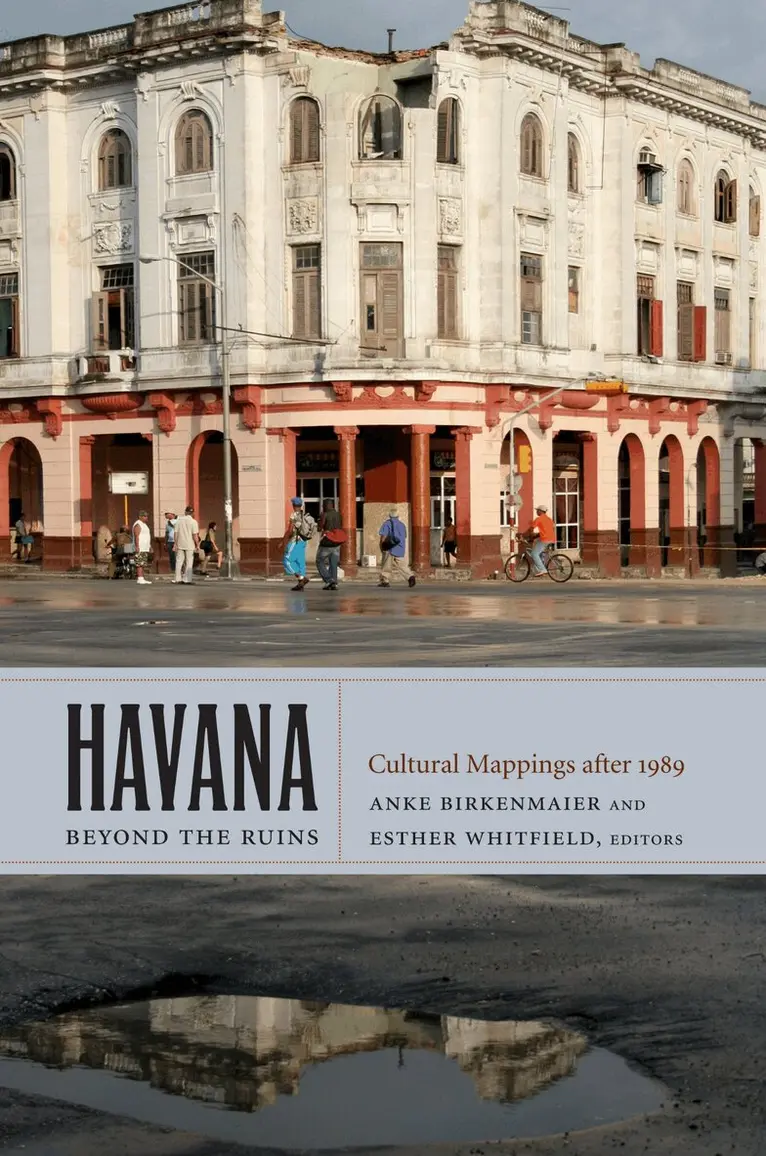
In Havana beyond the Ruins, prominent architects, scholars, and writers based in and outside of Cuba analyze how Havana has been portrayed in literature, music, and the visual arts since Soviet subsidies of Cuba ceased, and the Cuban state has re-imagined Havana as a destination for international tourists and business ventures. Cuba’s capital has experienced little construction since the revolution of 1959; many of its citizens live in poorly maintained colonial and modernist dwellings. It is this Havana-of crumbling houses, old cars, and a romantic aura of ruined hopes-that is marketed in picture books, memorabilia, and films. Meanwhile, Cuba remains a socialist economy, and government agencies maintain significant control of urban development, housing, and employment. Home to more than two million people and a locus of Cuban national identity, Havana today struggles with the some of the same problems as other growing world cities, including slums and escalating social and racial inequalities. Bringing together assessments of the city’s dwellings and urban development projects, Havana beyond the Ruins provides unique insights into issues of memory, citizenship, urban life, and the future of the revolution in Cuba.ContributorsEmma Álvarez-TabÍo AlboEric Felipe-BarkinAnke BirkenmaierVelia Cecilia BobesMario Coyula-CowleyElisabeth EnenbachSujatha FernandesJill HambergPatricio del RealCecelia LawlessJacqueline LossOrlando Luis Pardo LazoAntonio JosÉ PonteNicolÁs QuintanaJose Quiroga Laura RedruelloRafael RojasJoseph L. ScarpaciEsther Whitfield
319 kr
Skickas inom 7-10 vardagar
In Havana beyond the Ruins, prominent architects, scholars, and writers based in and outside of Cuba analyze how Havana has been portrayed in literature, music, and the visual arts since Soviet subsidies of Cuba ceased, and the Cuban state has re-imagined Havana as a destination for international tourists and business ventures. Cuba’s capital has experienced little construction since the revolution of 1959; many of its citizens live in poorly maintained colonial and modernist dwellings. It is this Havana-of crumbling houses, old cars, and a romantic aura of ruined hopes-that is marketed in picture books, memorabilia, and films. Meanwhile, Cuba remains a socialist economy, and government agencies maintain significant control of urban development, housing, and employment. Home to more than two million people and a locus of Cuban national identity, Havana today struggles with the some of the same problems as other growing world cities, including slums and escalating social and racial inequalities. Bringing together assessments of the city’s dwellings and urban development projects, Havana beyond the Ruins provides unique insights into issues of memory, citizenship, urban life, and the future of the revolution in Cuba.ContributorsEmma Álvarez-TabÍo AlboEric Felipe-BarkinAnke BirkenmaierVelia Cecilia BobesMario Coyula-CowleyElisabeth EnenbachSujatha FernandesJill HambergPatricio del RealCecelia LawlessJacqueline LossOrlando Luis Pardo LazoAntonio JosÉ PonteNicolÁs QuintanaJose Quiroga Laura RedruelloRafael RojasJoseph L. ScarpaciEsther Whitfield
845 kr
Skickas inom 7-10 vardagar
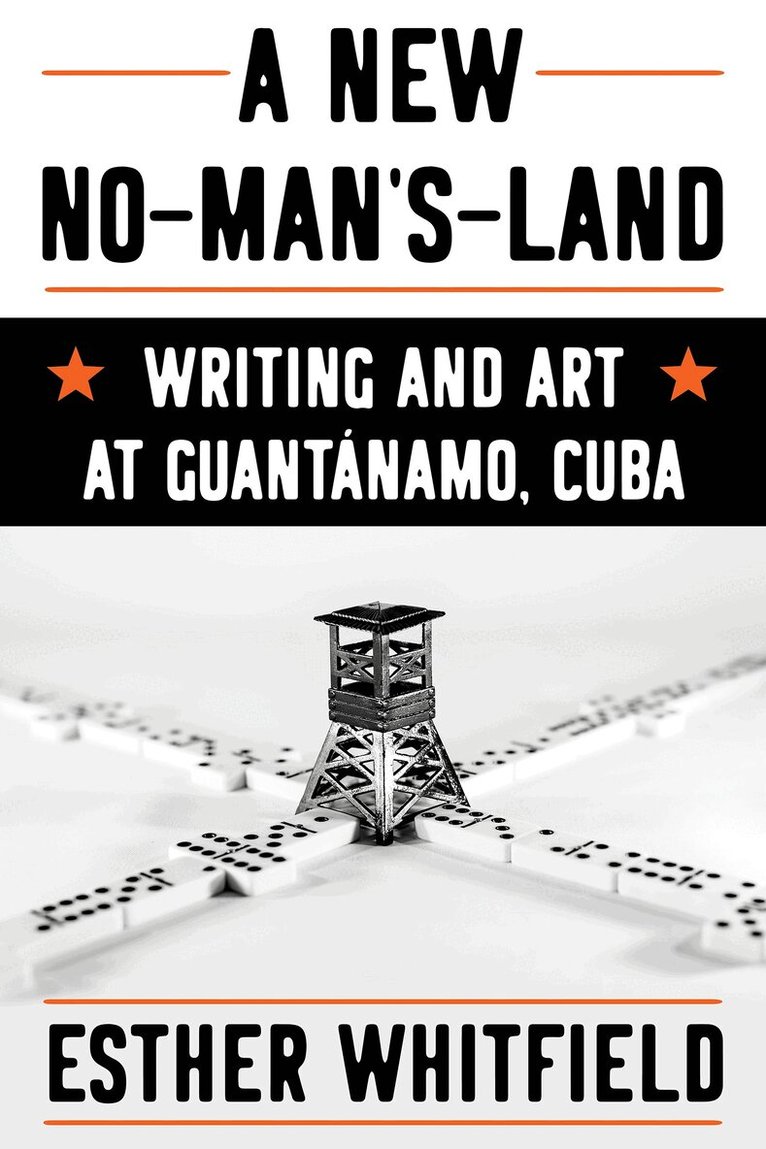
Guantánamo sits at the center of two of the most vexing issues of US policy of the past century: relations with Cuba and the Global War on Terror. It is a contested, extralegal space. In A New No-Man’s-Land, Esther Whitfield explores a multilingual archive of materials produced both at the US naval base and in neighboring Cuban communities and proposes an understanding of Guantánamo as a coherent borderland region, where experiences of isolation are opportunities to find common ground. She analyzes poetry, art, memoirs, and documentary films produced on both sides of the border. Authors and artists include prisoners, guards, linguists, chaplains, lawyers, and journalists, as well as Cuban artists and dissidents. Their work reveals surprising similarities: limited access to power and self-representation, mobility restricted by geography if not captivity, and immersion in political languages that have ascribed them rigid roles. Read together, the work of these disparate communities traces networks that extend among individuals in the Guantánamo region, inward to Cuba, and outward to the Caribbean, the Americas, Europe, and the Middle East.
431 kr
Skickas inom 7-10 vardagar
Guantánamo sits at the center of two of the most vexing issues of US policy of the past century: relations with Cuba and the Global War on Terror. It is a contested, extralegal space. In A New No-Man’s-Land, Esther Whitfield explores a multilingual archive of materials produced both at the US naval base and in neighboring Cuban communities and proposes an understanding of Guantánamo as a coherent borderland region, where experiences of isolation are opportunities to find common ground. She analyzes poetry, art, memoirs, and documentary films produced on both sides of the border. Authors and artists include prisoners, guards, linguists, chaplains, lawyers, and journalists, as well as Cuban artists and dissidents. Their work reveals surprising similarities: limited access to power and self-representation, mobility restricted by geography if not captivity, and immersion in political languages that have ascribed them rigid roles. Read together, the work of these disparate communities traces networks that extend among individuals in the Guantánamo region, inward to Cuba, and outward to the Caribbean, the Americas, Europe, and the Middle East.