Esyllt W. Jones – författare
Visar alla böcker från författaren Esyllt W. Jones. Handla med fri frakt och snabb leverans.
10 produkter
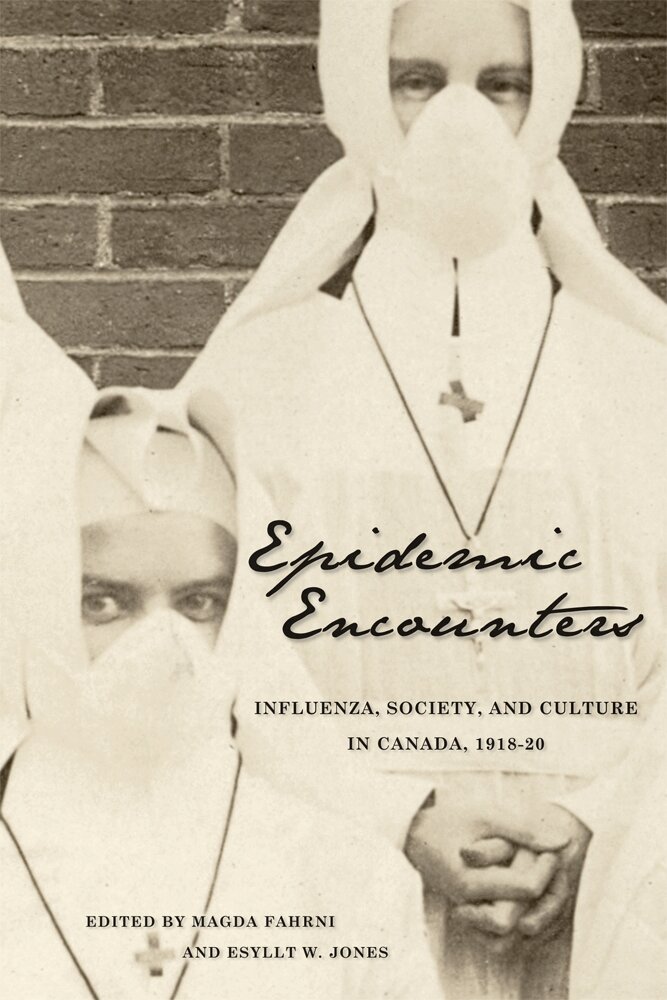
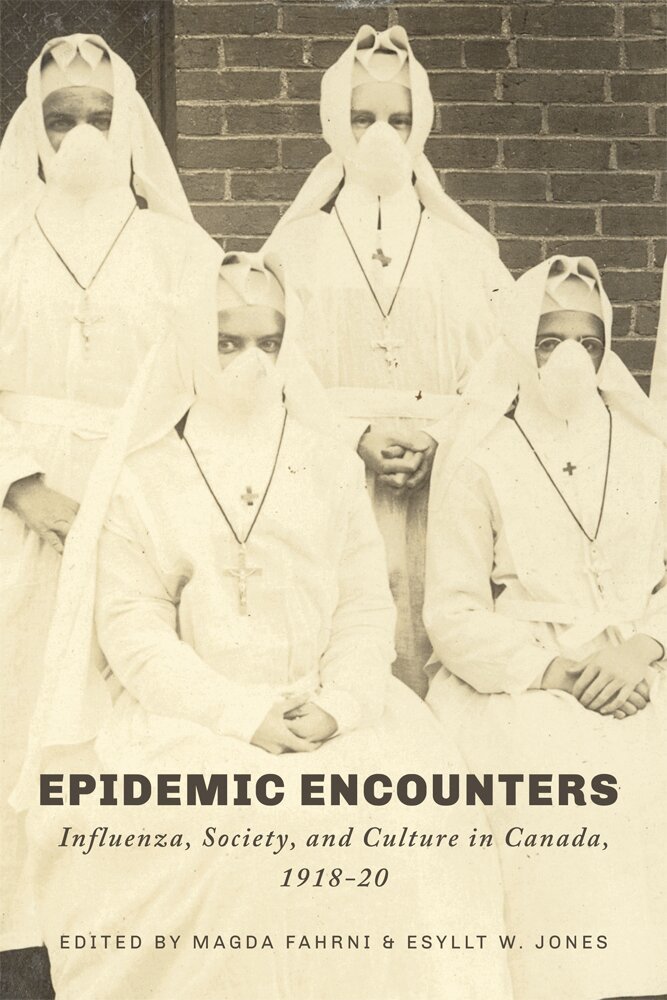
Epidemic Encounters
Influenza, Society, and Culture in Canada, 1918-20
Av Magda Fahrni, Esyllt W. Jones
Inbunden, 2012
1149 kr
Lägg i varukorg
Health crises such as the SARS epidemic and H1N1 have rekindled interest among historians, medical authorities, and government officials in the 1918 influenza pandemic, a crisis that swept the globe in the wake of the First World War and killed approximately 50 million people.Epidemic Encounters …
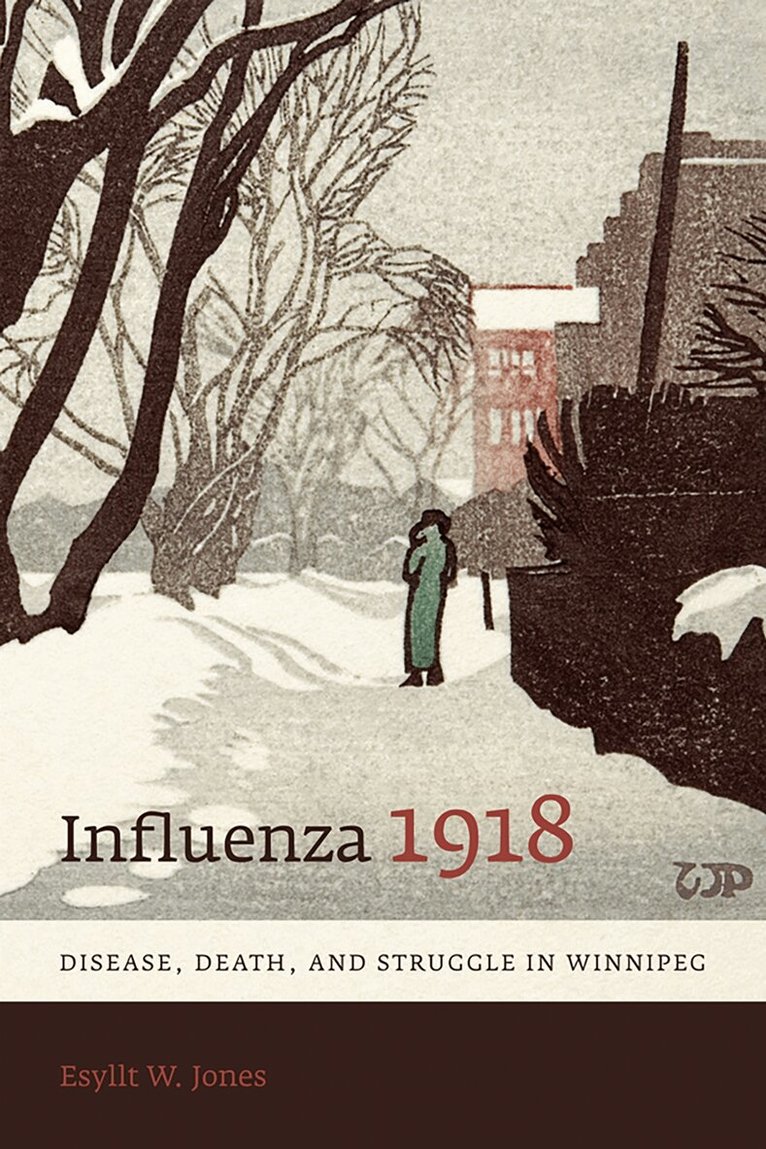
Influenza 1918
Disease, Death, and Struggle in Winnipeg
Häftad, 2007
441 kr
Lägg i varukorg
The influenza pandemic of 1918-1919 killed as many as fifty million people worldwide and affected the vast majority of Canadians. Yet the pandemic, which came and left in one season, never to recur in any significant way, has remained difficult to interpret. What did it mean to live through and …
Medicare's Histories
Origins, Omissions, and Opportunities in Canada
Av Esyllt W. Jones, James Hanley m. fl.
Häftad, 2022
353 kr
Lägg i varukorg
Medicare's Histories
Origins, Omissions, and Opportunities in Canada
Av Esyllt W. Jones, James Hanley m. fl.
Inbunden, 2022
823 kr
Lägg i varukorg
Influenza 1918
Disease, Death, and Struggle in Winnipeg
E-bok, 2007
571 kr
Lägg i varukorg
The influenza pandemic of 1918-1919 killed as many as fifty million people worldwide and affected the vast majority of Canadians. Yet the pandemic, which came and left in one season, never to recur in any significant way, has remained difficult to interpret. What did it mean to live through and …
Influenza 1918
Disease, Death, and Struggle in Winnipeg
E-bok, 2007
571 kr
Lägg i varukorg
The influenza pandemic of 1918-1919 killed as many as fifty million people worldwide and affected the vast majority of Canadians. Yet the pandemic, which came and left in one season, never to recur in any significant way, has remained difficult to interpret. What did it mean to live through and …
Epidemic Encounters
Influenza, Society, and Culture in Canada, 1918-20
Av Magda Fahrni, Esyllt W. Jones
Häftad, 2013
426 kr
Tillfälligt slut
Health crises such as the SARS epidemic and H1N1 have rekindled interest among historians, medical authorities, and government officials in the 1918 influenza pandemic, a crisis that swept the globe in the wake of the First World War and killed approximately 50 million people.Epidemic Encounters …
Influenza 1918
Disease, Death, and Struggle in Winnipeg
Inbunden, 2007
889 kr
Tillfälligt slut
The influenza pandemic of 1918-1919 killed as many as fifty million people worldwide and affected the vast majority of Canadians. Yet the pandemic, which came and left in one season, never to recur in any significant way, has remained difficult to interpret. What did it mean to live through and …
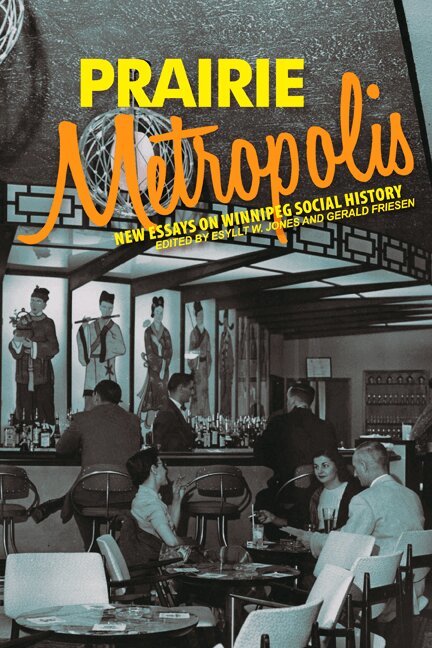
Prairie Metropolis
New Essays on Winnipeg Social History
Av Esyllt W. Jones, Gerald Friesen
Häftad, 2009
396 kr
Tillfälligt slut
Place and Replace
Essays on Western Canada
Av Adele Perry, Esyllt W. Jones m. fl.
Häftad, 2013
396 kr
Tillfälligt slut