Magda Fahrni – författare
Visar alla böcker från författaren Magda Fahrni. Handla med fri frakt och snabb leverans.
8 produkter
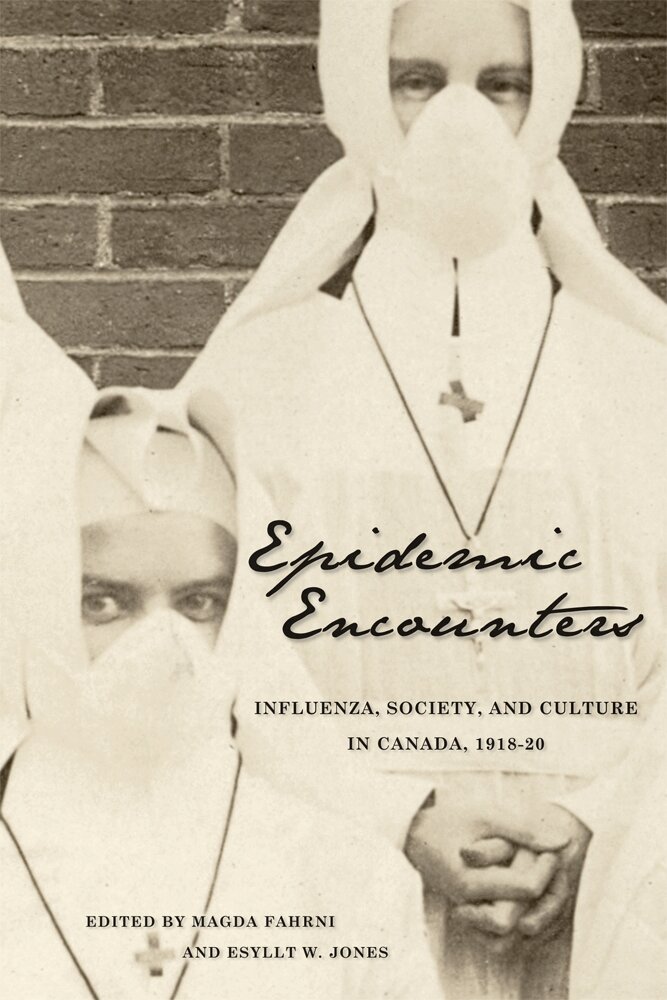
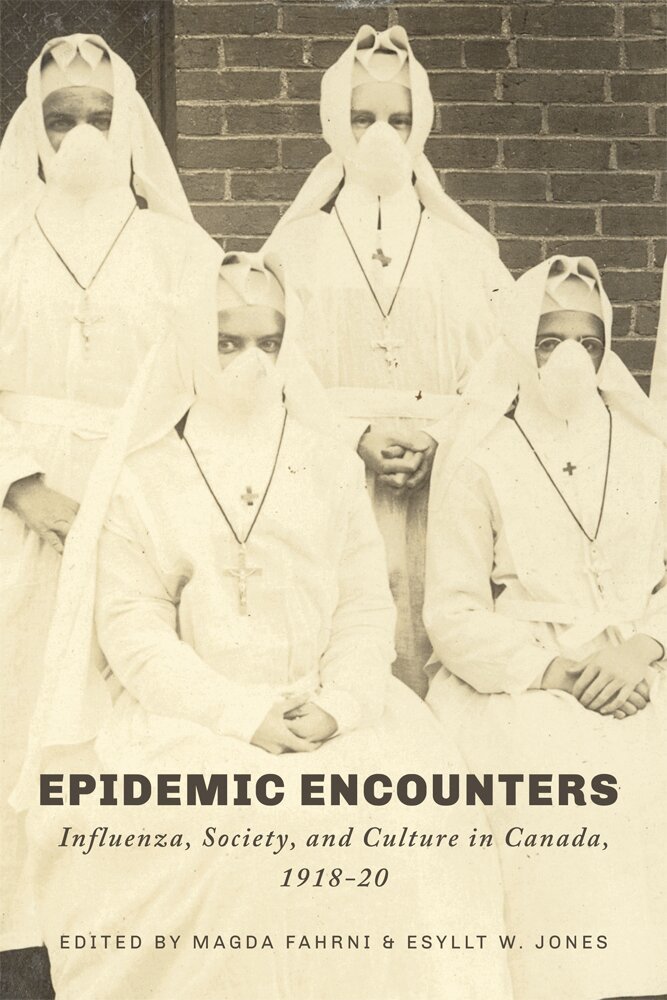
Epidemic Encounters
Influenza, Society, and Culture in Canada, 1918-20
Av Magda Fahrni, Esyllt W. Jones
Inbunden, 2012
1145 kr
Lägg i varukorg
Health crises such as the SARS epidemic and H1N1 have rekindled interest among historians, medical authorities, and government officials in the 1918 influenza pandemic, a crisis that swept the globe in the wake of the First World War and killed approximately 50 million people.Epidemic Encounters …
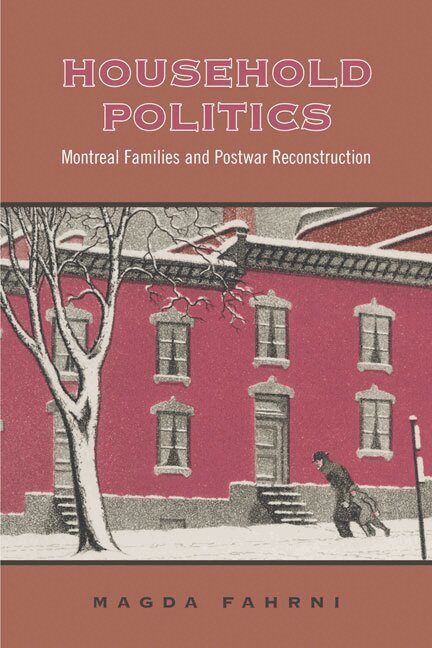
Household Politics
Montreal Families and Postwar Reconstruction
Av Magda Fahrni
Häftad, 2005
484 kr
Lägg i varukorg
The reconstruction of Canadian society in the wake of the Second World War had an enormous impact on all aspects of public and private life. For families in Montreal, reconstruction plans included a stable home life hinged on social and economic security, female suffrage, welfare-state measures, …
Household Politics
Montreal Families and Postwar Reconstruction
Av Magda Fahrni
E-bok, 2005
554 kr
Lägg i varukorg
The reconstruction of Canadian society in the wake of the Second World War had an enormous impact on all aspects of public and private life. For families in Montreal, reconstruction plans included a stable home life hinged on social and economic security, female suffrage, welfare-state measures, …
Household Politics
Montreal Families and Postwar Reconstruction
Av Magda Fahrni
E-bok, 2005
604 kr
Lägg i varukorg
The reconstruction of Canadian society in the wake of the Second World War had an enormous impact on all aspects of public and private life. For families in Montreal, reconstruction plans included a stable home life hinged on social and economic security, female suffrage, welfare-state measures, …
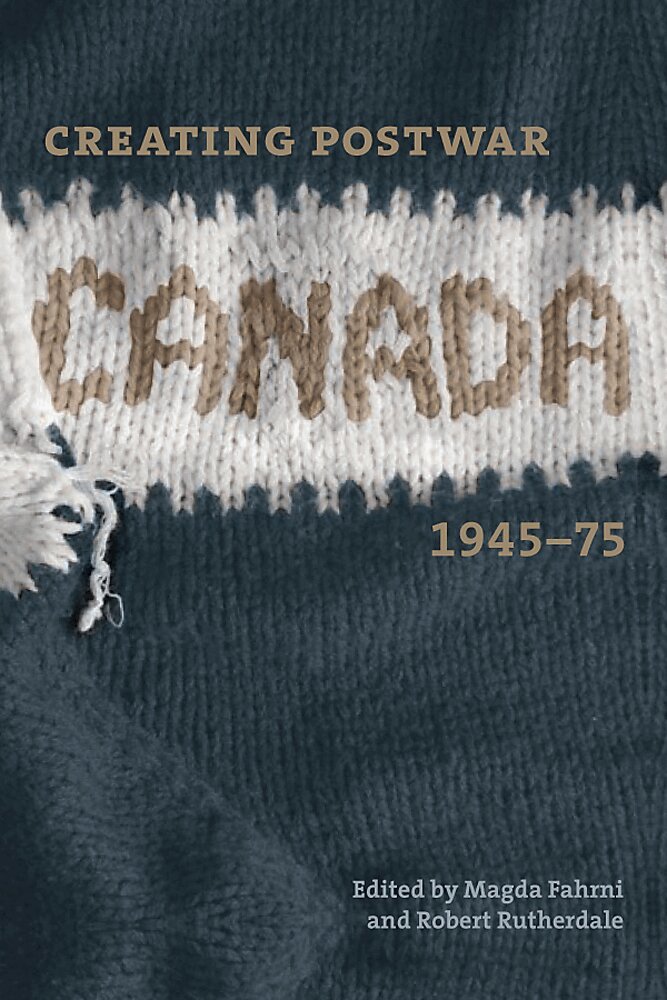
Creating Postwar Canada
Community, Diversity, and Dissent, 1945-75
Av Magda Fahrni, Robert Rutherdale
Inbunden, 2007
1217 kr
Tillfälligt slut
Creating Postwar Canada showcases new research on this complex period, exploring postwar Canada's diverse symbols and battlegrounds. Contributors to the first half of the collection consider evolving definitions of the nation, examining the ways in which Canada was reimagined to include both the …
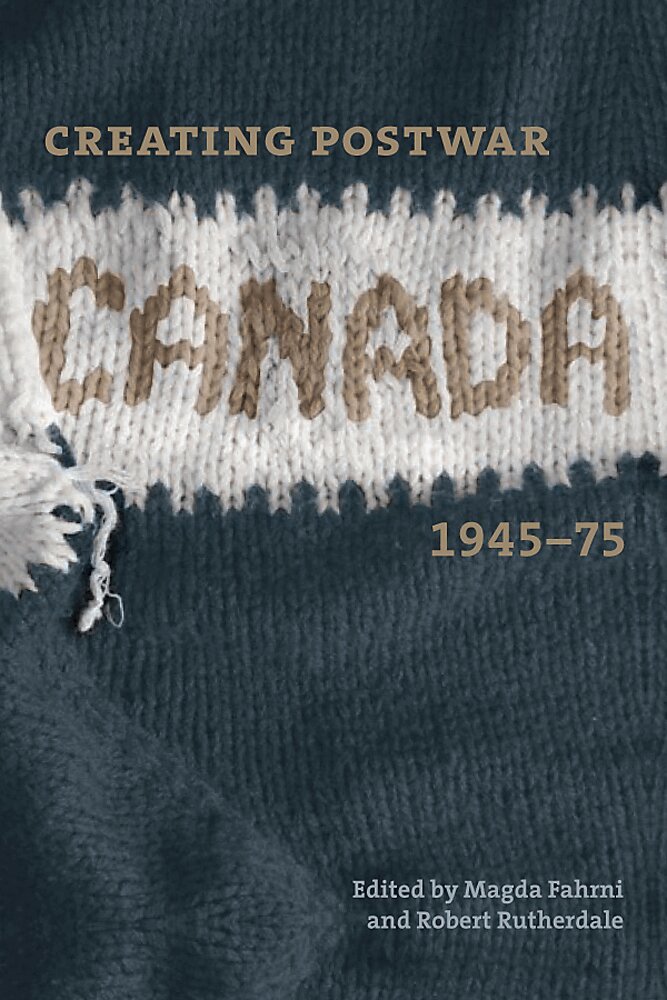
Creating Postwar Canada
Community, Diversity, and Dissent, 1945-75
Av Magda Fahrni, Robert Rutherdale
Häftad, 2008
426 kr
Tillfälligt slut
Creating Postwar Canada showcases new research on this complex period, exploring postwar Canada's diverse symbols and battlegrounds. Contributors to the first half of the collection consider evolving definitions of the nation, examining the ways in which Canada was reimagined to include both the …
Epidemic Encounters
Influenza, Society, and Culture in Canada, 1918-20
Av Magda Fahrni, Esyllt W. Jones
Häftad, 2013
426 kr
Tillfälligt slut
Health crises such as the SARS epidemic and H1N1 have rekindled interest among historians, medical authorities, and government officials in the 1918 influenza pandemic, a crisis that swept the globe in the wake of the First World War and killed approximately 50 million people.Epidemic Encounters …
Household Politics
Montreal Families and Postwar Reconstruction
Av Magda Fahrni
Inbunden, 2005
915 kr
Tillfälligt slut
The reconstruction of Canadian society in the wake of the Second World War had an enormous impact on all aspects of public and private life. For families in Montreal, reconstruction plans included a stable home life hinged on social and economic security, female suffrage, welfare-state measures, …