Eugene Rabkin – författare
Visar alla böcker från författaren Eugene Rabkin. Handla med fri frakt och snabb leverans.
2 produkter
2 produkter
582 kr
Skickas inom 7-10 vardagar
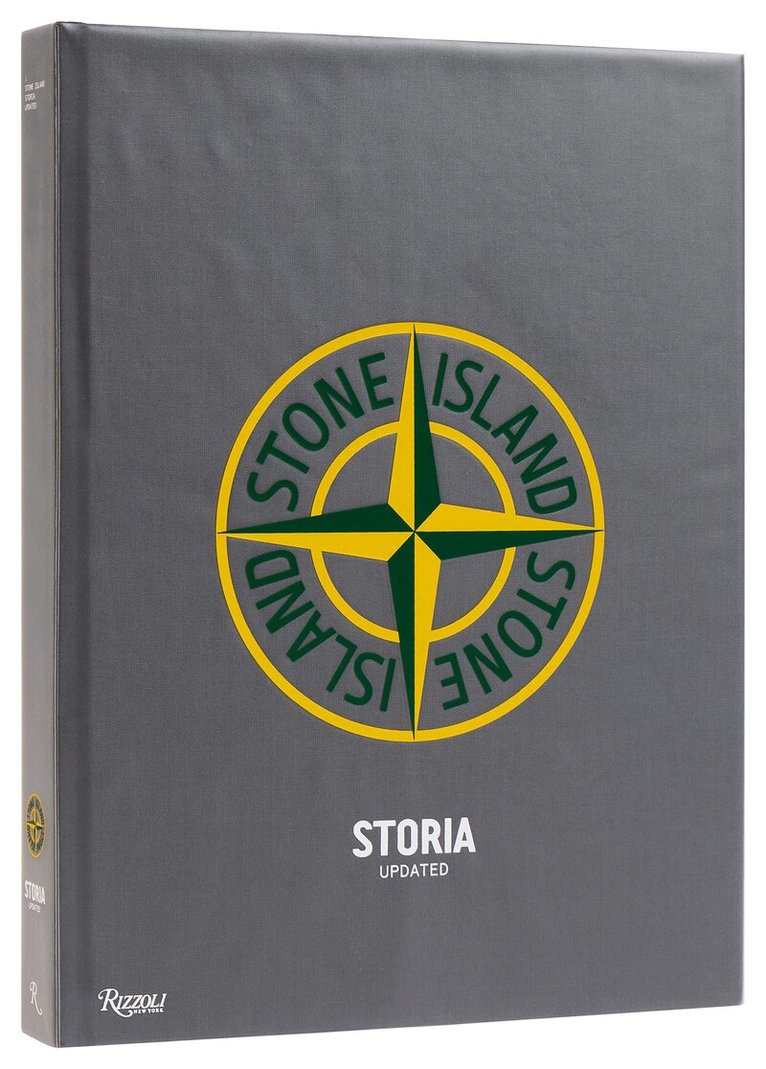
In the world where brands take from the culture, through its four-decade existence Stone Island has been contributing to it. The long roster of its celebrity fans includes Oasis frontman Liam Gallagher, rappers Drake and Travis Scott, and football guru Pep Guardiola. But it s not the celebrity nod that has made Stone Island a cultural cornerstone; it was the brand s ardent everyday fans who have always appreciated its mix of performance and toughness. At the center of Stone Island s success lies its relentless pursuit of excellence in design, and uncompromising spirit of experimentation with fabric treatment and dyeing techniques. This product-oriented stance has secured the brand s unique place outside of fashion s hierarchy. This definitive monograph captures the story of Stone Island, combining its history and ethos into one definitive source. With never-before-seen images and three major texts capturing the brand s story, it will surely delight the brand s diehard fans as well as those who are new to the world of Stone Island.
163 kr
Kommande
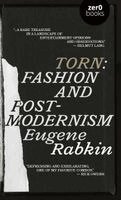
Since the beginning of the twenty-first century, fashion has undergone a paradoxical shift: it has grown creatively impoverished despite becoming more culturally relevant. Increasingly, the industry s output feels listless, unexciting, like a pastiche of past styles, not genuine innovation. What caused this? How did fashion design get reduced to logoed merch? Why does spectacle outweigh reality? How did business priorities come to eclipse creativity? Eugene Rabkin founder of StyleZeitgeist magazine and noted fashion journalist, lecturer, and critic whose work has appeared in The New York Times, The Financial Times, and The Business of Fashion offers an unflinching answer. Torn: Fashion and Postmodernism examines how the postmodern turn, with its dismantling of hierarchies and embracing of commerciality, its democratization of taste and reliance on irony and poptimism, has undermined fashion. Across ten incisive chapters, these pages trace the industry s journey from an era that produced Alexander McQueen s theatrical genius, Helmut Lang s modernism, and Martin Margiela s conceptual rigor to an era dominated by corporations and celebrities. Along the way, Rabkin shows how the image is decoupled from its substance, how commerce has overridden editorial authority, and how fashion s relationship with the arts has shifted from symbiotic to parasitic.