Eugene Raikhel - Böcker
Visar alla böcker från författaren Eugene Raikhel. Handla med fri frakt och snabb leverans.
6 produkter
6 produkter
624 kr
Skickas inom 3-6 vardagar
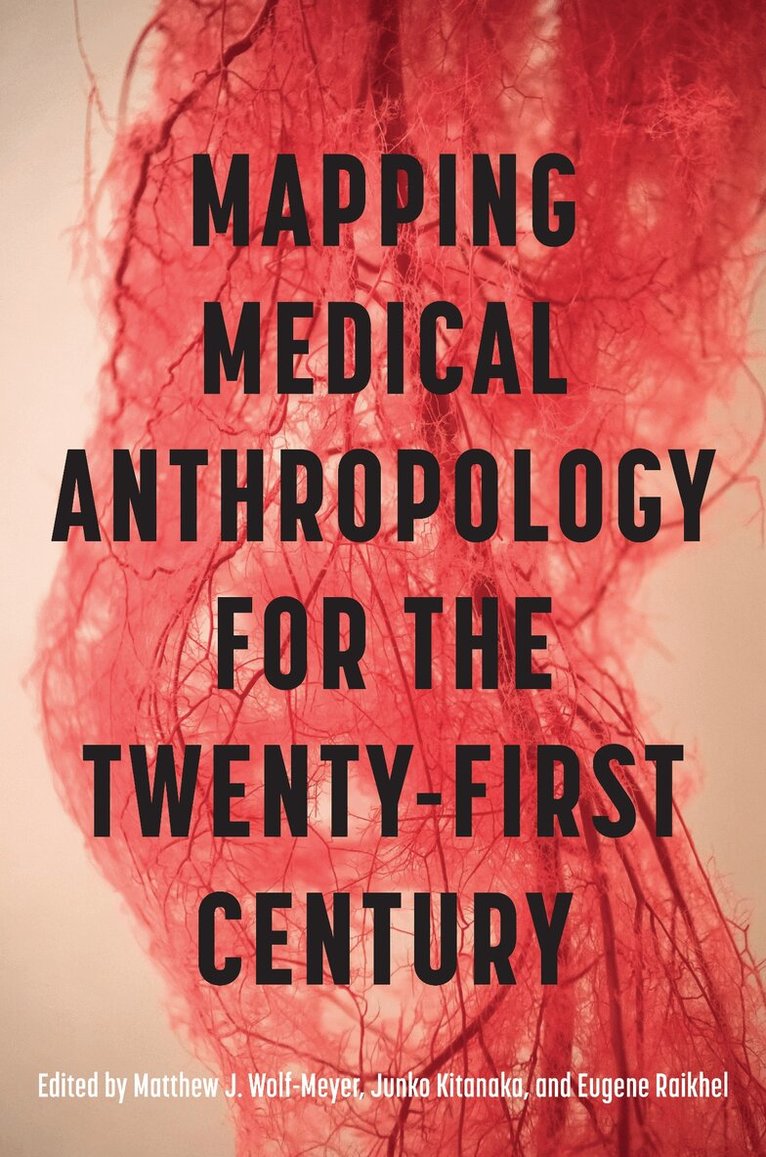
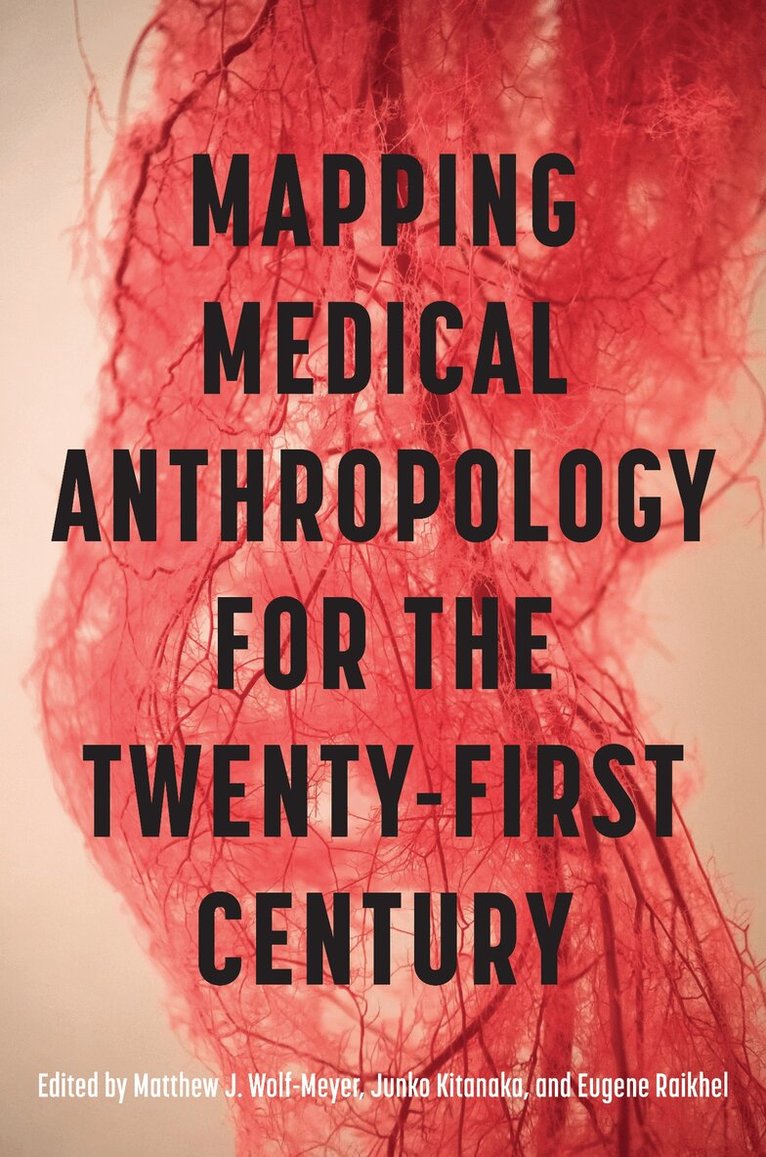
Mapping Medical Anthropology for the Twenty-First Century provides readers with a comprehensive survey of topics, methodologies, and theories in the discipline, drawing on contributions from leading anthropologists around the world. As a discipline, medical anthropology provides situational analysis of health, disease, and disability to show how the experiences of medical experts, patients, and their broader communities are informed by their social and cultural contexts. Adopting a keywords-driven approach, Mapping Medical Anthropology for the Twenty-First Century provides readers with an introduction to the concepts and approaches that have animated medical anthropology over the course of the twentieth century. Authors put these keywords into dialogue with their ethnographic and archival research to demonstrate how these concepts can be expanded to address contemporary phenomena related to health, disease, and disability. Mapping Medical for the Twenty-First Century provides newcomers to medical anthropology with a robust introduction to the discipline, while providing experienced readers a set of chapters that explore the discipline in novel and exciting ways.
1 243 kr
Skickas inom 7-10 vardagar
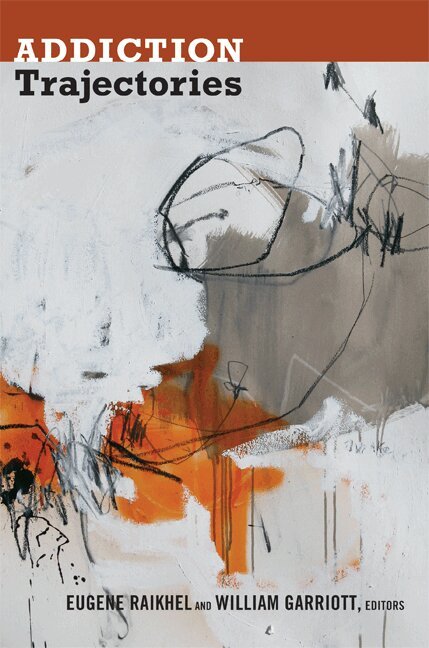
Bringing anthropological perspectives to bear on addiction, the contributors to this important collection highlight the contingency of addiction as a category of human knowledge and experience. Based on ethnographic research conducted in sites from alcohol treatment clinics in Russia to Pentecostal addiction ministries in Puerto Rico, the essays are linked by the contributors' attention to the dynamics-including the cultural, scientific, legal, religious, personal, and social-that shape the meaning of "addiction" in particular settings. They examine how it is understood and experienced among professionals working in the criminal justice system of a rural West Virginia community; Hispano residents of New Mexico's Espanola Valley, where the rate of heroin overdose is among the highest in the United States; homeless women participating in an outpatient addiction therapy program in the Midwest; machine-gaming addicts in Las Vegas, and many others. The collection's editors suggest "addiction trajectories" as a useful rubric for analyzing the changing meanings of addiction across time, place, institutions, and individual lives. Pursuing three primary trajectories, the contributors show how addiction comes into being as an object of knowledge, a site of therapeutic intervention, and a source of subjective experience.Contributors. Nancy D. Campbell, E. Summerson Carr, Angela Garcia, William Garriott, Helena Hansen, Anne M. Lovell, Emily Martin, Todd Meyers, Eugene Raikhel, A. Jamie Saris, Natasha Dow SchÜll
415 kr
Skickas inom 7-10 vardagar
Bringing anthropological perspectives to bear on addiction, the contributors to this important collection highlight the contingency of addiction as a category of human knowledge and experience. Based on ethnographic research conducted in sites from alcohol treatment clinics in Russia to Pentecostal addiction ministries in Puerto Rico, the essays are linked by the contributors' attention to the dynamics-including the cultural, scientific, legal, religious, personal, and social-that shape the meaning of "addiction" in particular settings. They examine how it is understood and experienced among professionals working in the criminal justice system of a rural West Virginia community; Hispano residents of New Mexico's Espanola Valley, where the rate of heroin overdose is among the highest in the United States; homeless women participating in an outpatient addiction therapy program in the Midwest; machine-gaming addicts in Las Vegas, and many others. The collection's editors suggest "addiction trajectories" as a useful rubric for analyzing the changing meanings of addiction across time, place, institutions, and individual lives. Pursuing three primary trajectories, the contributors show how addiction comes into being as an object of knowledge, a site of therapeutic intervention, and a source of subjective experience.Contributors. Nancy D. Campbell, E. Summerson Carr, Angela Garcia, William Garriott, Helena Hansen, Anne M. Lovell, Emily Martin, Todd Meyers, Eugene Raikhel, A. Jamie Saris, Natasha Dow SchÜll
1 381 kr
Skickas inom 10-15 vardagar
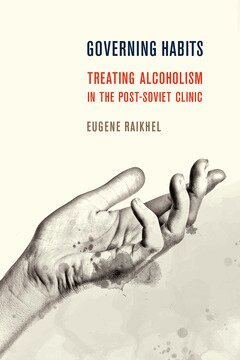
Critics of narcology—as addiction medicine is called in Russia—decry it as being "backward," hopelessly behind contemporary global medical practices in relation to addiction and substance abuse, and assume that its practitioners lack both professionalism and expertise. On the basis of his research in a range of clinical institutions managing substance abuse in St. Petersburg, Eugene Raikhel increasingly came to understand that these assumptions and critiques obscured more than they revealed. Governing Habits is an ethnography of extraordinary sensitivity and awareness that shows how therapeutic practice and expertise is expressed in the highly specific, yet rapidly transforming milieu of hospitals, clinics, and rehabilitation centers in post Soviet Russia. Rather than interpreting narcology as a Soviet survival or a local clinical world on the wane in the face of globalizing evidence-based medicine, Raikhel examines the transformation of the medical management of alcoholism in Russia over the past twenty years.Raikhel's book is more than a story about the treatment of alcoholism. It is also a gripping analysis of the many cultural, institutional, political, and social transformations taking place in the postSoviet world, particularly in Putin's Russia. Governing Habits will appeal to a wide range of readers, from medical anthropologists, clinicians, to scholars of post-Soviet Russia, to students of institutions and organizational change, to those interested in therapies and treatments of substance abuse, addiction, and alcoholism.
419 kr
Skickas inom 10-15 vardagar
Critics of narcology—as addiction medicine is called in Russia—decry it as being "backward," hopelessly behind contemporary global medical practices in relation to addiction and substance abuse, and assume that its practitioners lack both professionalism and expertise. On the basis of his research in a range of clinical institutions managing substance abuse in St. Petersburg, Eugene Raikhel increasingly came to understand that these assumptions and critiques obscured more than they revealed. Governing Habits is an ethnography of extraordinary sensitivity and awareness that shows how therapeutic practice and expertise is expressed in the highly specific, yet rapidly transforming milieu of hospitals, clinics, and rehabilitation centers in post Soviet Russia. Rather than interpreting narcology as a Soviet survival or a local clinical world on the wane in the face of globalizing evidence-based medicine, Raikhel examines the transformation of the medical management of alcoholism in Russia over the past twenty years.Raikhel's book is more than a story about the treatment of alcoholism. It is also a gripping analysis of the many cultural, institutional, political, and social transformations taking place in the postSoviet world, particularly in Putin's Russia. Governing Habits will appeal to a wide range of readers, from medical anthropologists, clinicians, to scholars of post-Soviet Russia, to students of institutions and organizational change, to those interested in therapies and treatments of substance abuse, addiction, and alcoholism.
1 459 kr
Kommande
Mapping Medical Anthropology for the Twenty-First Century provides readers with a comprehensive survey of topics, methodologies, and theories in the discipline, drawing on contributions from leading anthropologists around the world. As a discipline, medical anthropology provides situational analysis of health, disease, and disability to show how the experiences of medical experts, patients, and their broader communities are informed by their social and cultural contexts. Adopting a keywords-driven approach, Mapping Medical Anthropology for the Twenty-First Century provides readers with an introduction to the concepts and approaches that have animated medical anthropology over the course of the twentieth century. Authors put these keywords into dialogue with their ethnographic and archival research to demonstrate how these concepts can be expanded to address contemporary phenomena related to health, disease, and disability. Mapping Medical for the Twenty-First Century provides newcomers to medical anthropology with a robust introduction to the discipline, while providing experienced readers a set of chapters that explore the discipline in novel and exciting ways.