Eva Kassens-Noor – författare
Visar alla böcker från författaren Eva Kassens-Noor. Handla med fri frakt och snabb leverans.
9 produkter
Planning Olympic Legacies
Transport Dreams and Urban Realities
Inbunden, 2012
2736 kr
Lägg i varukorg
When a city wins the right to hold the Olympics, one of the oft cited advantages to the region is the catalytic effect upon the urban and transport projects of the host cities. However, with unparalleled access to documents and records, Eva Kassens-Noor questions and challenges this fundamental …
Planning Olympic Legacies
Transport Dreams and Urban Realities
Häftad, 2012
791 kr
Lägg i varukorg
When a city wins the right to hold the Olympics, one of the oft cited advantages to the region is the catalytic effect upon the urban and transport projects of the host cities. However, with unparalleled access to documents and records, Eva Kassens-Noor questions and challenges this fundamental …
Planning Olympic Legacies
Transport Dreams and Urban Realities
E-bok, 2012
935 kr
Lägg i varukorg
When a city wins the right to hold the Olympics, one of the oft cited advantages to the region is the catalytic effect upon the urban and transport projects of the host cities. However, with unparalleled access to documents and records, Eva Kassens-Noor questions and challenges this fundamental …
Planning Olympic Legacies
Transport Dreams and Urban Realities
E-bok, 2012
915 kr
Lägg i varukorg
When a city wins the right to hold the Olympics, one of the oft cited advantages to the region is the catalytic effect upon the urban and transport projects of the host cities. However, with unparalleled access to documents and records, Eva Kassens-Noor questions and challenges this fundamental …
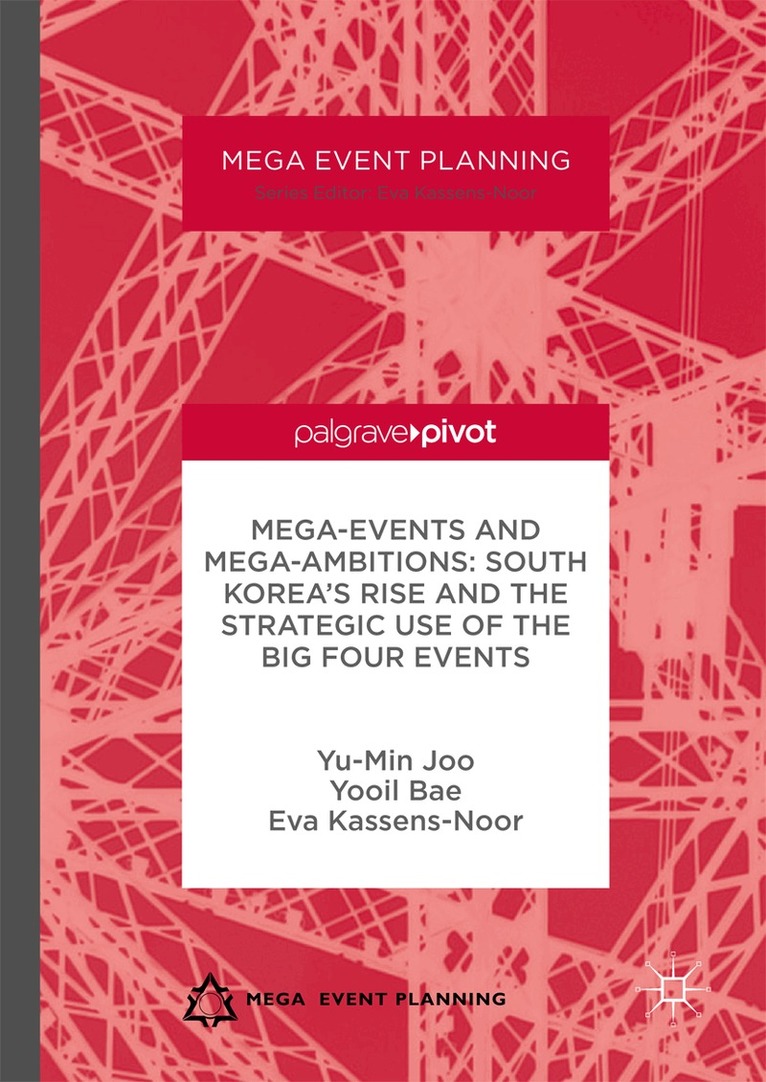
Mega-Events and Mega-Ambitions: South Korea’s Rise and the Strategic Use of the Big Four Events
Av Yu-Min Joo, Yooil Bae m. fl.
Inbunden, 2017
551 kr
Lägg i varukorg
This book provides a holistic analysis of South Korea’s strategic use of mega-events in its modern development. It examines the Summer Olympics (1988), the World Expo (1993), the FIFA World Cup (2002), and the Winter Olympics (2018) over the past 30 years of the country’s rapid growth, and across …
Mega-Events and Mega-Ambitions: South Korea's Rise and the Strategic Use of the Big Four Events
Av Eva Kassens-Noor, Yooil Bae m. fl.
E-bok, 2017
762 kr
Lägg i varukorg
This book provides a holistic analysis of South Korea’s strategic use of mega-events in its modern development. It examines the Summer Olympics (1988), the World Expo (1993), the FIFA World Cup (2002), and the Winter Olympics (2018) over the past 30 years of the country’s rapid growth, and across …
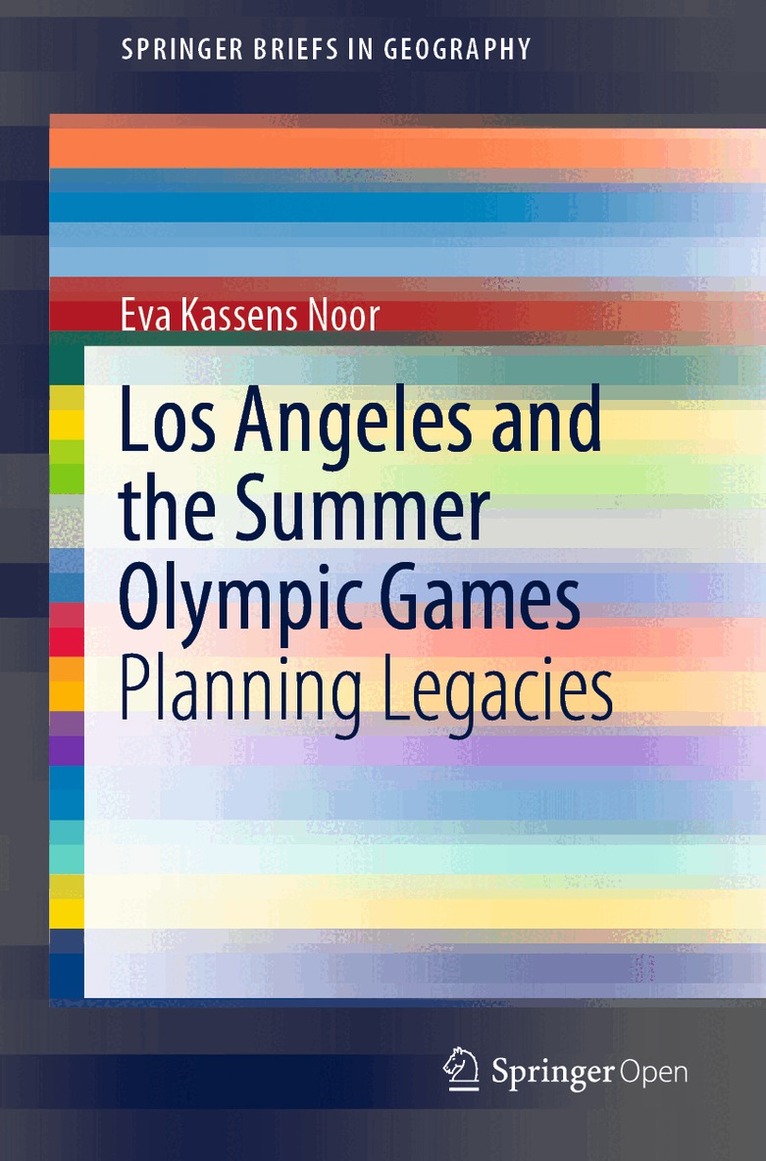
Los Angeles and the Summer Olympic Games
Planning Legacies
Häftad, 2020
551 kr
Lägg i varukorg
This open access book describes the three planning approaches and legacy impacts for the Olympic Games in one locale: the city of Los Angeles, USA. The author critically compares the similarities and differences of the LA Olympics by reviewing the 1932 and 1984 Olympics and by analyzing the …