Eva Michaels - Böcker
Visar alla böcker från författaren Eva Michaels. Handla med fri frakt och snabb leverans.
2 produkter
2 produkter
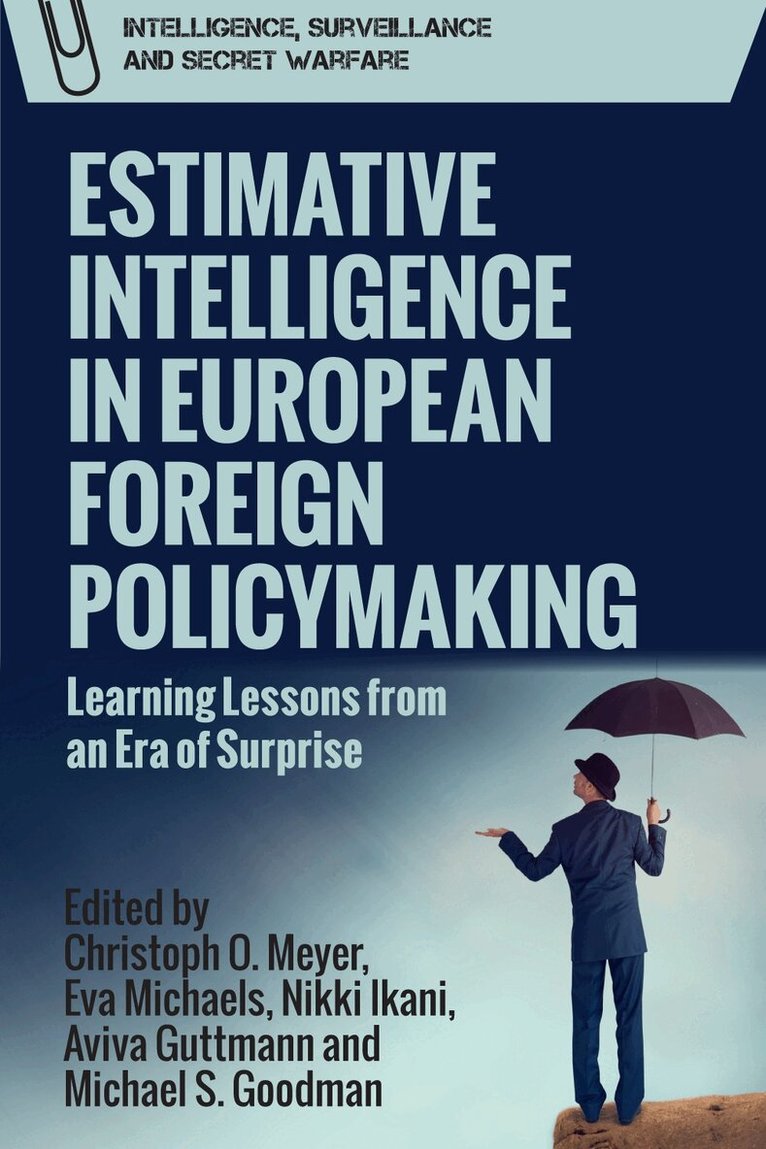
Estimative Intelligence in European Foreign Policymaking
Learning Lessons from an Era of Surprise
Inbunden, Engelska, 2022
1 817 kr
Skickas inom 3-6 vardagar
This book develops a new framework for conducting postmortems guided by a normative model of anticipatory foreign policy. It is the first assessment of the performance of three leading European polities in providing estimative intelligence during an era of surprise. The comparative analysis focuses on how the UK, the EU and Germany handled three cases of major surprises: the Arab uprisings, the rise to power of the Islamic State (ISIS), and the Russian annexation of Crimea. It considers government intelligence assessments, diplomatic reporting and expert open sources, and how organisational leaders received these assessments. The book tests and develops new theories about the causes of strategic surprises, going beyond a common focus on intelligence versus policy failures to identify challenges and factors that cut across analyst and decision-maker communities. Drawing on insights and chapters provided by former senior officials, the book identifies lessons to learn from European polities to better anticipate and prepare for future surprises.
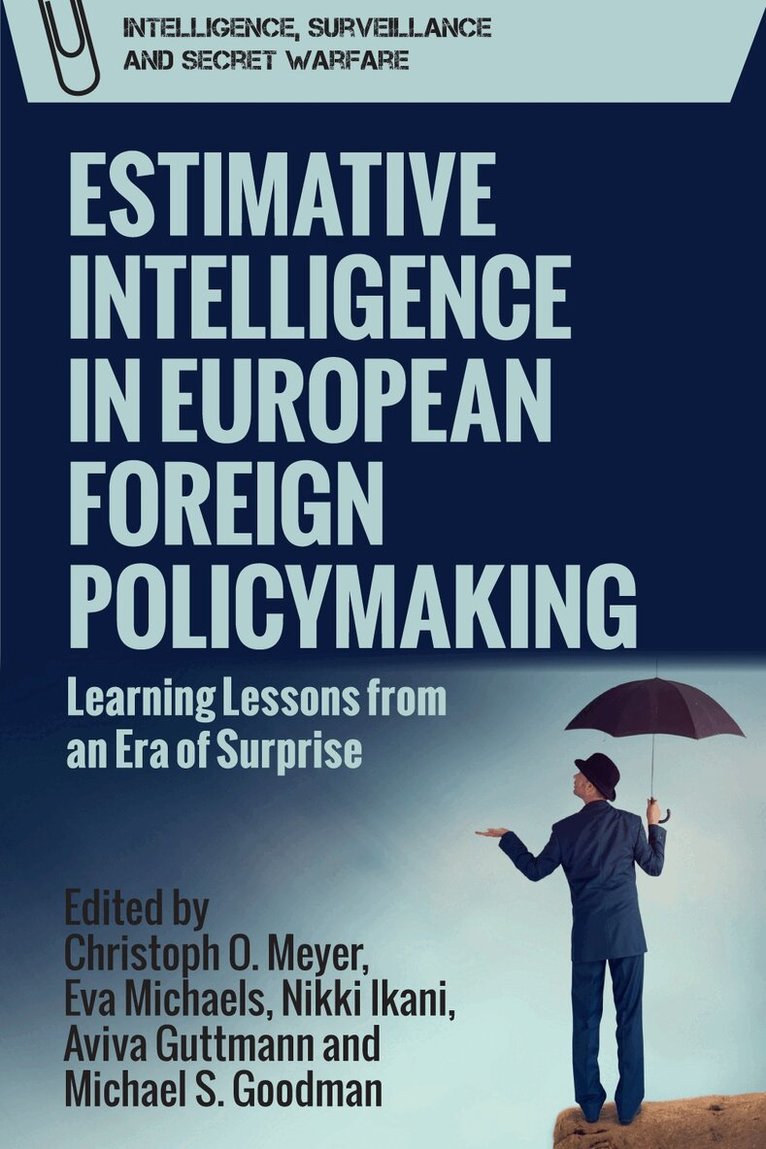
Estimative Intelligence in European Foreign Policymaking
Learning Lessons from an Era of Surprise
Häftad, Engelska, 2024
552 kr
Skickas inom 3-6 vardagar
This book provides the first assessment of the performance of three leading European polities in providing estimative intelligence during an era of surprise. It develops a new framework for conducting postmortems guided by a normative model of anticipatory foreign policy. The comparative analysis focuses on how the UK, the EU and Germany handled three cases of major surprises: the Arab uprisings, the rise to power of the Islamic State (ISIS), and the Russian annexation of Crimea. It considers not just government intelligence assessments, but also diplomatic reporting and expert open sources and how these assessments were received by organisational leaders. The book tests and develops new theories about the causes of strategic surprises, going beyond a common focus on intelligence versus policy failures to identify challenges and factors that cut across both communities. With the help of former senior officials, the book identifies lessons yet to be learnt by European polities to better anticipate and prepare for future surprises.