Eva Plach - Böcker
Visar alla böcker från författaren Eva Plach. Handla med fri frakt och snabb leverans.
3 produkter
3 produkter
319 kr
Skickas inom 7-10 vardagar
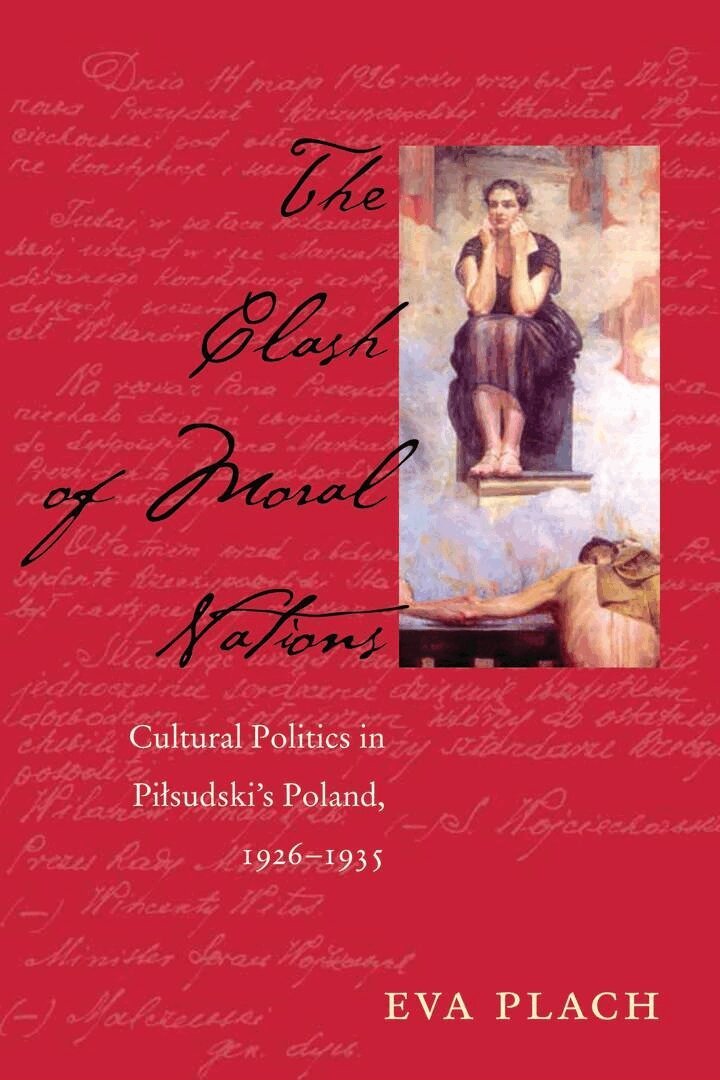
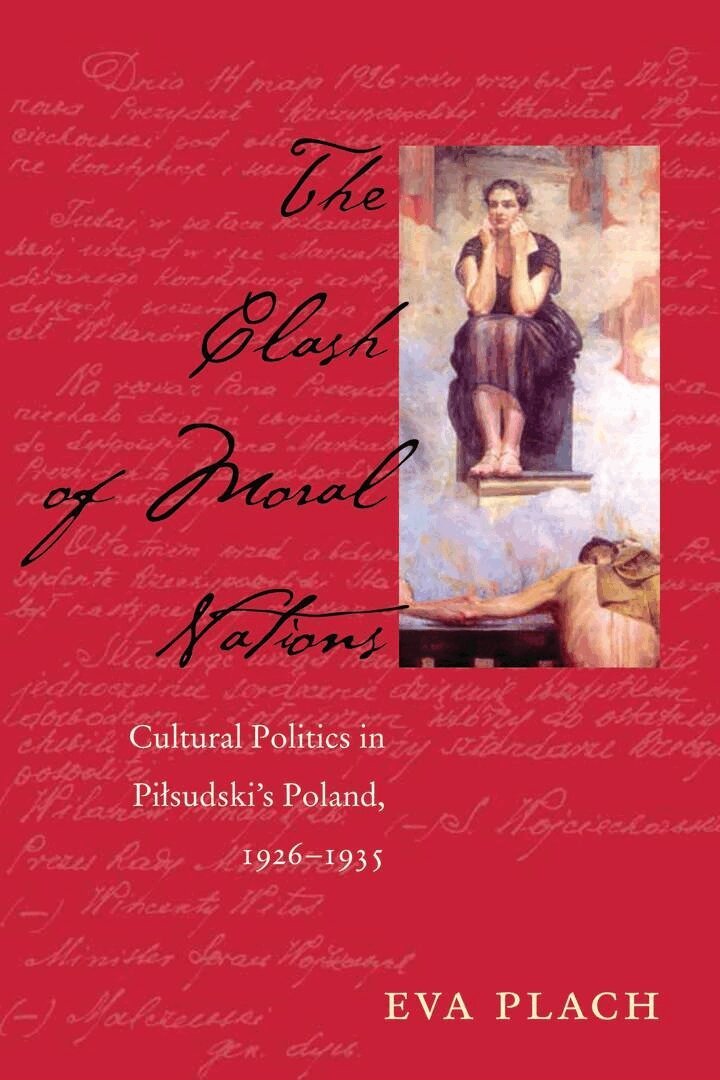
The May 1926 coup d'état in Poland inaugurated what has become known as the period of sanacja or "cleansing." The event has been explored in terms of the impact that it had on state structures and political styles. But for both supporters and opponents of the post-May regime, the sanacja was a catalyst for debate about Polish national identity, about citizenship and responsibility to the nation, and about postwar sexual morality and modern gender identities.The Clash of Moral Nations is a study of the political culture of interwar Poland, as reflected in and by the coup. Eva Plach shifts the focus from strictly political contexts and examines instead the sanacja's open-ended and malleable language of purification, rebirth, and moral regeneration.In tracking the diverse appropriations and manipulations of the sanacja concept, Plach relies on a wide variety of texts, including the press of the period, the personal and professional papers of notable interwar women activists, and the official records of pro-sanacja organizations, such as the Women's Union for Citizenship Work.The Clash of Moral Nations introduces an important cultural and gendered dimension to understandings of national and political identity in interwar Poland.
Relief on the Hoof
The Seagoing Cowboys, the Heifer Project, and UNRRA in Poland
Inbunden, Engelska, 2025
1 558 kr
Skickas inom 10-15 vardagar
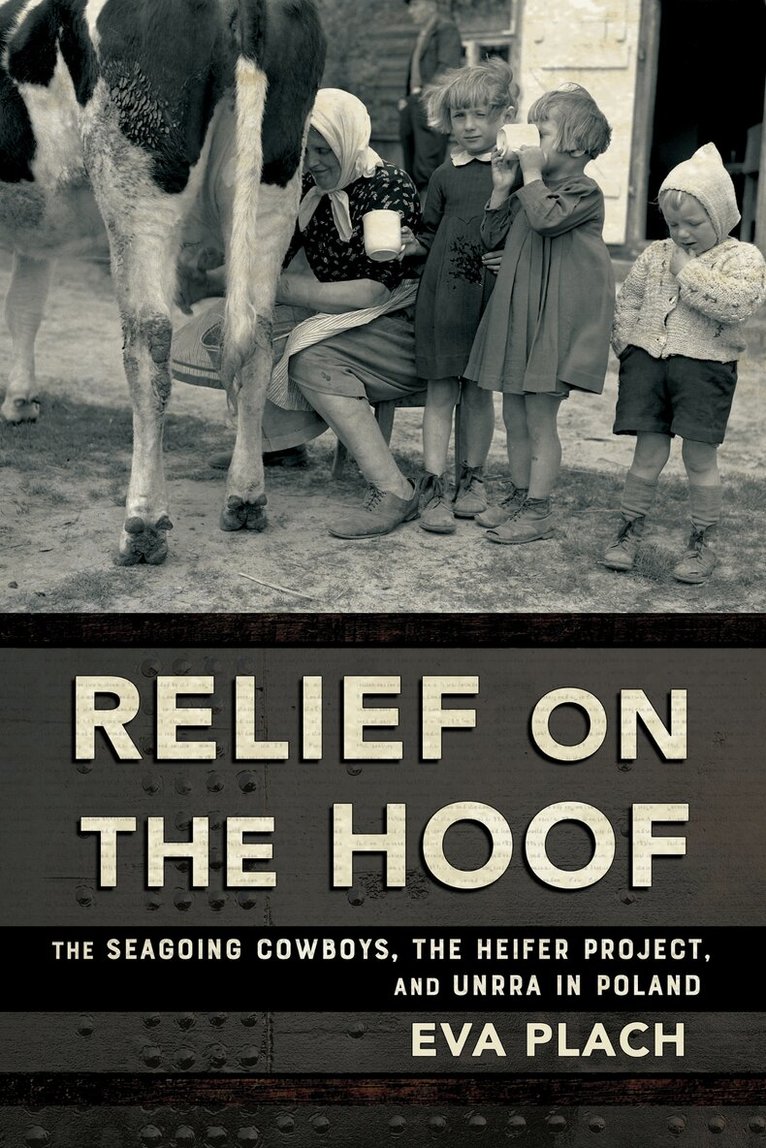
Relief on the Hoof is about the thousands of horses and cattle that the United Nations Relief and Rehabilitation Administration (UNRRA) shipped as humanitarian aid in the immediate aftermath of WWII and about the "seagoing cowboys" who cared for the animals during their trans-Atlantic journeys. UNRRA contracted the Church of the Brethren to recruit almost 7,000 men to do this work, and in exchange provided free passage on its ships to the cattle that were part of the Brethren's own humanitarian initiative, the Heifer Project. The Heifer Project emerged from a conviction that cows and their milk offered the best value as relief commodities. As Eva Plach shows, both UNRRA's animal aid program and the Heifer Project were responding to a crisis in postwar Europe. Millions of livestock were lost during the war, and contemporary experts warned that postwar recovery, food security, and the prevention of social and political unrest would be compromised without replenishing the lost herds. Poland received more Heifer Project cattle than any other country and was the major recipient of UNRRA cattle and horses as well. Relief on the Hoof shows that Poland's special status, based on assessments of wartime destruction and postwar need, reflected its unique geopolitical importance as Cold War tensions mounted.
Relief on the Hoof
The Seagoing Cowboys, the Heifer Project, and UNRRA in Poland
Häftad, Engelska, 2025
422 kr
Skickas inom 10-15 vardagar
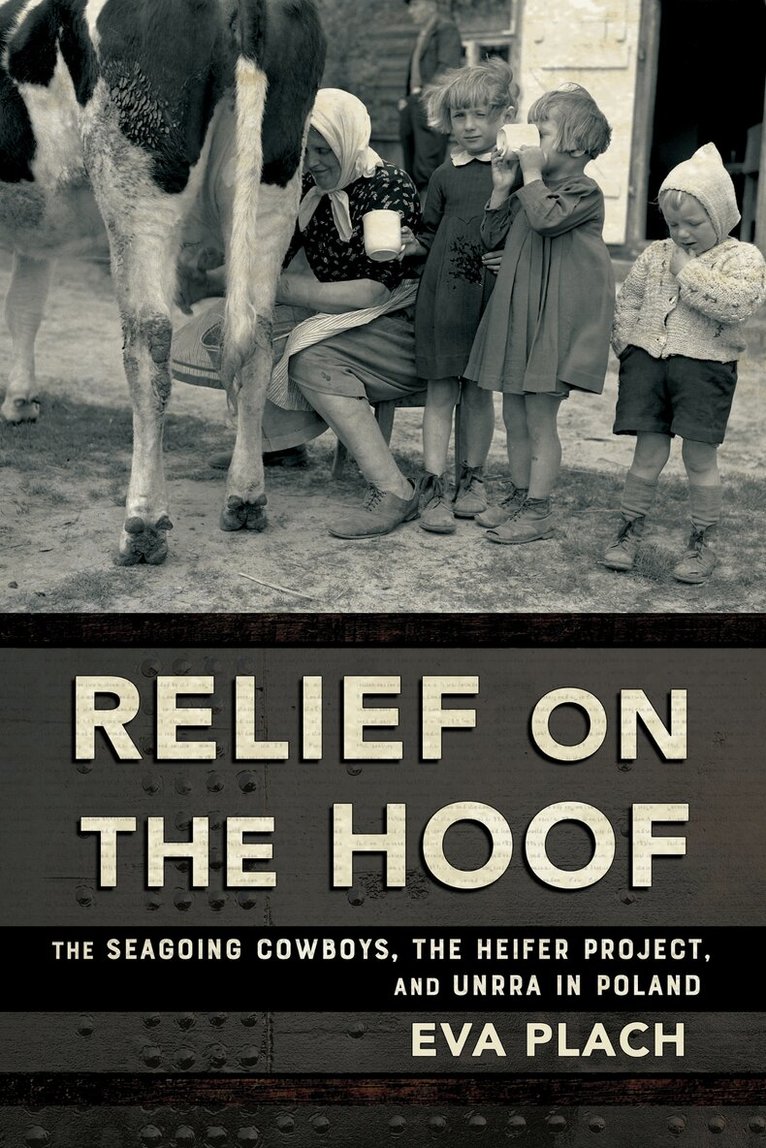
Relief on the Hoof is about the thousands of horses and cattle that the United Nations Relief and Rehabilitation Administration (UNRRA) shipped as humanitarian aid in the immediate aftermath of WWII and about the "seagoing cowboys" who cared for the animals during their trans-Atlantic journeys. UNRRA contracted the Church of the Brethren to recruit almost 7,000 men to do this work, and in exchange provided free passage on its ships to the cattle that were part of the Brethren's own humanitarian initiative, the Heifer Project. The Heifer Project emerged from a conviction that cows and their milk offered the best value as relief commodities. As Eva Plach shows, both UNRRA's animal aid program and the Heifer Project were responding to a crisis in postwar Europe. Millions of livestock were lost during the war, and contemporary experts warned that postwar recovery, food security, and the prevention of social and political unrest would be compromised without replenishing the lost herds. Poland received more Heifer Project cattle than any other country and was the major recipient of UNRRA cattle and horses as well. Relief on the Hoof shows that Poland's special status, based on assessments of wartime destruction and postwar need, reflected its unique geopolitical importance as Cold War tensions mounted.