
Evan R. Firestone - Böcker
Visar alla böcker från författaren Evan R. Firestone. Handla med fri frakt och snabb leverans.
3 produkter
3 produkter
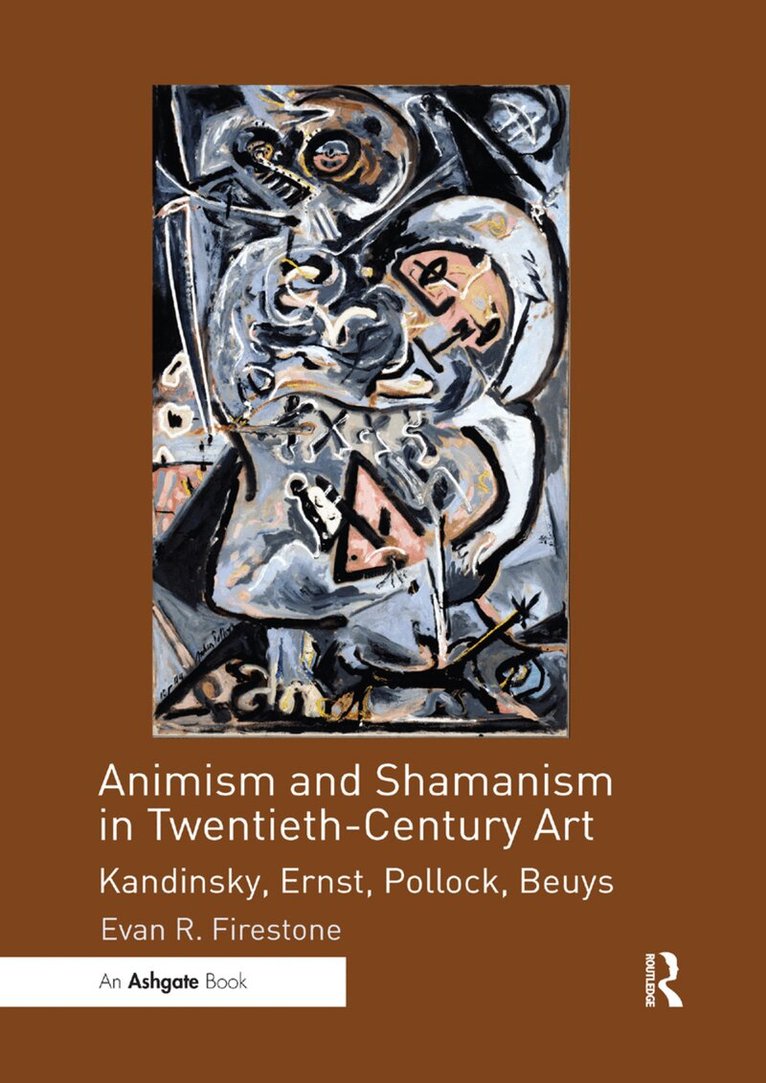
Animism and Shamanism in Twentieth-Century Art
Kandinsky, Ernst, Pollock, Beuys
Häftad, Engelska, 2019
629 kr
Skickas inom 10-15 vardagar
Wassily Kandinsky, Max Ernst, Jackson Pollock, and Joseph Beuys were the leading artists of their generations to recognize the rich possibilities that animism and shamanism offered. While each of these artists' connection with shamanism has been written about separately, Evan Firestone brings the four together in order to compare their individual approaches to anthropological materials and to define similarities and differences between them. The author's close readings of their works and examination of the relevant texts available to them reveal fresh insights and new perspectives.The importance of indigenous beliefs in animism for Kandinsky's philosophy of art and practice, especially the animism of inanimate objects, is analyzed for the first time in conjunction with his well-known enthusiasms for Symbolism and Theosophy. Ernst's collage novel, La femme 100 tetes (1929), previously found to have significant alchemical content, also is shown to extensively utilize shamanism, thereby merging different branches of the occult that prove to have remarkable similarities. The in-depth examination of Pollock's works, both known and overlooked for shamanic content, identifies textual sources that heretofore have escaped notice. Firestone also demonstrates how shamanism was employed by this artist to express his desire for healing and transformation. The author further argues that the German edition of Mircea Eliade's Shamanism: Archaic Techniques of Ecstasy (1957) helped to revitalize Beuys's life and art, and that his ecological campaigns reflected a new consciousness later termed ecoanimism.
Animism and Shamanism in Twentieth-Century Art
Kandinsky, Ernst, Pollock, Beuys
Inbunden, Engelska, 2016
2 238 kr
Skickas inom 10-15 vardagar
Wassily Kandinsky, Max Ernst, Jackson Pollock, and Joseph Beuys were the leading artists of their generations to recognize the rich possibilities that animism and shamanism offered. While each of these artists' connection with shamanism has been written about separately, Evan Firestone brings the four together in order to compare their individual approaches to anthropological materials and to define similarities and differences between them. The author's close readings of their works and examination of the relevant texts available to them reveal fresh insights and new perspectives.The importance of indigenous beliefs in animism for Kandinsky's philosophy of art and practice, especially the animism of inanimate objects, is analyzed for the first time in conjunction with his well-known enthusiasms for Symbolism and Theosophy. Ernst's collage novel, La femme 100 tetes (1929), previously found to have significant alchemical content, also is shown to extensively utilize shamanism, thereby merging different branches of the occult that prove to have remarkable similarities. The in-depth examination of Pollock's works, both known and overlooked for shamanic content, identifies textual sources that heretofore have escaped notice. Firestone also demonstrates how shamanism was employed by this artist to express his desire for healing and transformation. The author further argues that the German edition of Mircea Eliade's Shamanism: Archaic Techniques of Ecstasy (1957) helped to revitalize Beuys's life and art, and that his ecological campaigns reflected a new consciousness later termed ecoanimism.
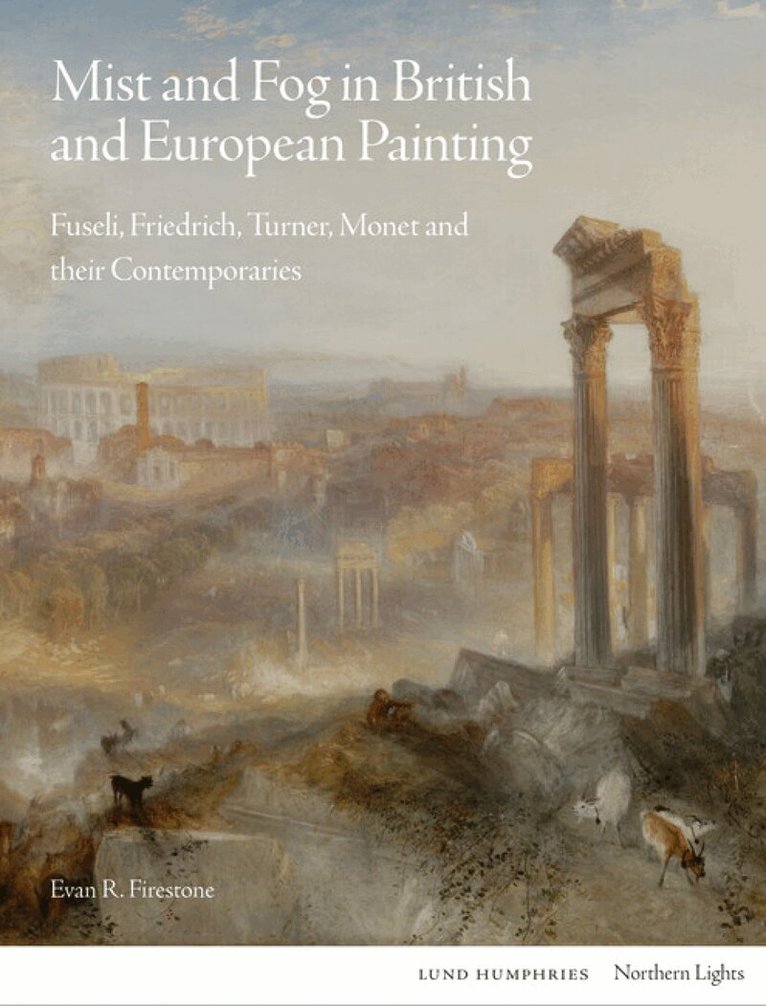
Mist and Fog in British and European Painting
Fuseli, Friedrich, Turner, Monet and their Contemporaries
Inbunden, Engelska, 2023
733 kr
Skickas inom 5-8 vardagar
The metaphorical meanings that have accrued to mist and fog, encouraged by their indeterminate and transitory nature, and the emotions to which they give rise, are variously evident in the work of major artists and their contemporaries.This book is the first to address the themes of mist and fog in British and European painting, from the late 18th to the early 20th centuries. It features paintings by Caspar David Friedrich and JMW Turner, amongst others, and the discussion of artworks is enriched with parallel literary examples that employ mist and fog as metaphor and in allegory, from antiquity to Joseph Conrad.Mist and fog engender fascination and mystery, enticing with their wispy veils and vaporous moods, and they are the stuff of dreams and visions. 'The mists of time' and 'in a fog' are common expressions that substantiate the long association of mist and fog with the passage of time, the vagaries of memory and feelings of uncertainty. Mist and fog obscure, conceal and when they dissipate, reveal. Vaporous atmosphere in art and life masks evil and can elicit presentiments of death. It also has been used in art to convey the splendours of the spiritual world and the terrors of the supernatural.