Evan Tick - Böcker
Visar alla böcker från författaren Evan Tick. Handla med fri frakt och snabb leverans.
5 produkter
5 produkter
453 kr
Skickas inom 7-10 vardagar
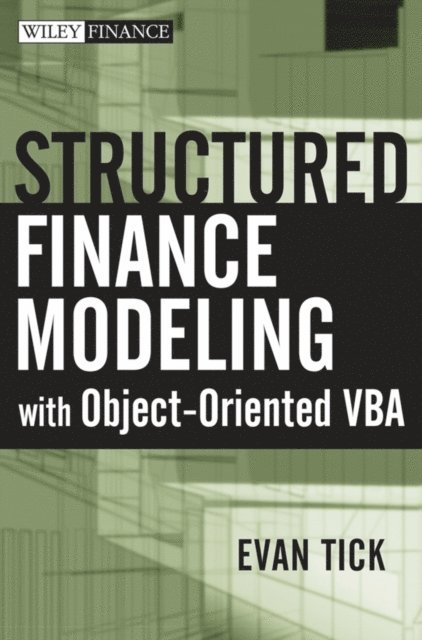
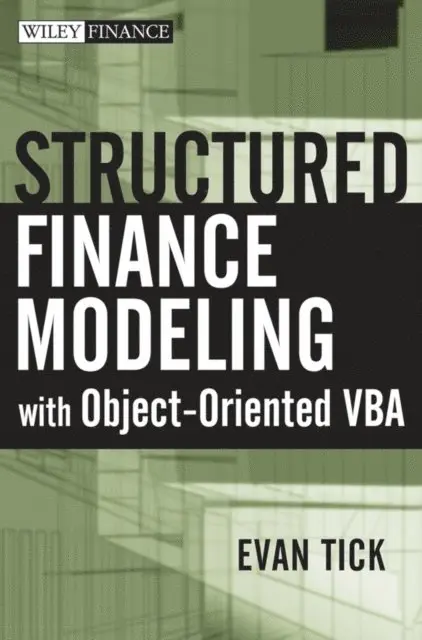
A detailed look at how object-oriented VBA should be used to model complex financial structures This guide helps readers overcome the difficult task of modeling complex financial structures and bridges the gap between professional C++/Java programmers writing production models and front-office analysts building Excel spreadsheet models. It reveals how to model financial structures using object-oriented VBA in an Excel environment, allowing desk-based analysts to quickly produce flexible and robust models. Filled with in-depth insight and expert advice, it skillfully illustrates the art of object-oriented programming for the explicit purpose of modeling structured products. Residential mortgage securitization is used as a unifying example throughout the text.
1 096 kr
Skickas inom 10-15 vardagar
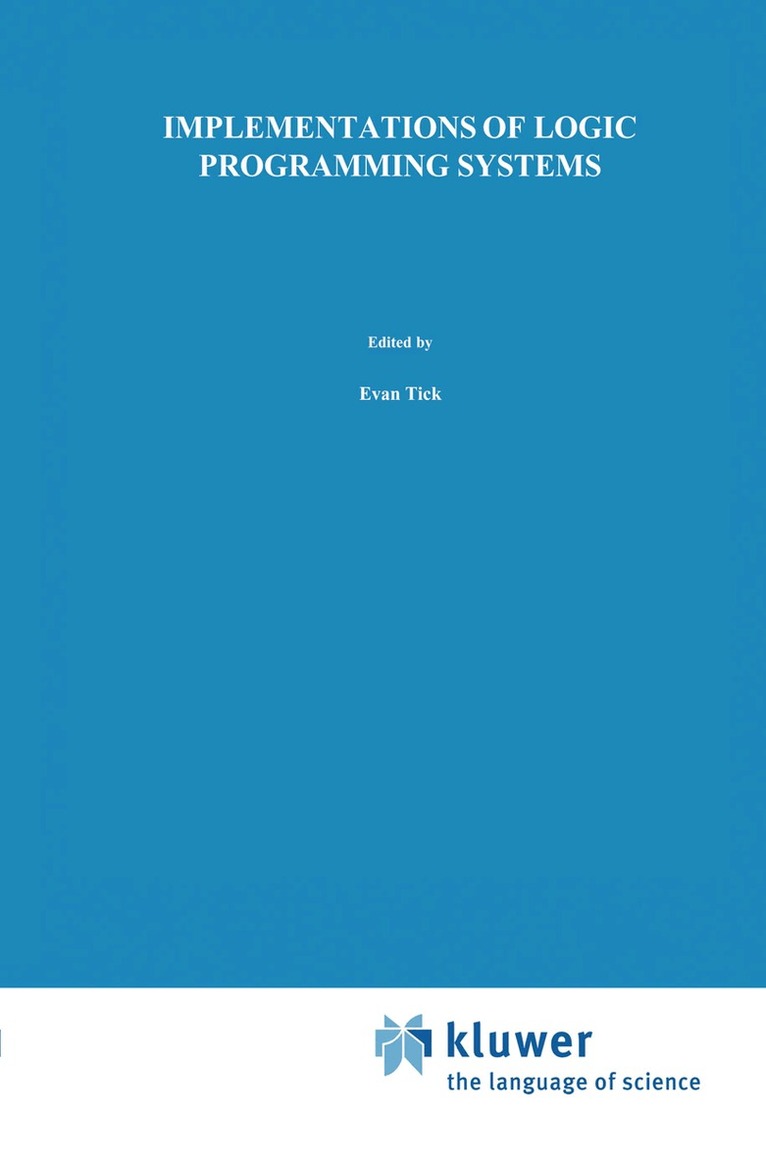
In conjunction with the 1993 International Conference on Logic Programming (ICLP'93), held in Budapest Hungary, two workshops were held concerning the implementations of logic programming systems: Practical Implementations and Sys- tems Experience in Logic Programming Systems, and Concurrent, Distributed, and Parallel Implementations of Logic Programming Systems. This collection presents 16 research papers in the area of the implementation of logic programming systems. The two workshops aimed to bring together sys- tems implementors for discussing real problems coming from their direct experience, therefore these papers have a special emphasis on practice rather than on theory. This book will be of immediate interest to practitioners who seek understanding of how to efficiently manage memory, generate fast code, perform sophisticated static analyses, and design high-performance runtime features. A major theme, throughout the papers, is how to effectively leverage host imple- mentation systems and technologies to implement target systems.Debray discusses implementing Janus in SICStus Prolog by exploiting the delay primitive, which is fur- ther expounded by Meier in his discussion of various ECRC systems implementations of delay primitives. Hausman discusses implementing Erlang in C, and Czajkowski and Zielinski discuss embedding Linda primitives in Strand. Denti et ai. discuss implementing object-oriented logic programs within SICStus Prolog, a theme also explored and compared to a WAM-based implementation by Bugliesi and Nardiello.
1 625 kr
Skickas inom 10-15 vardagar
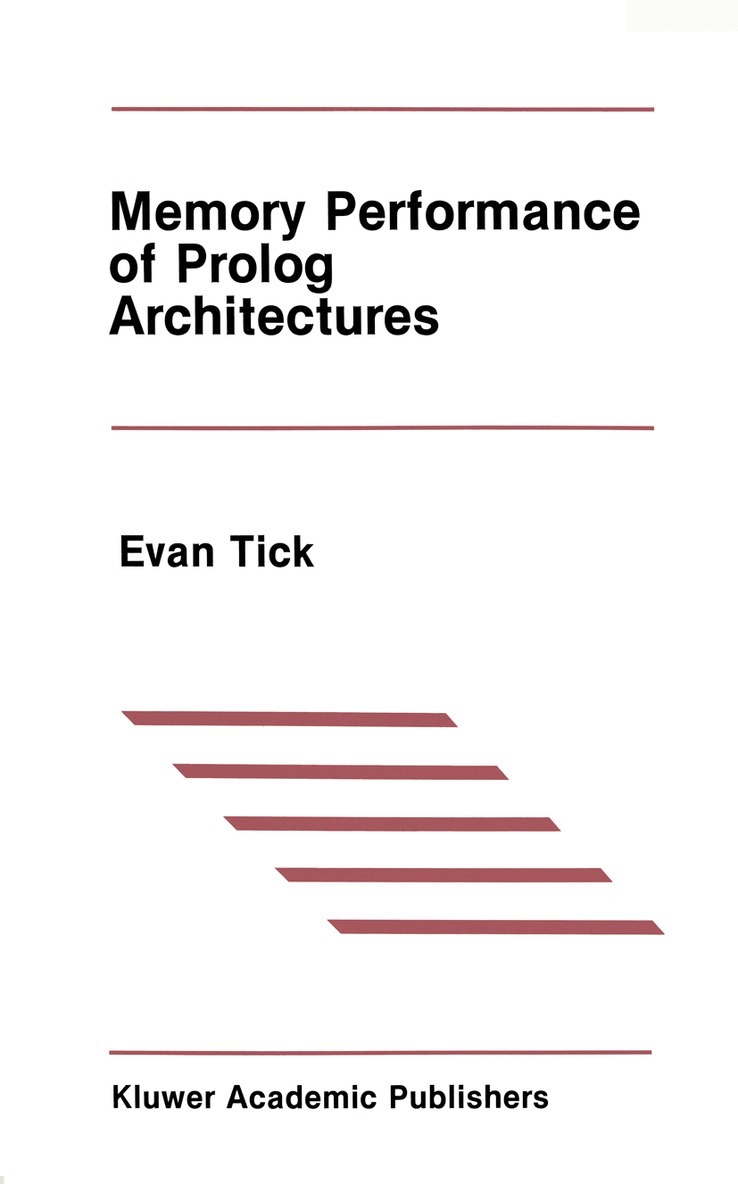
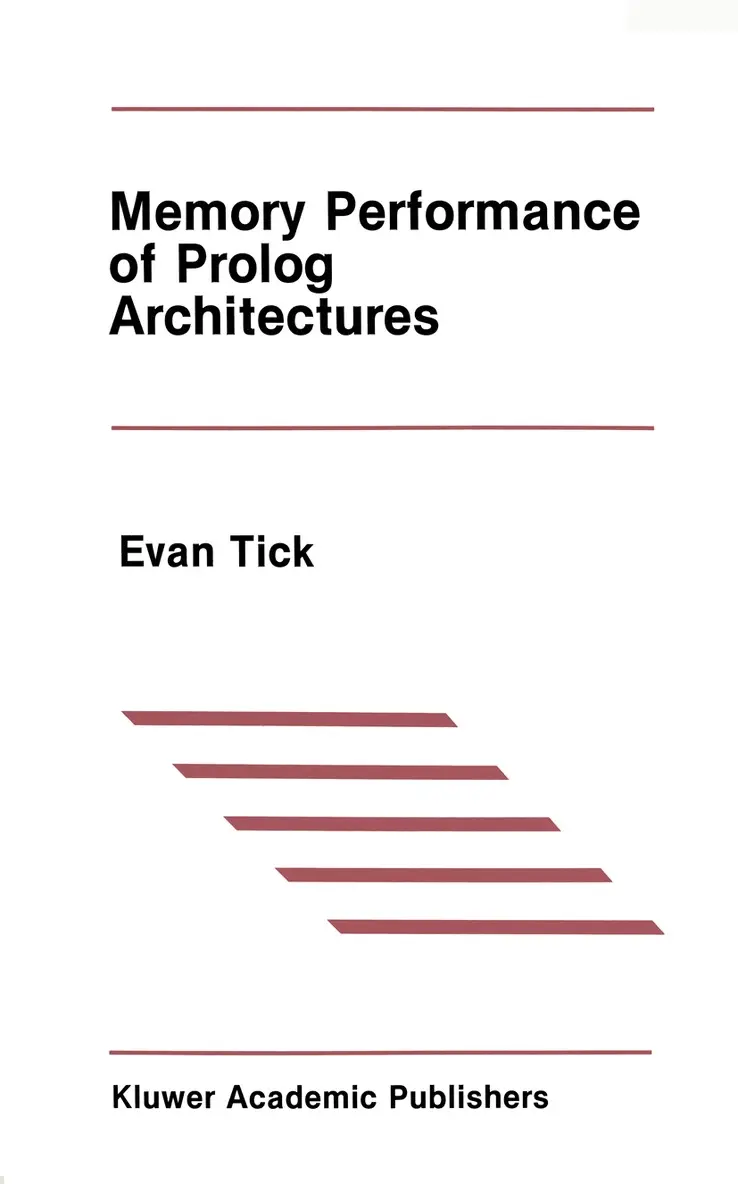
One suspects that the people who use computers for their livelihood are growing more "sophisticated" as the field of computer science evolves. This view might be defended by the expanding use of languages such as C and Lisp in contrast to the languages such as FORTRAN and COBOL. This hypothesis is false however - computer languages are not like natural languages where successive generations stick with the language of their ancestors. Computer programmers do not grow more sophisticated - programmers simply take the time to muddle through the increasingly complex language semantics in an attempt to write useful programs. Of course, these programmers are "sophisticated" in the same sense as are hackers of MockLisp, PostScript, and Tex - highly specialized and tedious languages. It is quite frustrating how this myth of sophistication is propagated by some industries, universities, and government agencies. When I was an undergraduate at MIT, I distinctly remember the convoluted questions on exams concerning dynamic scoping in Lisp - the emphasis was placed solely on a "hacker's" view of computation, i. e. , the control and manipulation of storage cells. No consideration was given to the logical structure of programs. Within the past five years, Ada and Common Lisp have become programming language standards, despite their complexity (note that dynamic scoping was dropped even from Common Lisp). Of course, most industries' selection of programming languages are primarily driven by the requirement for compatibility (with previous software) and performance.
1 625 kr
Skickas inom 10-15 vardagar
One suspects that the people who use computers for their livelihood are growing more "sophisticated" as the field of computer science evolves. This view might be defended by the expanding use of languages such as C and Lisp in contrast to the languages such as FORTRAN and COBOL. This hypothesis is false however - computer languages are not like natural languages where successive generations stick with the language of their ancestors. Computer programmers do not grow more sophisticated - programmers simply take the time to muddle through the increasingly complex language semantics in an attempt to write useful programs. Of course, these programmers are "sophisticated" in the same sense as are hackers of MockLisp, PostScript, and Tex - highly specialized and tedious languages. It is quite frustrating how this myth of sophistication is propagated by some industries, universities, and government agencies. When I was an undergraduate at MIT, I distinctly remember the convoluted questions on exams concerning dynamic scoping in Lisp - the emphasis was placed solely on a "hacker's" view of computation, i. e. , the control and manipulation of storage cells. No consideration was given to the logical structure of programs. Within the past five years, Ada and Common Lisp have become programming language standards, despite their complexity (note that dynamic scoping was dropped even from Common Lisp). Of course, most industries' selection of programming languages are primarily driven by the requirement for compatibility (with previous software) and performance.
1 096 kr
Skickas inom 10-15 vardagar
In conjunction with the 1993 International Conference on Logic Programming (ICLP'93), held in Budapest Hungary, two workshops were held concerning the implementations of logic programming systems: Practical Implementations and Sys- tems Experience in Logic Programming Systems, and Concurrent, Distributed, and Parallel Implementations of Logic Programming Systems. This collection presents 16 research papers in the area of the implementation of logic programming systems. The two workshops aimed to bring together sys- tems implementors for discussing real problems coming from their direct experience, therefore these papers have a special emphasis on practice rather than on theory. This book will be of immediate interest to practitioners who seek understanding of how to efficiently manage memory, generate fast code, perform sophisticated static analyses, and design high-performance runtime features. A major theme, throughout the papers, is how to effectively leverage host imple- mentation systems and technologies to implement target systems.Debray discusses implementing Janus in SICStus Prolog by exploiting the delay primitive, which is fur- ther expounded by Meier in his discussion of various ECRC systems implementations of delay primitives. Hausman discusses implementing Erlang in C, and Czajkowski and Zielinski discuss embedding Linda primitives in Strand. Denti et ai. discuss implementing object-oriented logic programs within SICStus Prolog, a theme also explored and compared to a WAM-based implementation by Bugliesi and Nardiello.