Evelyn Toynton - Böcker
Visar alla böcker från författaren Evelyn Toynton. Handla med fri frakt och snabb leverans.
4 produkter
4 produkter
176 kr
Tillfälligt slut
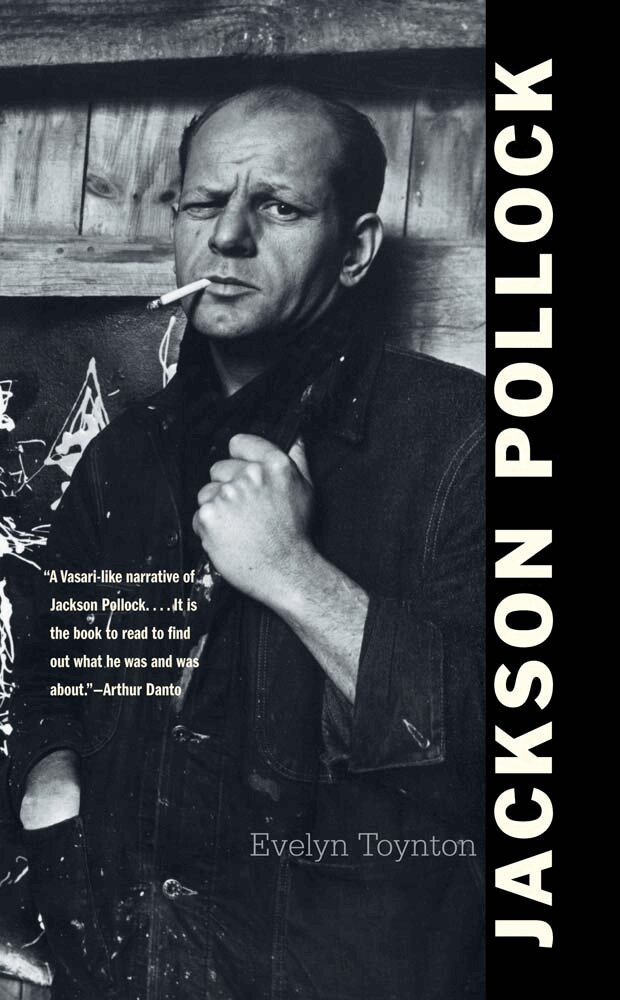
A compelling look at Jackson Pollock's vibrant, quintessentially American art and the turbulent life that gave rise to itJackson Pollock (1912–1956) not only put American art on the map with his famous "drip paintings," he also served as an inspiration for the character of Stanley Kowalski in Tennessee Williams's A Streetcar Named Desire—the role that made Marlon Brando famous. Like Brando, Pollock became an icon of rebellion in 1950s America, and the brooding, defiant persona captured in photographs of the artist contributed to his celebrity almost as much as his notorious paintings did. In the years since his death in a drunken car crash, Pollock's hold on the public imagination has only increased. He has become an enduring symbol of the tormented artist—our American van Gogh.In this highly engaging book, Evelyn Toynton examines Pollock's itinerant and poverty-stricken childhood in the West, his encounters with contemporary art in Depression-era New York, and his years in the run-down Long Island fishing village that, ironically, was transformed into a fashionable resort by his presence. Placing the artist in the context of his time, Toynton also illuminates the fierce controversies that swirled around his work and that continue to do so. Pollock's paintings captured the sense of freedom and infinite possibility unique to the American experience, and his life was both an American rags-to-riches story and a darker tale of the price paid for celebrity, American style.
42 kr
Skickas
328 kr
Skickas inom 3-6 vardagar
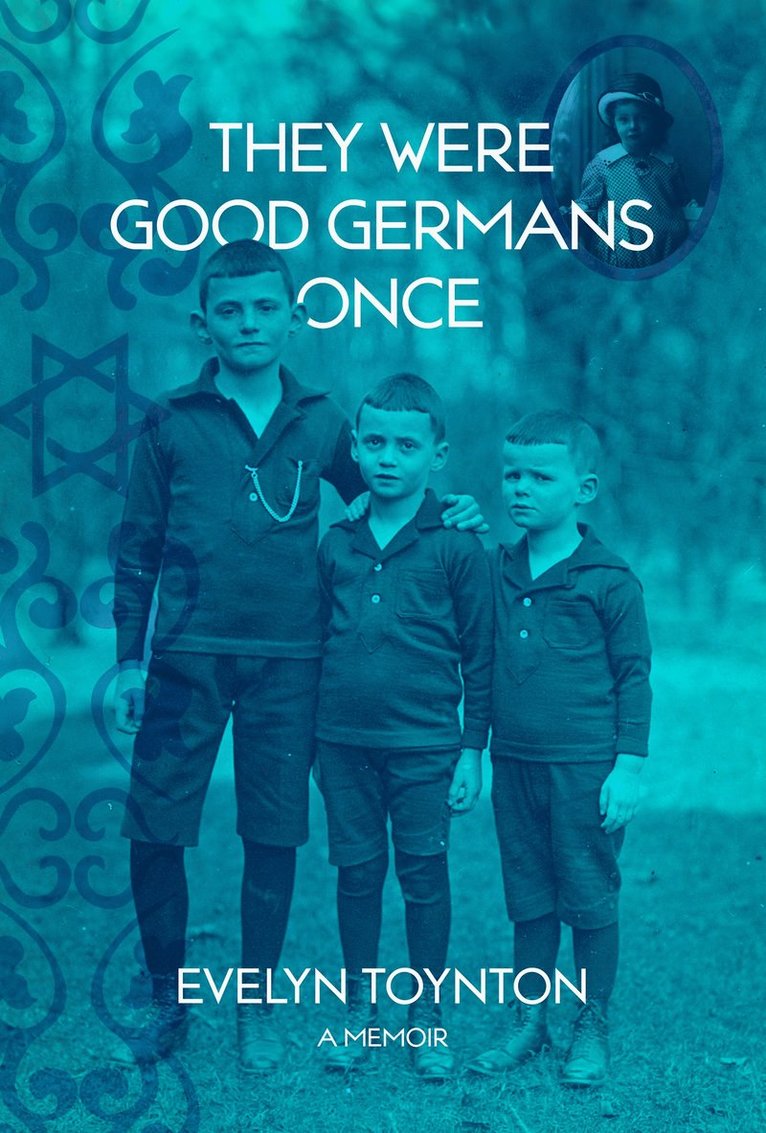
"A thoughtful, notable addition to the literature of the Holocaust . . . a poignant memoir." —Kirkus ReviewsIn They Were Good Germans Once, author and biographer Evelyn Toynton speaks to a universal immigrant family experience — some embrace a new life, some forge a compromise between their new home and old traditions, while others never fully find their way.Through her series of essays, Toynton remembers her own relatives, some of whom left Germany as soon as Hitler came to power, others only escaping much later.Her family lost not only their native homeland and their sense of identity but many of the people they loved. Yet each found ways to give meaning to their lives, whether in their own small circles or in the world at large.
168 kr
Skickas
In these essays, Toynton remembers her émigré relatives, some of whom left Germany as soon as Hitler came to power, others only escaped later.Evelyn Toynton’s relatives, German-Jewish refugees all, had grown up thinking of themselves as Germans first and Jews second; her portraits of them, subtly comic when depicting the Germanic traits they retained throughout their lives, take on a tragic poignancy when showing the sorrow they carried: how could their beloved country, so inextricably a part of who they were, have turned on them with such murderous savagery? While some of them embraced their new lives, becoming patriotic citizens of America and England, and one became a Zionist, rising to high office in Ben-Gurion’s government, others went on reading German books, German newspapers; they made nostalgic trips back to Nuremberg, where the family had thrived for centuries before the Nazis claimed it as their symbolic home. But it is the story of Toynton’s refugee mother, of the betrayal and the medical blunder that kept her living in the shadows for fifty years, that is at the emotional heart of this book. Toynton speaks to a universal immigrant family experience, some embrace a new life, others forge a compromise between their new home and old traditions, while a few never fully find their way.