Evelyn Welch - Böcker
Visar alla böcker från författaren Evelyn Welch. Handla med fri frakt och snabb leverans.
4 produkter
4 produkter
293 kr
Skickas
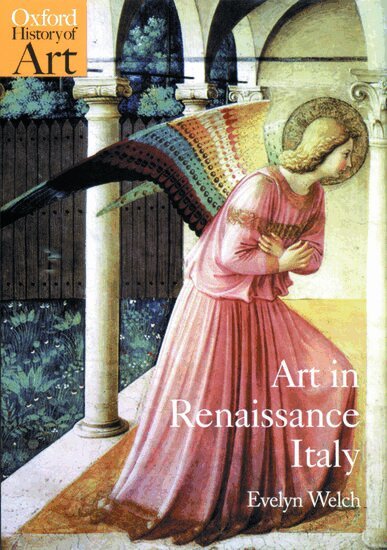
Between the `Black Death' in the mid-fourteenth century and the French invasions at the end of the fifteenth, artists such as Masaccio, Donatello, Fra Angelico, and Leonardo, working in the kingdoms, princedoms, and republics of the Italian peninsula, created some of the most influential and exciting works in a variety of artistic fields. Yet the traditional story of the Renaissance has been dramatically revised in the light of new scholarship, and new issues have greatly enriched our understanding of the period. Emphasis has been placed on recreating the experience of contemporary Italians - the patrons who commissioned the works, the members of the public who viewed them, and the artists who produced them. In this book Evelyn Welch presents a fresh picture of the Italian Renaissance. Giving equal weight to the Italian regions outside Florence, she discusses a wide range of works, from paintings to coins, and from sculptures to tapestries, examines the issues of materials, workshop practises, and artist-patron relationships, and explores the ways in which visual imagery related to contemporary sexual, social and political behaviour.
364 kr
Skickas inom 5-8 vardagar
Despite the recent interests of economic and art historians in the workings of the market, we still know remarkably little about the everyday context for the exchange of objects and the meaning of demand in the lives of individuals in the Renaissance. Nor do we have much sense of the relationship between the creation and purchase of works of art and the production, buying and selling of other types of objects in Italy in the period. The material Renaissance addresses these issues of economic and social life. It develops the analysis of demand, supply and exchange first proposed by Richard Goldthwaite in his ground-breaking Wealth and the demand for art in Renaissance Italy, and expands our understanding of the particularities of exchange in this consumer-led period. Considering food, clothing and every-day furnishings, as well as books, goldsmiths’ work, altarpieces and other luxury goods, the book draws on contemporary archival material to explore pricing, to investigate production from the point of view of demand, and to look at networks of exchange that relied not only on money but also on credit, payment in kind and gift giving.The material Renaissance establishes the dynamic social character of exchange. It demonstrates that the cost of goods, including the price of the most basic items, was largely contingent upon on the relationship between buyer and seller, shows that communities actively sought new goods and novel means of production long before Colbert encouraged such industrial enterprise in France and reveals the wide ownership of objects, even among the economically disadvantaged.
775 kr
Skickas
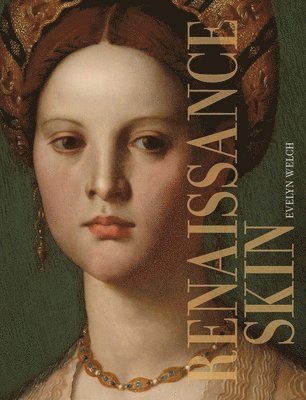
A magnificently illustrated study of skin in Renaissance Europe.People in the Renaissance saw skin differently from how we do today. The Europe of 1500 to 1700 was a world of humours, and skin – the clothing of the body – was thought to be dangerously porous.In this landmark book, Evelyn Welch explores Renaissance skin as a bodily surface, as physical matter and as a generator of new knowledge. Ranging across anatomy, surgery and sausage making, she reveals how skin was managed by physicians as well as by glovemakers, butchers and parchment makers. How did people protect their health in a changing global environment, one where the air itself could be pathogenic? How did they see their bodies in a world where there was suddenly a multiplicity of skin colours and decorations?Addressing these questions and more, Welch show us what happens when you see skin differently, either in the marketplace, where men and women from far-away lands were put on display, or under the microscope. In doing so, she reveals that the past had a distinctive and very different way of understanding bodily experiences.
1 929 kr
Skickas inom 5-8 vardagar
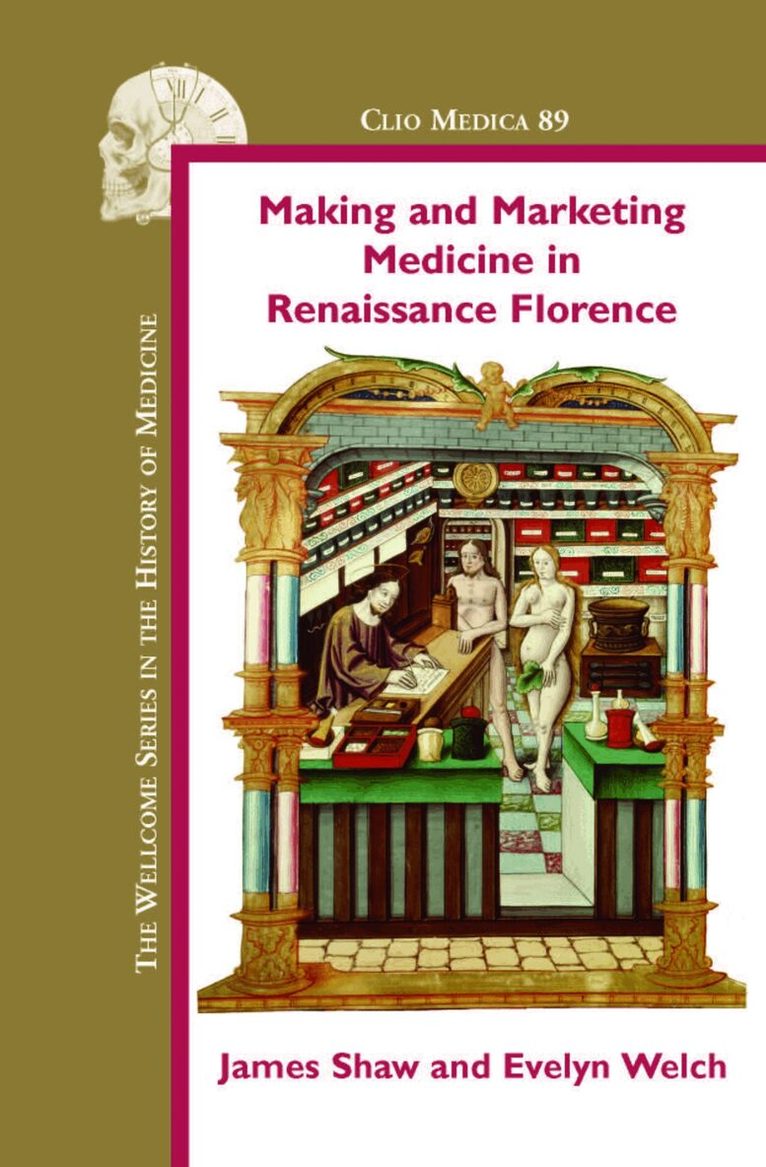
What did you do when you fell ill in fifteenth-century Florence? How did you get the medicines that you needed at a price you could afford? What would you find when you entered an apothecary’s shop? This richly detailed study of the Speziale al Giglio in Florence provides surprising answers, demonstrating the continued importance of highly personalised medical practice late into the fifteenth century. Drawing on extensive archival research, it shows how personal relationships and mutual trust, rather than market forces, made payment possible even for those with limited incomes. Examining the spaces, people and products involved, Making and Marketing Medicine investigates the roles played by sociability, information networks and regulation in creating communities as well as in promoting health in Renaissance Italy.