Ewelina Boczkowska – författare
Visar alla böcker från författaren Ewelina Boczkowska. Handla med fri frakt och snabb leverans.
11 produkter
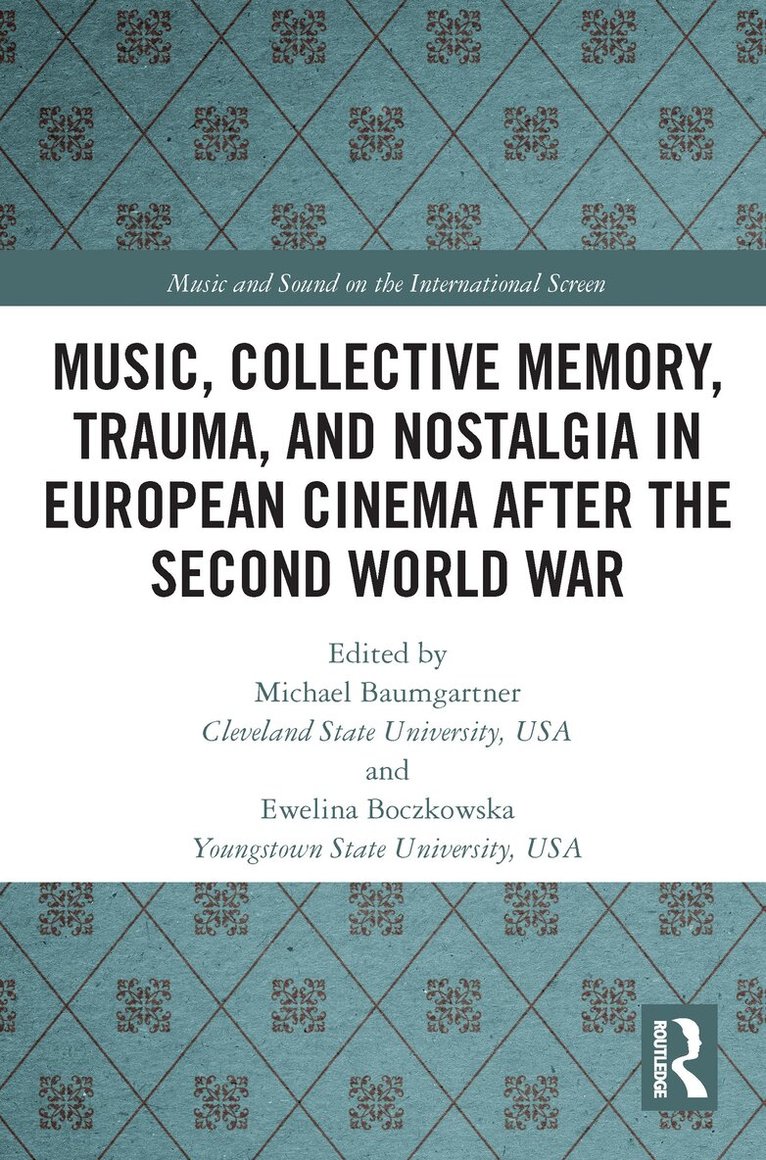
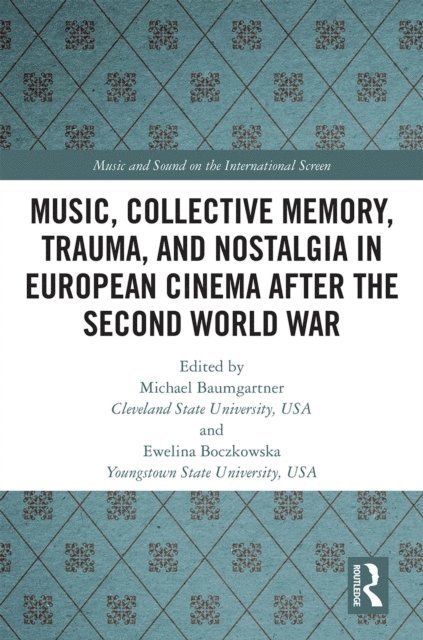
Music, Collective Memory, Trauma, and Nostalgia in European Cinema after the Second World War
Av Michael Baumgartner, Ewelina Boczkowska
Häftad, 2021
727 kr
Lägg i varukorg
In the wake of World War II, the arts and culture of Europe became a site where the devastating events of the 20th century were remembered and understood. Exploring one of the most integral elements of the cinematic experience—music—the essays in this volume consider the numerous ways in which …
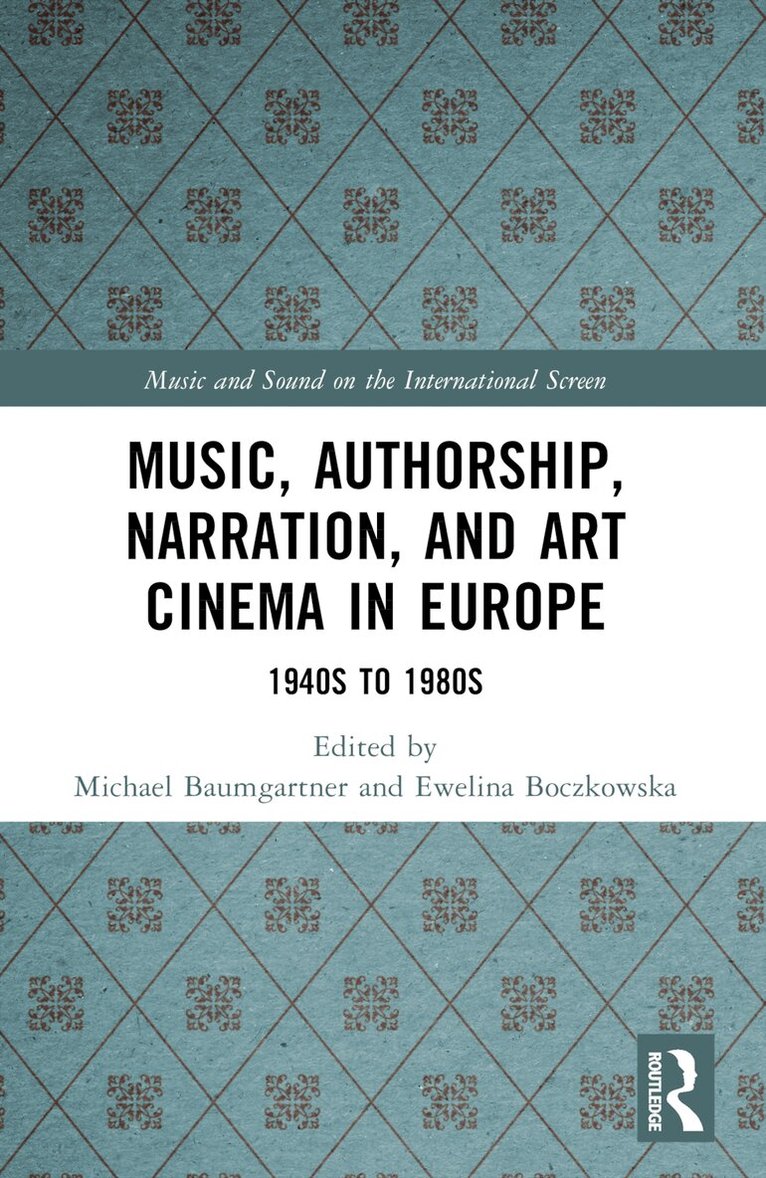
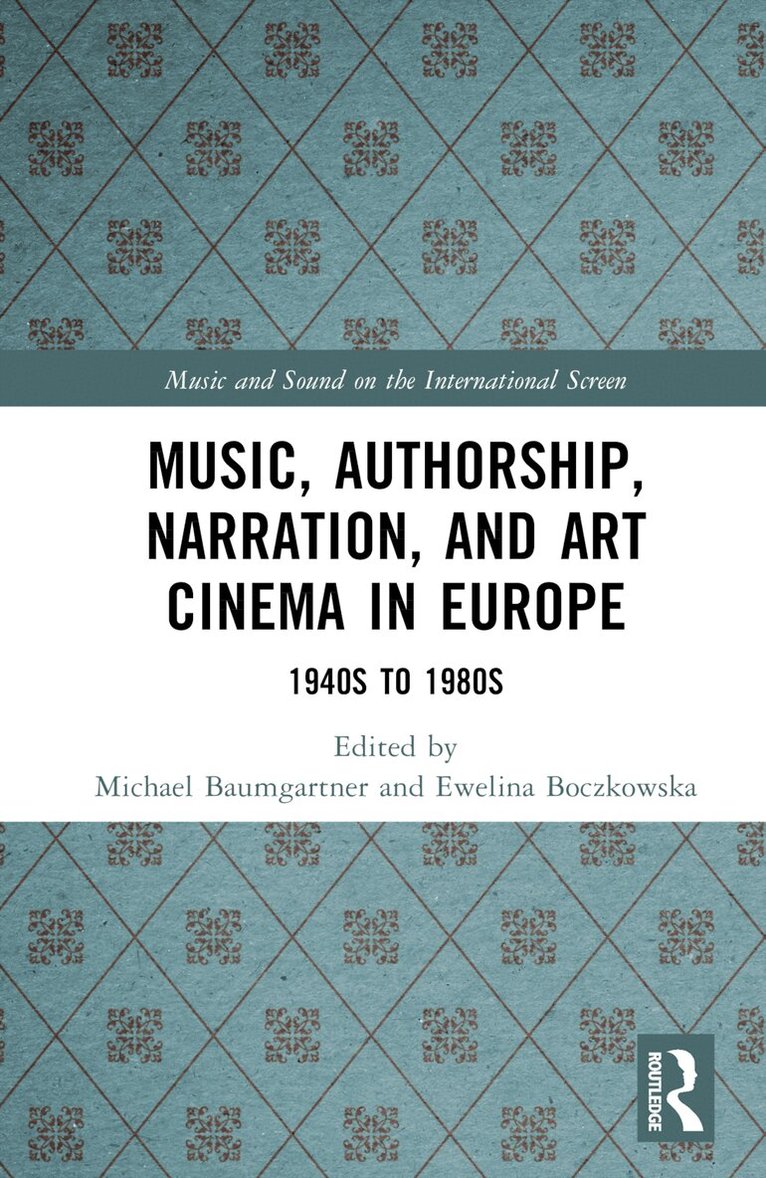
Music, Authorship, Narration, and Art Cinema in Europe
1940s to 1980s
Av Michael Baumgartner, Ewelina Boczkowska
Häftad, 2024
665 kr
Lägg i varukorg
Music, Authorship, Narration, and Art Cinema in Europe: 1940s to 1980s investigates the function of music in European cinema after the Second World War up to the fall of the Berlin wall, a period when composers and directors embraced experimentation. Through analyses of music and sound in a wide …
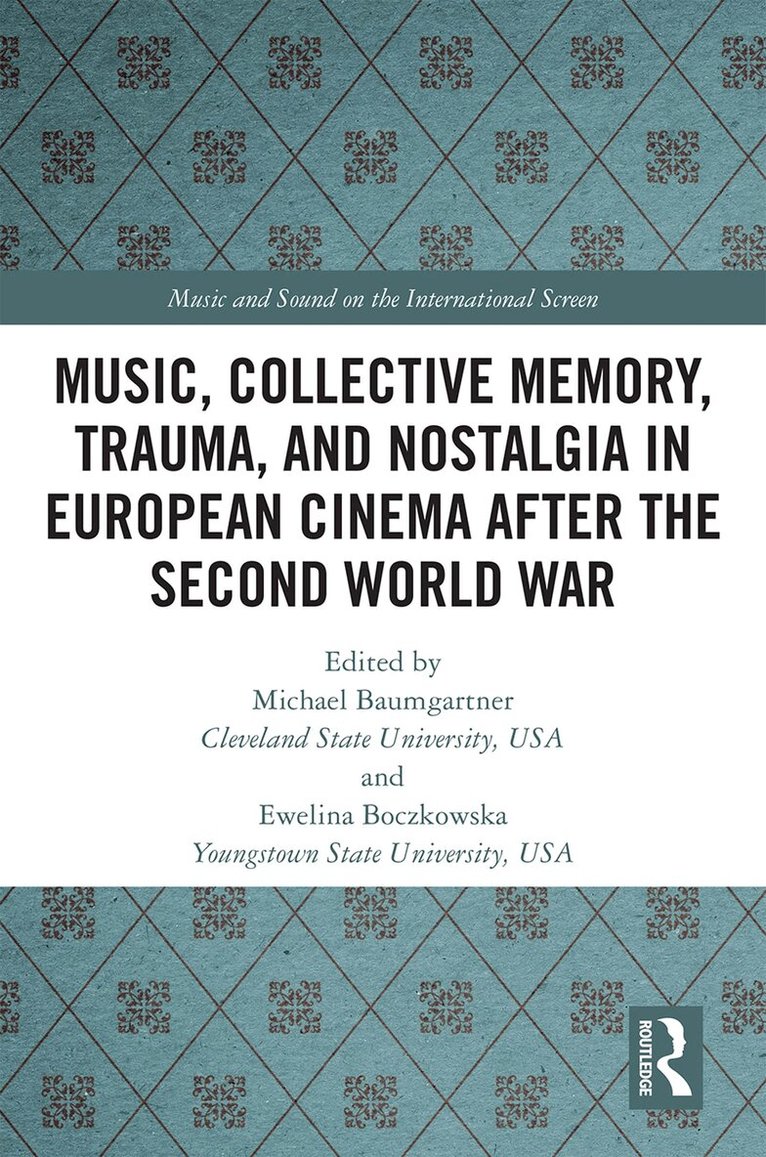
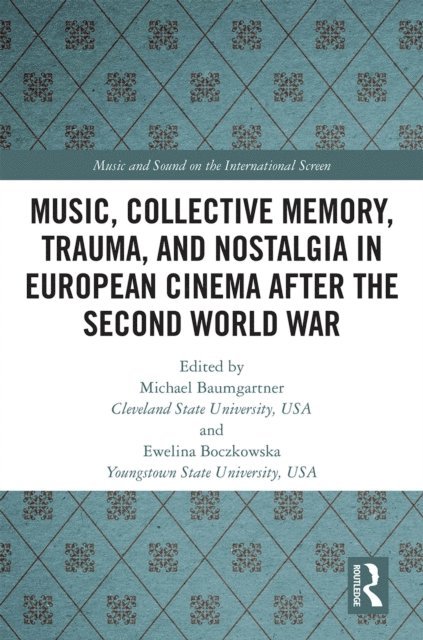
Music, Collective Memory, Trauma, and Nostalgia in European Cinema after the Second World War
Av Michael Baumgartner, Ewelina Boczkowska
Inbunden, 2019
2818 kr
Lägg i varukorg
In the wake of World War II, the arts and culture of Europe became a site where the devastating events of the 20th century were remembered and understood. Exploring one of the most integral elements of the cinematic experience—music—the essays in this volume consider the numerous ways in which …
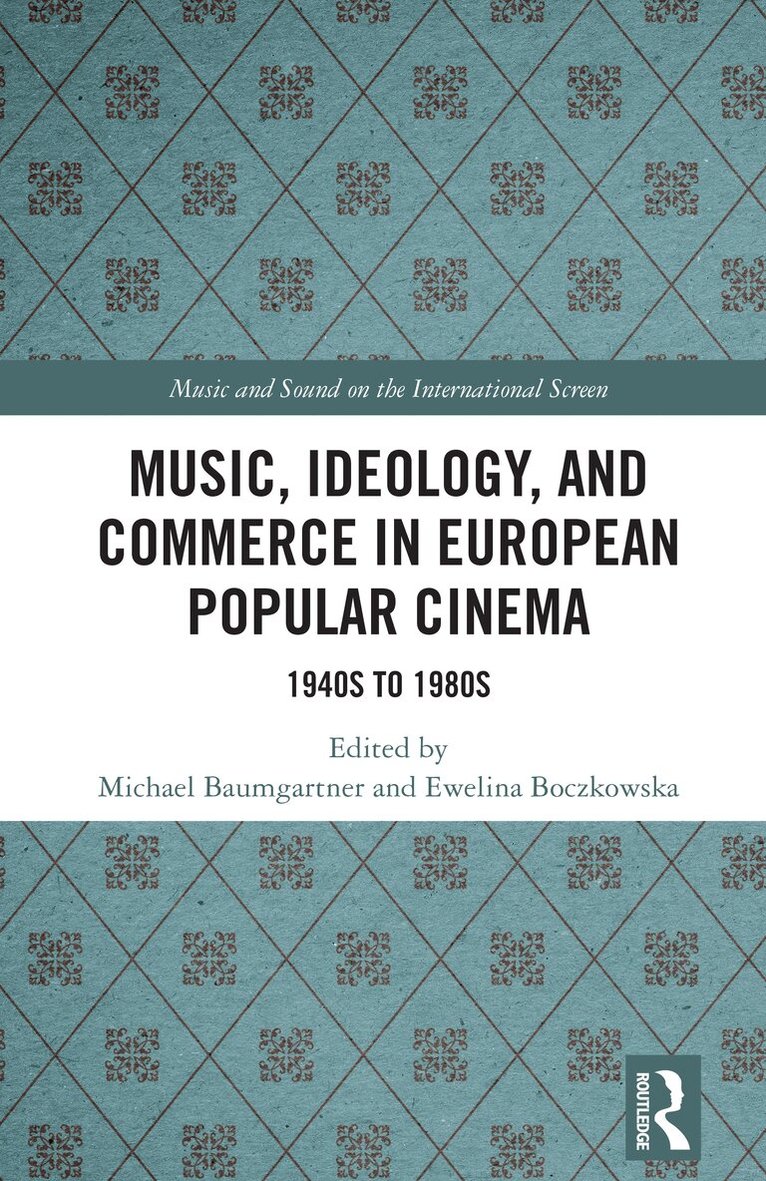
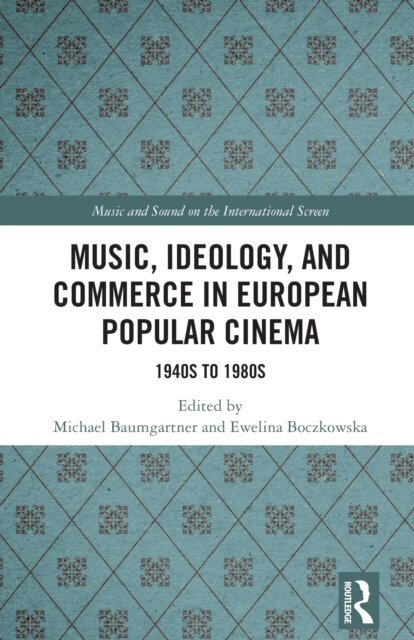
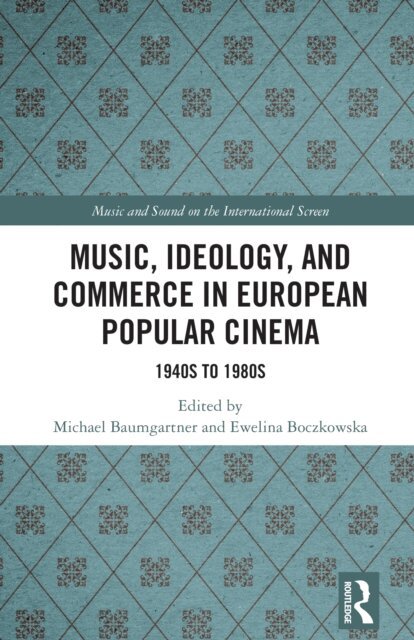
Music, Ideology, and Commerce in European Popular Cinema
1940s to 1980s
Av Michael Baumgartner, Ewelina Boczkowska
Inbunden, 2026
2578 kr
Lägg i varukorg
Throughout the Cold War, the films produced on both sides of the Iron Curtain were shaped by the ideologies of their respective countries. Music played a key role defining the messages sent by these films. The chapters in Music, Ideology, and Commerce in European Popular Cinema: 1940s to 1980s …
Music, Authorship, Narration, and Art Cinema in Europe
1940s to 1980s
Av Michael Baumgartner, Ewelina Boczkowska
Inbunden, 2022
2190 kr
Lägg i varukorg
Music, Authorship, Narration, and Art Cinema in Europe: 1940s to 1980s investigates the function of music in European cinema after the Second World War up to the fall of the Berlin wall, a period when composers and directors embraced experimentation. Through analyses of music and sound in a wide …
Music, Authorship, Narration, and Art Cinema in Europe
1940s to 1980s
Av Ewelina Boczkowska, Michael Baumgartner
E-bok, 2022
785 kr
Lägg i varukorg
Music, Authorship, Narration, and Art Cinema in Europe: 1940s to 1980s investigates the function of music in European cinema after the Second World War up to the fall of the Berlin wall, a period when composers and directors embraced experimentation. Through analyses of music and sound in a wide …
Music, Authorship, Narration, and Art Cinema in Europe
1940s to 1980s
Av Ewelina Boczkowska, Michael Baumgartner
E-bok, 2022
785 kr
Lägg i varukorg
Music, Authorship, Narration, and Art Cinema in Europe: 1940s to 1980s investigates the function of music in European cinema after the Second World War up to the fall of the Berlin wall, a period when composers and directors embraced experimentation. Through analyses of music and sound in a wide …
Music, Ideology, and Commerce in European Popular Cinema
1940s to 1980s
Av Ewelina Boczkowska, Michael Baumgartner
E-bok, 2026
856 kr
Lägg i varukorg
Throughout the Cold War, the films produced on both sides of the Iron Curtain were shaped by the ideologies of their respective countries. Music played a key role defining the messages sent by these films. The chapters in Music, Ideology, and Commerce in European Popular Cinema: 1940s to 1980s …
Music, Ideology, and Commerce in European Popular Cinema
1940s to 1980s
Av Ewelina Boczkowska, Michael Baumgartner
E-bok, 2026
856 kr
Lägg i varukorg
Throughout the Cold War, the films produced on both sides of the Iron Curtain were shaped by the ideologies of their respective countries. Music played a key role defining the messages sent by these films. The chapters in Music, Ideology, and Commerce in European Popular Cinema: 1940s to 1980s …
Music, Collective Memory, Trauma, and Nostalgia in European Cinema after the Second World War
Av Ewelina Boczkowska, Michael Baumgartner
E-bok, 2019
831 kr
Lägg i varukorg
In the wake of World War II, the arts and culture of Europe became a site where the devastating events of the 20th century were remembered and understood. Exploring one of the most integral elements of the cinematic experience—music—the essays in this volume consider the numerous ways in which …
Music, Collective Memory, Trauma, and Nostalgia in European Cinema after the Second World War
Av Ewelina Boczkowska, Michael Baumgartner
E-bok, 2019
856 kr
Lägg i varukorg
In the wake of World War II, the arts and culture of Europe became a site where the devastating events of the 20th century were remembered and understood. Exploring one of the most integral elements of the cinematic experience—music—the essays in this volume consider the numerous ways in which …