Ezgi Yildiz – författare
Visar alla böcker från författaren Ezgi Yildiz. Handla med fri frakt och snabb leverans.
10 produkter
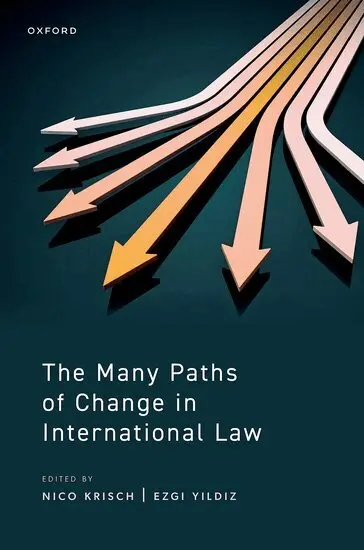
The Many Paths of Change in International Law
Inbunden, 2023
1547 kr
Lägg i varukorg
How does international law change? How does it adapt to meet global challenges in a volatile social and political context? The Many Paths of Change in International Law offers fresh, theoretically informed, and empirically rich answers to these questions. It traces drivers, conditions, and …
Many Paths of Change in International Law
E-bok, 2023
1417 kr
Lägg i varukorg
How does international law change? How does it adapt to meet global challenges in a volatile social and political context? The Many Paths of Change in International Law offers fresh, theoretically informed, and empirically rich answers to these questions. It traces drivers, conditions, and …
Change in International Law
Paths, Processes, Power
Av Nico Krisch, Ezgi Yildiz m. fl.
Inbunden, 2026
1384 kr
Lägg i varukorg
How does international law change? How does it adapt to new contexts and meet new challenges? The typical answer to these questions makes international law appear rather static, due to high hurdles for change and formal rules that require widespread agreement among states. In reality, however, …
Change in International Law
Paths, Processes, Power
Av Pedro MartA-nez Esponda, Ezgi Yildiz m. fl.
E-bok, 2026
795 kr
Lägg i varukorg
How does international law change? How does it adapt to new contexts and meet new challenges? The typical answer to these questions makes international law appear rather static, due to high hurdles for change and formal rules that require widespread agreement among states. In reality, however, …
Change in International Law
Paths, Processes, Power
Av Pedro MartA-nez Esponda, Ezgi Yildiz m. fl.
E-bok, 2026
795 kr
Lägg i varukorg
How does international law change? How does it adapt to new contexts and meet new challenges? The typical answer to these questions makes international law appear rather static, due to high hurdles for change and formal rules that require widespread agreement among states. In reality, however, …
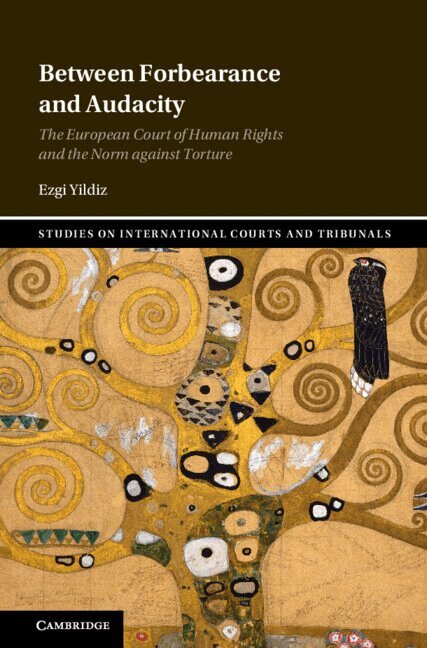
Between Forbearance and Audacity
The European Court of Human Rights and the Norm against Torture
Av Ezgi Yildiz
Inbunden, 2023
1513 kr
Lägg i varukorg
When international courts are given sweeping powers, why would they ever refuse to use them? The book explains how and when courts employ strategies for institutional survival and resilience: forbearance and audacity, which help them adjust their sovereignty costs to pre-empt and mitigate backlash …
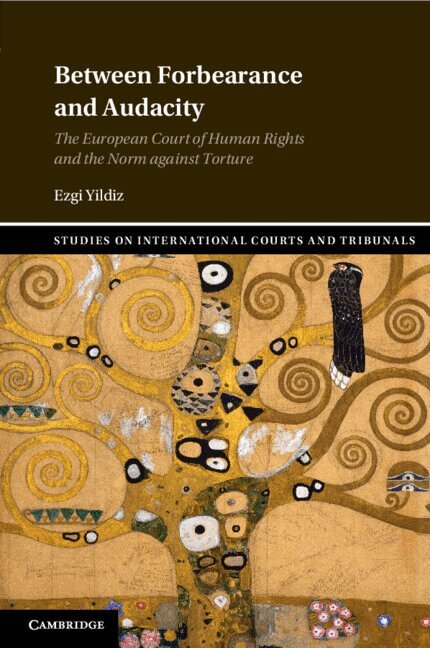
Between Forbearance and Audacity
The European Court of Human Rights and the Norm against Torture
Av Ezgi Yildiz
Häftad, 2026
419 kr
Lägg i varukorg
When international courts are given sweeping powers, why would they ever refuse to use them? The book explains how and when courts employ strategies for institutional survival and resilience: forbearance and audacity, which help them adjust their sovereignty costs to pre-empt and mitigate backlash …
Between Forbearance and Audacity
The European Court of Human Rights and the Norm against Torture
Av Ezgi Yildiz
E-bok, 2023
440 kr
Lägg i varukorg
Between Forbearance and Audacity
The European Court of Human Rights and the Norm against Torture
Av Ezgi Yildiz
E-bok, 2023
450 kr
Lägg i varukorg