F. Clark Power - Böcker
Visar alla böcker från författaren F. Clark Power. Handla med fri frakt och snabb leverans.
6 produkter
6 produkter
647 kr
Skickas inom 3-6 vardagar
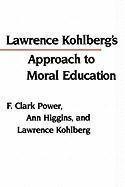
Lawrence Kohlberg's Approach to Moral Education presents what the late Lawrence Kohlberg regarded as the definitive statement of his educational theory. Addressing the sociology and social psychology of schooling, the authors propose that school culture become the center of moraleducation and research. They discuss how schools can develop as just and cohesive communities by involving students in democracy, and they focus on the moral decisions teachers and students face as they democratically resolve problems. As the authors put it: "We propose an educational renewal of our democratic society...We have attempted to establish schools that do more than just teach about democratic citizenship, that are themselves democratic societies."
1 499 kr
Skickas inom 3-6 vardagar
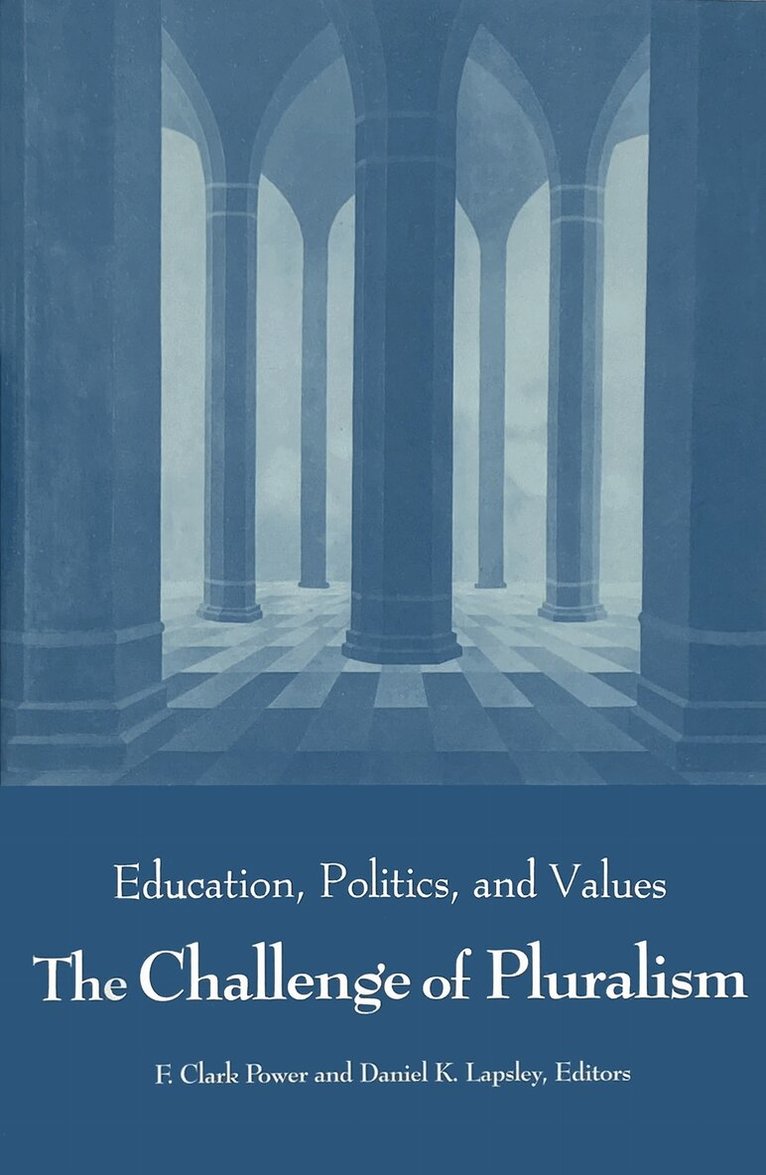
The politics of pluralism has long been an intractable characteristic of American public education. Today, perhaps more so than ever, educators grapple with an awareness of the fact that liberal societies cannot promote a particular vision of the moral life and still respect and uphold the multi-cultural values of a pluralistic society.The Challenge of Pluralism examines the problematic issue of the role of moral education in a pluralistic society. The book takes an interdisciplinary focus, and contributors include well-known experts in such fields as psychology, educational policy studies, history of education, political history, curriculum, philosophy of education, theology, and gender studies. The essays delve into the myriad reasons for the moral education controversy and examine how the contemporary debate over the place of moral education in a pluralist society takes place within the larger context of the current arguments over the quality of American education. In addition to a historical examination of the values-pluralism issue, the volume offers critiques of specific educational regimens as they address the problem of moral education.This volume offers relevant, pertinent discussions that will benefit professional educators, social scientists, and any individual concerned about the quality of American education and its ability to provide adequate moral and values education.Contributors: Walter Nicgorski, Michael W. Apple, Rev. Michael Himes, Dwight Boyd, Ronnie A. F. Blakeney, Charles D. Blakeney, Daniel K. Lapsley, William Reese, Michael R. Olneck, Ann Diller, James W. Fowler, and F. Clark Power.
359 kr
Skickas inom 10-15 vardagar
The politics of pluralism has long been an intractable characteristic of American public education. Today, perhaps more so than ever, educators grapple with an awareness of the fact that liberal societies cannot promote a particular vision of the moral life and still respect and uphold the multi-cultural values of a pluralistic society.The Challenge of Pluralism examines the problematic issue of the role of moral education in a pluralistic society. The book takes an interdisciplinary focus, and contributors include well-known experts in such fields as psychology, educational policy studies, history of education, political history, curriculum, philosophy of education, theology, and gender studies. The essays delve into the myriad reasons for the moral education controversy and examine how the contemporary debate over the place of moral education in a pluralist society takes place within the larger context of the current arguments over the quality of American education. In addition to a historical examination of the values-pluralism issue, the volume offers critiques of specific educational regimens as they address the problem of moral education.This volume offers relevant, pertinent discussions that will benefit professional educators, social scientists, and any individual concerned about the quality of American education and its ability to provide adequate moral and values education.Contributors: Walter Nicgorski, Michael W. Apple, Rev. Michael Himes, Dwight Boyd, Ronnie A. F. Blakeney, Charles D. Blakeney, Daniel K. Lapsley, William Reese, Michael R. Olneck, Ann Diller, James W. Fowler, and F. Clark Power.
1 312 kr
Skickas inom 10-15 vardagar
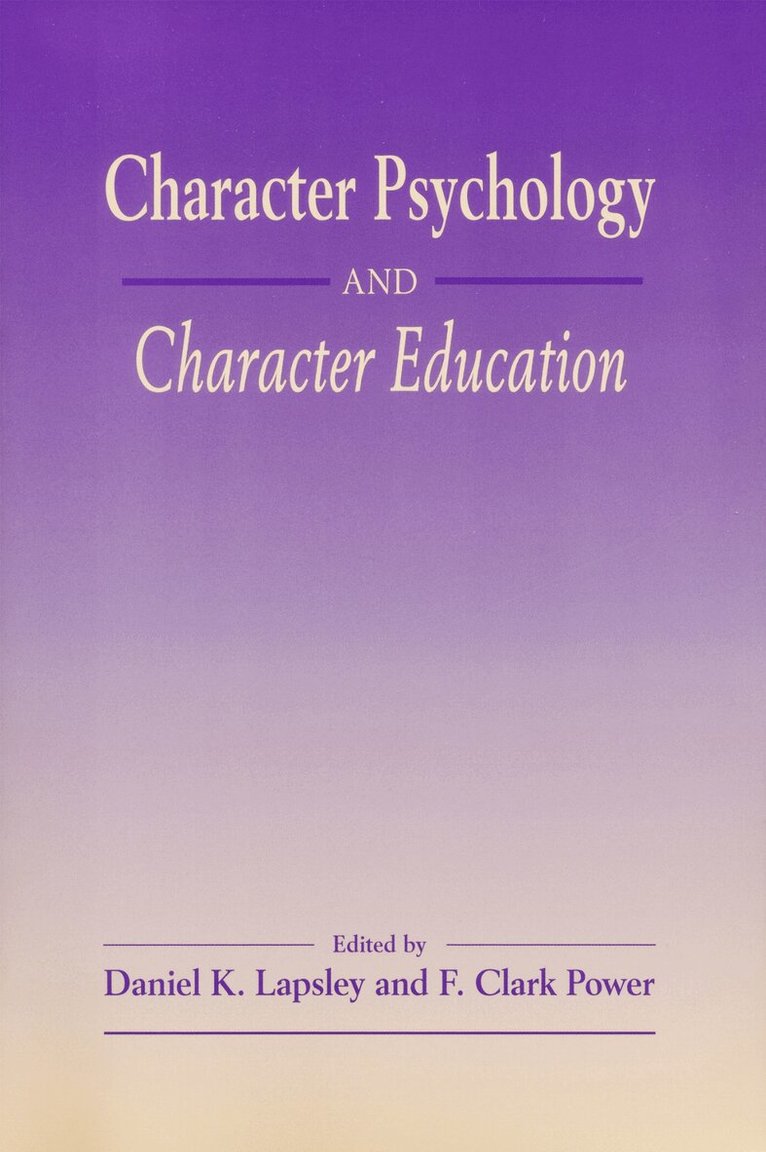
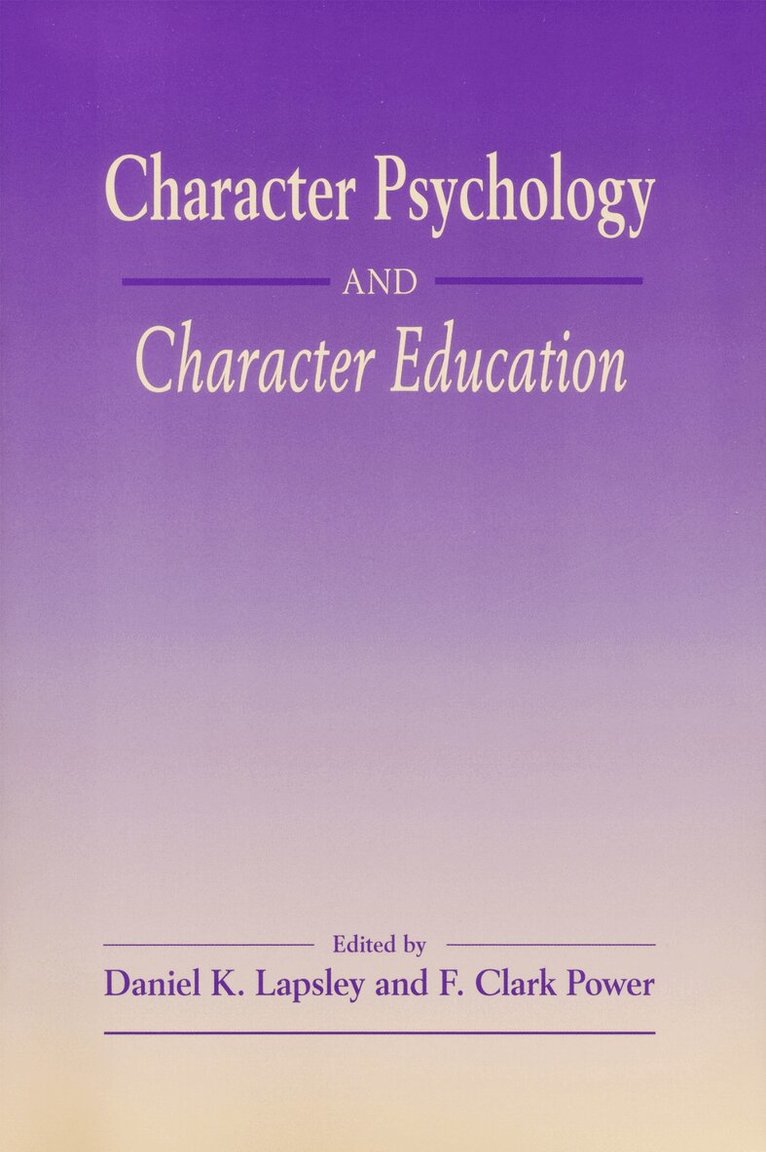
This collection of essays provides new perspectives on the nature of character and moral education by utilizing insights from the disciplines of moral psychology, moral philosophy, and education. The volume draws from personality and developmental research as well as educational and ethical theory. Character Psychology and Character Education distinguishes itself by bringing moral philosophers, who believe that ethical reflection about virtue and character must be tied to defensible notions of personality and selfhood, into dialogue with academic psychologists, who believe that the developmental study of the moral self requires adequate grounding in various psychological literatures. The first group embraces a "naturalized" ethics, while the second group favors a "psychologized" morality. Among the topics explored in this volume are the constructs of moral selfhood, personality, and identity, as well as defensible models of character education. One of the primary arguments of the volume is that problems of character education cannot be addressed until an adequate model of character psychology is developed. In addition to the excellent theoretical essays, this collection includes applied chapters that consider the challenge of character education in the context of schools, families, and organized sports. This book will be an invaluable resource both for scholars and practitioners in the fields of psychology and education.Contributors: Daniel K. Lapsley, F. Clark Power, Darcia Narvaez, Christine McKinnon, Augusto Blasi, Ann Higgins-D'Alessandro, David Light Shields, Brenda Light Bredemeier, Craig A. Cunningham, Joel J. Kupperman, Matthew L. Davidson, Robert J. Nash, Marvin W. Berkowitz, Melinda Bier, Jeannie Oakes, Karen Hunter Quartz, Steve Ryan, Martin Lipton, and Jay W. Brandenberger.
255 kr
Skickas inom 10-15 vardagar
This collection of essays provides new perspectives on the nature of character and moral education by utilizing insights from the disciplines of moral psychology, moral philosophy, and education. The volume draws from personality and developmental research as well as educational and ethical theory. Character Psychology and Character Education distinguishes itself by bringing moral philosophers, who believe that ethical reflection about virtue and character must be tied to defensible notions of personality and selfhood, into dialogue with academic psychologists, who believe that the developmental study of the moral self requires adequate grounding in various psychological literatures. The first group embraces a "naturalized" ethics, while the second group favors a "psychologized" morality. Among the topics explored in this volume are the constructs of moral selfhood, personality, and identity, as well as defensible models of character education. One of the primary arguments of the volume is that problems of character education cannot be addressed until an adequate model of character psychology is developed. In addition to the excellent theoretical essays, this collection includes applied chapters that consider the challenge of character education in the context of schools, families, and organized sports. This book will be an invaluable resource both for scholars and practitioners in the fields of psychology and education.Contributors: Daniel K. Lapsley, F. Clark Power, Darcia Narvaez, Christine McKinnon, Augusto Blasi, Ann Higgins-D'Alessandro, David Light Shields, Brenda Light Bredemeier, Craig A. Cunningham, Joel J. Kupperman, Matthew L. Davidson, Robert J. Nash, Marvin W. Berkowitz, Melinda Bier, Jeannie Oakes, Karen Hunter Quartz, Steve Ryan, Martin Lipton, and Jay W. Brandenberger.
939 kr
Skickas inom 10-15 vardagar
In the midst of the "cognitive revolution," there has been a veritable ex plosion of interest in topics that have been long banished from academic consideration under the intellectual hegemony of behaviorism. Most notably, notions of self, ego, and identity are reasserting themselves as fundamental problems in a variety of research traditions within psychol ogy and the social sciences. Theoretical models, review articles, edited vol umes, and empirical work devoted to these constructs are proliferating at a dizzying rate. This clearly attests to the renascent interest in these topics, the vitality of these research paradigms, and the promise that these constructs hold for explaining fundamental aspects of human development and behavior. Although the renewed academic interest in self, ego, and identity is obviously an exciting and healthy development, there is always the tenden cy for research to take on a parochial character. When boundaries are erected among different theoretical perspectives, when empirical findings are viewed in isolation, when theories are too sharply delimited and segre gated from other domains of behavior, then what may seem like progres sive, healthy, and content-increasing tendencies in a research paradigm may turn out to be, on closer inspection, merely an inchoate thrashing about. Fortunately there is an internal dynamic to scientific investigation that tends to combat this degenerating tendency. There is something about the rhythm of science that bids us to transcend parochial theoretical in terests and seek the most general theory.