F. M. Kamm – författare
Visar alla böcker från författaren F. M. Kamm. Handla med fri frakt och snabb leverans.
16 produkter
Almost Over
Aging, Dying, Dead
Av F. M. Kamm
Inbunden, 2020
638 kr
Lägg i varukorg
In Almost Over, F. M. Kamm presents a wide-ranging philosophical discussion of the moral, legal, and medical issues related to aging, dying, and death. She begins by considering different views about whether and why death is bad for the person who dies and what these views imply about the death of …
Almost Over
Aging, Dying, Dead
Av F. M. Kamm
E-bok, 2020
367 kr
Lägg i varukorg
In Almost Over , F. M. Kamm presents a wide-ranging philosophical discussion of the moral, legal, and medical issues related to aging, dying, and death. She begins by considering different views about whether and why death is bad for the person who dies and what these views imply about the death of …
Almost Over
Aging, Dying, Dead
Av F. M. Kamm
E-bok, 2020
367 kr
Lägg i varukorg
In Almost Over , F. M. Kamm presents a wide-ranging philosophical discussion of the moral, legal, and medical issues related to aging, dying, and death. She begins by considering different views about whether and why death is bad for the person who dies and what these views imply about the death of …
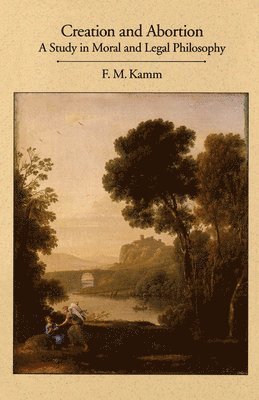
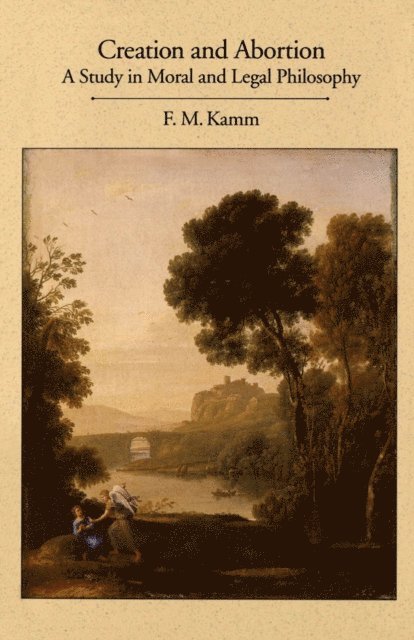
Creation and Abortion
A Study in Moral and Legal Philosophy
Av F. M. Kamm
E-bok, 1992
505 kr
Lägg i varukorg
Based on a non-consequentialist ethical theory, this book critically examines the prevalent view that if a fetus has the moral standing of a person, it has a right to life and abortion is impermissible. Most discussion of abortion has assumed that this view is correct, and so has focused on the …
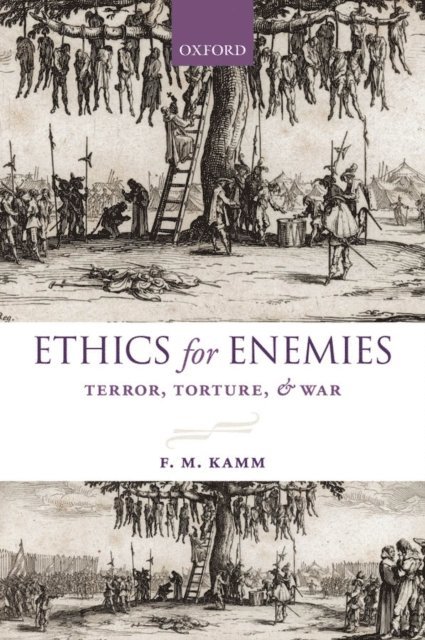
Ethics for Enemies
Terror, Torture, and War
Av F. M. Kamm
E-bok, 2011
359 kr
Lägg i varukorg
Ethics for Enemies comprises three original philosophical essays on torture, terrorism, and war. F. M. Kamm deploys ethical theory in her challenging new treatments of these most controversial practical issues. First she considers the nature of torture and the various occasions on which it could …
Creation and Abortion
An Essay in Moral and Legal Philosophy
Av F. M. Kamm
Häftad, 1992
911 kr
Lägg i varukorg
This book presents a new argument attacking the view that if the foetus has the moral standing of a person it has a right to life and abortion is impermissible. Most discussion of abortion has assumed that this premise is correct, and so has focused on the question of the personhood of the foetus. …
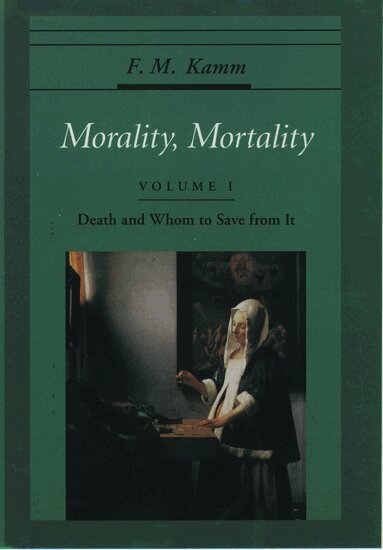
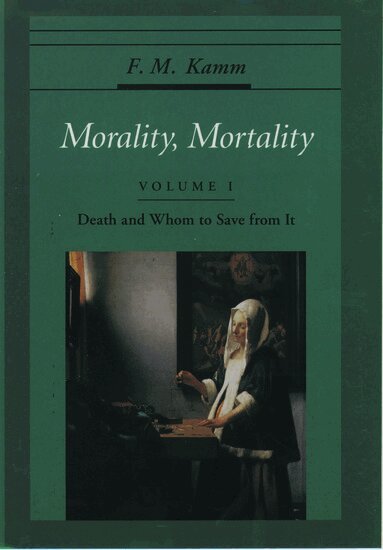
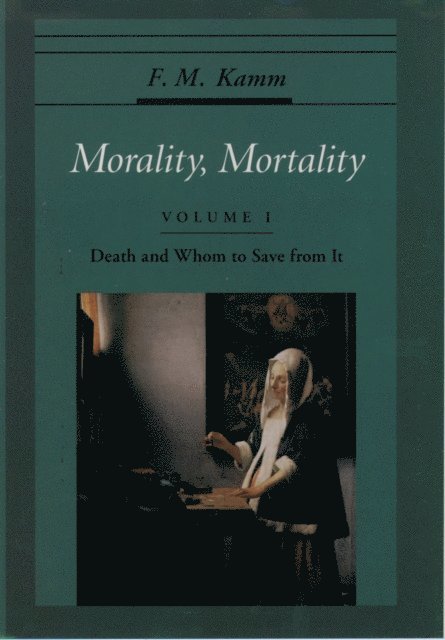
Morality, Mortality: Volume I: Death and Whom to Save From It
Av F. M. Kamm
Inbunden, 1994
4414 kr
Lägg i varukorg
Frances Kamm's book deals with the question of the badness of death. Death is generally felt to be the worst wrong that can happen to one. Philosophers from Epicurus onwards have argued, on the contrary, that as death involves the absence of experience, and bad things involve bad sensations, death …
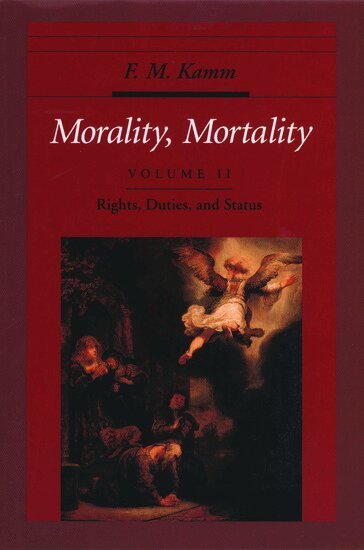
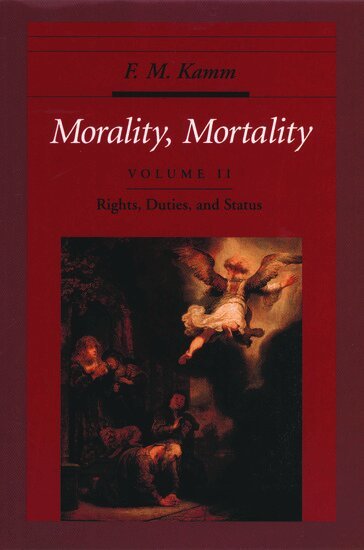
Morality, Mortality: Volume II: Rights, Duties, and Status
Av F. M. Kamm
Inbunden, 1996
4002 kr
Lägg i varukorg
Continuing the examination of life and death that F.M. Kamm began in Morality, Mortality, Volume I, this second volume begins with a discussion of the questions of the moral (in)equivalence of killing and letting die, harming and not aiding, intending and foreseeing harm, and also focuses on the …
Morality, Mortality: Volume I: Death and Whom to Save From It
Av F. M. Kamm
Häftad, 1998
940 kr
Lägg i varukorg
Why is death bad for us, even on the assumption that it involves the absence of experience? Whom should we save from death if we cannot save everyone? Kamm considers these questions, critically examining some answers other philosophers have given. She also examines specifically what differences …
Morality, Mortality: Volume II: Rights, Duties, and Status
Av F. M. Kamm
Häftad, 2001
940 kr
Lägg i varukorg
In Morality, Mortality, Volume II, Kamm continues to explore questions of life and death as illustrations of general issues in moral theory. Resuming her development of non- consequentialist ethical theory and its application to practical ethical problems, she explores the distinction between …
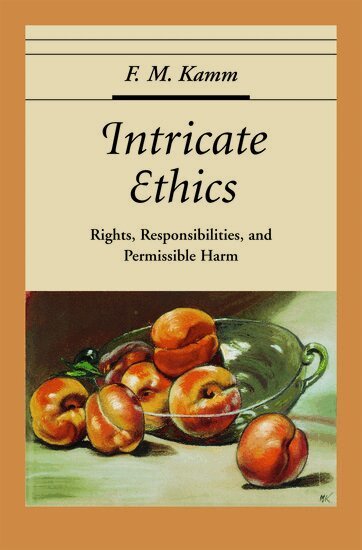
Intricate Ethics
Rights, Responsibilities, and Permissible Harm
Av F. M. Kamm
Inbunden, 2007
663 kr
Lägg i varukorg
F.M. Kamm is one of the leading ethical theorists working in philosophy today. She has become well known for her brand of exacting analysis, largely in defense of a non-consequentialist perspective - the view that some actions are right or wrong by virtue of something other than their consequences. …
Creation and Abortion
A Study in Moral and Legal Philosophy
Av F. M. Kamm
E-bok, 1992
569 kr
Lägg i varukorg
Based on a non-consequentialist ethical theory, this book critically examines the prevalent view that if a fetus has the moral standing of a person, it has a right to life and abortion is impermissible. Most discussion of abortion has assumed that this view is correct, and so has focused on the …
Morality, Mortality
Volume I: Death and Whom to Save from It
Av F. M. Kamm
E-bok, 1998
473 kr
Lägg i varukorg
Why is death bad for us, even on the assumption that it involves the absence of experience? Is it worse for us than prenatal nonexistence? Kamm begins by considering these questions, critically examining some answers other philosophers have given. She explores in detail suggestions based on our …
Morality, Mortality
Volume II: Rights, Duties, and Status
Av F. M. Kamm
E-bok, 2001
489 kr
Lägg i varukorg
In Morality, Mortality, Volume II , Kamm continues to explore questions of life and death as illustrations of general issues in moral theory. Resuming her development of non- consequentialist ethical theory and its application to practical ethical problems, she explores the distinction between …
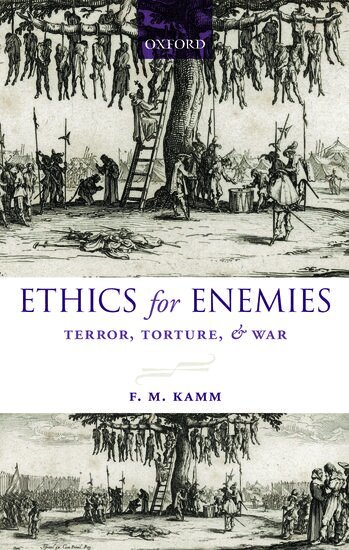
Ethics for Enemies
Terror, Torture, and War
Av F. M. Kamm
Inbunden, 2011
1537 kr
Lägg i varukorg
Ethics for Enemies comprises three original philosophical essays on torture, terrorism, and war. F. M. Kamm deploys ethical theory in her challenging new treatments of these most controversial practical issues. First she considers the nature of torture and the various occasions on which it could …
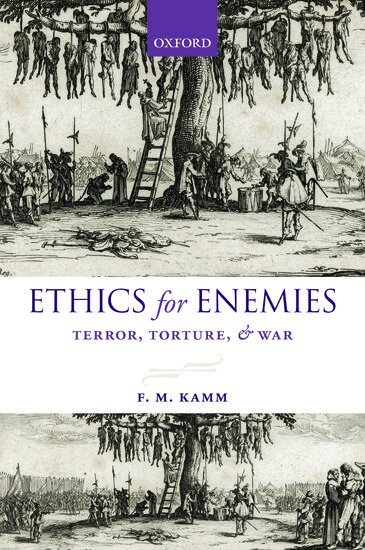
Ethics for Enemies
Terror, Torture, and War
Av F. M. Kamm, F. M. Kamm
Häftad, 2013
536 kr
Lägg i varukorg
Ethics for Enemies comprises three original philosophical essays on torture, terrorism, and war. F. M. Kamm deploys ethical theory in her challenging new treatments of these most controversial practical issues. First she considers the nature of torture and the various occasions on which it could …