
F. Scott Kraly - Böcker
Visar alla böcker från författaren F. Scott Kraly. Handla med fri frakt och snabb leverans.
2 produkter
2 produkter
194 kr
Tillfälligt slut
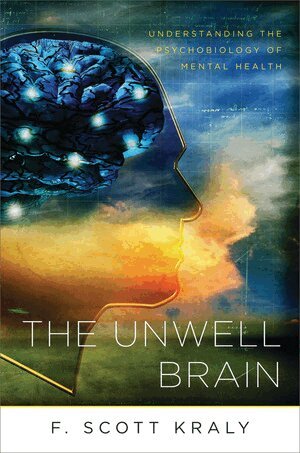
“What is going on in the brain of a person suffering a debilitating psychological disorder?” So begins Scott Kraly’s explanation of how brain chemistry affects behavior. While we continue to learn about the complexities of neurobiology, and our “quick fix” drug therapy mentality continues to gain popularity, the brain remains a largely uncharted frontier, where questions outnumber answers. But Kraly effectively demystifies the field of neuroscience, offering a brisk, digestible narrative of how malfunctioning neurons and neurochemicals can result in psychological disorders, and, in turn, how pharmacotherapy and psychotherapy can help repair various mental health disorders.Also available in hardcover as Brain Science and Psychological Disorders: New Perspectives on Psychotherapeutic Treatment.
310 kr
Tillfälligt slut
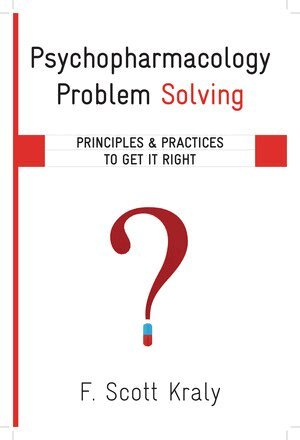
Psychotropic medications prescribed to treat mental disorders have become increasingly commonplace over the past half century, but the decision-making process for doing so continues to lack real clarity. Clinicians and patients alike face new challenges and questions thanks to the increasing availability of these drugs: When is the right time to prescribe something? Can I predict which drug will help this individual? When do I consider changing a medication? How do I assess whether a drug’s side effects make it worthwhile or not?The response to these challenging questions is not to stop medicating altogether. Psychotropic medications are useful clinical tools. But now more than ever we must consider what it means to medicate judiciously. It is time to slow down, pause, maybe even back up a bit, and reconsider how and why various drugs should be prescribed and monitored for success.The goal of this book is to encourage prudent, informed, and appropriate use of psychotropic medications—to encourage use that is respectful and aware of the strengths and limitations of these drugs. By presenting some fundamental principles of pharmacology as they apply to the clinical treatment of patients, and by offering practical, big-picture prescribing recommendations, Psychopharmacology Problem Solving helps to unravel an increasingly complex decision-making process.The first part of the book offers guidelines to keep in mind when working toward making informed choices regarding drug therapy. The second part of the book offers select examples of behavioral problems and psychological disorders—including addiction, obesity, schizophrenia, depression, anxiety, and ADHD—to illustrate how the principles or recommendations presented in Part I actually play out. The book concludes by considering the persistent problems and challenges that we face in our current and future use of psychotropic medications.Taking a hard look at the extraordinary and increasing trust clinicians, patients, and families of patients place in drug therapy for mental illness, this book gives readers an evidence-based anchor to help them make the right decisions.