Fabio Tutrone - Böcker
Visar alla böcker från författaren Fabio Tutrone. Handla med fri frakt och snabb leverans.
2 produkter
2 produkter
1 218 kr
Skickas inom 7-10 vardagar
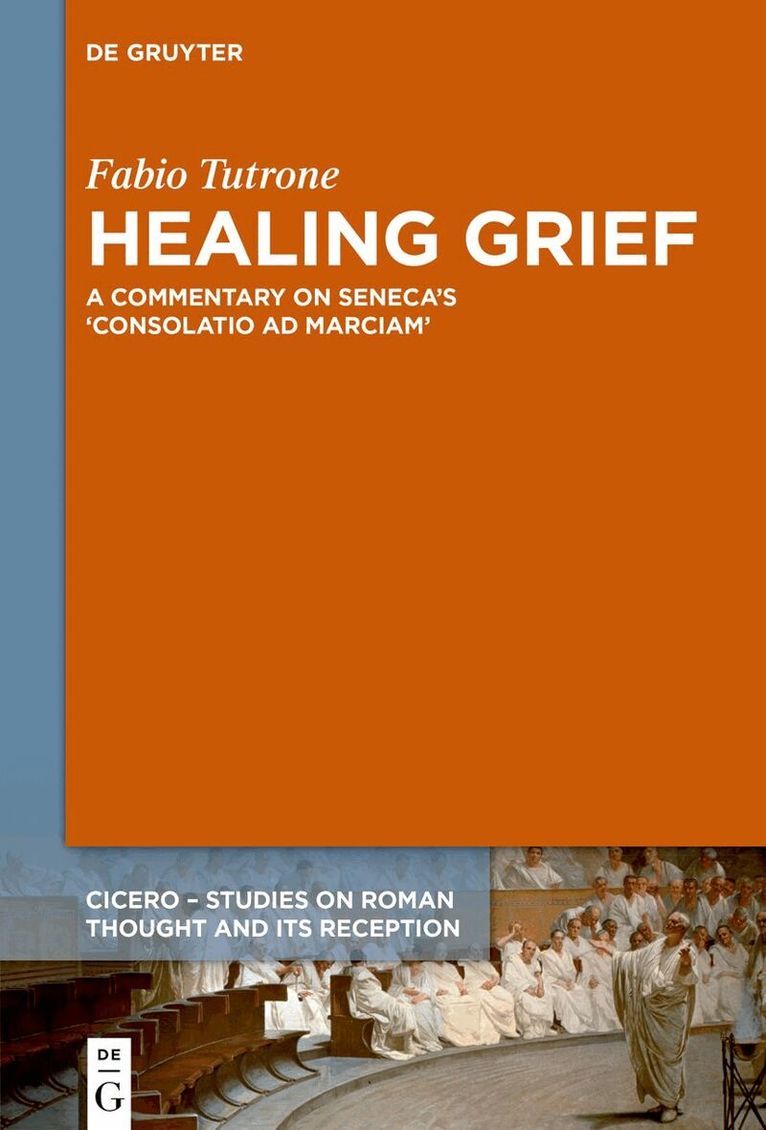
Both our view of Seneca’s philosophical thought and our approach to the ancient consolatory genre have radically changed since the latest commentary on the Consolatio ad Marciam was written in 1981. The aim of this work is to offer a new book-length commentary on the earliest of Seneca’s extant writings, along with a revision of the Latin text and a reassessment of Seneca’s intellectual program, strategies, and context. A crucial document to penetrate Seneca’s discourse on the self in its embryonic stages, the Ad Marciam is here taken seriously as an engaging attempt to direct the persuasive power of literary models and rhetorical devices toward the fundamentally moral project of healing Marcia’s grief and correcting her cognitive distortions. Through close reading of the Latin text, this commentary shows that Seneca invariably adapts different traditions and voices – from Greek consolations to Plato’s dialogues, from the Roman discourse of gender and exemplarity to epic poetry – to a Stoic framework, so as to give his reader a lucid understanding of the limits of the self and the ineluctability of natural laws.
2 053 kr
Kommande
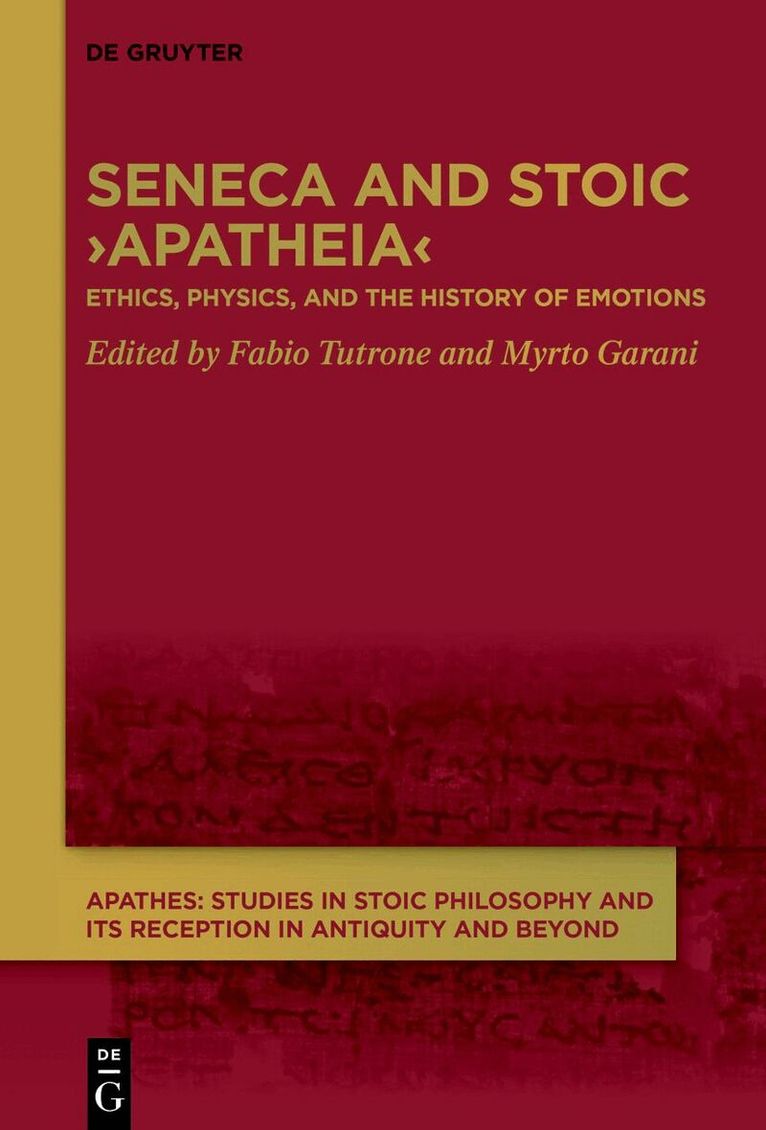
This volume situates itself at the intersection of two rapidly developing research areas: the investigation of Seneca’s reception of the Stoic tradition and the comparative study of the history of the emotions as culturally constructed phenomena. Impassiveness (apatheia) is usually regarded as the ultimate goal of the Stoic therapy of the emotions, since, by acting rationally, the Stoic wise person is expected to extinguish all emotions (pathē) except the ‘good’ ones (eupatheiai). Although a broad consensus exists on Seneca’s adherence to the Stoic worldview, no comprehensive study has ever been undertaken to assess the role of the notion of apatheia in the Senecan corpus in light of its connections with individual and social ethics, the physical constitution of the mind and the world, and the therapeutic task of philosophical writing. The contributions gathered in the present volume, written by a team of international scholars with recognized expertise in the area, aim to fill this gap by offering a fresh and critical overview of some of the most representative Senecan works, both in prose and in verse, which will be useful to classicists, ancient philosophers, cultural historians, and scholars of cognitive and psychological sciences.