Fabrice Weissman - Böcker
Visar alla böcker från författaren Fabrice Weissman. Handla med fri frakt och snabb leverans.
4 produkter
4 produkter
2 201 kr
Skickas inom 3-6 vardagar
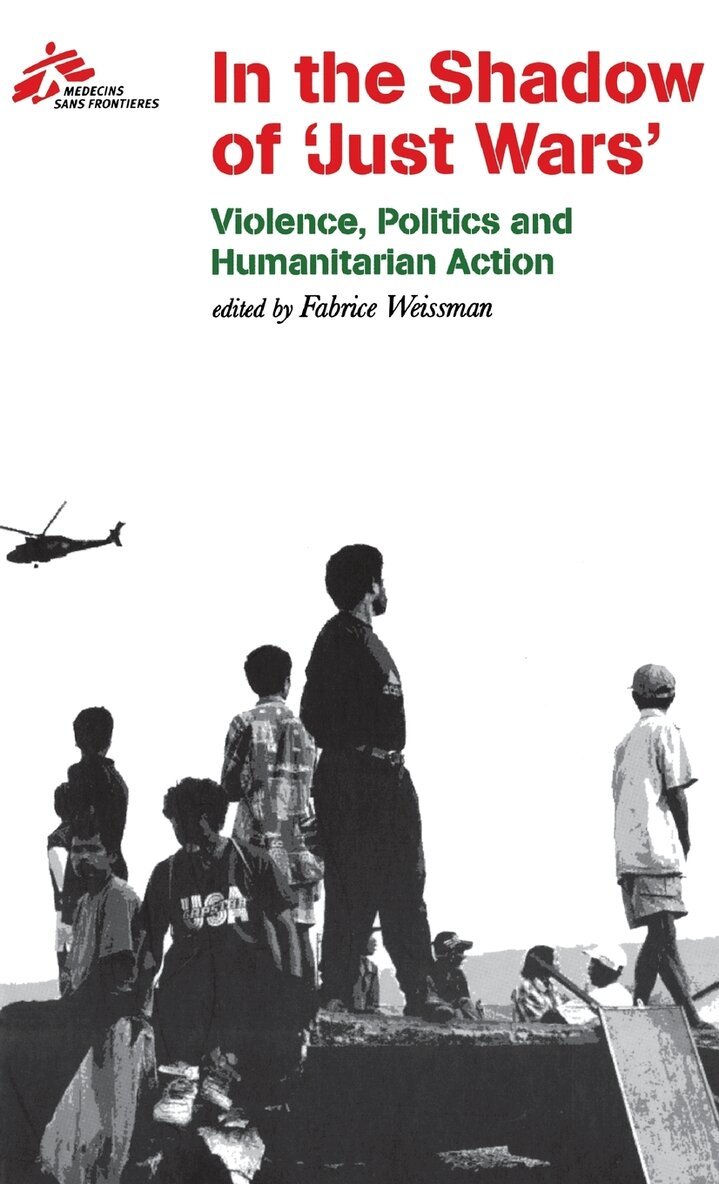
During the planning stages of military intervention in Iraq, humanitarian organizations were offered U.S. government funds to join the Coalition and operate under the umbrella of Operation Iraqi Freedom. Nongovernmental organizations had previously been asked to join in "just wars" in Kosovo, East Timor, Sierra Leone, and Afghanistan, wars initiated by Western powers against oppressive regimes or armed groups. Many aid organizations cooperated eagerly.Few Afghans regret the eclipse of the Taliban, or Sierra Leoneans the stabilization of their country after British military intervention in 2000. However, the incidental victims of these triumphs, those on the "wrong" side, are soon forgotten. Humanitarian organizations are duty-bound to save these people, although in so doing they must remain independent of the warring parties and not support the "struggle against evil" or any other political agenda. Then there are places where the pretense of providing assistance allows donor governments to disguise their support for local political powers. Millions in North Korea, Angola, and Sudan have starved to death because of the diversion and unequal distribution of huge quantities of food aid. There are also those whose sacrifice is politically irrelevant in the wider picture of international relations—the victims of brutal wars in Algeria, Chechnya, and Liberia, for instance, where what little international aid is available is subsumed by the adversaries' desire to wage total war, to exterminate entire populations.In this book, international experts and members of Médecins Sans Frontières analyze the way these issues have crystallized over the five years spanning the end of the twentieth century and the beginning of the twenty-first. They make the case for a renewed commitment to an old ideal: a humanitarianism that defies a politics of expendable lives.
727 kr
Skickas inom 3-6 vardagar
During the planning stages of military intervention in Iraq, humanitarian organizations were offered U.S. government funds to join the Coalition and operate under the umbrella of Operation Iraqi Freedom. Nongovernmental organizations had previously been asked to join in "just wars" in Kosovo, East Timor, Sierra Leone, and Afghanistan, wars initiated by Western powers against oppressive regimes or armed groups. Many aid organizations cooperated eagerly.Few Afghans regret the eclipse of the Taliban, or Sierra Leoneans the stabilization of their country after British military intervention in 2000. However, the incidental victims of these triumphs, those on the "wrong" side, are soon forgotten. Humanitarian organizations are duty-bound to save these people, although in so doing they must remain independent of the warring parties and not support the "struggle against evil" or any other political agenda. Then there are places where the pretense of providing assistance allows donor governments to disguise their support for local political powers. Millions in North Korea, Angola, and Sudan have starved to death because of the diversion and unequal distribution of huge quantities of food aid. There are also those whose sacrifice is politically irrelevant in the wider picture of international relations—the victims of brutal wars in Algeria, Chechnya, and Liberia, for instance, where what little international aid is available is subsumed by the adversaries' desire to wage total war, to exterminate entire populations.In this book, international experts and members of Médecins Sans Frontières analyze the way these issues have crystallized over the five years spanning the end of the twentieth century and the beginning of the twenty-first. They make the case for a renewed commitment to an old ideal: a humanitarianism that defies a politics of expendable lives.
322 kr
Skickas inom 7-10 vardagar
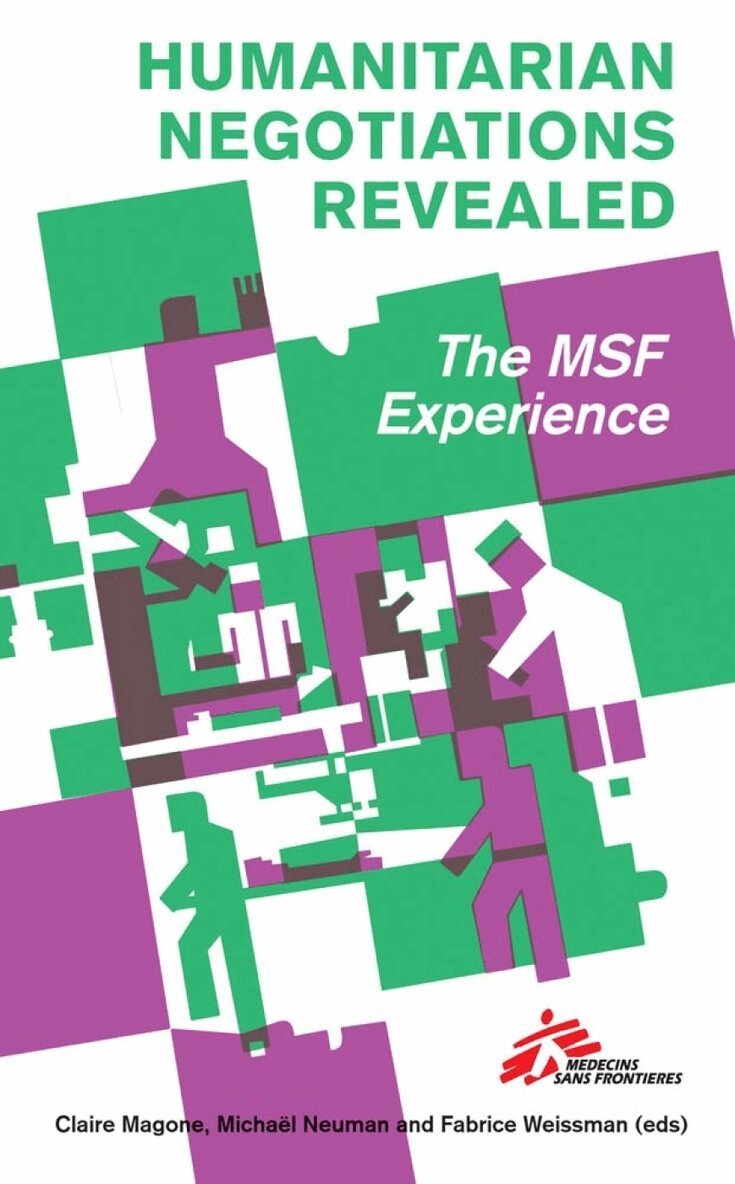
From international NGOs to UN agencies, from donors to observers of humanitarianism, opinion is unanimous: in a context of the alleged 'clash of civilizations', our 'humanitarian space' is shrinking. Put in another way, the freedom of action and of speech of humanitarians is being eroded due to the radicalization of conflicts and to the reaffirmation of state sovereignty over aid actors and policies. The purpose of this book is to challenge this assumption through the analysis of the events that have marked MSF's history since 2003 (when MSF published its first general work on humanitarian action and its relationships with governments). It addresses the evolution of humanitarian goals, the resistance to these goals and the political arrangements that overcame this resistance (or that failed to do so). The contributors seek to analyze the political transactions and balances of power and interests that allow aid activities to move forward, but that are usually masked by the lofty rhetoric of 'humanitarian principles'. They focus on one key question: what is an acceptable compromise for MSF. This book seeks to puncture a number of the myths that have grown up over the last forty years since MSF was founded and describes in detail how the ideals of humanitarian principles and 'humanitarian space' to operate in conflict zones are in reality illusory. How in fact it is the grubby negotiations with varying parties, each of whom have their own vested interests, that may allow organisations such as MSF to operate in a given crisis situation -- or not
Saving Lives and Staying Alive
The Professionalisation of Humanitarian Security
Häftad, Engelska, 2016
221 kr
Skickas inom 7-10 vardagar
Much like the large commercial companies, most humanitarian aid organisations now have departments specifically dedicated to protecting the security of their personnel and assets. The management of humanitarian security has gradually become the business of professionals who develop data collection systems, standardized procedures, norms, and training meant to prevent and manage risks. A large majority of aid agencies and security experts see these developments as inevitable -- all the more so because of quantitative studies and media reports concluding that the dangers to which aid workers are today exposed are completely unprecedented. Yet, this trend towards professionalisation is also raising questions within aid organisations, MSF included. Can insecurity be measured by scientific means and managed through norms and protocols? How does the professionalisation of security affect the balance of power between field and headquarters, volunteers and the institution that employs them? What is its impact on the implementation of humanitarian organizations' social mission? Are there alternatives to the prevailing security model(s) derived from the corporate world?Building on MSF's experience and observations of the aid world by academics and practitioners, the authors of this book look at the drivers of the professionalization of humanitarian security and its impact on humanitarian practices, with a specific focus on Syria, CAR and kidnapping in the Caucasus.