Fanny Wonu Veys – författare
Visar alla böcker från författaren Fanny Wonu Veys. Handla med fri frakt och snabb leverans.
4 produkter
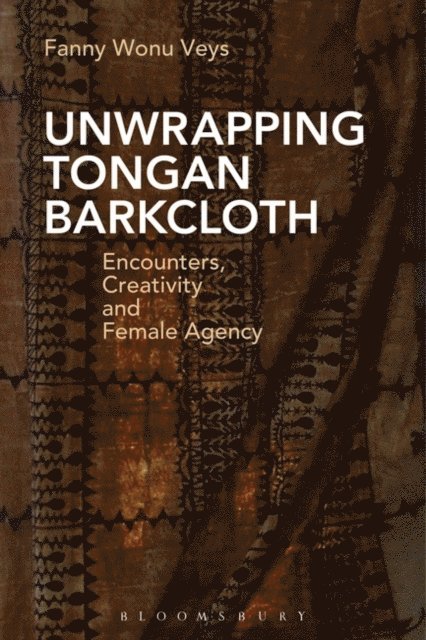
Unwrapping Tongan Barkcloth
Encounters, Creativity and Female Agency
E-bok, 2017
2247 kr
Lägg i varukorg
Tongan barkcloth, made from the inner bark of the paper mulberry tree, still features lavishly in Polynesian ceremonies all over the world. Yet despite the attention paid to this textile by anthropologists and art historians alike, little is known about its history. Providing a unique insight into …
Unwrapping Tongan Barkcloth
Encounters, Creativity and Female Agency
E-bok, 2017
2247 kr
Lägg i varukorg
Tongan barkcloth, made from the inner bark of the paper mulberry tree, still features lavishly in Polynesian ceremonies all over the world. Yet despite the attention paid to this textile by anthropologists and art historians alike, little is known about its history. Providing a unique insight into …
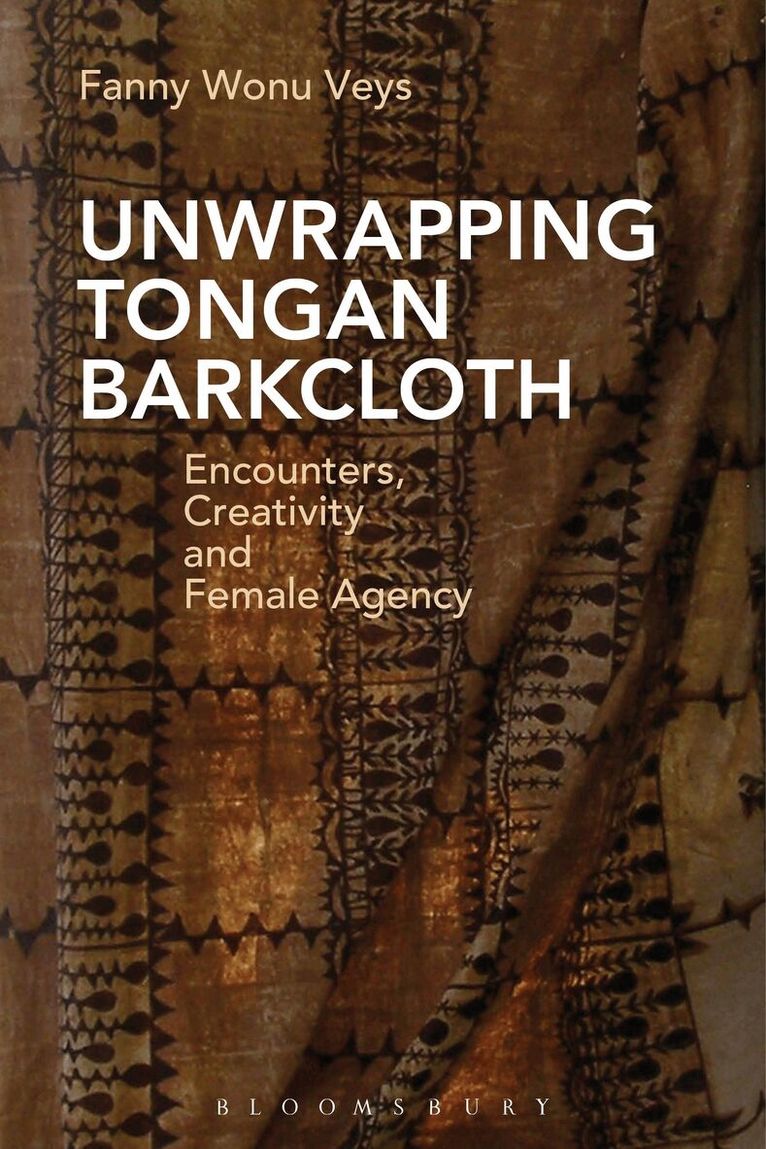
Unwrapping Tongan Barkcloth
Encounters, Creativity and Female Agency
Inbunden, 2017
2038 kr
Lägg i varukorg
Tongan barkcloth, made from the inner bark of the paper mulberry tree, still features lavishly in Polynesian ceremonies all over the world. Yet despite the attention paid to this textile by anthropologists and art historians alike, little is known about its history. Providing a unique insight into …
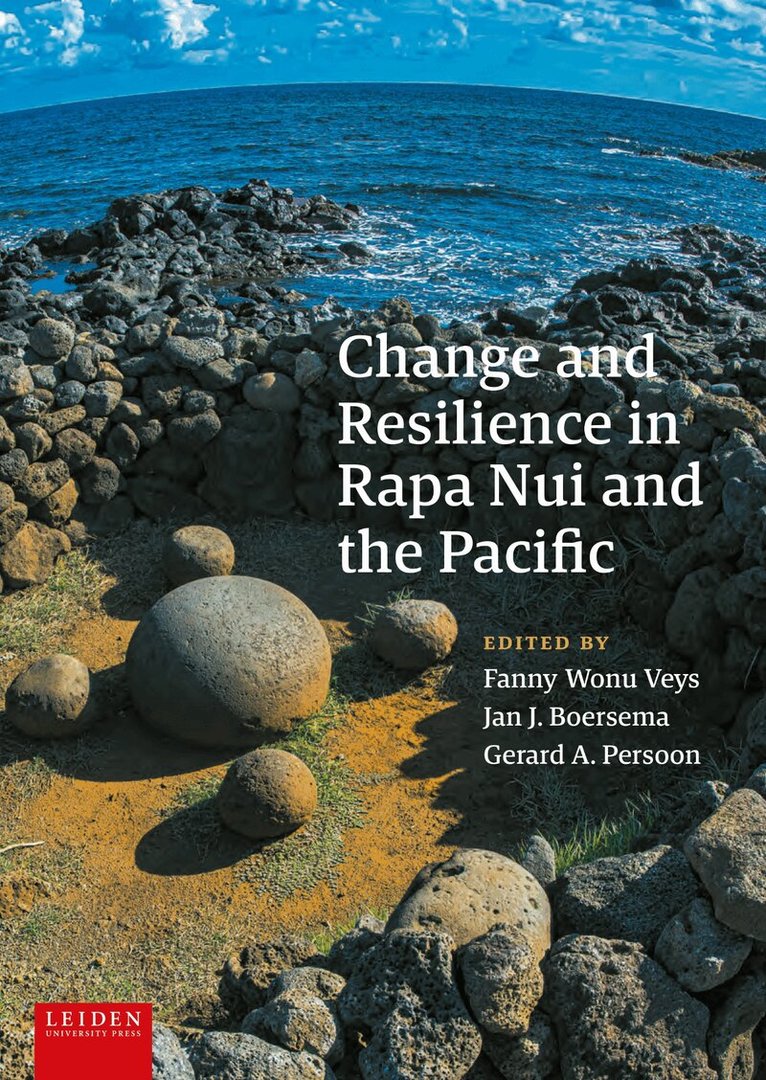
Change and Resilience in Rapa Nui and the Pacific
Av Fanny Wonu Veys, Jan J. Boersema m. fl.
Häftad, 2026
898 kr
Lägg i varukorg
This edited volume reflects the latest research on Rapa Nui and the Pacific in the fields of archaeology, education, history, Indigenous studies and museology. Archaeologists show the relationship between value judgments, archaeological data and mapping; economic, ideological and socio-political …