Farkas Gábor Kiss - Böcker
Visar alla böcker från författaren Farkas Gábor Kiss. Handla med fri frakt och snabb leverans.
2 produkter
2 produkter
4 500 kr
Kommande
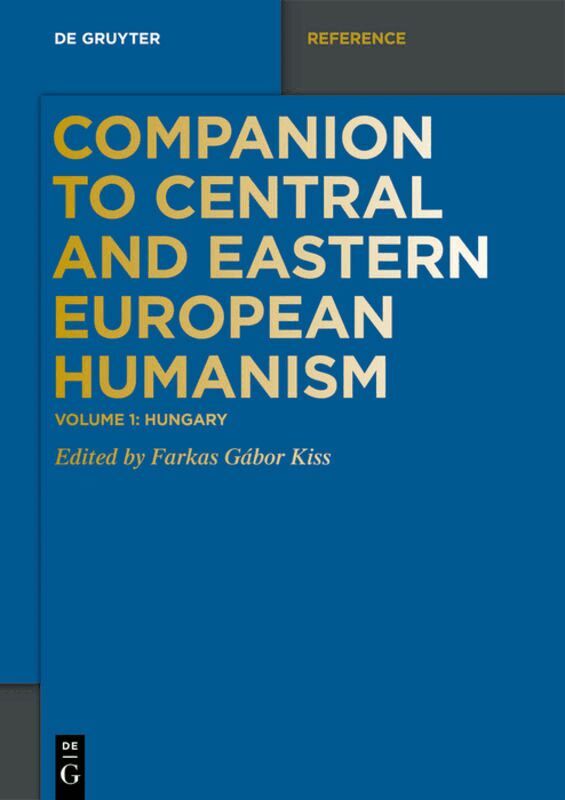
Renaissance humanism was a broad intellectual and cultural movement, which contributed significantly to the development of various scholarly disciplines from theology to the different branches of natural sciences. While the bulk of the research has focused on Western European and Mediterranean cultural practices in the 15th–17th centuries, major figures of Renaissance humanism in some countries of Central Europe (Bohemia, Hungary, Poland, etc.) remain virtually unknown outside this area. Despite some recent monographs on the most significant humanists and courts of the age in Central Europe, there exists no equivalent of the exemplary "Verfasserlexikon" series for these lands. Consequently, the life and works of important intellectuals remain in the shadows, and are not accessible in English-language reference works. This work provides a complete reexamination of the nature and significance of East-Central European humanism in the period 1420–1620 through a thorough study of the humanists’ lives and literary output in a biographical series. This volume present the authors and texts of Renaissance humanism in Hungary in the framework of the multi-volume reference work 'Companion to Humanism in East Central Europe'.
1 676 kr
Skickas inom 3-6 vardagar
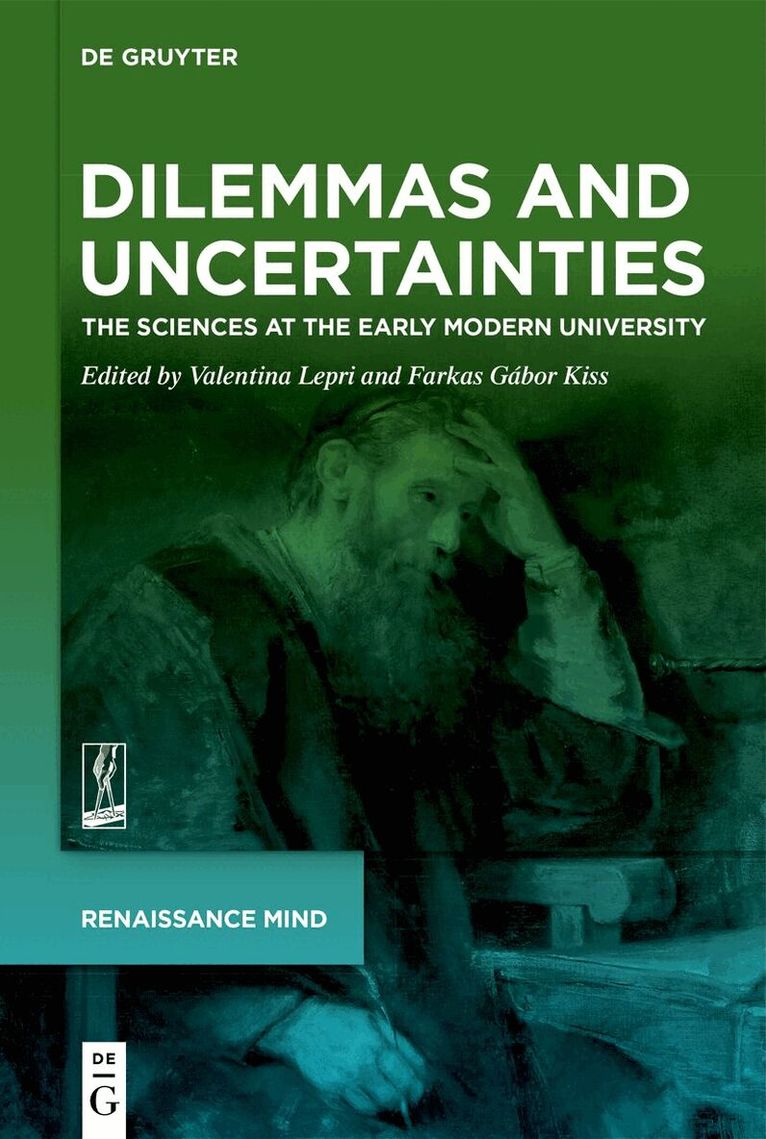
The authors of this volume bring new insights to the intellectual history of knowledge and belief in sciences, and they do so by focusing on the presence of debates and multiple truths in university context. It has been observed that “in the past two decades, scholars have come to value uncertainty as an important key to seventeenth-century Catholicism”, and this statement could be easily extended to Protestant intellectual traditions, as well. After that earlier research had focused on skepticism and doubt in the early modern era for a long time, recent scholarship has come to understand the importance of multiple truths, and the practices of choosing between more or less probable options. Probabilism, choosing the more probable option seems to have been a wide-reaching and pervasive intellectual behavior that has been often overlooked. Multiple, diverse truths did not necessarily imply a skeptic attitude to scientific or theological questions: instead, they taught the reader, the student, to argue for or against, and to understand the importance of choosing between the options. Moreover, they maintained a space for another notion of central importance in early modern intellectual traditions: belief.From Paris to Prague, from Tartu to Padua, these papers revolve around problems that raised uncertainties in the early modern mind. In some cases, these were born out of new experiences and insights that shaped existing sets of knowledge, while in other cases, they were based on theoretical concerns. But they all clearly show that uncertainty was a central – and productive – element of early modern scholarship, which was transmitted to the students already during their years of study.