Fatemeh Keshavarz – författare
Visar alla böcker från författaren Fatemeh Keshavarz. Handla med fri frakt och snabb leverans.
9 produkter
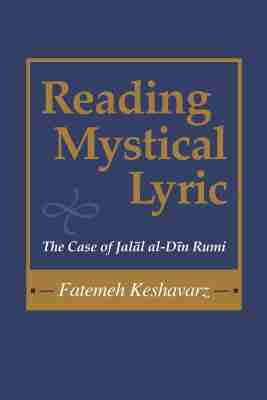
Reading Mystical Lyric
The Case of Jalal Al-Din Rumi
Häftad, 2004
285 kr
Lägg i varukorg
Jalal al-Din Rumi, a towering figure in the Persian speaking world, is currently the most widely published poet in English translation. Yet despite the popularity of his verse, the majority of scholarship on his work focuses not on Rumi's poetry but on his contributions as a mystic. Keshavarz's …
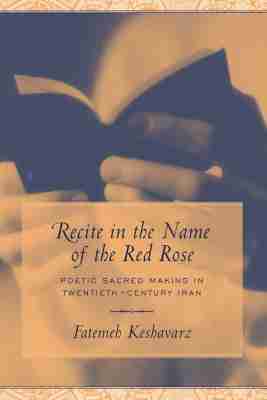
Recite in the Name of the Red Rose
Poetic Sacred Making in Twentieth-century Iran
Inbunden, 2006
654 kr
Lägg i varukorg
Recite in the Name of the Red Rose introduces Western readers to constructions of the sacred in twentieth-century Iranian poetry. Sifting through the lives and writings of modern and classical poets, Fatemeh Keshavarz provides a systematic examination of the array of religious impulses in recent …
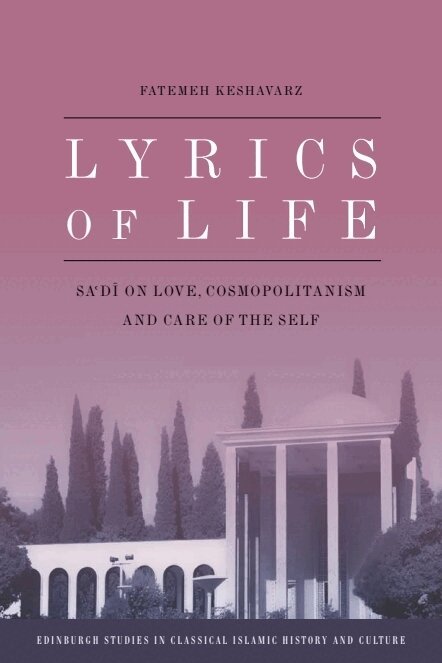
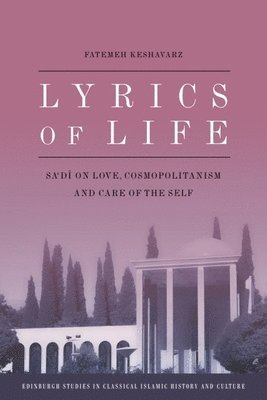
Lyrics of Life
Sa'di on Love, Cosmopolitanism and Care of the Self
Inbunden, 2014
1647 kr
Lägg i varukorg
This imaginative and accessible study of the lyrical, humorous, social and educational aspects of classical Persian poetry focuses on the works of the master medieval poet Sa‘di of Shiraz (d. 1291), one of the funniest, most influential and lyrical figures in classical Persian poetry. Sa’di, a …
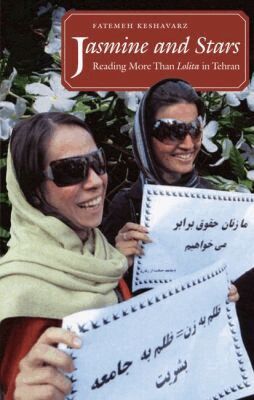
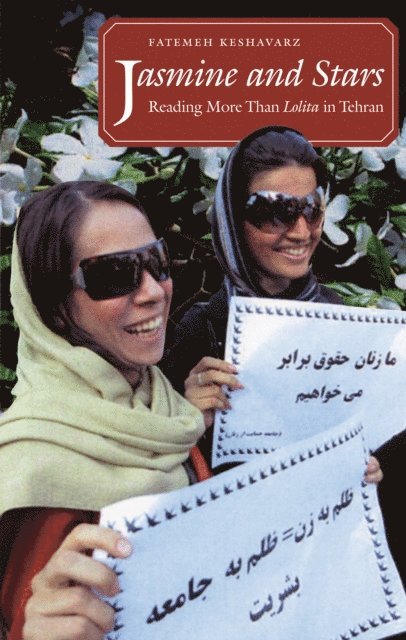
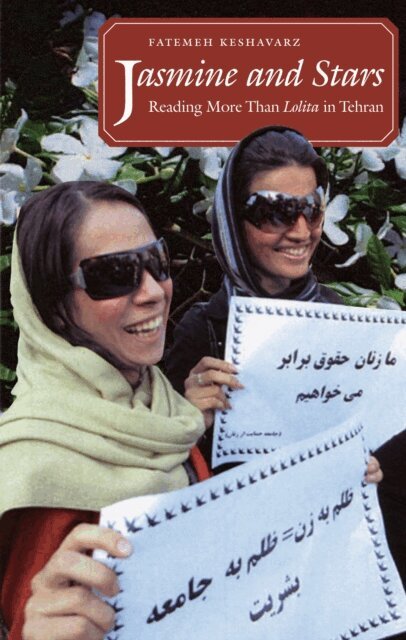
Jasmine and Stars
Reading More Than Lolita in Tehran
Häftad, 2009
349 kr
Lägg i varukorg
In a direct, frank, and intimate exploration of Iranian literature and society, scholar, teacher, and poet Fatemeh Keshavarz challenges popular perceptions of Iran as a society bereft of vitality and joy. Her fresh perspective on present day Iran provides a rare insight into this rich culture alive …
Jasmine and Stars
Reading More Than Lolita in Tehran
E-bok, 2007
221 kr
Lägg i varukorg
In a direct, frank, and intimate exploration of Iranian literature and society, scholar, teacher, and poet Fatemeh Keshavarz challenges popular perceptions of Iran as a society bereft of vitality and joy. Her fresh perspective on present-day Iran provides a rare insight into this rich culture alive …
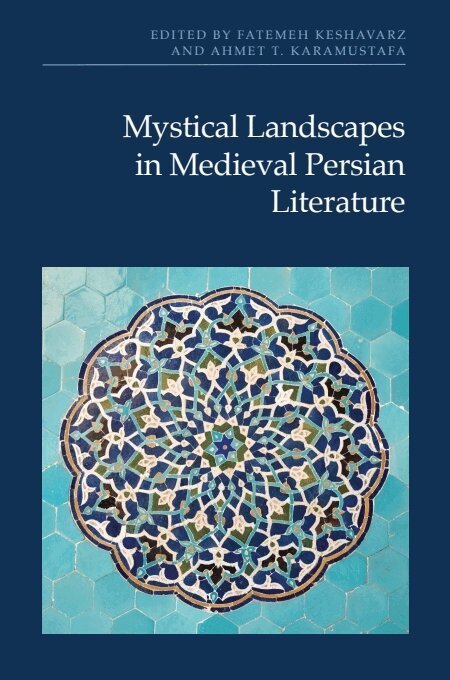
Mystical Landscapes in Medieval Persian Literature
Av Fatemeh Keshavarz, Ahmet T. Karamustafa
Inbunden, 2025
2102 kr
Lägg i varukorg
In this collection, Fatemeh Keshavarz and Ahmet T. Karamustafa bring together leading researchers from comparative literature, history, literary criticism and religious studies to explore the major authors and genres of medieval Persian mystical literature. Breaking out of the all-inclusive …
Mystical Landscapes in Medieval Persian Literature
Av Fatemeh Keshavarz, Ahmet T. Karamustafa
Häftad, 2026
594 kr
Lägg i varukorg
In this collection, Fatemeh Keshavarz and Ahmet T. Karamustafa bring together leading researchers from comparative literature, history, literary criticism and religious studies to explore the major authors and genres of medieval Persian mystical literature. Breaking out of the all-inclusive …
Lyrics of Life
Sa'di on Love, Cosmopolitanism and Care of the Self
Häftad, 2026
289 kr
Lägg i varukorg
This imaginative and accessible study of the lyrical, humorous, social and educational aspects of classical Persian poetry focuses on the works of the master medieval poet Sa‘di of Shiraz (d. 1291), one of the funniest, most influential and lyrical figures in classical Persian poetry. Sa’di, a …
Jasmine and Stars
Reading More Than Lolita in Tehran
E-bok, 2007
221 kr
Lägg i varukorg
In a direct, frank, and intimate exploration of Iranian literature and society, scholar, teacher, and poet Fatemeh Keshavarz challenges popular perceptions of Iran as a society bereft of vitality and joy. Her fresh perspective on present-day Iran provides a rare insight into this rich culture alive …