Felicity Heal – författare
Visar alla böcker från författaren Felicity Heal. Handla med fri frakt och snabb leverans.
12 produkter
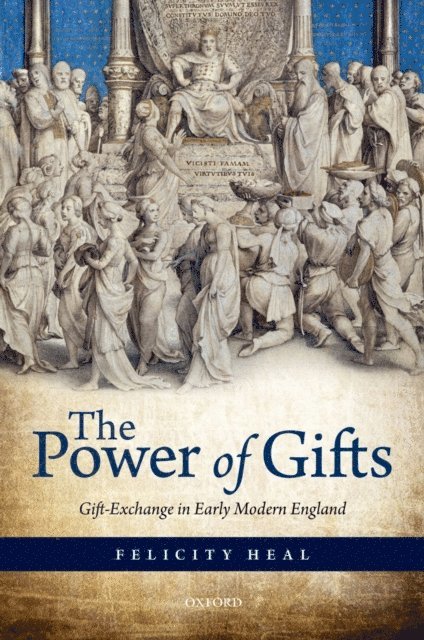
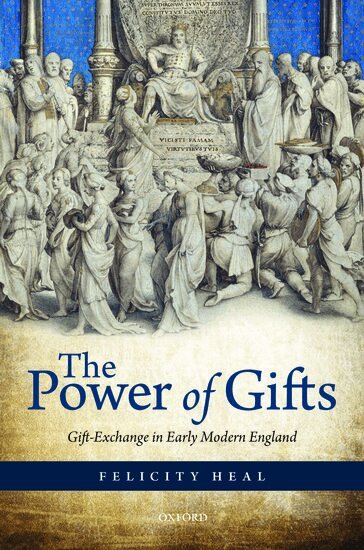
Power of Gifts
Gift Exchange in Early Modern England
E-bok, 2014
1643 kr
Lägg i varukorg
Gifts are always with us: we use them positively to display affection and show gratitude for favours; we suspect that others give and accept them as douceurs and bribes. The gift also performed these roles in early modern English culture: and assumed a more significant role because networks of …
Reformation in Britain and Ireland
E-bok, 2003
862 kr
Lägg i varukorg
The study of the Reformation in England and Wales, Ireland and Scotland has usually been treated by historians as a series of discrete national stories. Reformation in Britain and Ireland draws upon the growing genre of writing about British History to construct an innovative narrative of religious …
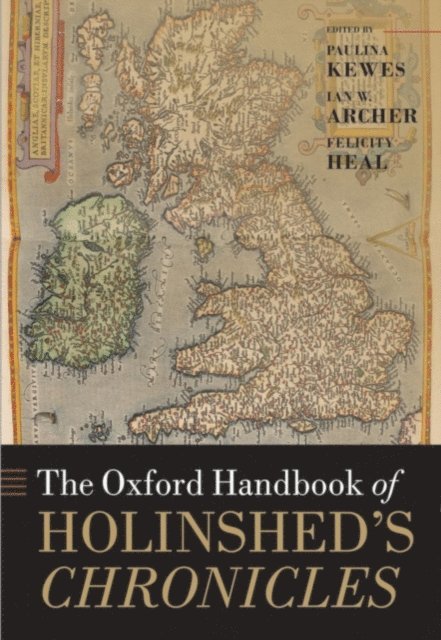
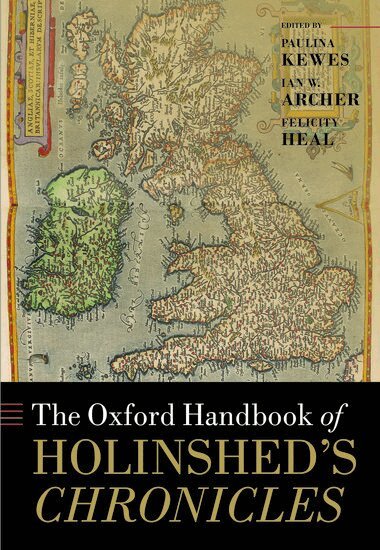
Oxford Handbook of Holinshed's Chronicles
Av Felicity Heal, Ian W. Archer m. fl.
E-bok, 2012
2108 kr
Lägg i varukorg
The Chronicles of England, Scotland and Ireland (1577, 1587), issued under the name of Raphael Holinshed, was the crowning achievement of Tudor historiography, and became the principal source for the historical writings of Spenser, Daniel and, above all, Shakespeare. While scholars have long been …
Oxford Handbook of Holinshed's Chronicles
Av Felicity Heal, Ian W. Archer m. fl.
E-bok, 2012
2108 kr
Lägg i varukorg
The Chronicles of England, Scotland and Ireland (1577, 1587), issued under the name of Raphael Holinshed, was the crowning achievement of Tudor historiography, and became the principal source for the historical writings of Spenser, Daniel and, above all, Shakespeare. While scholars have long been …
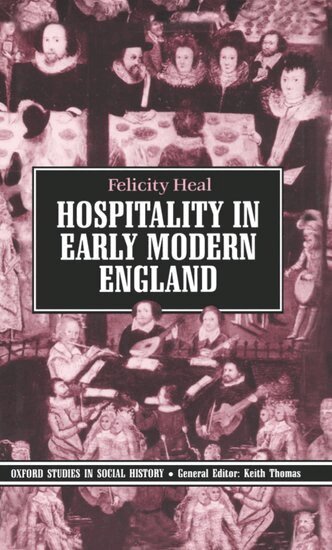
Hospitality in Early Modern England
Inbunden, 1990
2650 kr
Lägg i varukorg
This book is the first study of the ideal and practice of hospitality in England between the fifteenth and seventeenth centuries. In early modern England, hospitality was believed to be a vital social virtue, comparable in significance to the maintenance of honesty or the proper pursuit of honour, …
Reformation in Britain and Ireland
Inbunden, 2003
5423 kr
Lägg i varukorg
The study of the Reformation in England and Wales, Ireland and Scotland has usually been treated by historians as a series of discrete national stories. Reformation in Britain and Ireland draws upon the growing genre of writing about British History to construct an innovative narrative of religious …
Reformation in Britain and Ireland
Häftad, 2005
1390 kr
Lägg i varukorg
The study of the Reformation in England and Wales, Ireland and Scotland has usually been treated by historians as a series of discrete national stories. Reformation in Britain and Ireland draws upon the growing genre of writing about British History to construct an innovative narrative of religious …
The Power of Gifts
Gift Exchange in Early Modern England
Inbunden, 2014
2490 kr
Lägg i varukorg
Gifts are always with us: we use them positively to display affection and show gratitude for favours; we suspect that others give and accept them as douceurs and bribes. The gift also performed these roles in early modern English culture: and assumed a more significant role because networks of …
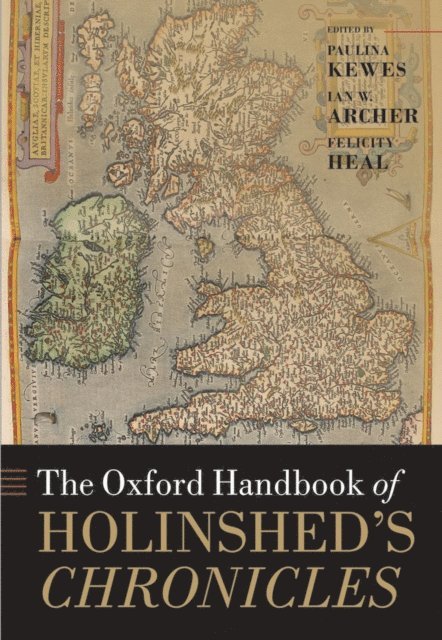
The Oxford Handbook of Holinshed's Chronicles
Av Paulina Kewes, Ian W. Archer m. fl.
Inbunden, 2012
3021 kr
Lägg i varukorg
The Chronicles of England, Scotland and Ireland (1577, 1587), issued under the name of Raphael Holinshed, was the crowning achievement of Tudor historiography, and became the principal source for the historical writings of Spenser, Daniel and, above all, Shakespeare. While scholars have long been …
Gentry in England and Wales, 1500-1700
Av Felicity Heal, Clive Holmes
Häftad, 1994
1172 kr
Lägg i varukorg
The book is the first full analysis of the gentry in the early modern period since G.E.Mingay The Gentry: the Rise and Fall of a Ruling Class (1976). It offers a synthesis of the recent specialist work on this key social and political group, but will also provide a distinctive approach to its …
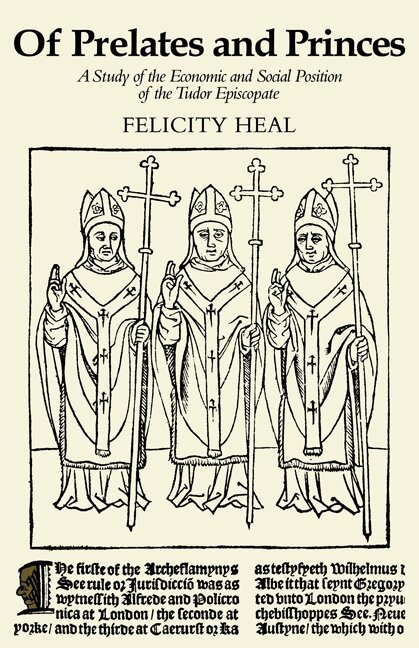
Of Prelates and Princes
A Study of the Economic and Social Position of the Tudor Episcopate
Häftad, 2008
787 kr
Lägg i varukorg
The Tudor bishops were men of power and influence within the English realm, both because they possessed spiritual authority and because they exercised lordship over great estates. This book examines their activities as temporal lords: it seeks to discover how wealthy they were and to what uses …
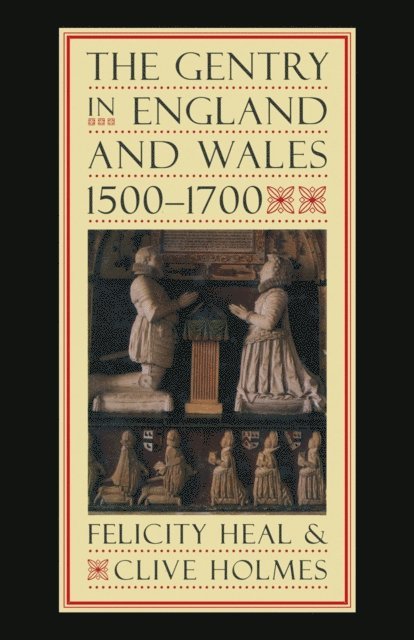
Gentry in England and Wales, 1500-1700
Av Felicity Heal, Clive Holmes
E-bok, 1994
1284 kr
Lägg i varukorg
The book is the first full analysis of the gentry in the early modern period since G.E.Mingay The Gentry: the Rise and Fall of a Ruling Class (1976). It offers a synthesis of the recent specialist work on this key social and political group, but will also provide a distinctive approach to its …