Felicity Henderson - Böcker
Visar alla böcker från författaren Felicity Henderson. Handla med fri frakt och snabb leverans.
2 produkter
2 produkter
3 531 kr
Skickas inom 7-10 vardagar
Francis Lodwick FRS (1619-94) was a prosperous merchant, bibliophile, writer, thinker, and member of the Royal Society. He wrote extensively on language, religion, and experimental philosophy, most of it too controversial to be safely published during his lifetime. This edition includes the first publication of his unorthodox religious works alongside groundbreaking writings on language. Following an extensive introduction by the editors the book is divided into three parts. Part One includes A Common Writing (1647), the first English attempt at an artificial language, and the equally pioneering phonetic alphabet set out in An Essay Towards an Universal Alphabet (1686). Part Two contains a series of linked short treatises on the nature of religion and divine revelation, including 'Of the Word of God' and 'Of the Use of Reason in Religion', in which Lodwick argues for a new understanding of the Bible, advocates a rational approach to divine worship, and seeks to reinterpret received religion for an age of reason. The final part of the book contains his unpublished utopian fiction, A Country Not Named: here he creates a world to express his most firmly-held opinions on language and religion, and in which his utopians found a church that bans the Bible. The book gives new insights into the religious aspects of the scientific revolution and throws fresh light on the early modern frame of mind. It is aimed at intellectual and cultural historians, historians of science and linguistics, and literary scholars - indeed, at all those interested in the interplay of ideas, language, and religion in seventeenth-century England
199 kr
Skickas
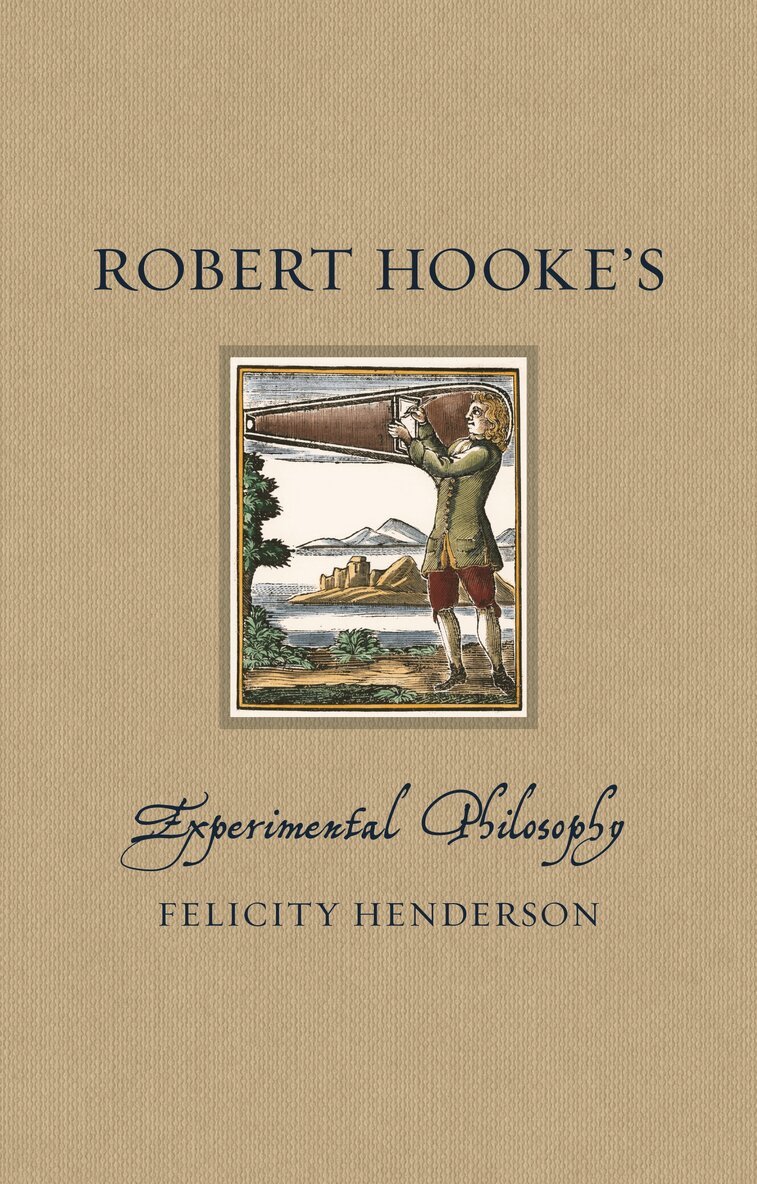
Robert Hooke was England’s first professional scientist, and a pioneer in the field of science communication. He was also one of the few early scientists to leave a detailed manual describing how others could follow his lead and become ‘experimental philosophers’ themselves. This new biography takes Hooke’s scientific method as its starting point, exploring what Hooke himself saw as the key aspects of a scientific life. It follows Hooke through the shops of instrument makers and craftsmen, into coffee-houses and bookshops, onto building sites and into the king’s audience chamber at Whitehall Palace. It uses new evidence to explain how Hooke’s observations and conversations with workmen, philosophical colleagues, craftsmen and London’s wealthy elite underpinned his scientific research in unexpected but significant ways. Hooke emerges as a champion of the mundane, whose greatest gift was to see the potential for new knowledge in the least promising aspects of everyday life.