Fenggang Yang – författare
Visar alla böcker från författaren Fenggang Yang. Handla med fri frakt och snabb leverans.
19 produkter
Religion in China
Survival and Revival under Communist Rule
Häftad, 2011
351 kr
Lägg i varukorg
Religion in China survived the most radical suppression in human history--a total ban of any religion during and after the Cultural Revolution (1966-1979). All churches, temples, and mosques were closed down, converted for secular uses, or turned to museums for the purpose of atheist education. …
Religion in China
Survival and Revival under Communist Rule
Inbunden, 2011
1426 kr
Lägg i varukorg
Religion in China survived the most radical suppression in human history--a total ban of any religion during and after the Cultural Revolution (1966-1979). All churches, temples, and mosques were closed down, converted for secular uses, or turned to museums for the purpose of atheist education. …
Religion in China
Survival and Revival under Communist Rule
E-bok, 2011
457 kr
Lägg i varukorg
Religion in China survived the most radical suppression in human history--a total ban of any religion during and after the Cultural Revolution. All churches, temples, and mosques were closed down, converted for secular uses, or turned to museums for the purpose of atheist education. Over the last …
Religion in China
Survival and Revival under Communist Rule
E-bok, 2011
457 kr
Lägg i varukorg
Religion in China survived the most radical suppression in human history--a total ban of any religion during and after the Cultural Revolution. All churches, temples, and mosques were closed down, converted for secular uses, or turned to museums for the purpose of atheist education. Over the last …
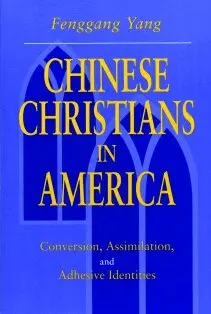
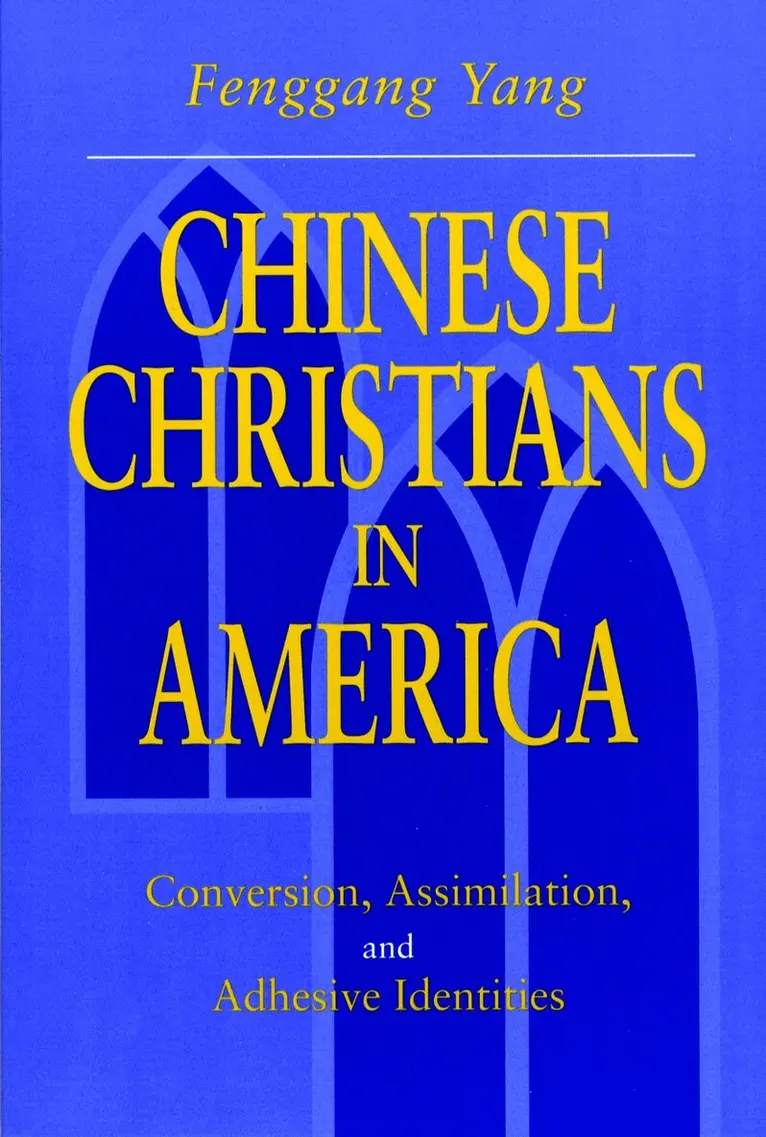
Chinese Christians in America
Conversion, Assimilation, and Adhesive Identities
Häftad, 1999
473 kr
Lägg i varukorg
Christianity has become the most practiced religion among the Chinese in America, but very little solid research exists on Chinese Christians and their churches. This book is the first to explore the subject from the inside, revealing how Chinese Christians construct and reconstruct their …
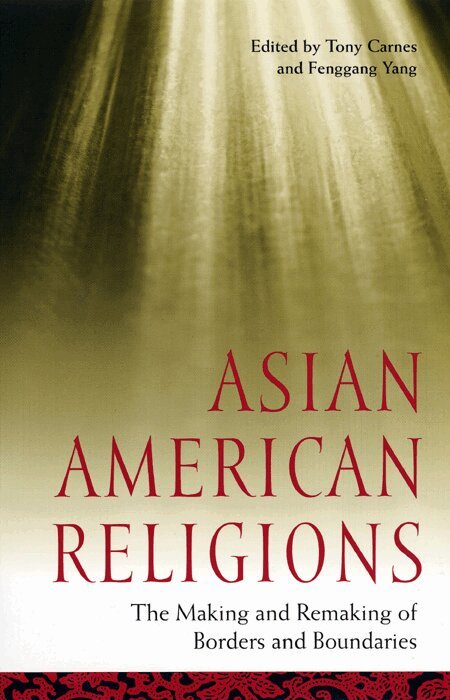
Asian American Religions
The Making and Remaking of Borders and Boundaries
Inbunden, 2004
973 kr
Lägg i varukorg
Asian American Religions brings together some of the most current research on Asian American religions from a social science perspective. The volume focuses on religion in Asian American communities in New York, Houston, Los Angeles, and the Silicon Valley/Bay Area, and it includes a current …
Asian American Religions
The Making and Remaking of Borders and Boundaries
Häftad, 2004
429 kr
Lägg i varukorg
Asian American Religions brings together some of the most current research on Asian American religions from a social science perspective. The volume focuses on religion in Asian American communities in New York, Houston, Los Angeles, and the Silicon Valley/Bay Area, and it includes a current …
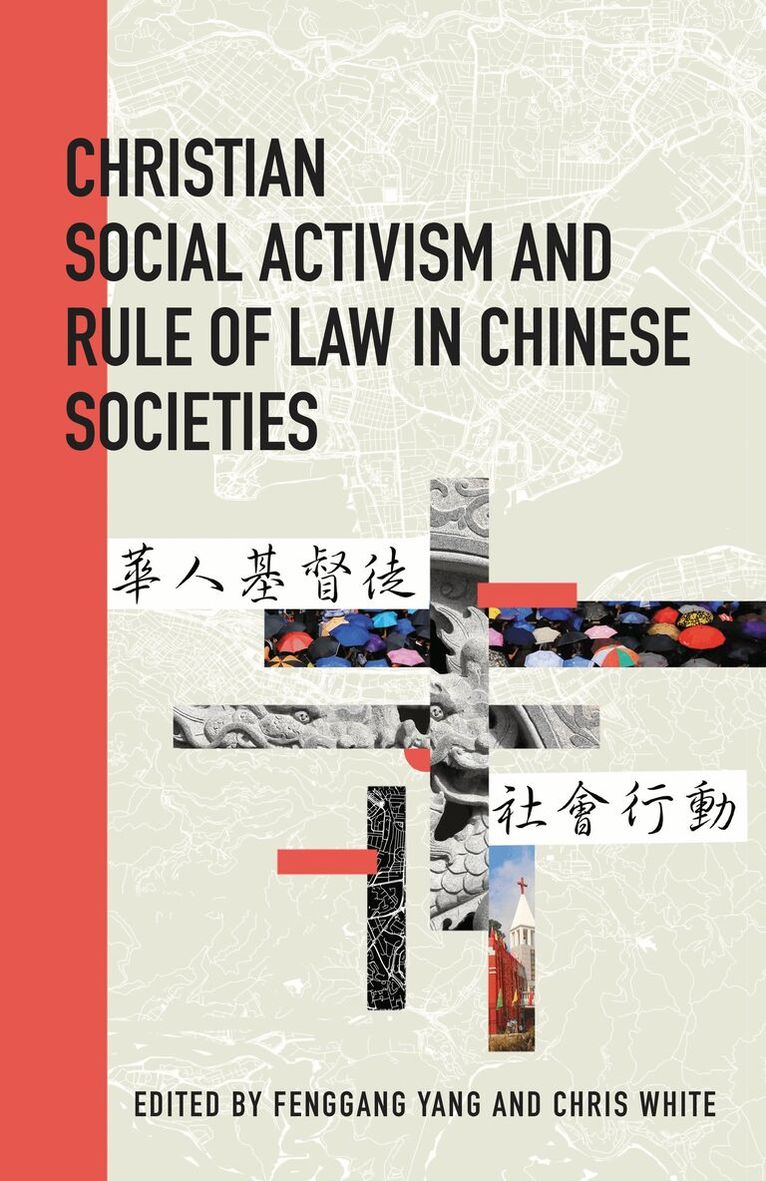
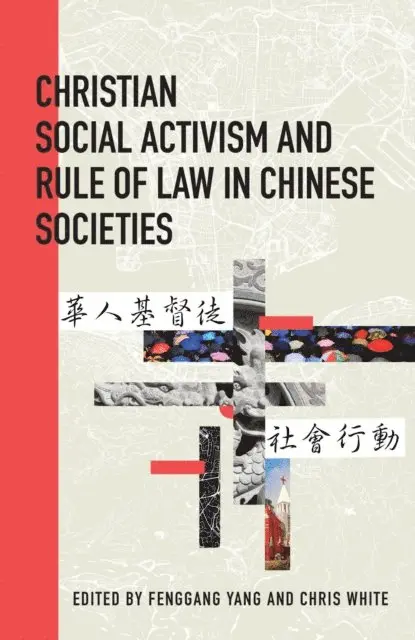
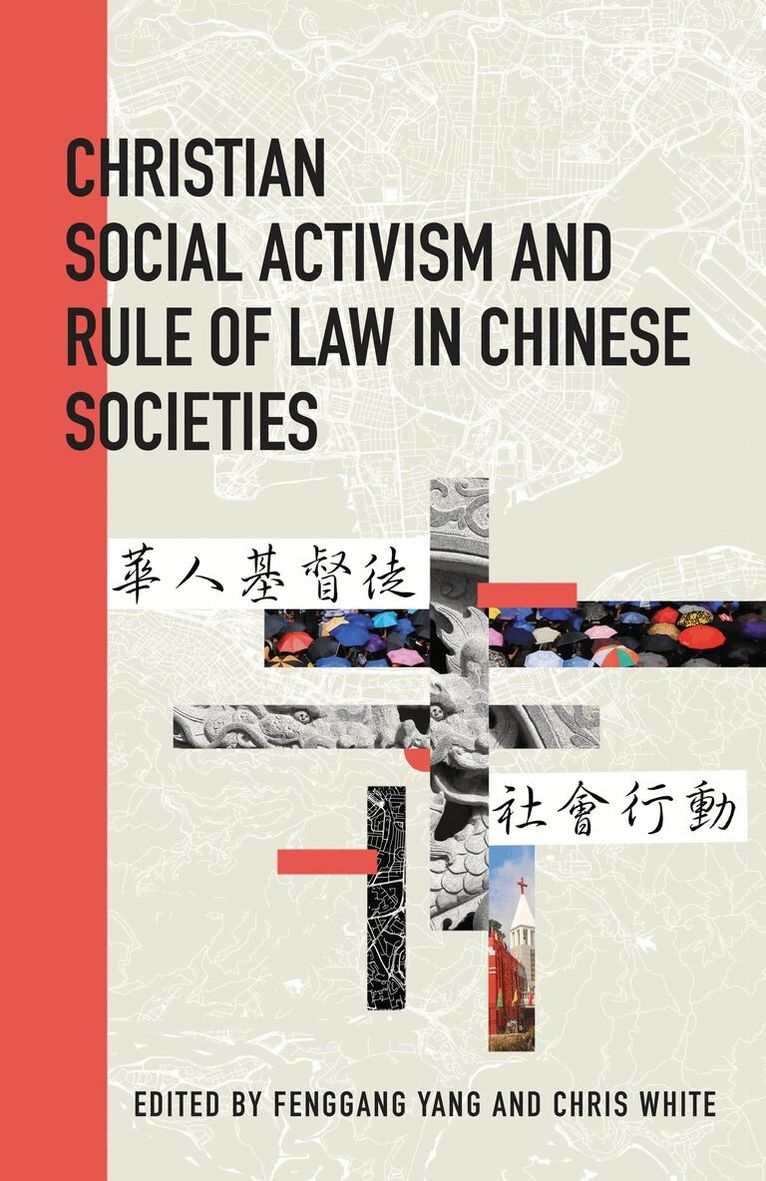
Christian Social Activism and Rule of Law in Chinese Societies
Inbunden, 2021
1708 kr
Lägg i varukorg
Although Christianity has been a minority religion in Chinese societies, Christians have been powerful catalysts of social activism in seeking to establish democracy and rule of law in mainland China, Taiwan, Hong Kong, and diasporic communities. The chapters gathered in this collection reveal the …
Christian Social Activism and Rule of Law in Chinese Societies
E-bok, 2021
564 kr
Lägg i varukorg
Although Christianity has been a minority religion in Chinese societies, Christians have been powerful catalysts of social activism in seeking to establish democracy and rule of law in mainland China, Taiwan, Hong Kong, and diasporic communities. The chapters gathered in this collection reveal the …
Christian Social Activism and Rule of Law in Chinese Societies
Häftad, 2023
532 kr
Lägg i varukorg
Although Christianity has been a minority religion in Chinese societies, Christians have been powerful catalysts of social activism in seeking to establish democracy and rule of law in mainland China, Taiwan, Hong Kong, and diasporic communities. The chapters gathered in this collection reveal the …
Social Scientific Studies of Religion in China
Methodology, Theories, and Findings
Inbunden, 2011
2570 kr
Lägg i varukorg
The revival of religious belief and practice in China over the past thirty years, after decades of severe repression, has attracted much attention by scholars. Social scientific studies of religion by mainland Chinese scholars has also increased in recent years, using theories and methods developed …
Confucianism and Spiritual Traditions in Modern China and Beyond
Av Fenggang Yang, Joseph Tamney
Inbunden, 2011
2987 kr
Lägg i varukorg
Confucianism is reviving in China and spreading in America. The past and present interactions between the revived Confucianism and Daoism, Buddhism, Islam, and Christianity will likely shape the cultural and political developments in Chinese societies of mainland China, Taiwan, Hong Kong, …
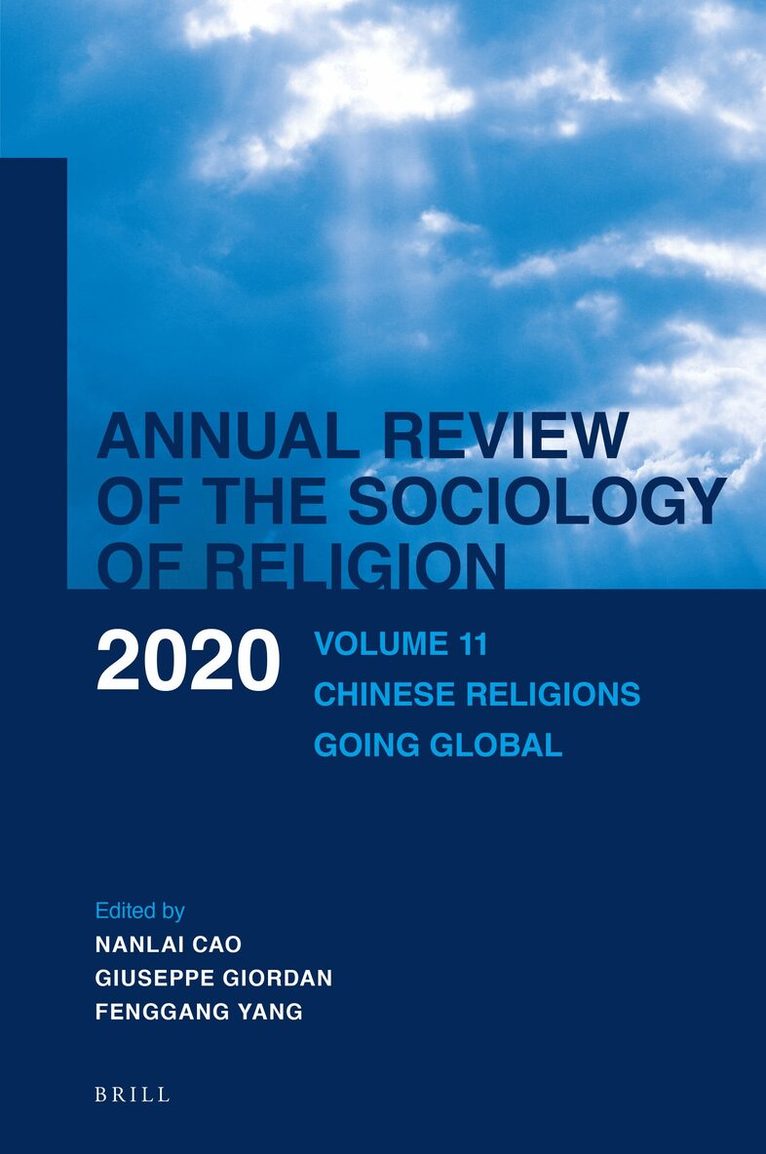
Annual Review of the Sociology of Religion. Volume 11 (2020)
Chinese Religions Going Global
Av Nanlai Cao, Giuseppe Giordan m. fl.
Inbunden, 2020
2923 kr
Lägg i varukorg
As China is being increasingly integrated into the global economy, more and more Chinese people live transnational lives and practice religion globally. So far scholarship of the relationship between religion and globalization in the Chinese religious field has primarily been set in the historical …
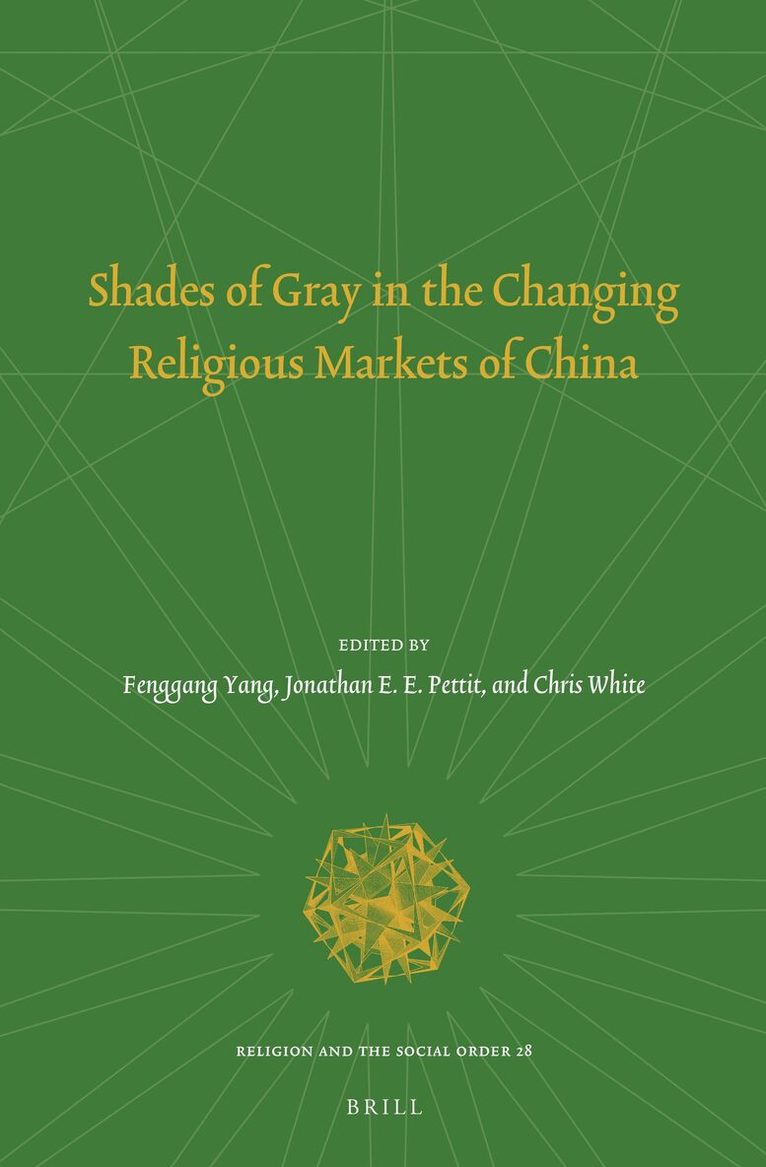
Shades of Gray in the Changing Religious Markets of China
Inbunden, 2021
3216 kr
Lägg i varukorg
This volume is a collection of studies of various religious groups in the changing religious markets of China: registered Christian congregations, unregistered house churches, Daoist masters, and folk-religious temples. The contributing authors are emerging Chinese scholars who apply and respond to …
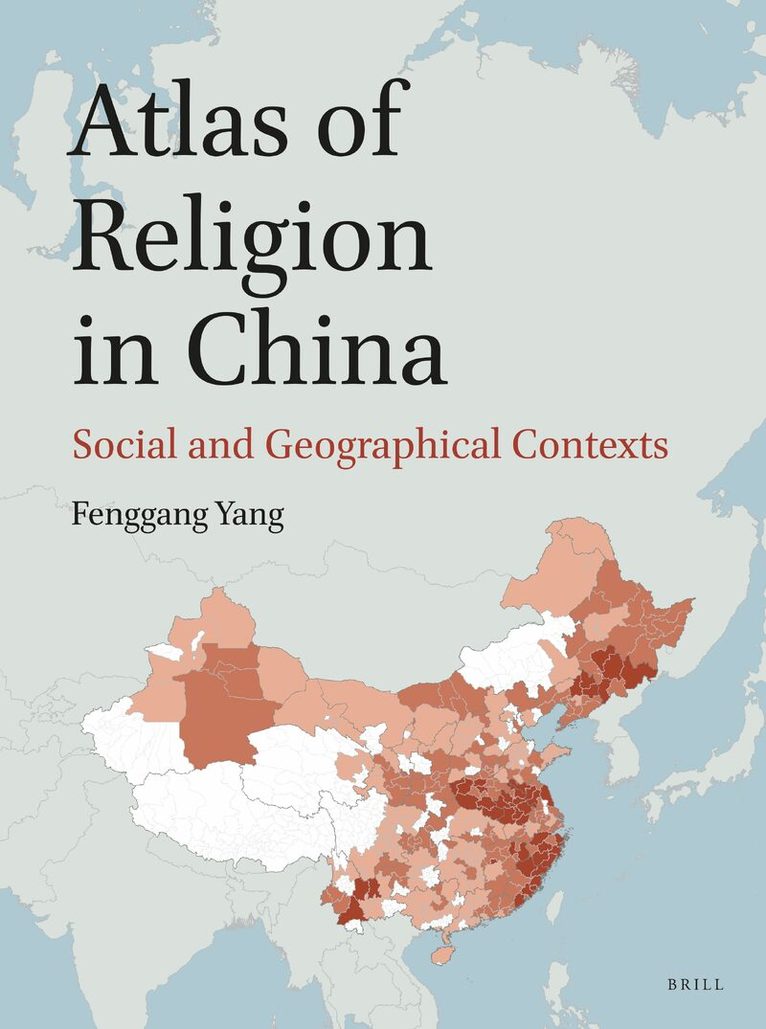
Atlas of Religion in China: Social and Geographical Contexts
Häftad, 2021
1479 kr
Lägg i varukorg
The speed and the scale with which traditional religions in China have been revived and new spiritual movements have emerged in recent decades make it difficult for scholars to stay up-to-date on the religious transformations within Chinese society. This unique atlas presents a bird’s-eye view of …
Religion in China
Survival and Revival under Communist Rule
Inbunden, 2022
477 kr
Lägg i varukorg
Religion in China survived the most radical suppression in the human history—a total ban of any religion during the Cultural Revolution. All churches, temples, and mosques were closed down, converted for secular uses, or turned into museums for the purpose of atheist education. Since the 1970s, …
Religion in China
Survival and Revival under Communist Rule
E-bok, 2022
2515 kr
Lägg i varukorg
Religion in China survived the most radical suppression in the human history—a total ban of any religion during the Cultural Revolution. All churches, temples, and mosques were closed down, converted for secular uses, or turned into museums for the purpose of atheist education. Since the 1970s, …
Religion in China
Survival and Revival under Communist Rule
Häftad, 2026
329 kr
Lägg i varukorg
Religion in China survived the most radical suppression in the human history—a total ban of any religion during the Cultural Revolution. All churches, temples, and mosques were closed down, converted for secular uses, or turned into museums for the purpose of atheist education. Since the 1970s, …
Chinese Christians in America
Conversion, Assimilation, and Adhesive Identities
Inbunden, 1999
1087 kr
Tillfälligt slut
Christianity has become the most practiced religion among the Chinese in America, but very little solid research exists on Chinese Christians and their churches. This book is the first to explore the subject from the inside, revealing how Chinese Christians construct and reconstruct their …