Ferenc Laczó - Böcker
Visar alla böcker från författaren Ferenc Laczó. Handla med fri frakt och snabb leverans.
5 produkter
5 produkter
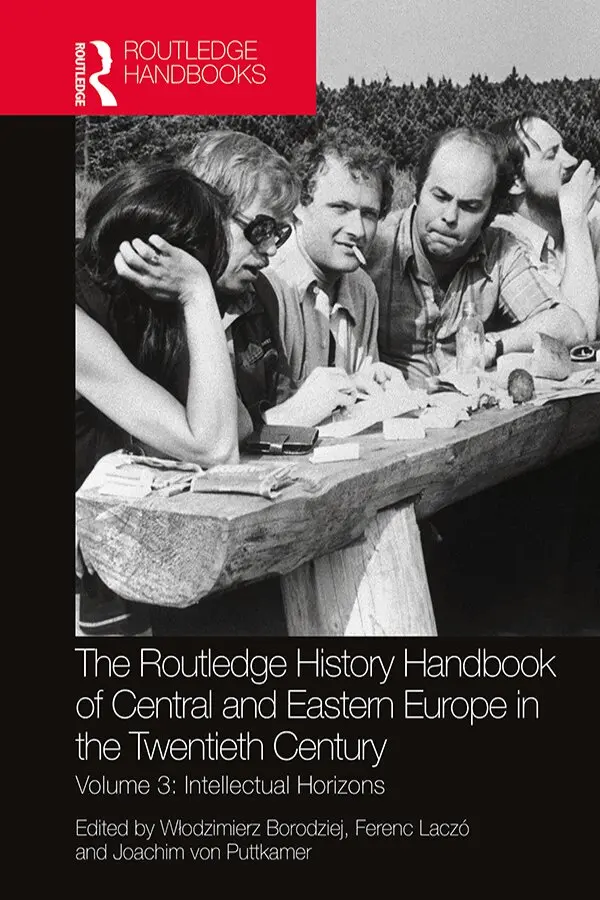
Routledge History Handbook of Central and Eastern Europe in the Twentieth Century
Volume 3: Intellectual Horizons
Häftad, Engelska, 2023
663 kr
Skickas inom 10-15 vardagar
Intellectual Horizons offers a pioneering, transnational and comparative treatment of key thematic areas in the intellectual and cultural history of Central and Eastern Europe in the twentieth century.For most of the twentieth century, Central and Eastern European ideas and cultures constituted an integral part of wider European trends. However, the intellectual and cultural history of this diverse region has rarely been incorporated sufficiently into nominally comprehensive histories of Europe. This volume redresses this underrepresentation and provides a more balanced perspective on the recent past of the continent through original, critical overviews of themes ranging from the social and conceptual history of intellectuals and histories of political thought and historiography, to literary, visual and religious cultures, to perceptions and representations of the region in the twentieth century. While structured thematically, individual contributions are organized chronologically. They emphasize, where relevant, generational experiences, agendas and accomplishments, while taking into account the sharp ruptures that characterize the period.The third in a four-volume set on Central and Eastern Europe in the twentieth century, it is the go-to resource for understanding the intellectual and cultural history of this dynamic region.
14 957 kr
Skickas inom 10-15 vardagar
This four-volume set of handbooks offers comprehensive survey of the history of a region that went from domination by various Empires before the First World War to membership of the EU in the late twentieth century.Challenges of Modernity offers a broad account of the social and economic history of Central and Eastern Europe in the twentieth century and asks critical questions about the structure and experience of modernity in different contexts and periods. Statehood examines the extending lines of development of nation-state systems in Eastern Europe, in particular considering why certain tendencies in state development found a different expression in this region compared to other parts of the continent. Intellectual Horizons offers a pioneering, transnational and comparative treatment of key thematic areas in the intellectual and cultural history of Central and Eastern Europe in the twentieth century. Violence analyses both the violence exerted on the societies of Central and Eastern Europe during the twentieth century by belligerent powers and authoritarian and/or totalitarian regimes and armed conflicts between ethnic, social and national groups, as well as the interaction between these two phenomena.Transnational and comparative in approach, key lines of development are synthesised leading to a complex understanding of the region. Written by a range of international contributors, many from the region itself, this is the go-to resource on Central, Eastern, and Southeastern Europe in the twentieth century.
3 072 kr
Skickas inom 10-15 vardagar
This four-volume set of handbooks offers comprehensive survey of the history of a region that went from domination by various Empires before the First World War to membership of the EU in the late twentieth century.Challenges of Modernity offers a broad account of the social and economic history of Central and Eastern Europe in the twentieth century and asks critical questions about the structure and experience of modernity in different contexts and periods. Statehood examines the extending lines of development of nation-state systems in Eastern Europe, in particular considering why certain tendencies in state development found a different expression in this region compared to other parts of the continent. Intellectual Horizons offers a pioneering, transnational and comparative treatment of key thematic areas in the intellectual and cultural history of Central and Eastern Europe in the twentieth century. Violence analyses both the violence exerted on the societies of Central and Eastern Europe during the twentieth century by belligerent powers and authoritarian and/or totalitarian regimes and armed conflicts between ethnic, social and national groups, as well as the interaction between these two phenomena.Transnational and comparative in approach, key lines of development are synthesised leading to a complex understanding of the region. Written by a range of international contributors, many from the region itself, this is the go-to resource on Central, Eastern, and Southeastern Europe in the twentieth century.
Routledge History Handbook of Central and Eastern Europe in the Twentieth Century
Volume 3: Intellectual Horizons
Inbunden, Engelska, 2020
3 256 kr
Skickas inom 10-15 vardagar
Intellectual Horizons offers a pioneering, transnational and comparative treatment of key thematic areas in the intellectual and cultural history of Central and Eastern Europe in the twentieth century.For most of the twentieth century, Central and Eastern European ideas and cultures constituted an integral part of wider European trends. However, the intellectual and cultural history of this diverse region has rarely been incorporated sufficiently into nominally comprehensive histories of Europe. This volume redresses this underrepresentation and provides a more balanced perspective on the recent past of the continent through original, critical overviews of themes ranging from the social and conceptual history of intellectuals and histories of political thought and historiography, to literary, visual and religious cultures, to perceptions and representations of the region in the twentieth century. While structured thematically, individual contributions are organized chronologically. They emphasize, where relevant, generational experiences, agendas and accomplishments, while taking into account the sharp ruptures that characterize the period.The third in a four-volume set on Central and Eastern Europe in the twentieth century, it is the go-to resource for understanding the intellectual and cultural history of this dynamic region.
886 kr
Skickas inom 10-15 vardagar
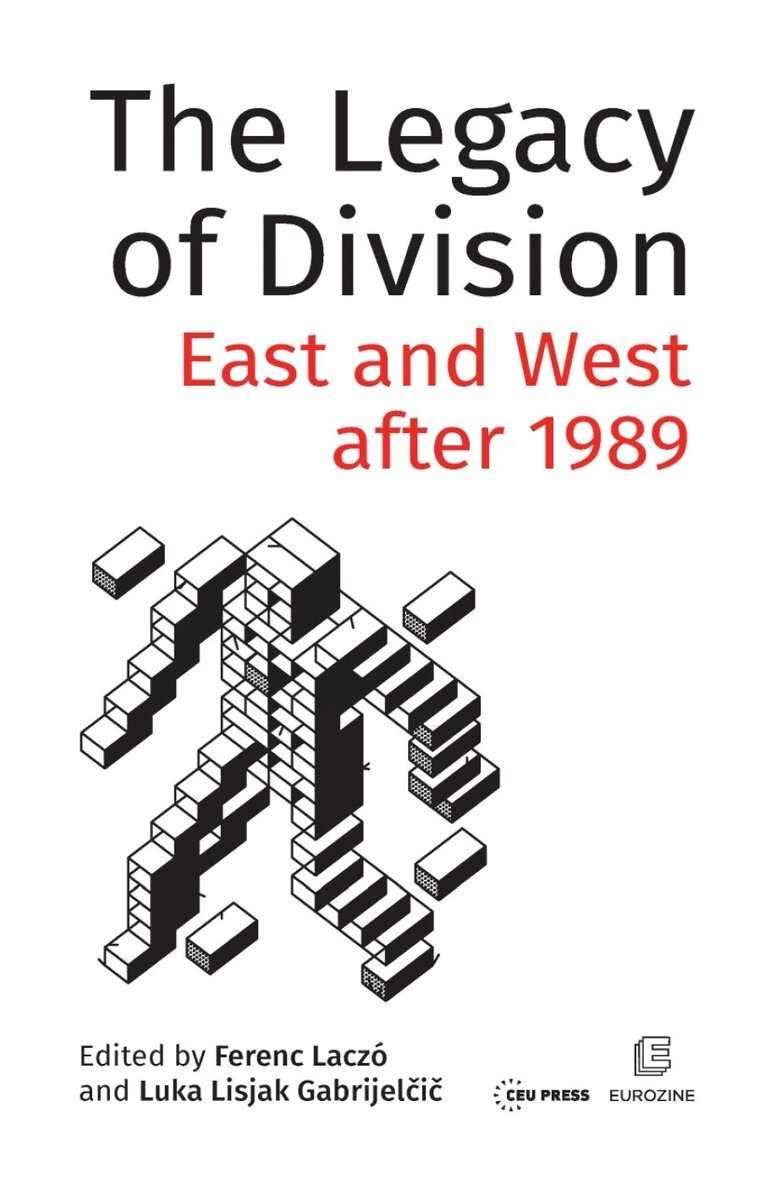
This volume examines the legacy of the East–West divide since the implosion of the communist regimes in Europe. The ideals of 1989 have largely been frustrated by the crises and turmoil of the past decade. The liberal consensus was first challenged as early as the mid-2000s. In Eastern Europe, grievances were directed against the prevailing narratives of transition and ever sharper ethnic-racial antipathies surfaced in opposition to a supposedly postnational and multicultural West. In Western Europe, voices regretting the European Union's supposedly careless and premature expansion eastward began to appear on both sides of the left–right and liberal–conservative divides. The possibility of convergence between Europe's two halves has been reconceived as a threat to the European project. In a series of original essays and conversations, thirty-three contributors from the fields of European and global history, politics and culture address questions fundamental to our understanding of Europe today: How have perceptions and misperceptions between the two halves of the continent changed over the last three decades? Can one speak of a new East–West split? If so, what characterizes it and why has it reemerged? The contributions demonstrate a great variety of approaches, perspectives, emphases, and arguments in addressing the daunting dilemma of Europe's assumed East–West divide.