Luka Lisjak Gabrijelčič - Böcker
Visar alla böcker från författaren Luka Lisjak Gabrijelčič. Handla med fri frakt och snabb leverans.
3 produkter
3 produkter
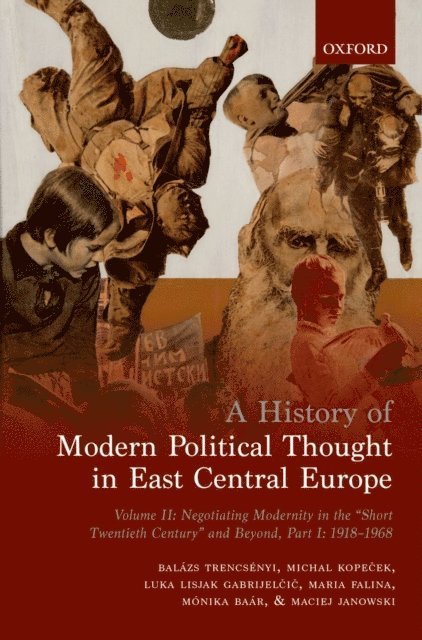
A History of Modern Political Thought in East Central Europe
Volume II: Negotiating Modernity in the 'Short Twentieth Century' and Beyond, Part I: 1918-1968
Inbunden, Engelska, 2018
1 461 kr
Skickas inom 5-8 vardagar
A History of Modern Political Thought in East Central Europe is a synthetic work, authored by an international team of researchers, covering twenty national cultures and 250 years. It goes beyond the conventional nation-centered narratives and presents a novel vision especially sensitive to the cross-cultural entanglement of political ideas and discourses. Its principal aim is to make these cultures available for the global 'market of ideas' and revisit some of the basic assumptions about the history of modern political thought, and modernity as such.The present volume is a sequel to Volume I: Negotiating Modernity in the 'Long Nineteenth Century'. It begins with the end of the Great War, depicting the colorful intellectual landscape of the interwar period and the increasing political and ideological radicalization culminating in the Second World War. Taking the war experience both as a breaking point but in many ways also a transmitter of previous intellectual traditions, it maps the intellectual paradigms and debates of the immediate postwar years, marked by a negotiation between the democratic and communist agendas, as well as the subsequent processes of political and cultural Stalinization. Subsequently, the post-Stalinist period is analyzed with a special focus on the various attempts of de-Stalinization and the rise of revisionist Marxism and other critical projects culminating in the carnivalesque but also extremely dramatic year of 1968. This volume is followed by Volume II: Negotiating Modernity in the 'Short Twentieth Century' and Beyond, Part II: 1968-2018.
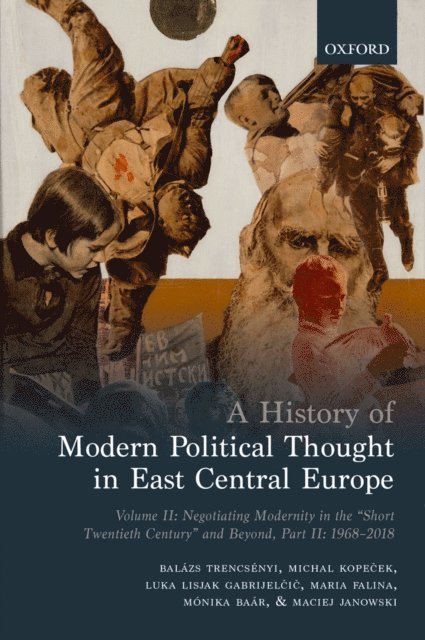
A History of Modern Political Thought in East Central Europe
Volume II: Negotiating Modernity in the 'Short Twentieth Century' and Beyond, Part II: 1968-2018
Inbunden, Engelska, 2018
1 667 kr
Skickas inom 7-10 vardagar
A History of Modern Political Thought in East Central Europe is a synthetic work, authored by an international team of researchers, covering twenty national cultures and 250 years. It goes beyond the conventional nation-centered narratives and presents a novel vision especially sensitive to the cross-cultural entanglement of political ideas and discourses. Its principal aim is to make these cultures available for the global 'market of ideas' and revisit some of the basic assumptions about the history of modern political thought, and modernity as such.The present volume is the final part of the project, following Volume I: Negotiating Modernity in the 'Long Nineteenth Century', and Volume II, Part I: Negotiating Modernity in the 'Short Twentieth Century' (1918-1968) (OUP, 2018). Its starting point is the defeat of the vision of 'socialism with a human face' in 1968 and the political discourses produced by the various 'consolidation' or 'normalization' regimes. It continues with mapping the exile communities' and domestic dissidents' critical engagement with the local democratic and anti-democratic traditions as well as with global trends. Rather than achieving the coveted 'end of history', however, the liberal democratic order created in East Central Europe after 1989 became increasingly contested from left and right alike. Thus, instead of a comfortable conclusion pointing to the European integration of most of these countries, the book closes with a reflection on the fragility of democracy in this part of the world and beyond.
882 kr
Skickas inom 10-15 vardagar
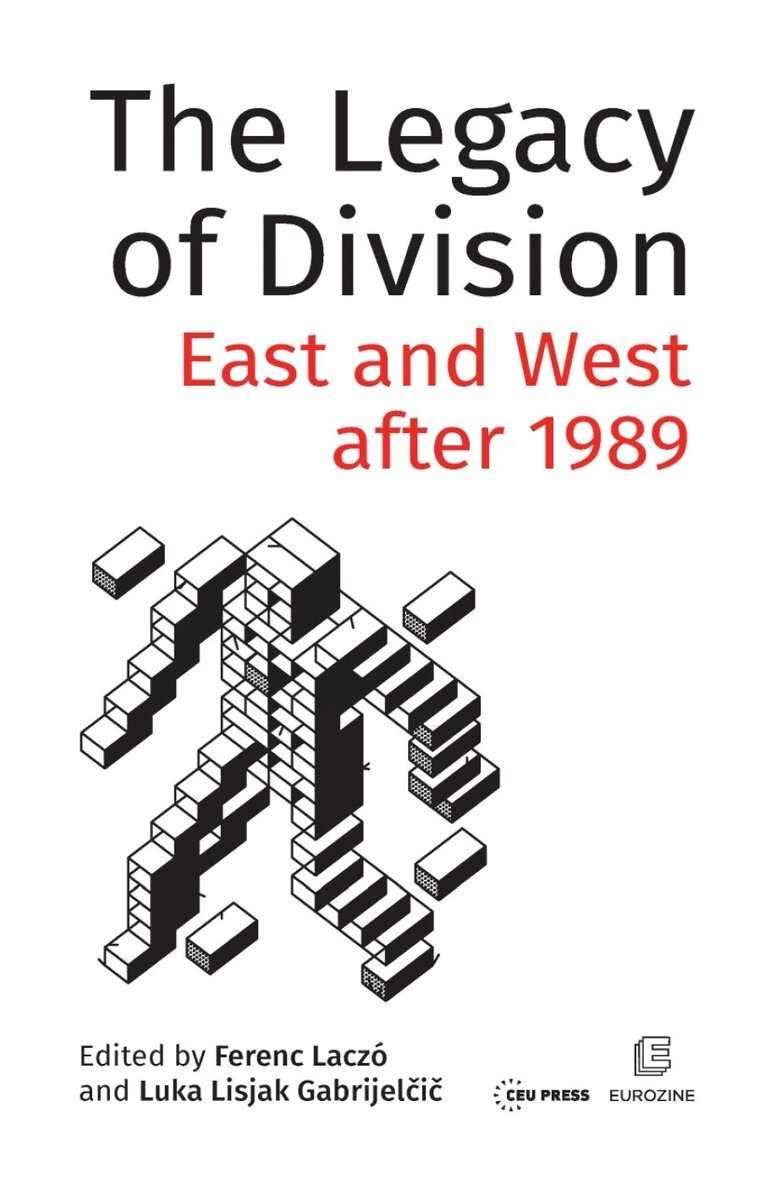
This volume examines the legacy of the East–West divide since the implosion of the communist regimes in Europe. The ideals of 1989 have largely been frustrated by the crises and turmoil of the past decade. The liberal consensus was first challenged as early as the mid-2000s. In Eastern Europe, grievances were directed against the prevailing narratives of transition and ever sharper ethnic-racial antipathies surfaced in opposition to a supposedly postnational and multicultural West. In Western Europe, voices regretting the European Union's supposedly careless and premature expansion eastward began to appear on both sides of the left–right and liberal–conservative divides. The possibility of convergence between Europe's two halves has been reconceived as a threat to the European project. In a series of original essays and conversations, thirty-three contributors from the fields of European and global history, politics and culture address questions fundamental to our understanding of Europe today: How have perceptions and misperceptions between the two halves of the continent changed over the last three decades? Can one speak of a new East–West split? If so, what characterizes it and why has it reemerged? The contributions demonstrate a great variety of approaches, perspectives, emphases, and arguments in addressing the daunting dilemma of Europe's assumed East–West divide.