
Feroz Ahmad – författare
Visar alla böcker från författaren Feroz Ahmad. Handla med fri frakt och snabb leverans.
4 produkter
4 produkter
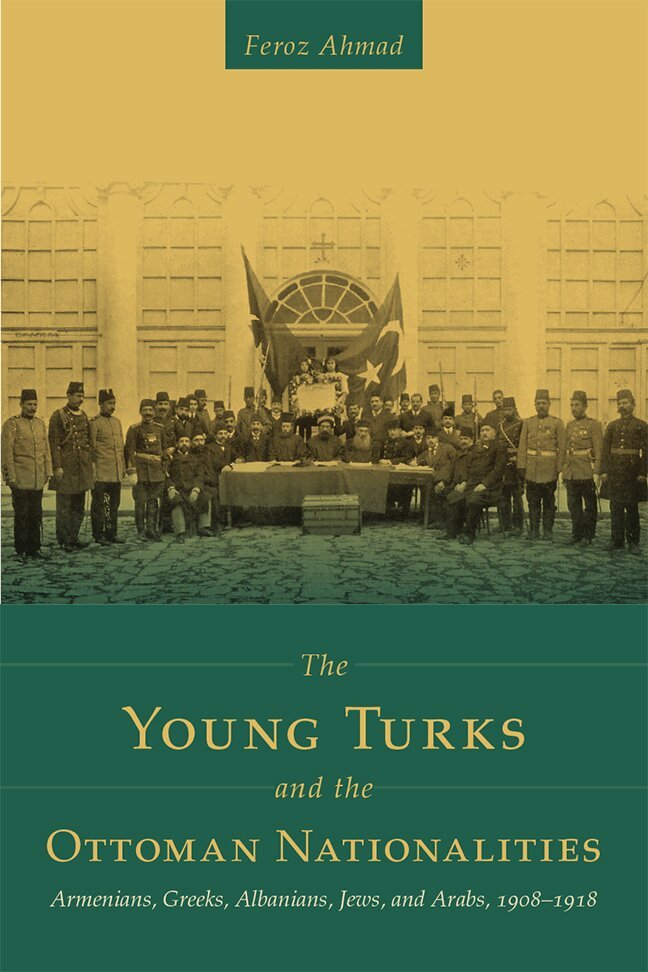
Young Turks and the Ottoman Nationalities
Armenians, Greeks, Albanians, Jews, and Arabs, 1908-1918
Häftad, Engelska, 2014
267 kr
Skickas inom 5-8 vardagar
The years 1908 to 1918 are frequently viewed as the period when the Ottoman Empire fell into decline, but in this volume Feroz Ahmad argues that the empire was not in decline but instead had come face to face with a widespread process of decolonisation. Its colonies, stimulated by the idea of nationalism, sought to liberate themselves, sometimes with the help of the Great Powers of Europe, who in turn saw these rebellions as an opportunity to expand their own empires. While these ethno-nationalist movements have often been described in terms of Ottoman oppressor versus conspiring nationalists, here they are presented as part of a broad historical process.Ahmad holds that nationalism was introduced into the Ottoman Empire during the French Revolution, providing kindling for the struggles that later emerged. Setting the stage with this nineteenth-century background, Ahmad then examines each Ottoman nationality in the wake of the restoration of the Ottoman constitution in 1908. Officially known as the Committee of Union and Progress (CUP), the Young Turks made up a nationalist political party that ruled the Ottoman state from 1908 until the end of World War I. Ahmad illuminates the relationships and conflicts between the Young Turks and the Greek, Armenian, Albanian, Jewish, and Arab ethnic groups during this period. Placing these nationalities in their historical context, he shows their relationships not only to the Young Turks but also to one another - no other single book has attempted to look closely at all of these connections.Clearly organised and written, the book will enlighten not only students and scholars of the era, but also anyone interested in understanding the roots of current-day relations in the Balkans and Middle East.
840 kr
Skickas inom 11-20 vardagar
War and Collapse is the third volume in a series that covers the last years of the Ottoman Empire. It stems from a three-day international conference at which scholars examined the causes and consequences of World War I, with a focus on how these events pertained to the Ottoman state and society. Fifty-three scholars—both new and established—contributed to this collection, explaining what happened within the Ottoman Empire before and during WWI and how ethnic and national groups constructed these events to enhance their identities and promote their interests.The chapters provide insight into the mindsets of Ottoman peoples, showing how earlier events and circumstances set in motion Ottoman responses to the war and how continued conflict had devastating, irreversible effects on Ottoman society. What emerges is a comprehensive picture of the events, encompassing a wide variety of perspectives.
299 kr
Skickas inom 5-8 vardagar
This concise history tells the story of Turkey, a country caught between the ideologies of East and West. From its beginnings as a disparate group of tribes to its status as the first secular republic in the Islamic world, Ahmad provides a full survey of Turkey’s chequered past. Covering nearly 1,000 years of history, from the eleventh-century invasion of Anatolia to attempts at European integration and involvement in the 2003 war with Iraq, Ahmad unpicks the debates and puts historical disputes in context. This updated edition also examines the problems faced by modern Turkey, from the rise of Islamic militancy to current political tensions in Turkey’s government.Whether student, general reader or first-time visitor, this wide-ranging account will be greatly appreciated by all those with an interest in the past, present and future challenges facing this diverse, and often misunderstood, country.
266 kr
Skickas inom 7-10 vardagar
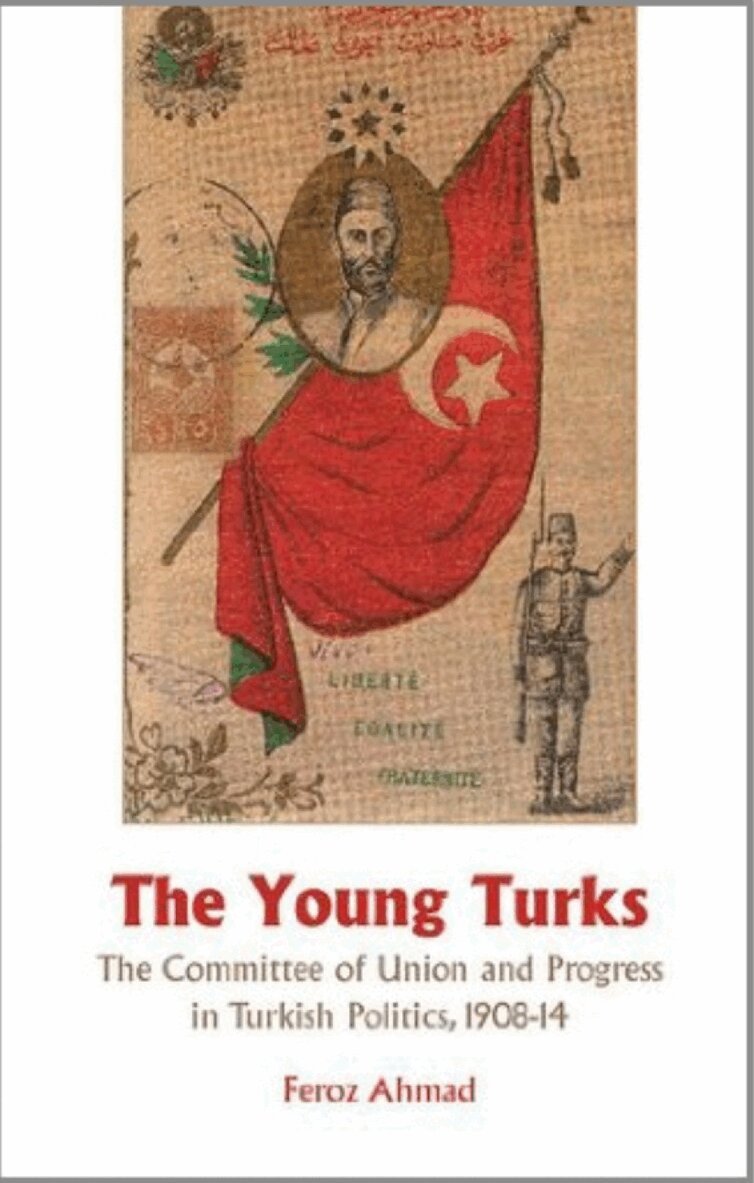
This book, first published in 1973, was regarded on publication as the definitive study of the 'Young Turks', or Committee of Union and Progress, the name given to a group of Turkish army officers who sought to reform the Ottoman Empire and who in 1908 led a constitutional revolution against Sultan Ahmed Hamid II. The author also discusses the counter-revolution of 1909 and the emergence of the 'Group of Saviour officers' who formed a cabinet determined to destroy the Young Turks. With the rout of the Ottoman armies in the First Balkan War and the loss of Macedonia, the Unionists, led by the charismatic Enver Bey, carried out a coup on 23 January 1913 and regained power. Thereafter they pursued a more moderate and conciliatory policy abandoning the idea of 'union'. The book concludes by examining the impact of territorial losses and of six years of revolution and war on the Ottoman state and society.