Finbarr Barry Flood – författare
Visar alla böcker från författaren Finbarr Barry Flood. Handla med fri frakt och snabb leverans.
8 produkter
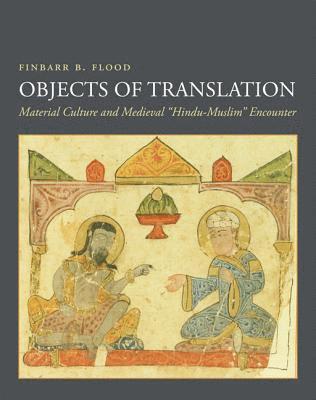
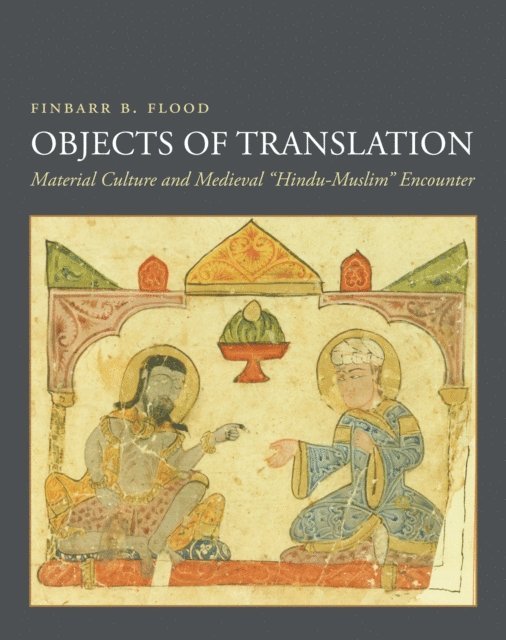
Objects of Translation
Material Culture and Medieval "Hindu-Muslim" Encounter
Häftad, 2018
430 kr
Lägg i varukorg
Objects of Translation offers a nuanced approach to the entanglements of medieval elites in the regions that today comprise Afghanistan, Pakistan, and north India. The book--which ranges in time from the early eighth to the early thirteenth centuries--challenges existing narratives that cast the …
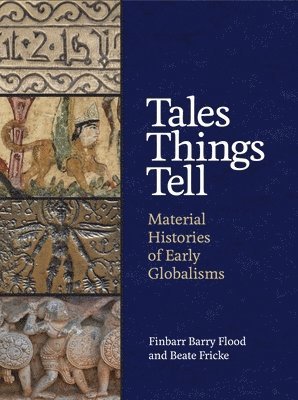
Tales Things Tell
Material Histories of Early Globalisms
Av Finbarr Barry Flood, Beate Fricke
Inbunden, 2023
518 kr
Lägg i varukorg
New perspectives on early globalisms from objects and imagesTales Things Tell offers new perspectives on histories of connectivity between Africa, Asia, and Europe in the period before the Mongol conquests of the thirteenth century. Reflected in objects and materials whose circulation and reception …
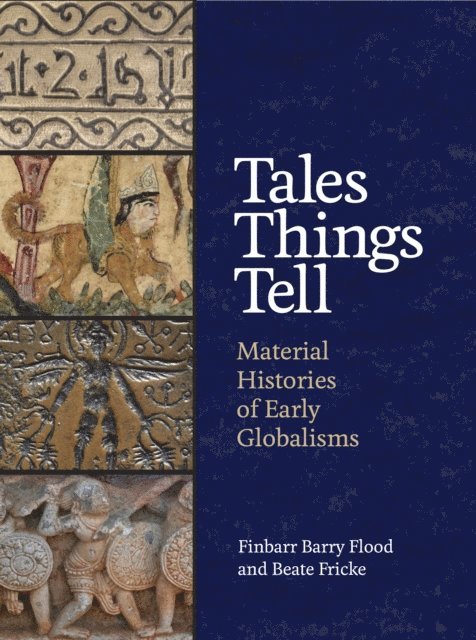
Tales Things Tell
Material Histories of Early Globalisms
Av Beate Fricke, Finbarr Barry Flood
E-bok, 2023
705 kr
Lägg i varukorg
New perspectives on early globalisms from objects and images Tales Things Tell offers new perspectives on histories of connectivity between Africa, Asia, and Europe in the period before the Mongol conquests of the thirteenth century. Reflected in objects and materials whose circulation and …
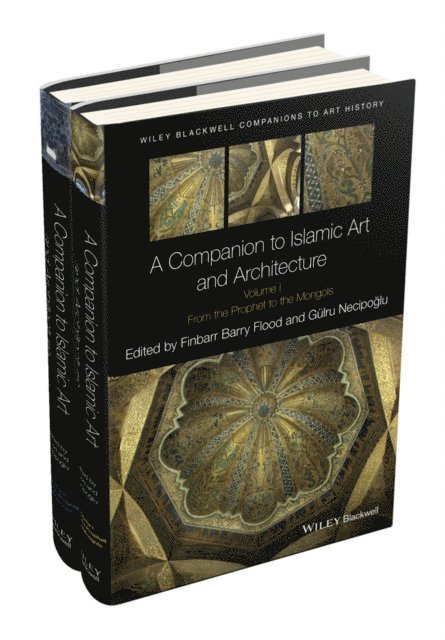
Companion to Islamic Art and Architecture
Av Gulru Necipoglu, Finbarr Barry Flood
E-bok, 2017
5537 kr
Lägg i varukorg
The two-volume Companion to Islamic Art and Architecture bridges the gap between monograph and survey text by providing a new level of access and interpretation to Islamic art. The more than 50 newly commissioned essays revisit canonical topics, and include original approaches and scholarship on …
Companion to Islamic Art and Architecture
Av Gulru Necipoglu, Finbarr Barry Flood
E-bok, 2017
5418 kr
Lägg i varukorg
The two-volume Companion to Islamic Art and Architecture bridges the gap between monograph and survey text by providing a new level of access and interpretation to Islamic art. The more than 50 newly commissioned essays revisit canonical topics, and include original approaches and scholarship on …
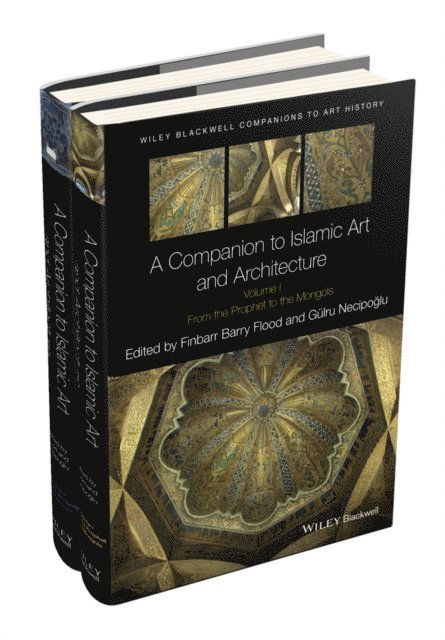
Companion to Islamic Art and Architecture, 2 Volume Set
Av Finbarr Barry Flood, Gulru Necipoglu
Inbunden, 2017
4852 kr
Lägg i varukorg
The two-volume Companion to Islamic Art and Architecture bridges the gap between monograph and survey text by providing a new level of access and interpretation to Islamic art. The more than 50 newly commissioned essays revisit canonical topics, and include original approaches and scholarship on …
Objects of Translation
Material Culture and Medieval "Hindu-Muslim" Encounter
E-bok, 2022
569 kr
Lägg i varukorg
Objects of Translation offers a nuanced approach to the entanglements of medieval elites in the regions that today comprise Afghanistan, Pakistan, and north India. The book--which ranges in time from the early eighth to the early thirteenth centuries--challenges existing narratives that cast the …
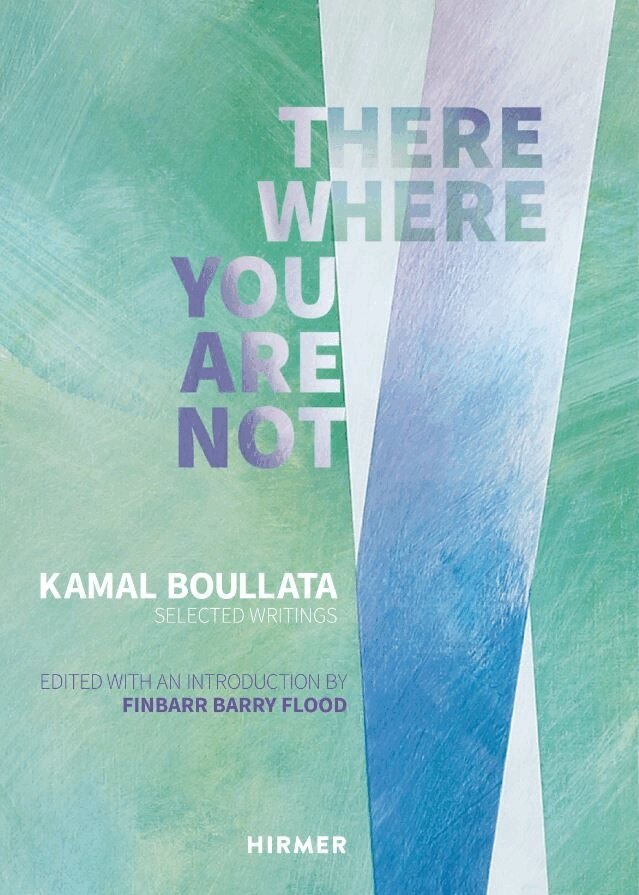
There Where You Are Not: Selected Writings by Kamal Boullata
Av Finbarr Barry Flood, Finbarr Barry Flood
Inbunden, 2019
405 kr
Lägg i varukorg
There Where You Are Not brings together the writings of celebrated Palestinian artist and theorist Kamal Boullata (b. 1942). Produced over four decades of exile in Europe, North Africa, and the United States, many are translated into English or published for the first time. The experience of exile …