Beate Fricke – författare
Visar alla böcker från författaren Beate Fricke. Handla med fri frakt och snabb leverans.
9 produkter
Destroyed—Disappeared—Lost—Never Were
Häftad, 2022
230 kr
Lägg i varukorg
To write about works that cannot be sensually perceived involves considerable strain. Absent the object, art historians must stretch their methods to, or even past, the breaking point. This concise volume addresses the problems inherent in studying medieval works of art, artifacts, and monuments …
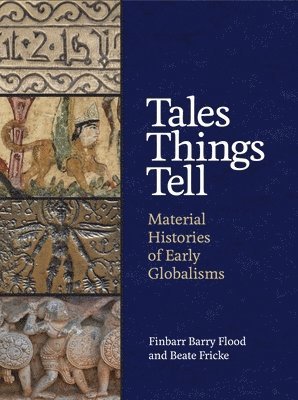
Tales Things Tell
Material Histories of Early Globalisms
Av Finbarr Barry Flood, Beate Fricke
Inbunden, 2023
520 kr
Lägg i varukorg
New perspectives on early globalisms from objects and imagesTales Things Tell offers new perspectives on histories of connectivity between Africa, Asia, and Europe in the period before the Mongol conquests of the thirteenth century. Reflected in objects and materials whose circulation and reception …
Tales Things Tell
Material Histories of Early Globalisms
Av Beate Fricke, Finbarr Barry Flood
E-bok, 2023
705 kr
Lägg i varukorg
New perspectives on early globalisms from objects and images Tales Things Tell offers new perspectives on histories of connectivity between Africa, Asia, and Europe in the period before the Mongol conquests of the thirteenth century. Reflected in objects and materials whose circulation and …
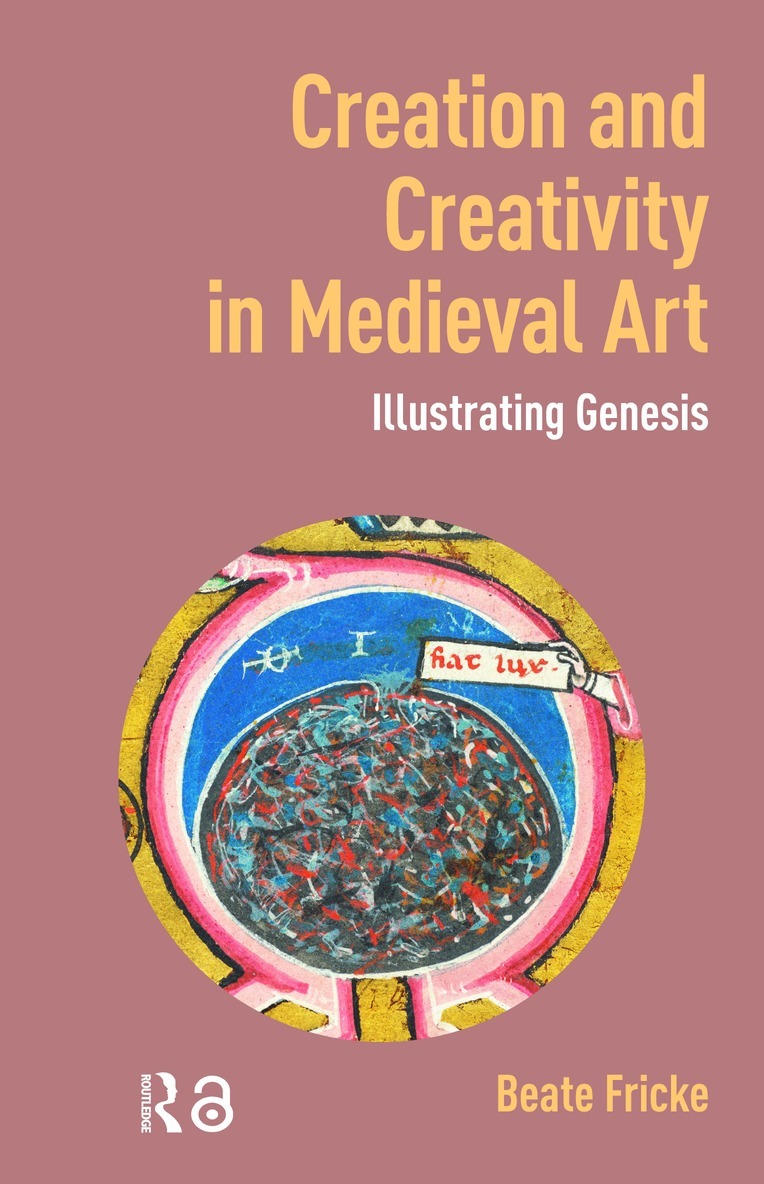
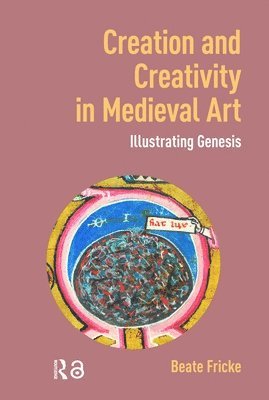
Creation and Creativity in Medieval Art
Illustrating Genesis
Av Beate Fricke
Häftad, 2026
694 kr
Kommande
Creation imagery in manuscripts made in the Middle Ages became a locus for visual experimentation as well as the expression of ideas about creativity. By examining representations of divine creation and illustrations of the creation stories in Genesis, this book links medieval ideas about creation, …
Fallen Idols, Risen Saints
Sainte Foy of Conques and the Revival of Monumental Sculpture in Medieval Art
Av Beate Fricke
Inbunden, 2015
2018 kr
Lägg i varukorg
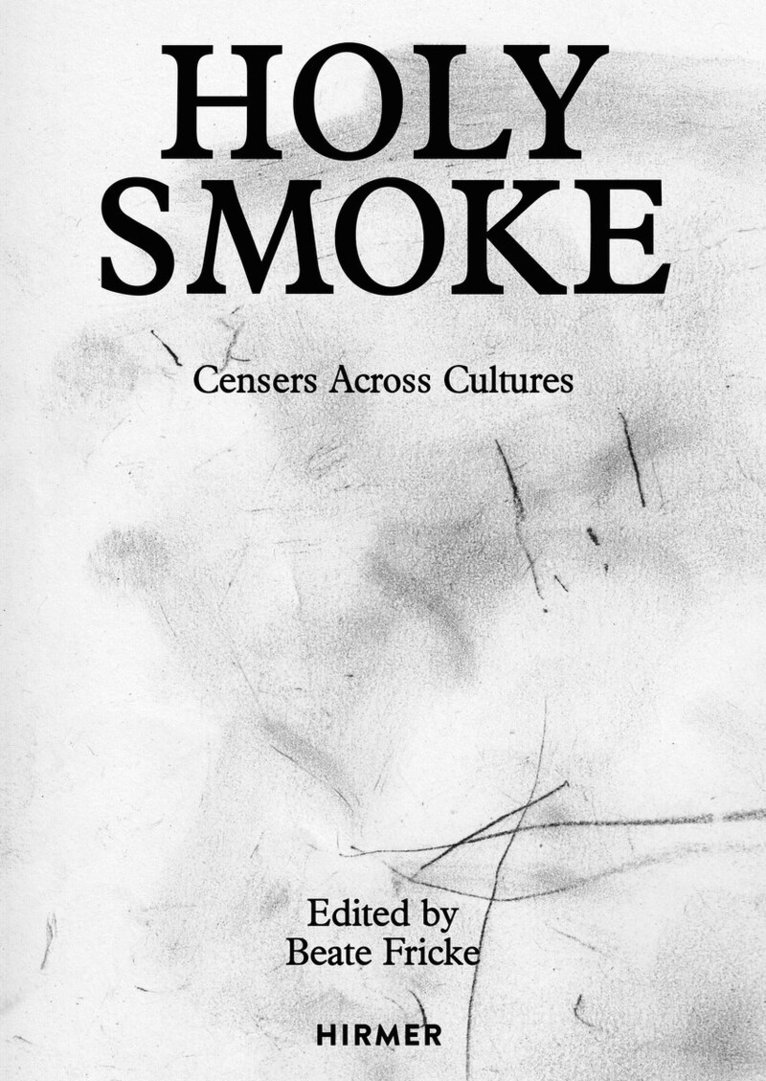
Holy Smoke
Censers Across Cultures
Av Beate Fricke
Inbunden, 2024
442 kr
Lägg i varukorg
Religious art from four continents and across cultures – seeing and smelling the sacred. Holy Smoke: Censers Across Cultures investigates the practice of incense – the use of material objects to communicate with the divine – in religious context as it has been used in cultures worldwide across …
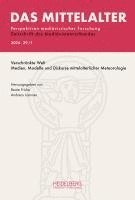
Das Mittelalter. Perspektiven mediävistischer Forschung : Zeitschrift... / 2024, Band 29, Heft 1
Av Beate Fricke, Andreas Lammer
Häftad, 2024
469 kr
Lägg i varukorg
Creation and Creativity in Medieval Art
Illustrating Genesis
Av Beate Fricke
Inbunden, 2025
2190 kr
Lägg i varukorg
Creation imagery in manuscripts made in the Middle Ages became a locus for visual experimentation as well as the expression of ideas about creativity. By examining representations of divine creation and illustrations of the creation stories in Genesis, this book links medieval ideas about creation, …
Public in the Picture – Involving the Beholder in Antique, Islamic, Byzantine and Western Medieval and Renaissance Art
Av Beate Fricke, Urte Krass m. fl.
Inbunden, 2015
442 kr
Tillfälligt slut
The act of including by standers within the scene of an artwork marked an important shift in the ways artists addressed the beholder, as well as a significant transformation of the relationship between images and their viewership. In such works, the "public" in the picture could be seen as a …