Flannery Burke - Böcker
Visar alla böcker från författaren Flannery Burke. Handla med fri frakt och snabb leverans.
4 produkter
4 produkter
2 009 kr
Skickas inom 7-10 vardagar
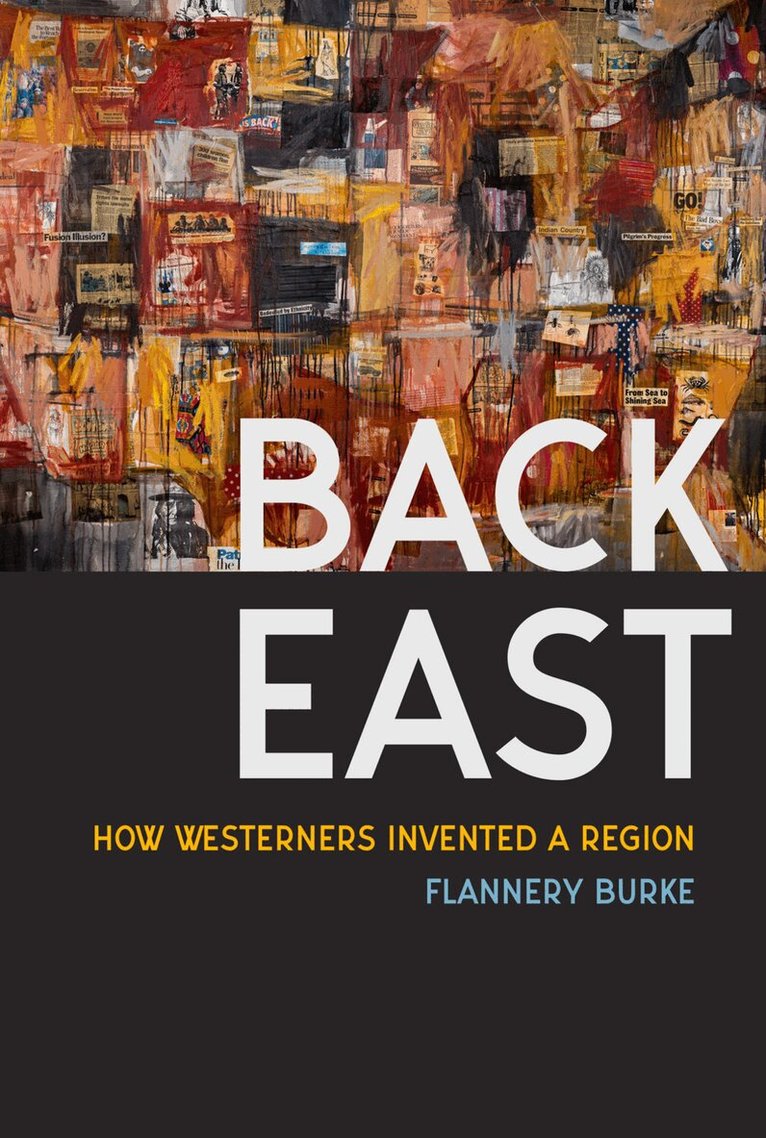
Western imaginations of "Back East" rewrote America's cultural identity, shaping myths and realities alikeJust as easterners imagined the American West, westerners imagined the American East, reshaping American culture. Back East flips the script of American regional narratives.In novels, travel narratives, popular histories, and dude ranch brochures, twentieth-century western US writers saw the East through the lens of their experiences and ambitions. Farmers following the railroad saw capitalists exploiting their labor, while cowboys viewed urban easterners as soft and effete. Westerners of different racial backgrounds, including African Americans and Asian Americans, projected their hopes and critiques onto an East that embodied urbanity, power, and opportunity.This interplay between “Out West” and “Back East” influenced income inequality, land use, cultural identities, and national government. It fueled myths that reshaped public lands, higher education, and the publishing industry. The cultural exchange was not one-sided; it contributed to modern social sciences and amplified marginalized voices from Chicane poets to Native artists.By examining how westerners imagined the American East, Back East provides a fresh perspective on the American cultural landscape, offering a deeper understanding of the myths that continue to shape it.
418 kr
Skickas
Western imaginations of "Back East" rewrote America's cultural identity, shaping myths and realities alikeJust as easterners imagined the American West, westerners imagined the American East, reshaping American culture. Back East flips the script of American regional narratives.In novels, travel narratives, popular histories, and dude ranch brochures, twentieth-century western US writers saw the East through the lens of their experiences and ambitions. Farmers following the railroad saw capitalists exploiting their labor, while cowboys viewed urban easterners as soft and effete. Westerners of different racial backgrounds, including African Americans and Asian Americans, projected their hopes and critiques onto an East that embodied urbanity, power, and opportunity.This interplay between “Out West” and “Back East” influenced income inequality, land use, cultural identities, and national government. It fueled myths that reshaped public lands, higher education, and the publishing industry. The cultural exchange was not one-sided; it contributed to modern social sciences and amplified marginalized voices from Chicane poets to Native artists.By examining how westerners imagined the American East, Back East provides a fresh perspective on the American cultural landscape, offering a deeper understanding of the myths that continue to shape it.
317 kr
Skickas inom 7-10 vardagar
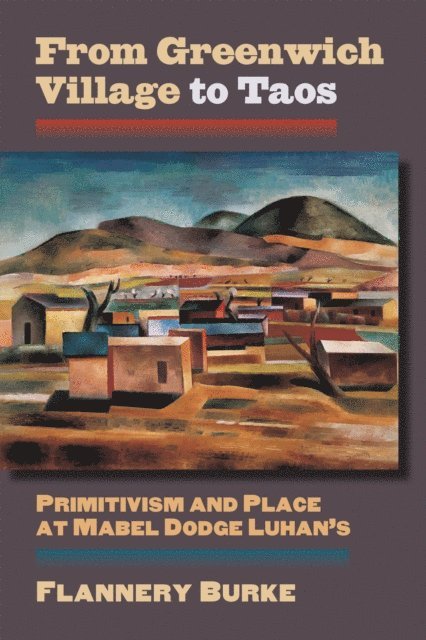
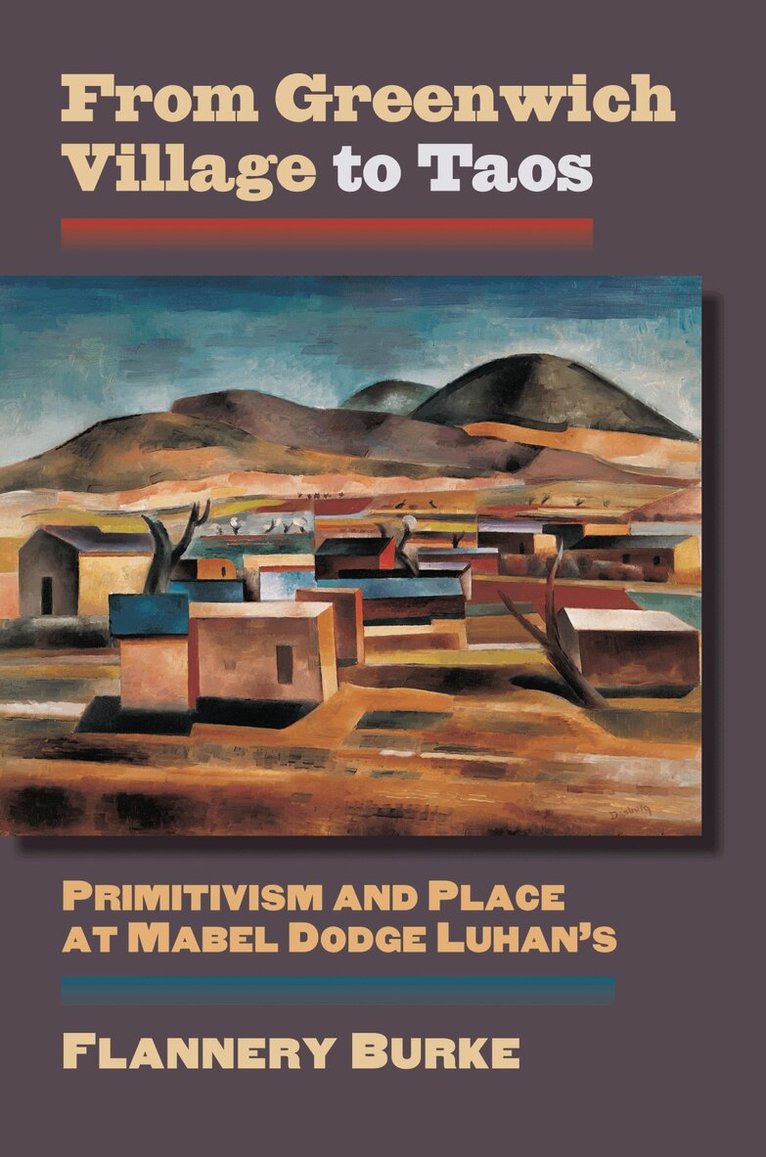
They all came to Taos: Georgia O'Keefe, D. H. Lawrence, Carl Van Vechten, and other expatriates of New York City. Fleeing urban ugliness, they moved west between 1917 and 1929 to join the community that art patron Mabel Dodge created in her Taos salon and to draw inspiration from New Mexico's mountain desert and ""primitive"" peoples. As they settled, their quest for the primitive forged a link between ""authentic"" places and those who called them home.In this first book to consider Dodge and her visitors from a New Mexican perspective, Flannery Burke shows how these cultural mavens drew on modernist concepts of primitivism to construct their personal visions and cultural agendas. In each chapter she presents a place as it took shape for a different individual within Dodge's orbit. From this kaleidoscope of places emerges a vision of what place meant to modernist artists—as well as a narrative of what happened in the real place of New Mexico when visitors decided it was where they belonged. Expanding the picture of early American modernism beyond New York's dominance, she shows that these newcomers believed Taos was the place they had set out to find—and that when Taos failed to meet their expectations, they changed Taos.Throughout, Burke examines the ways notions of primitivism unfolded as Dodge's salon attracted artists of varying ethnicities and the ways that patronage was perceived-by African American writers seeking publication, Anglos seeking ""authentic"" material, Native American artists seeking patronage, or Nuevomexicanos simply seeking respect. She considers the notion of ""competitive primitivism,"" especially regarding Carl Van Vechten, and offers nuanced analyses of divisions within northern New Mexico's arts communities over land issues and of the ways in which Pueblo Indians spoke on their own behalf.Burke's book offers a portrait of a place as it took shape both aesthetically in the imaginations of Dodge's visitors and materially in the lives of everyday New Mexicans. It clearly shows that no people or places stand outside the modern world—and that when we pretend otherwise, those people and places inevitably suffer.
371 kr
Skickas inom 7-10 vardagar
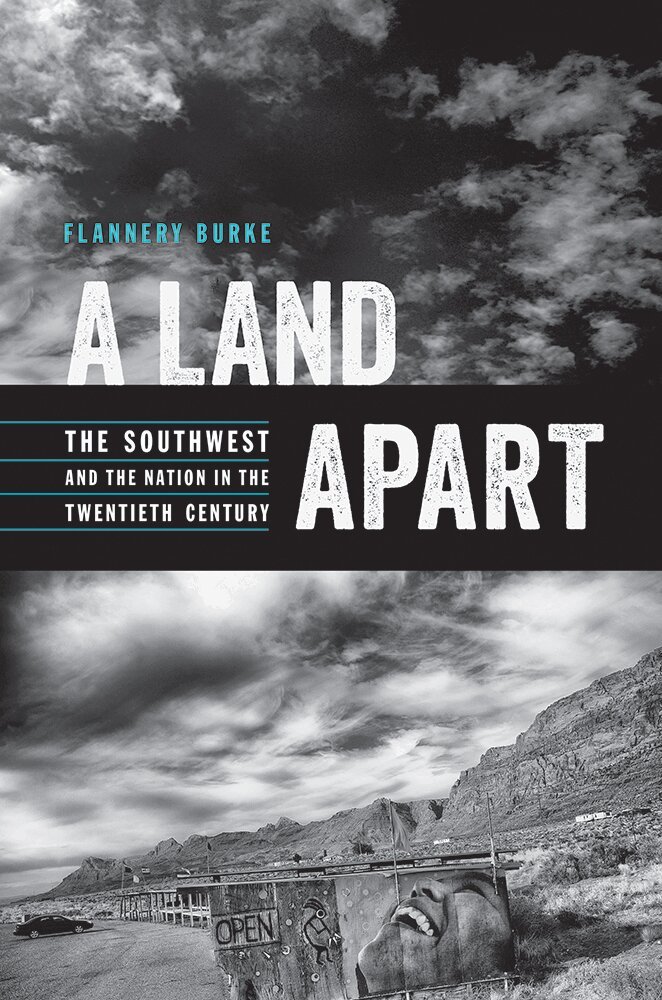
A Land Apart is not just a cultural history of the modern Southwest, it is a complete rethinking and recentering of the key players and primary events marking the Southwest in the twentieth century. Historian Flannery Burke emphasizes how indigenous, Hispanic, and other non-white people negotiated their rightful place in the Southwest. Readers visit the region’s top tourist attractions and find out how they got there, listen to the debates of Native people as they sought to establish independence for themselves in the modern United States, and ponder the significance of the U.S.-Mexico border in a place that used to be Mexico. Burke emphasizes policy over politicians, communities over individuals, and stories over simple narratives.Burke argues that the Southwest’s reputation as a region on the margins of the nation has caused many of its problems in the twentieth century. She proposes that, as they consider the future, Americans should view New Mexico and Arizona as close neighbors rather than distant siblings, pay attention to the region’s history as Mexican and indigenous space, bear witness to the area’s inequalities, and listen to the Southwest’s stories. Burke explains that two core parts of southwestern history are the development of the nuclear bomb and subsequent uranium mining, and she maintains that these are not merely a critical facet in the history of World War II and the militarization of the American West but central to an understanding of the region’s energy future, its environmental health, and southwesterners’ conception of home.Burke masterfully crafts an engaging and accessible history that will interest historians and lay readers alike. It is for anyone interested in using the past to understand the present and the future of not only the region but the nation as a whole.