Flora Veit-Wild - Böcker
Visar alla böcker från författaren Flora Veit-Wild. Handla med fri frakt och snabb leverans.
5 produkter
5 produkter
269 kr
Skickas inom 10-15 vardagar
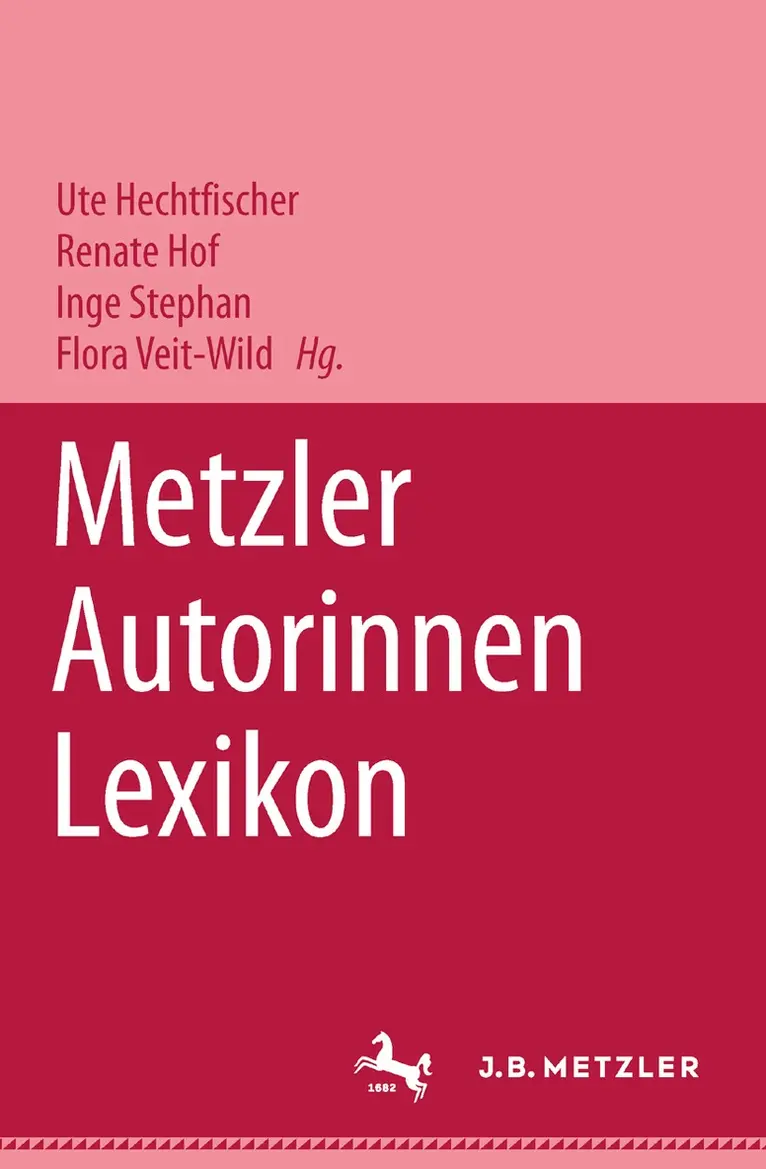
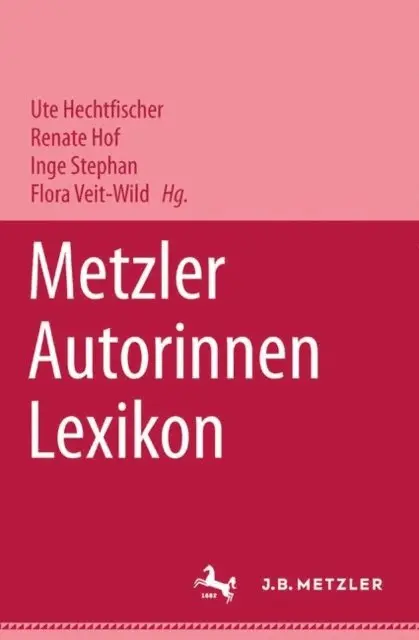
Von der Mystik bis zum postmodernen Experiment, von der Staatsdichterin bis zur inhaftierten Regimegegnerin, von Korea bis Kanada und von Skandinavien bis Peru - dieses Lexikon zeigt die Vielfalt weiblichen Schreibens von den Anfängen bis zur unmittelbaren Gegenwart. Orientiert am erfolgreichen Muster des Metzler Autoren Lexikons bietet dieses Nachschlagewerk Porträts von etwa 400 Autorinnen aus der ganzen Welt.
297 kr
Skickas inom 7-10 vardagar
1 231 kr
Skickas inom 7-10 vardagar
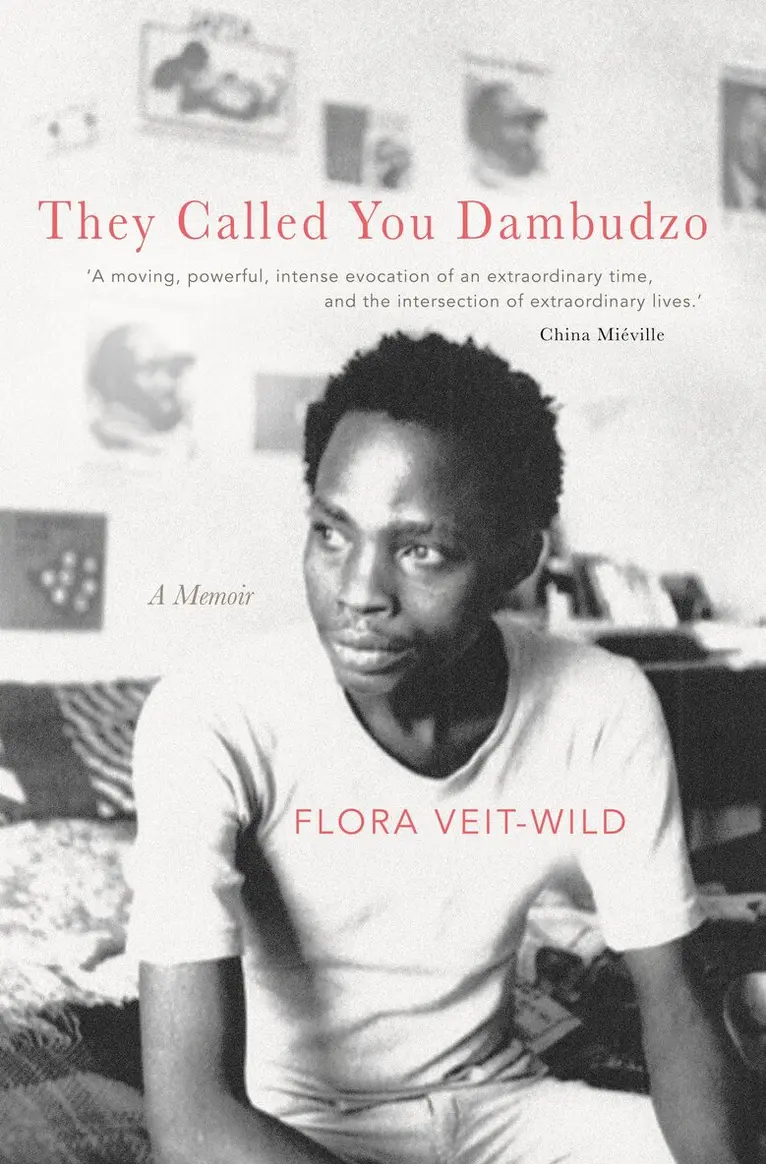
Compelling memoir of Flora Veit-Wild and her relationship with the Zimbabwean novelist, poet, playwright, and essayist Dambudzo Marechera, one of Africa's most innovative and subversive writers and a significant voice in contemporary world literature.How shall I tell our story? I hear your voice ringing in mine. I struggle to disentangle a dense tapestry of memories. One thread will be caught up in another. Early images will embrace later ones. My gaze will often be filtered through your eyes, your poems. In the end I will not always be able to tell the original from the reflection. Just as you wrote, Time's fingers on the piano / play emotion into motion / the dancers in the looking glass never recognise us as their originals.This book is a memoir with a 'double heartbeat'. At its centre is the author's relationship with the late Zimbabwean writer, Dambudzo Marechera, whose award-winning book The House of Hunger marked him as a powerful, disruptive, perhaps prophetic voice in African literature. Flora Veit-Wild is internationally recognised for her significant contribution to preserving Marechera's legacy. What is less known about Marechera and Veit-Wild is that they had an intense, personal and sexual relationship. This memoir explores this: the couple's first encounter in 1983, amidst the euphoria of the newly independent Zimbabwe; the tumultuous months when the homeless writer moved in with his lover and her family; the bouts of creativity once he had his own flat followed by feelings of abandonment; the increasing despair about a love affair that could not stand up against reality; and the illness of the writer and his death of HIV related pneumonia in August 1987. What follows are the struggles Flora went through once Dambudzo had died. On the one hand she became the custodian of his life and work, on the other she had to live with her own HIV infection and the ensuing threats to her health.Jacana: Southern Africa
355 kr
Skickas inom 7-10 vardagar
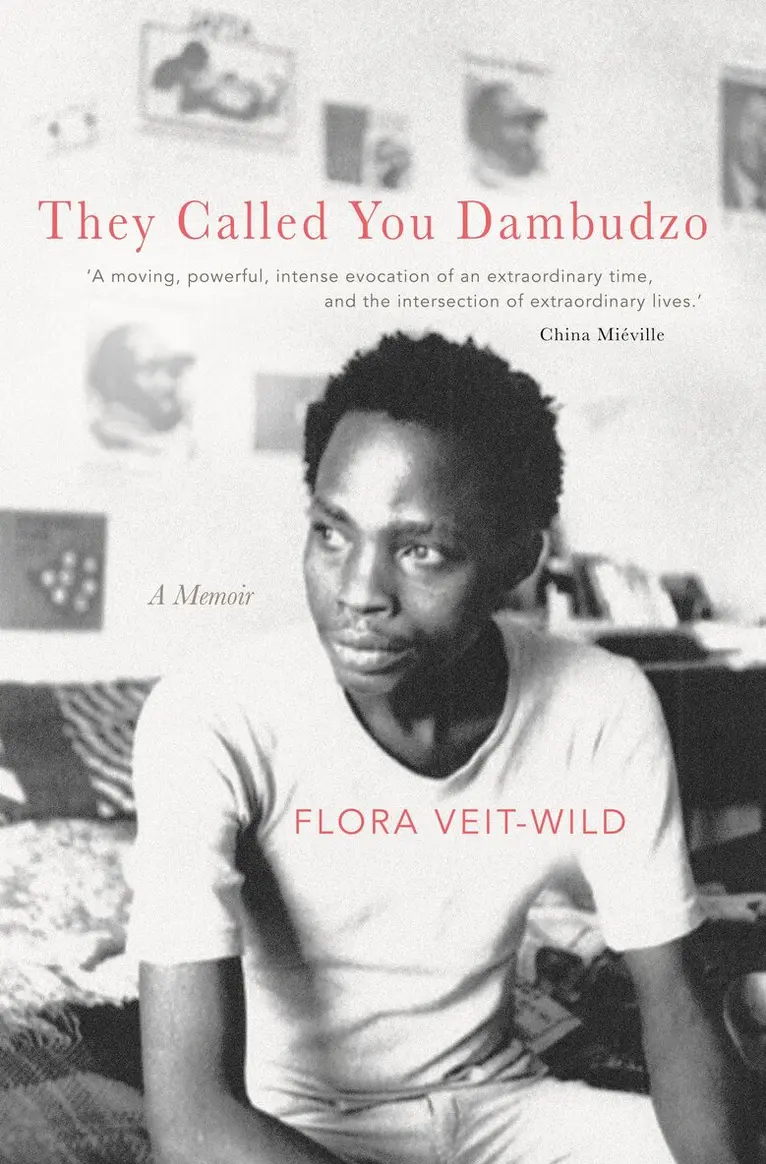
Compelling memoir of Flora Veit-Wild and her relationship with the Zimbabwean novelist, poet, playwright, and essayist Dambudzo Marechera, one of Africa's most innovative and subversive writers and a significant voice in contemporary world literature.How shall I tell our story? I hear your voice ringing in mine. I struggle to disentangle a dense tapestry of memories. One thread will be caught up in another. Early images will embrace later ones. My gaze will often be filtered through your eyes, your poems. In the end I will not always be able to tell the original from the reflection. Just as you wrote, Time's fingers on the piano / play emotion into motion / the dancers in the looking glass never recognise us as their originals.This book is a memoir with a 'double heartbeat'. At its centre is the author's relationship with the late Zimbabwean writer, Dambudzo Marechera, whose award-winning book The House of Hunger marked him as a powerful, disruptive, perhaps prophetic voice in African literature. Flora Veit-Wild is internationally recognised for her significant contribution to preserving Marechera's legacy. What is less known about Marechera and Veit-Wild is that they had an intense, personal and sexual relationship. This memoir explores this: the couple's first encounter in 1983, amidst the euphoria of the newly independent Zimbabwe; the tumultuous months when the homeless writer moved in with his lover and her family; the bouts of creativity once he had his own flat followed by feelings of abandonment; the increasing despair about a love affair that could not stand up against reality; and the illness of the writer and his death of HIV related pneumonia in August 1987. What follows are the struggles Flora went through once Dambudzo had died. On the one hand she became the custodian of his life and work, on the other she had to live with her own HIV infection and the ensuing threats to her health.Jacana: Southern Africa
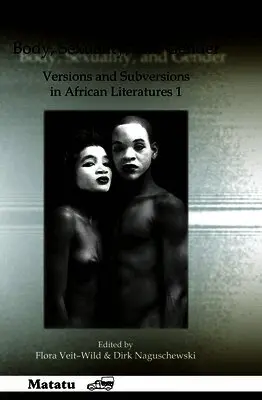
Body, Sexuality, and Gender
Versions and Subversions in African Literatures 1
Inbunden, Engelska, 2005
1 658 kr
Skickas inom 5-8 vardagar
Literary representations of the body from Africa as well as narrative strategies of writing the body have only recently begun to receive wider critical attention. The reflections on body, sexuality, and gender in African literary texts brought together in this volume do not consider these three terms as separate entities but instead as closely related to each other, each term questioning the other: bodies and sexualities that are transgressing concepts of gender, gender that is probing body and sexuality. With regard to Africa, the three concepts form a particularly contested space, because body and sexuality are not only subjected to power relations in terms of gender, but also in terms of race, ethnicity, and the legacy of colonialism.While the sections “Gifted Bodies” and “Queered Bodies” show new developments in viewing body and sexuality as creative powers, the sections “Tainted Bodies” and “Violated Bodies” comprise essays that investigate the exposure of the body to physical aggression and other traumatic experiences.Some of the authors treated in detail are: Ama Ata Aidoo, Mariama Bâ, Calixthe Beyala, Tsitsi Dangarembga, Bessie Head, Sheila Kohler, Flora Nwapa, Promise Okekwe, Yvonne Vera; André Brink, J.M. Coetzee, K. Sello Duiker, Nuruddin Farah, Abdulrazak Gurnah, Dambudzo Marechera, Arthur Nortje, Ben Okri, Shamim Sarif, and Williams Sassine.Contributors: Akachi Adimora--Ezeigbo, Susan Arndt, Unoma N. Azuah, Elleke Boehmer, Monica Bungaro, Lucy Valerie Graham, Jessica Hemmings, Sigrid G. Köhler, Martina Kopf, Chikwenye Okonjo Ogunyemi, Marion Pape, Robert Muponde, Sarah Nuttall, Drew Shaw, Alioune Sow, Cheryl Stobie, Alexie Tcheuyap