Florin Curta – författare
Visar alla böcker från författaren Florin Curta. Handla med fri frakt och snabb leverans.
43 produkter
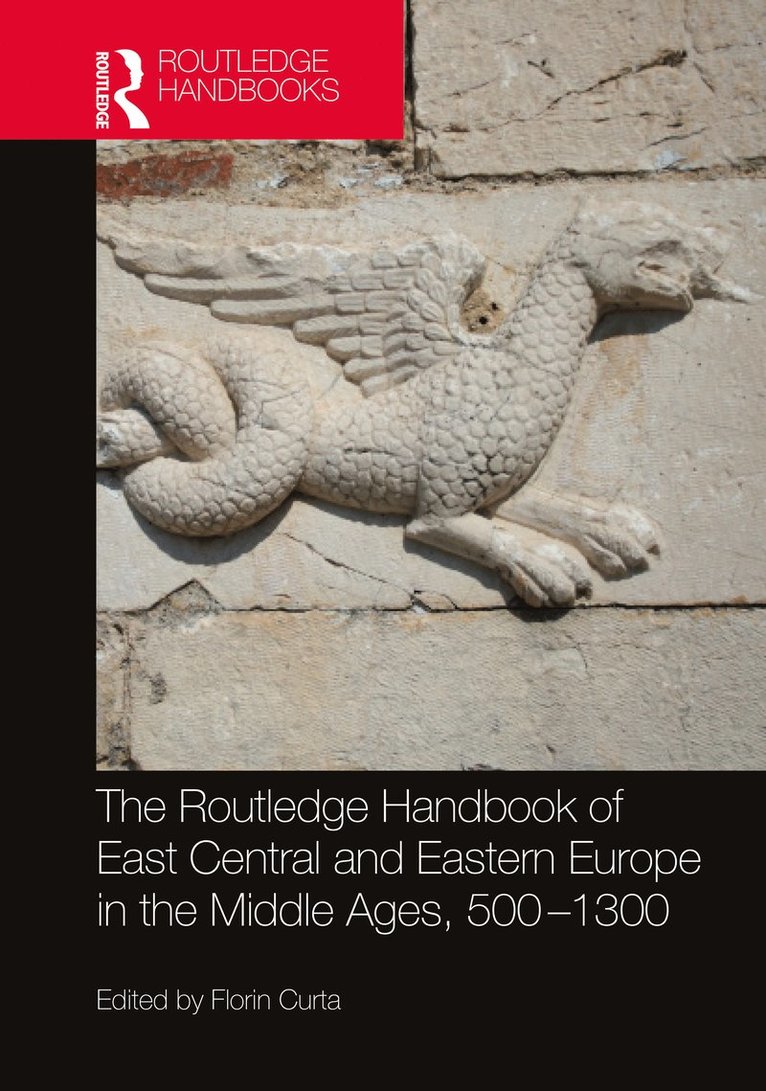
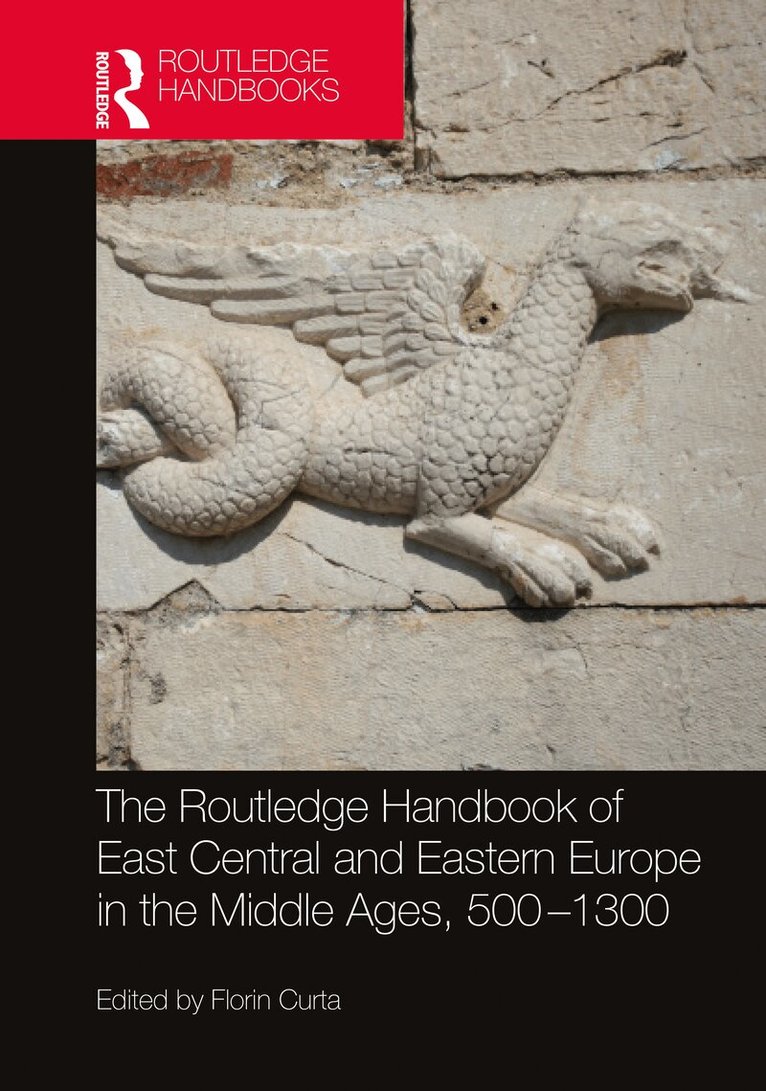
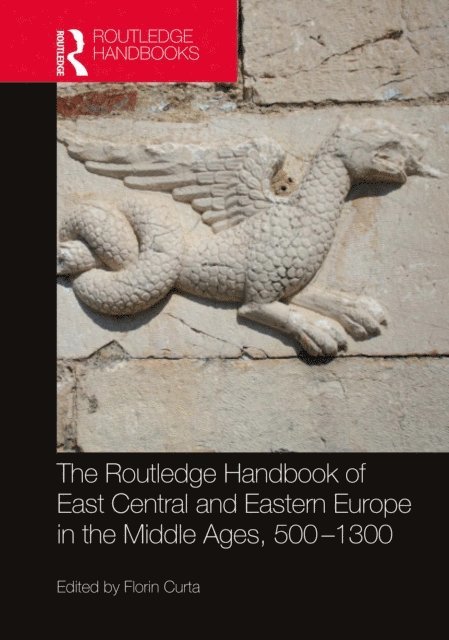
Routledge Handbook of East Central and Eastern Europe in the Middle Ages, 500-1300
Av Florin Curta
Häftad, 2023
742 kr
Lägg i varukorg
The Routledge Handbook of East Central and Eastern Europe in the Middle Ages, 500–1300 is the first of its kind to provide a point of reference for the history of the whole of Eastern Europe during the Middle Ages.While historians have recognized the importance of integrating the eastern part of …
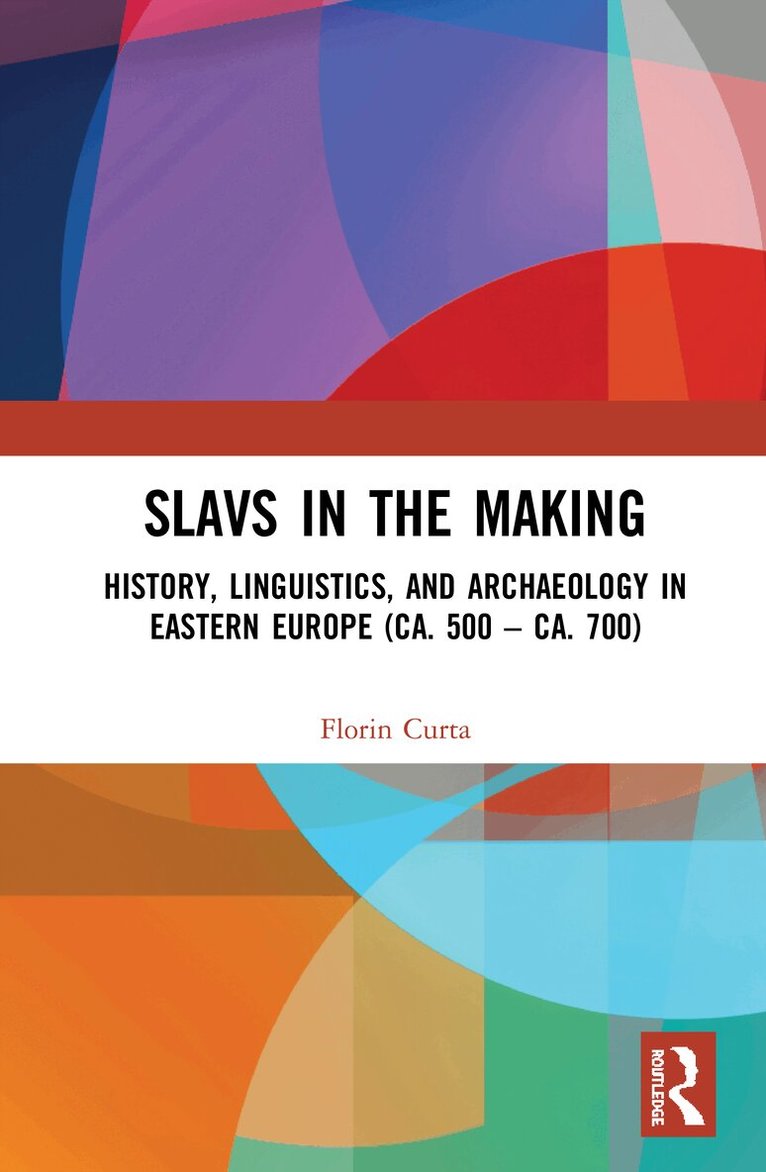
Slavs in the Making
History, Linguistics, and Archaeology in Eastern Europe (ca. 500 – ca. 700)
Av Florin Curta
Häftad, 2022
787 kr
Lägg i varukorg
Slavs in the Making takes a fresh look at archaeological evidence from parts of Slavic-speaking Europe north of the Lower Danube, including the present-day territories of the Czech Republic, Slovakia, Poland, Belarus, Ukraine, and Russia. Nothing is known about what the inhabitants of those remote …
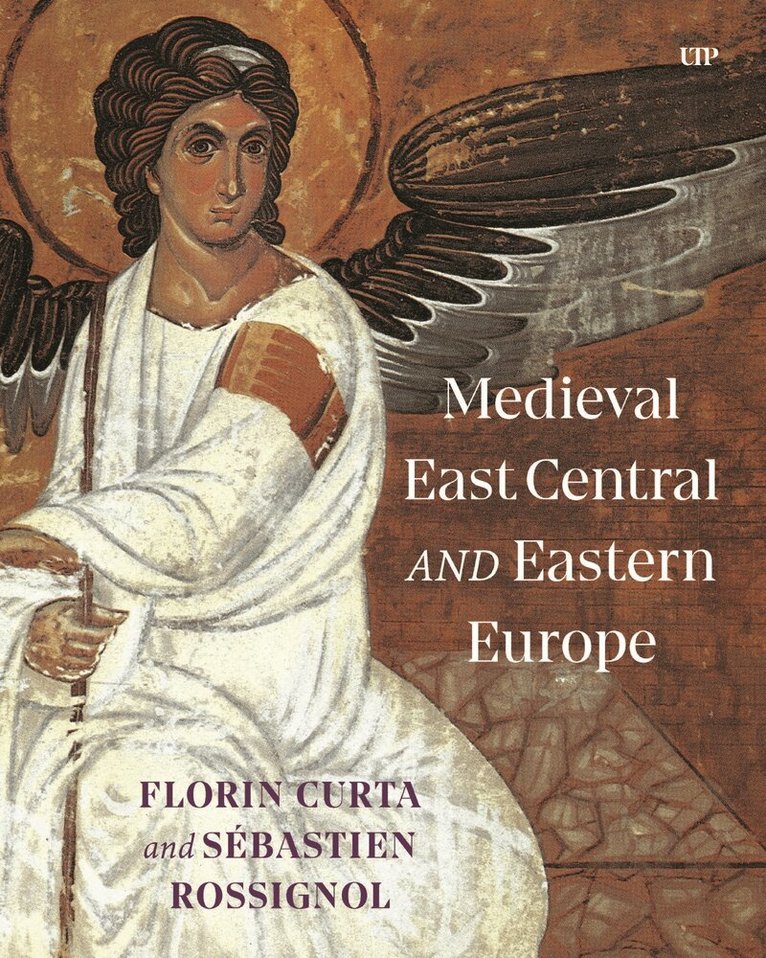
Medieval East Central and Eastern Europe
Av Florin Curta, Sebastien Rossignol
Häftad, 2025
629 kr
Lägg i varukorg
From Bohemia to Rus’ and from the White Sea to the Balkans, Medieval East Central and Eastern Europe by Florin Curta and Sébastien Rossignol covers the medieval history of a large area. This groundbreaking textbook is an important introduction for students and an essential tool for instructors of …
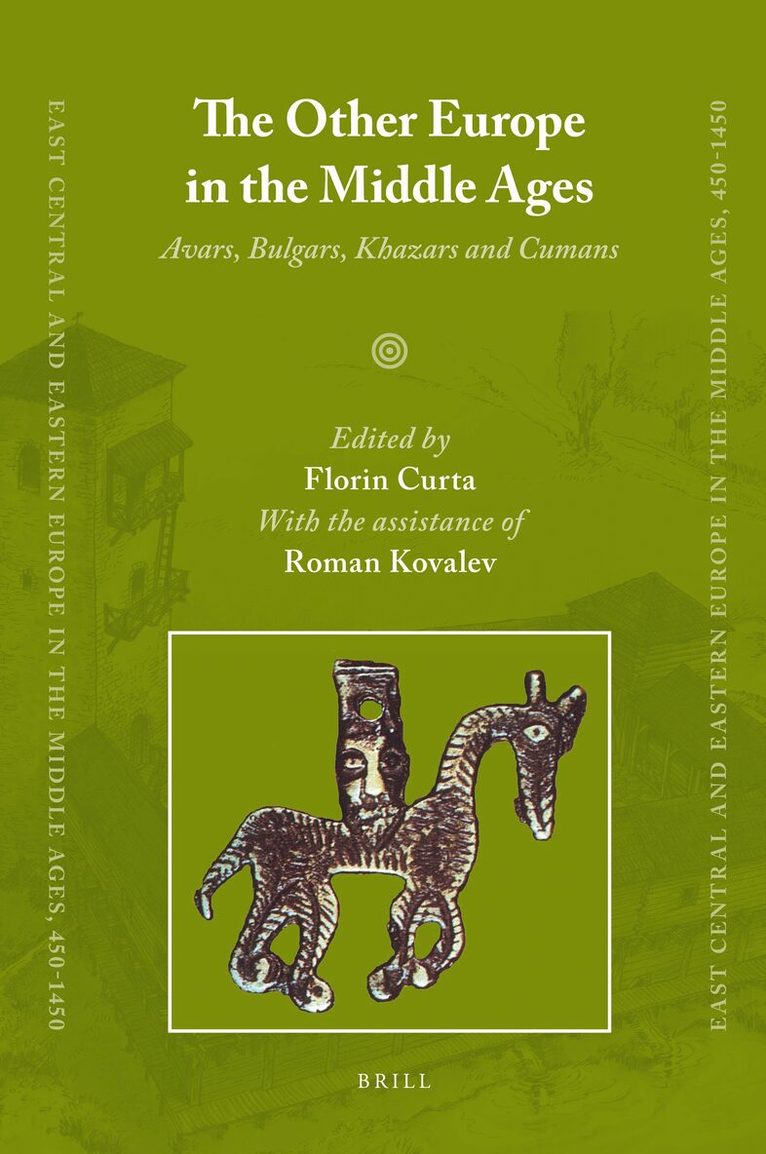
Other Europe in the Middle Ages
Avars, Bulgars, Khazars and Cumans
Av Florin Curta
Inbunden, 2007
3921 kr
Lägg i varukorg
For most students in medieval studies, Eastern Europe is marginal and East European topics simply exotica. A peculiar form of Orientalism may thus be responsible for the exclusion of the Avars, Bulgars, Khazars, and Cumans from the medieval history of the European continent. This collection of …
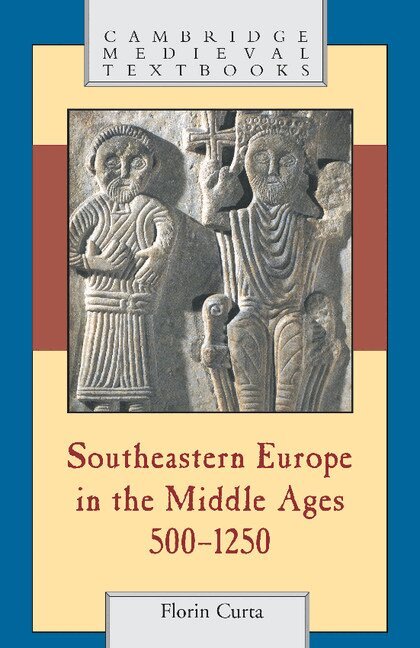
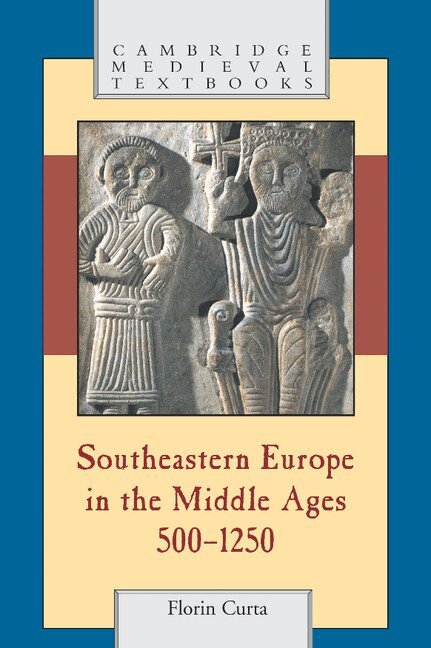
Southeastern Europe in the Middle Ages, 500-1250
Av Florin Curta
Häftad, 2006
720 kr
Lägg i varukorg
Southeastern Europe in the Middle Ages stood at a crossroads of trade and crusading routes and fell within the spheres of influence of both the Byzantine Orthodox Church and Latin Christendom. This authoritative survey draws on historical and archaeological sources in the narration of 750 years of …
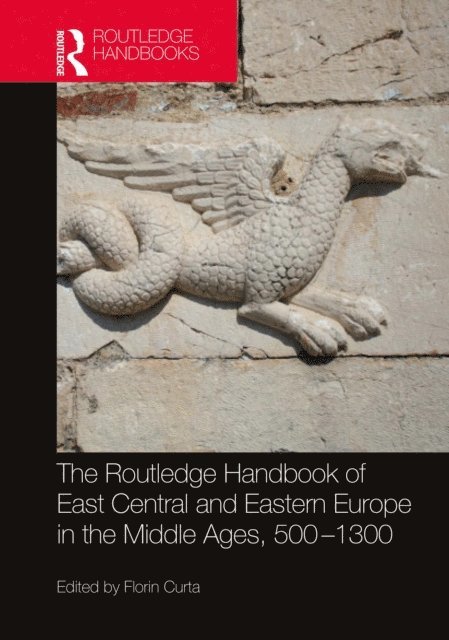
Routledge Handbook of East Central and Eastern Europe in the Middle Ages, 500-1300
Av Florin Curta
Inbunden, 2021
3909 kr
Lägg i varukorg
The Routledge Handbook of East Central and Eastern Europe in the Middle Ages, 500–1300 is the first of its kind to provide a point of reference for the history of the whole of Eastern Europe during the Middle Ages.While historians have recognized the importance of integrating the eastern part of …
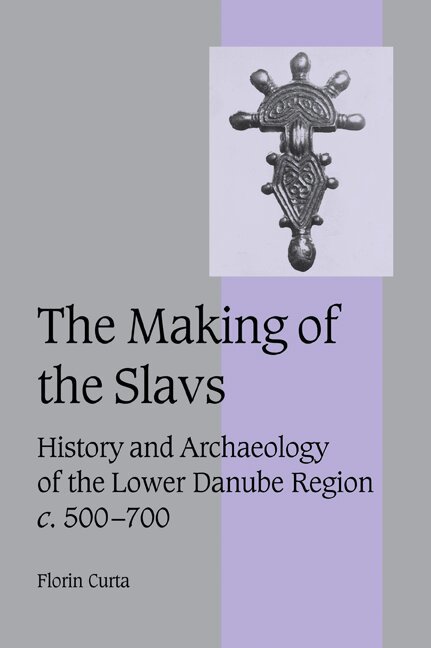
The Making of the Slavs
History and Archaeology of the Lower Danube Region, c.500-700
Av Florin Curta
Häftad, 2007
871 kr
Lägg i varukorg
This book offers an alternative approach to the problem of Slavic ethnicity in south-eastern Europe between c. 500 and c. 700, from the perspective of current anthropological theories. The conceptual emphasis here is on the relation between material culture and ethnicity. The author demonstrates …
The Making of the Slavs
History and Archaeology of the Lower Danube Region, c.500-700
Av Florin Curta
Inbunden, 2001
2449 kr
Lägg i varukorg
This book offers an alternative approach to the problem of Slavic ethnicity in south-eastern Europe between c. 500 and c. 700, from the perspective of current anthropological theories. The conceptual emphasis here is on the relation between material culture and ethnicity. The author demonstrates …
Southeastern Europe in the Middle Ages, 500-1250
Av Florin Curta
Inbunden, 2006
1641 kr
Lägg i varukorg
Southeastern Europe in the Middle Ages stood at a crossroads of trade and crusading routes and fell within the spheres of influence of both the Byzantine Orthodox Church and Latin Christendom. This authoritative survey draws on historical and archaeological sources in the narration of 750 years of …
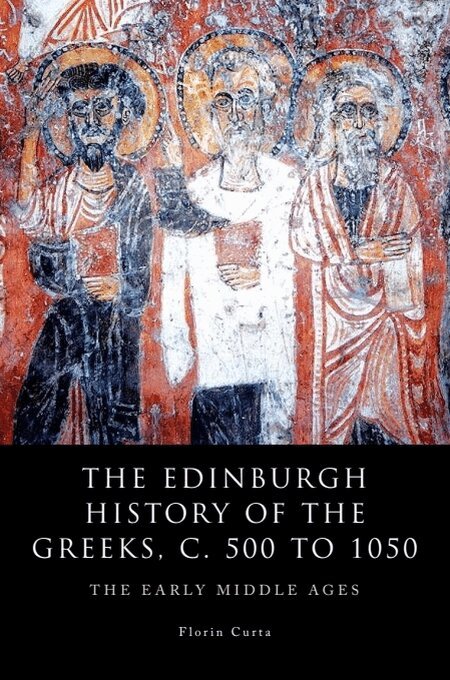
Edinburgh History of the Greeks, c. 500 to 1050
The Early Middle Ages
Av Florin Curta
Häftad, 2014
757 kr
Lägg i varukorg
This volume traces the social, economic and political history of the Greeks between 500 and 1050. The book adopts an interdisciplinary approach and uses archaeological evidence, as well as coins and seals, fiscal documents, medieval chronicles, and hagiographic literature to examine the development …
Routledge Handbook of East Central and Eastern Europe in the Middle Ages, 500-1300
Av Florin Curta
E-bok, 2021
855 kr
Lägg i varukorg
The Routledge Handbook of East Central and Eastern Europe in the Middle Ages, 500 – 1300 is the first of its kind to provide a point of reference for the history of the whole of Eastern Europe during the Middle Ages. While historians have recognized the importance of integrating the eastern part of …
Routledge Handbook of East Central and Eastern Europe in the Middle Ages, 500-1300
Av Florin Curta
E-bok, 2021
874 kr
Lägg i varukorg
The Routledge Handbook of East Central and Eastern Europe in the Middle Ages, 500 – 1300 is the first of its kind to provide a point of reference for the history of the whole of Eastern Europe during the Middle Ages. While historians have recognized the importance of integrating the eastern part of …
Medieval Europe 250-1450
Av Christian Raffensperger, Florin Curta
Inbunden, 2025
2513 kr
Lägg i varukorg
Providing an inclusive history of the entire territory and people of medieval Europe from 250 to1450, this volume examines not just the political history but the rich social and cultural history, too.European history has functioned as a defining force in the modern worldview of many countries and …
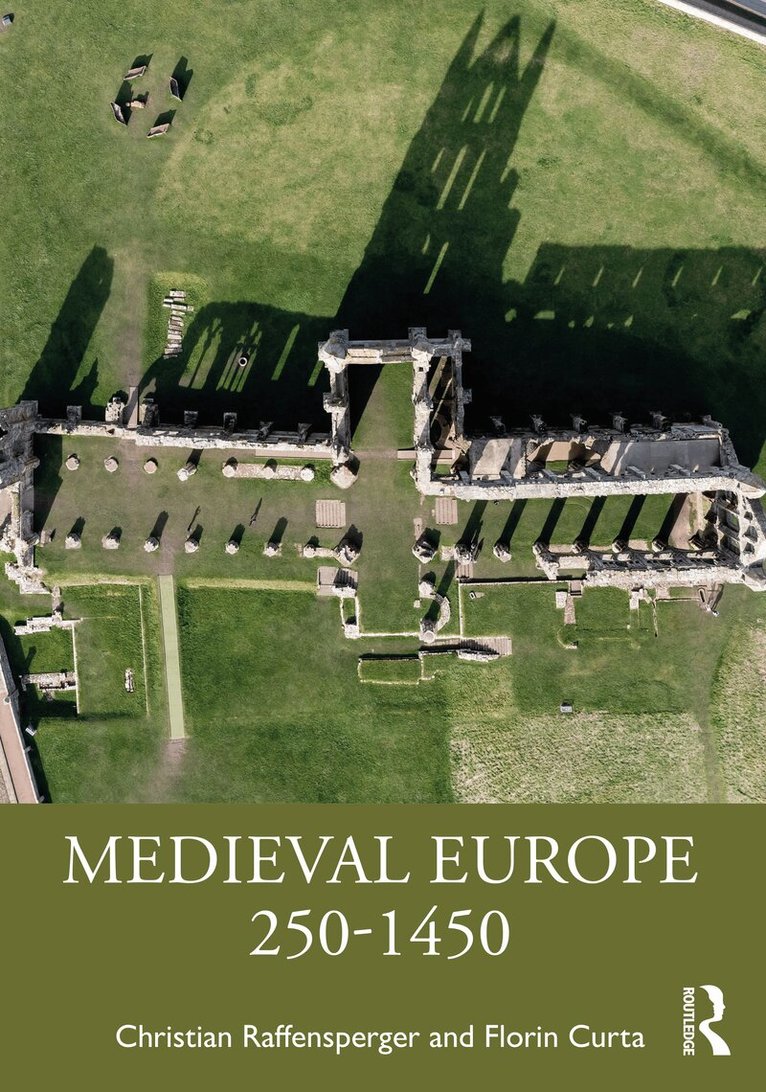
Medieval Europe 250-1450
Av Christian Raffensperger, Florin Curta
Häftad, 2025
648 kr
Lägg i varukorg
Providing an inclusive history of the entire territory and people of medieval Europe from 250 to1450, this volume examines not just the political history but the rich social and cultural history, too.European history has functioned as a defining force in the modern worldview of many countries and …
Medieval Europe From Another Angle
Volume I: The People
Av Florin Curta
Inbunden, 2025
2513 kr
Lägg i varukorg
While the Middle Ages represent a topic of perennial interest, most studies have addressed the western parts of the European continent, often from the angle of the written sources. This volume examines an area less known in the literary and archaeological evidence. The studies included therein …
Medieval Europe From Another Angle
Volume I: The People
Av Florin Curta
Häftad, 2026
727 kr
Lägg i varukorg
While the Middle Ages represent a topic of perennial interest, most studies have addressed the western parts of the European continent, often from the angle of the written sources. This volume examines an area less known in the literary and archaeological evidence. The studies included therein …
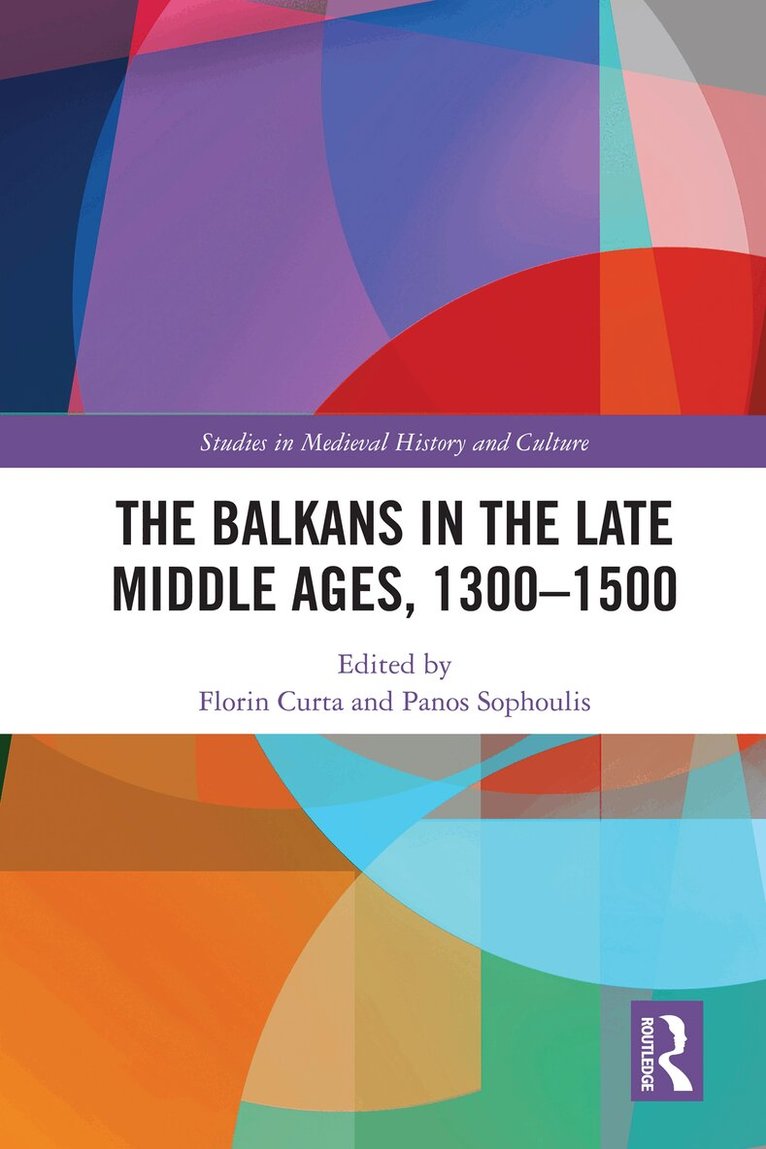
Balkans in the Late Middle Ages, 1300-1500
Av Panos Sophoulis, Florin Curta
Inbunden, 2026
2513 kr
Lägg i varukorg
The Balkans in the Late Middle Ages, 1300–1500 is the first publication of its kind to provide a point of reference for the history of Southeastern Europe during the late medieval period. Scholars have long recognized the 14th and 15th centuries as an extremely important period in the history of …
Medieval Europe From Another Angle
Volume I: The People
Av Florin Curta
E-bok, 2025
856 kr
Lägg i varukorg
While the Middle Ages represent a topic of perennial interest, most studies have addressed the western parts of the European continent, often from the angle of the written sources. This volume examines an area less known in the literary and archaeological evidence. The studies included therein …
Medieval Europe From Another Angle
Volume I: The People
Av Florin Curta
E-bok, 2025
856 kr
Lägg i varukorg
While the Middle Ages represent a topic of perennial interest, most studies have addressed the western parts of the European continent, often from the angle of the written sources. This volume examines an area less known in the literary and archaeological evidence. The studies included therein …
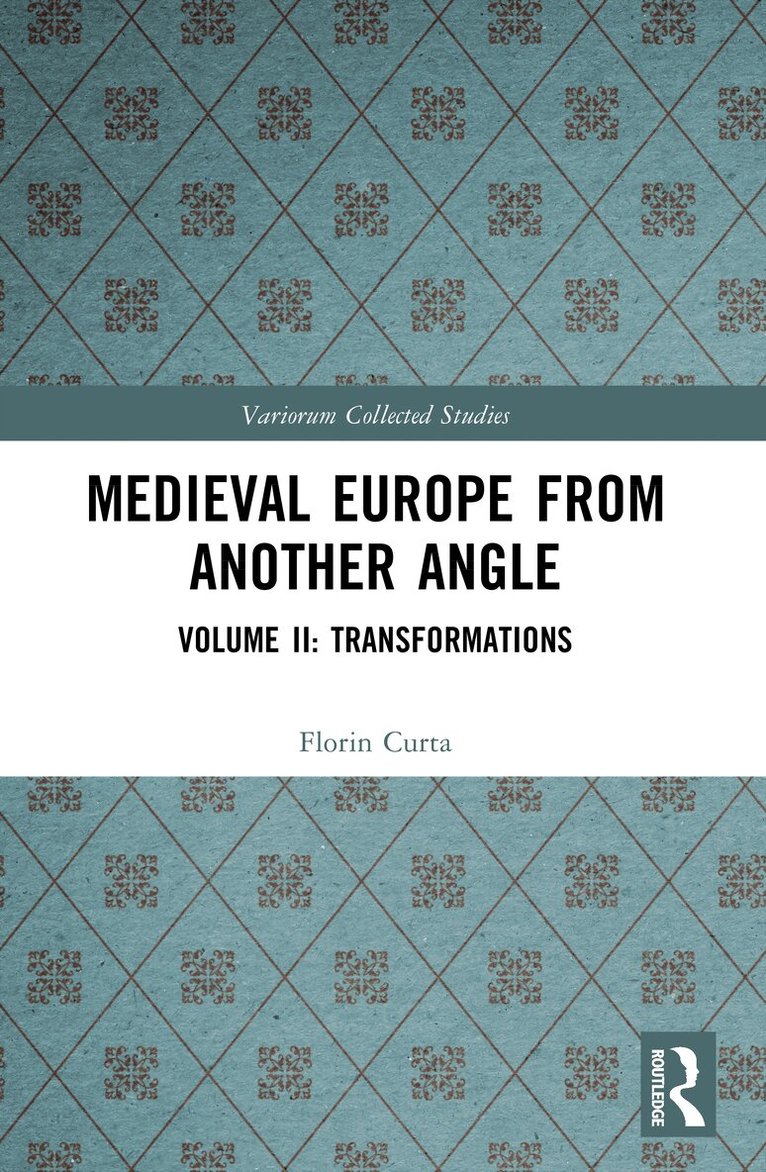
Medieval Europe From Another Angle
Volume II: Transformations
Av Florin Curta
E-bok, 2025
856 kr
Lägg i varukorg
The history of East Central, Southeastern and Eastern Europe may be considered as alternating between a Marxist emphasis on rigid differences between Antiquity and the Middle Ages, largely derived from distinctive modes of production, and a preoccupation with borders, ethnicity, and personalities. …
Medieval Europe From Another Angle
Volume II: Transformations
Av Florin Curta
E-bok, 2025
831 kr
Lägg i varukorg
The history of East Central, Southeastern and Eastern Europe may be considered as alternating between a Marxist emphasis on rigid differences between Antiquity and the Middle Ages, largely derived from distinctive modes of production, and a preoccupation with borders, ethnicity, and personalities. …
Medieval Europe 250-1450
Av Florin Curta, Christian Raffensperger
E-bok, 2025
696 kr
Lägg i varukorg
Providing an inclusive history of the entire territory and people of medieval Europe from 250-1450, this volume examines not just the political history but the rich social and cultural history, too. European history has functioned as a defining force in the modern worldview of many countries and …
Medieval Europe 250-1450
Av Florin Curta, Christian Raffensperger
E-bok, 2025
696 kr
Lägg i varukorg
Providing an inclusive history of the entire territory and people of medieval Europe from 250-1450, this volume examines not just the political history but the rich social and cultural history, too. European history has functioned as a defining force in the modern worldview of many countries and …
Medieval Europe From Another Angle
Volume II: Transformations
Av Florin Curta
Inbunden, 2025
2513 kr
Lägg i varukorg
The history of East Central, Southeastern and Eastern Europe may be considered as alternating between a Marxist emphasis on rigid differences between Antiquity and the Middle Ages, largely derived from distinctive modes of production, and a preoccupation with borders, ethnicity, and …
Medieval Europe From Another Angle
Volume II: Transformations
Av Florin Curta
Häftad, 2026
727 kr
Lägg i varukorg
The history of East Central, Southeastern and Eastern Europe may be considered as alternating between a Marxist emphasis on rigid differences between Antiquity and the Middle Ages, largely derived from distinctive modes of production, and a preoccupation with borders, ethnicity, and …
Slavs in the Making
History, Linguistics, and Archaeology in Eastern Europe (ca. 500 – ca. 700)
Av Florin Curta
Inbunden, 2020
2198 kr
Lägg i varukorg
Slavs in the Making takes a fresh look at archaeological evidence from parts of Slavic-speaking Europe north of the Lower Danube, including the present-day territories of the Czech Republic, Slovakia, Poland, Belarus, Ukraine, and Russia. Nothing is known about what the inhabitants of those remote …
Slavs in the Making
History, Linguistics, and Archaeology in Eastern Europe (ca. 500 - ca. 700)
Av Florin Curta
E-bok, 2020
907 kr
Lägg i varukorg
Slavs in the Making takes a fresh look at archaeological evidence from parts of Slavic-speaking Europe north of the Lower Danube, including the present-day territories of the Czech Republic, Slovakia, Poland, Belarus, Ukraine, and Russia. Nothing is known about what the inhabitants of those remote …
Slavs in the Making
History, Linguistics, and Archaeology in Eastern Europe (ca. 500 - ca. 700)
Av Florin Curta
E-bok, 2020
907 kr
Lägg i varukorg
Slavs in the Making takes a fresh look at archaeological evidence from parts of Slavic-speaking Europe north of the Lower Danube, including the present-day territories of the Czech Republic, Slovakia, Poland, Belarus, Ukraine, and Russia. Nothing is known about what the inhabitants of those remote …
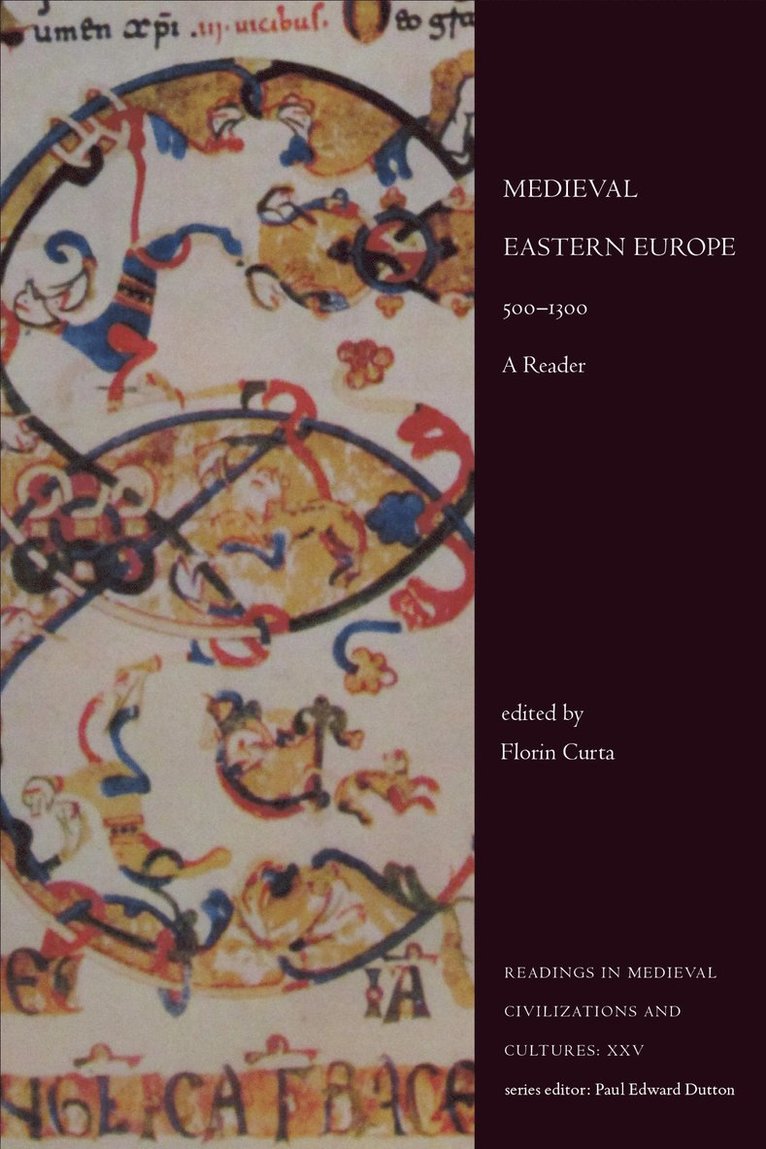
XXVMedieval Eastern Europe, 500-1300
A Reader
Av Florin Curta
Inbunden, 2024
1091 kr
Lägg i varukorg
Filling a major gap in medieval studies, Medieval Eastern Europe is the first collection of primary sources in English translation covering the history of the whole eastern region of the European continent between 500 and 1300. Florin Curta, a leading scholar of medieval eastern Europe, gathers …
XXVMedieval Eastern Europe, 500-1300
A Reader
Av Florin Curta
Häftad, 2024
455 kr
Lägg i varukorg
Filling a major gap in medieval studies, Medieval Eastern Europe is the first collection of primary sources in English translation covering the history of the whole eastern region of the European continent between 500 and 1300. Florin Curta, a leading scholar of medieval eastern Europe, gathers …