• Fri frakt över 249 kr
  • •
  • Snabba leveranser
  • •
  • Billiga böcker
Kundservice

Du är på sajten för privatpersoner.

Företag, bibliotek eller offentlig verksamhet?

Du handlar på classic.bokus.com, där alla dina funktioner finns intakta.
Till classic.bokus.com
Bokus logotyp. Gå till startsidan.
  • Erbjudanden
  • Nyheter
  • Student
  • Topplistor
  • Barn & ungdom
  • Bokus Play
  • E-böcker
  • Pocketböcker
  • Spel & pussel

10% rabatt på allt med kod: NYSTART10 →

Sidfot

Mina sidor

    Hjälp

    • Kundservice
    • Vanliga frågor och svar
    • Frakt och leverans
    • Retur vid ångerrätt
    • Reklamera vara
    • Betalning
    • Köpvillkor
    • Allmänna villkor
    • Information om webbplatsens tillgänglighet

    Om Bokus

    • Om oss
    • Pressrum
    • För studenter
    • För företag
    • För bibliotek och offentlig verksamhet
    • För leverantörer
    • Hållbarhet

    Populärt

    • Aktuella erbjudanden
    • Presentkort
    • Studentlitteratur
    • Nya böcker
    • Topplistor
    • Signerade böcker
    • Engelska böcker

    Inspiration

    • Boktips
    • BookTok
    • Populära bokserier
    • Barnbokskaraktärer
    • Populära författare
    Logotyp för Bokus
    Följ oss på Facebook (extern länk)Följ oss på Instagram (extern länk)Följ oss på YouTube (extern länk)Följ oss på TikTok (extern länk)
    bokus @ CookiesAnpassa cookiesIntegritetspolicyKöpvillkor
    Till Citymail hemsida (extern länk)Till Budbee hemsida (extern länk)Till Postnord hemsida (extern länk)Till Schenker hemsida (extern länk)Till Early Bird hemsida (extern länk)Till Walleys hemsida (extern länk)
    1. Historia och arkeologi
    2. Historia
    3. Europas historia

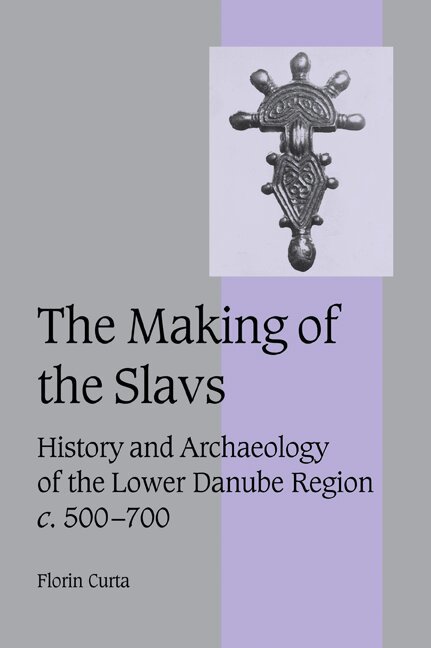
    The Making of the Slavs

    History and Archaeology of the Lower Danube Region, c.500-700

    AvFlorin Curta

    Häftad, Engelska, 2007

    Del 52 i serien Cambridge Studies in Medieval Life and Thought: Fourth Series

    712 kr

    Beställningsvara. Skickas inom 10-15 vardagar. Fri frakt över 249 kr.

    Fler format och utgåvor

    Inbunden

    2 010 kr

    Beskrivning

    This book offers an alternative approach to the problem of Slavic ethnicity in south-eastern Europe between c. 500 and c. 700, from the perspective of current anthropological theories. The conceptual emphasis here is on the relation between material culture and ethnicity. The author demonstrates that the history of the Sclavenes and the Antes begins only at around 500 AD. He also points to the significance of the archaeological evidence, which suggests that specific artefacts may have been used as identity markers. This evidence also indicates the role of local leaders in building group boundaries and in leading successful raids across the Danube. Because of these military and political developments, Byzantine authors began employing names such as Sclavines and Antes in order to make sense of the process of group identification that was taking place north of the Danube frontier. Slavic ethnicity is therefore shown to be a Byzantine invention.

    Produktinformation

    • Utgivningsdatum:2007-04-30
    • Mått:152 x 229 x 27 mm
    • Vikt:740 g
    • Format:Häftad
    • Språk:Engelska
    • Serie:Cambridge Studies in Medieval Life and Thought: Fourth Series
    • Antal sidor:496
    • Förlag:Cambridge University Press
    • ISBN:9780521036153

    Utforska kategorier

    • Europas historia inom Historia och arkeologi

    Recensioner i media

    'The book is notable for the emphasis on the study of the material culture as evidence of cultural process … the novel and thorough approach of the book has a great deal to offer the scholar interested in many aspects of the history and historiography of early Medieval eastern and southeastern Europe and the study of past ethnicities.' Slavic Review

    Innehållsförteckning

    • List of figures; List of tables; Acknowledgements; List of abbreviations; Introduction; 1. Slavic ethnicity and the ethnie of the Slavs: concepts and approaches; 2. Sources for the history of the early Slavs (c. 500–700); 3. The Slavs in early medieval sources (c. 500–700); 4. The Balkans and the Danube limes during the sixth and seventh centuries; 5. Barbarians on the sixth-century Danube frontier: an archaeological survey; 6. Elites and group identity north of the Danube frontier: the archaeological evidence; 7. 'Kings' and 'democracy': power in early Slavic society; Conclusion: the making of the Slavs; Appendices; References; Index.