Frances Clemente – Författare
Visar alla böcker från författaren Frances Clemente. Handla med fri frakt och snabb leverans.
2 produkter
2 produkter
1 863 kr
Kommande
The book investigates the notion of ecstasy in Italian culture and literature from the country's unification in 1861 to its entry into World War I in 1915. Combining historical and cultural investigation with literary analysis, it traces the circulation and spreading of ecstatic phenomena in a variety of different discourses, specifically, those related to religion, science, and 'occulture', and the ways in which they were portrayed by Italian writers of the period. Focusing on mystical ecstasies, magnetic ecstasies, mediumistic trances, hypnotic trances, and hysterical extases, it shows how ecstatic subjects were regarded as abnormal, disorderly individuals in need to be overseen, governed, or repressed. It also discusses how some of the most prominent authors of Italian post-unification literature, namely Matilde Serao, Antonio Fogazzaro, Luigi Capuana, and Gabriele D'Annunzio, delivered literary depictions of ecstasy, finding in the latter a fundamental trope to explore the disorderly, inner tensions of the self, anticipating Freud's theorisations of the unconscious and the death drive. Ultimately, the book proposes the existence of an 'ecstatic Italy' between 1861 and 1915, providing a new theoretical frame to analyse Italian modernity in a pivotal period in the country's history. This theoretical frame is condensed in the expression 'ecstatic dis-order' which refers to a dialectical tension between, on the one hand, an ecstatic disorder, manifesting itself through ecstatic subjectivities (mostly female) that undermined the order the establishment was striving towards, pervading it with chaos and disarray, and, on the other hand, a static order (usually masculine), exerting, through different agencies, a power of repressive and normative surveillance upon these ecstatic subjectivities, in order to maintain the cohesion and steadiness of Italian citizens and of the newly unified country.
1 962 kr
Skickas inom 7-10 vardagar
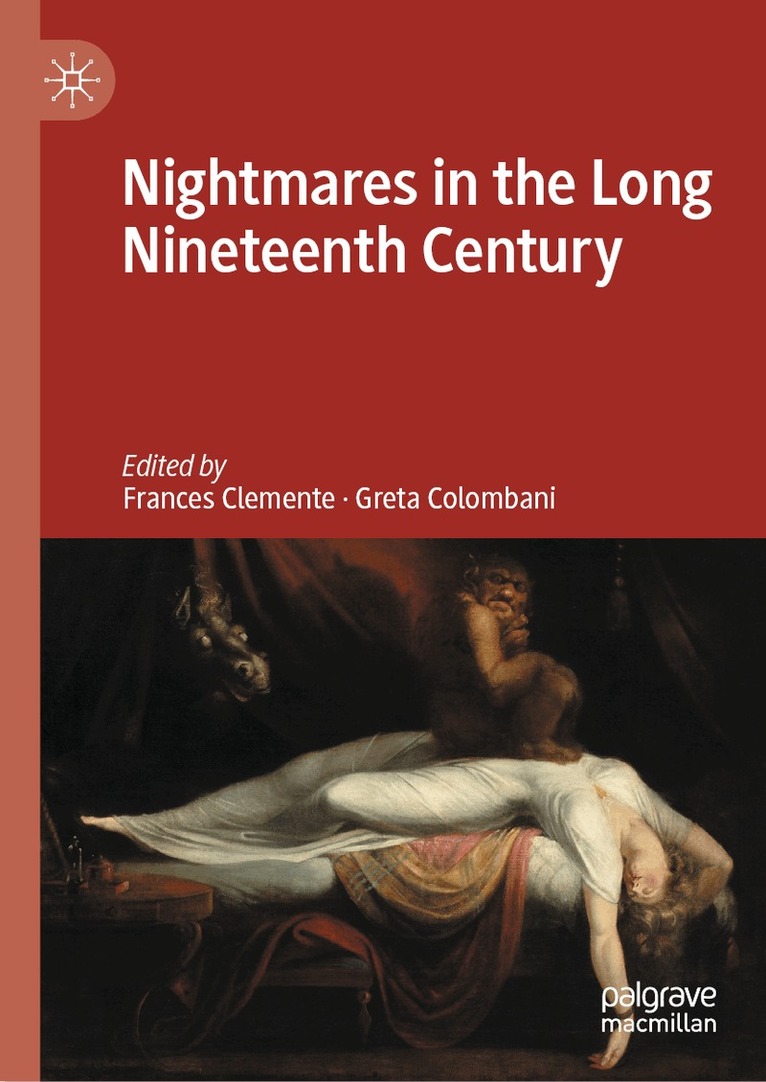
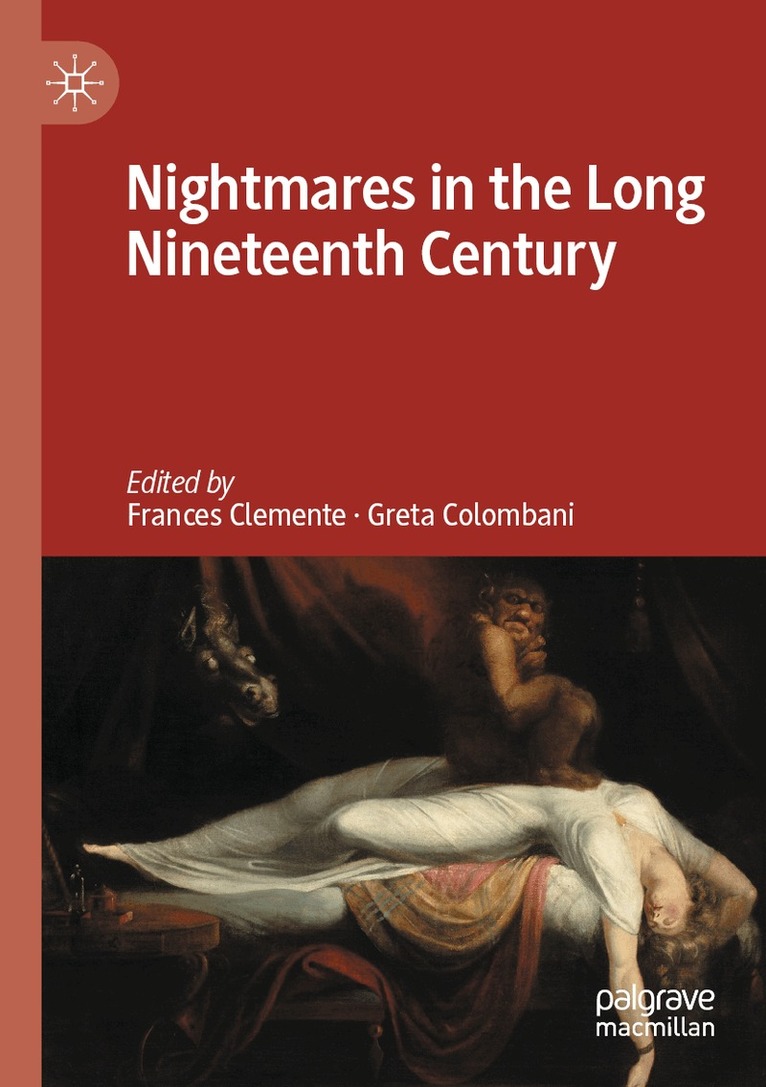
From Johann Heinrich Füssli’s 1781 oil painting The Nightmare, which was to become the iconic image of a newly emergent sensibility, to the first psychoanalytic studies culminating in “On the Nightmare” by Ernest Jones, first published in 1911, the long nineteenth century was characterised by a pervasive fascination with nightmares, both as frightening dreams and, in their personified form, evil spirits or monstrous creatures. This volume investigates the extensive and multifaceted presence of nightmares in the literature and culture of this period from a cross-disciplinary and cross-national perspective, shedding new light on the remarkably widespread nature of the nineteenth-century interest in nightmares as well as on common threads and features that inform and animate it. Its contributions by scholars from different fields reveal how nineteenth-century representations of nightmare, across and beyond Europe, explored fundamental questions about the limits of consciousness and reason, the complex interplay of body and mind, the elusive boundaries between self and other, and the dread of alterity, giving voice to deep-rooted fears and anxieties in a period when these notions were undergoing radical rethinking.