Francesca Tarocco - Böcker
Visar alla böcker från författaren Francesca Tarocco. Handla med fri frakt och snabb leverans.
4 produkter
4 produkter
2 155 kr
Skickas inom 10-15 vardagar
Buddhism in China during the late Qing and Republican period remained a powerful cultural and religious force. Francesca Tarocco is a rising star in this field and offers an innovative high-quality piece of work that presents a new perspective on the influence of Buddhism on Chinese culture. Drawing on scarcely analyzed historical and archive sources, including photographs and musical scores, Tarocco adeptly argues that Chinese Buddhism played a more vital role in shaping Chinese culture than previously assumed.This enlightening study fills a significant gap in the field of Chinese Buddhist history. Focusing on the cultural side of Buddhism, it adds breadth and balance to studies in Buddhism as a whole, appealing to professionals and academics with an interest in Buddhism and Chinese Buddhist history.
671 kr
Skickas inom 10-15 vardagar
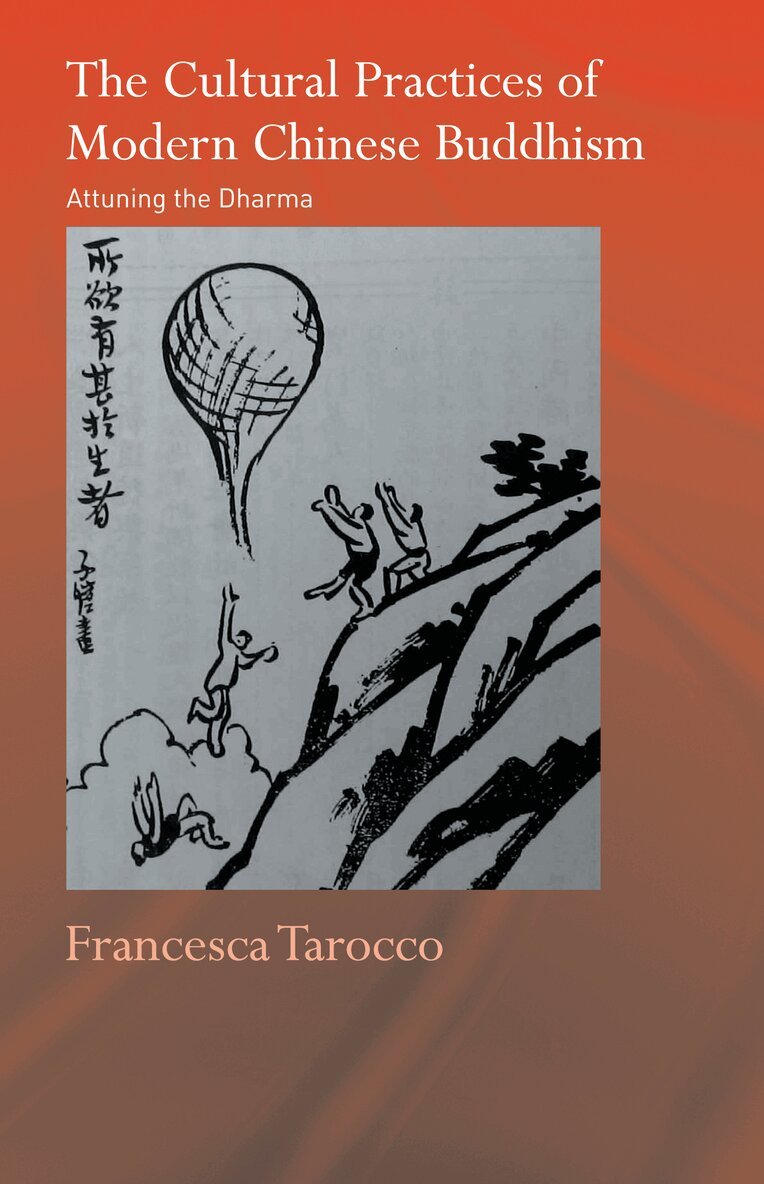
Buddhism in China during the late Qing and Republican period remained a powerful cultural and religious force. Francesca Tarocco is a rising star in this field and offers an innovative high-quality piece of work that presents a new perspective on the influence of Buddhism on Chinese culture. Drawing on scarcely analyzed historical and archive sources, including photographs and musical scores, Tarocco adeptly argues that Chinese Buddhism played a more vital role in shaping Chinese culture than previously assumed.This enlightening study fills a significant gap in the field of Chinese Buddhist history. Focusing on the cultural side of Buddhism, it adds breadth and balance to studies in Buddhism as a whole, appealing to professionals and academics with an interest in Buddhism and Chinese Buddhist history.
322 kr
Skickas inom 7-10 vardagar
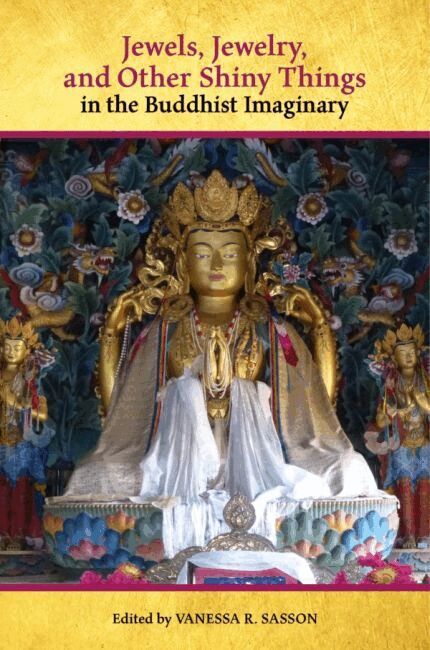
Renunciation is a core value in the Buddhist tradition, but Buddhism is not necessarily austere. Jewels—along with heavenly flowers, rays of rainbow light, and dazzling deities—shape the literature and the material reality of the tradition. They decorate temples, fill reliquaries, are used as metaphors, and sprout out of imagined Buddha fields. Moreover, jewels reflect a particular type of currency often used to make the Buddhist world go round: merit in exchange for wealth. Regardless of whether the Buddhist community has theoretically transcended the need for them or not, jewels—and the paradox they represent—are everywhere. Scholarship has often looked past this splendor, favoring the theory of renunciation instead, but in this volume, scholars from a wide range of disciplines consider the role jewels play in the Buddhist imaginary, putting them front and center for the first time.Following an introduction that relates the colorful story of the Emerald Buddha, one of the most famous jewels in the world, chapters explore the function of jewels as personal identifiers in Buddhist and other Indian religious traditions; Buddhaghosa’s commentary on the Jewel Sutta; the paradox of the Buddha’s bejeweled status before and after renunciation; and the connection in early Buddhism between jewels, magnificence, and virtue. The Newars of Nepal are the focus of a chapter that looks at their gemology and associations between gems and celestial deities. Contributors analyze the Fifth Dalai Lama’s reliquary, known as the "sole ornament of the world"; the transformation of relic jewels into precious substances and their connection to the Piprahwa stupa in Northern India and the Nanjing Porcelain Pagoda. Final chapters offer detailed studies of ritual engagement with the deity known as Wish-Fulfilling Jewel Avalokiteśvara and its role in the new Japanese lay Buddhist religious movement Shinnyo-en.Engaging and accessible, Jewels, Jewelry, and Other Shiny Things in the Buddhist Imaginary will provide readers with an opportunity to look beyond a common misconception about Buddhism and bring its lived tradition into wider discussion.
164 kr
Skickas inom 7-10 vardagar
In Japanese the term Karaoke means, literally, ‘empty orchestra’. One definition disparagingly describes it as the ‘social sensation from Japan where sufficiently inebriated people embarrass themselves in public by singing along to a music track with the lyrics displayed on a TV screen’. In recent years the world has been witnessing a massive worldwide karaoke explosion.In Karaoke, Zhou Xun and Francesca Tarocco address the complexity of this social craze, exploring its emergence in post-war Japan, its development and spread across the world to become a phenomenon that constantly evolved to keep pace with changes in technology and culture. Drawing on extensive research and travels around the world, the authors chart the varied manifestations of karaoke, from karaoke taxis in Bangkok to nude karaoke in Toronto, to the role of karaoke in prostitution. Extensive personal anecdotes reveal the dramatic range of social experiences made possible by karaoke and how the obsession with performance and song has touched politics, history and pop culture throughout global society. Karaoke bars are at the heart of rich escapist fantasies, and the authors - in readable fashion and using vibrant illustrations - document this unpredictable fantasy world and the people who inhabit it.A fascinating and highly informative read, Karaoke will delight all those who have had the courage to take the mike and front the ‘empty orchestra’.