Francoise Davoine - Böcker
Visar alla böcker från författaren Francoise Davoine. Handla med fri frakt och snabb leverans.
18 produkter
18 produkter
1 789 kr
Skickas inom 10-15 vardagar
Francoise Davoine has been investigating psychotic phenomena and trauma for over thirty years, in collaboration with Jean-Max Gaudilliere. In this book, she draws on her literary background to take the reader on a fascinating voyage with an unexpected but most helpful guide: Don Quixote. In her work, Davoine approaches madness not as a symptom, but rather as a place, the place where the symbolic order and the social link have ruptured. She sees the psychotic as a seeker, engaged in a form of exploration into the nature and history of this place. This brings us to the seeker Don Quixote. Davoine takes the reader into the world of the knight-errant, to describe his adventures in a fascinating new light.Cervantes, the survivor of war trauma, captivity, and all manner of misfortunes, created this hero, first and foremost, so that the tale be told.
2 508 kr
Skickas inom 10-15 vardagar
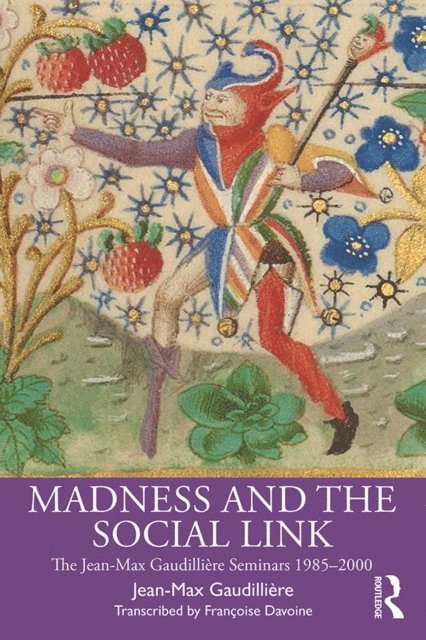
This book provides a psychoanalytic reading of works of literature, enhancing the illuminating effect of both fields.The first of two volumes, Madness and the Social Link: The Jean-Max Gaudilliere Seminars 1985-2000 contains seven of the "Madness and the Social Link" seminars given by psychoanalyst Jean-Max Gaudillière at the École des hautes études en sciences sociales (EHESS) in Paris between 1985 and 2000, transcribed by Françoise Davoine from her notes. Each year, the seminar was dedicated to an author who explored madness in his depiction of the catastrophes of history. Surprising the reader at every turn, the seminars speak of the close intertwining of personal lives and catastrophic historical events, and of the possibility of repairing injury to the psyche, the mind, and the body in their wake.These volumes expose the usefulness of literature as a tool for healing, for all those working in therapeutic fields, and will allow lovers of literature to discover a way of reading that gives access to more subtle perspectives and unsuspected interrelations.
617 kr
Skickas inom 10-15 vardagar
This book provides a psychoanalytic reading of works of literature, enhancing the illuminating effect of both fields.The first of two volumes, Madness and the Social Link: The Jean-Max Gaudilliere Seminars 1985-2000 contains seven of the "Madness and the Social Link" seminars given by psychoanalyst Jean-Max Gaudillière at the École des hautes études en sciences sociales (EHESS) in Paris between 1985 and 2000, transcribed by Françoise Davoine from her notes. Each year, the seminar was dedicated to an author who explored madness in his depiction of the catastrophes of history. Surprising the reader at every turn, the seminars speak of the close intertwining of personal lives and catastrophic historical events, and of the possibility of repairing injury to the psyche, the mind, and the body in their wake.These volumes expose the usefulness of literature as a tool for healing, for all those working in therapeutic fields, and will allow lovers of literature to discover a way of reading that gives access to more subtle perspectives and unsuspected interrelations.
2 274 kr
Skickas inom 10-15 vardagar
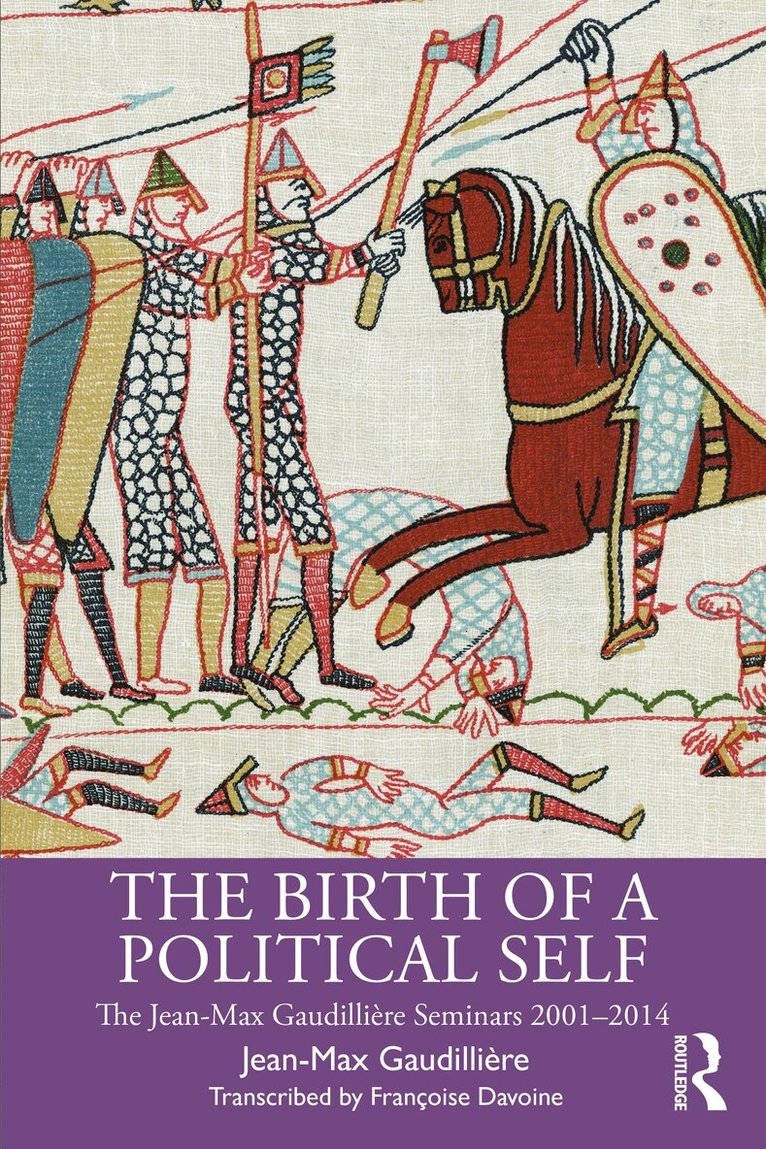
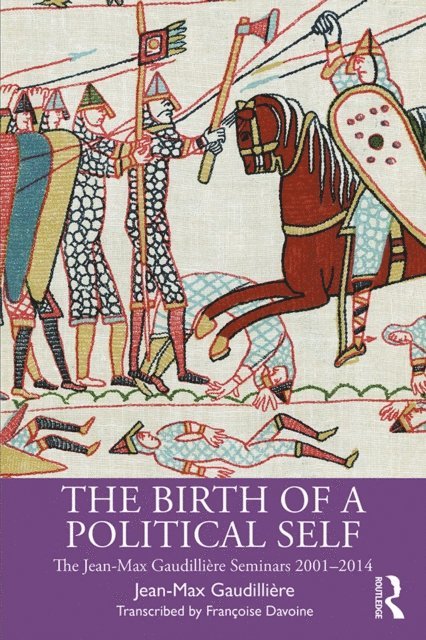
This book provides a psychoanalytic reading of works of literature, enhancing the illuminating effect of both fields.The second of two volumes, The Birth of a Political Self: The Jean-Max Gaudillière Seminars 2001-2014 contains seven of the "Madness and the Social Link" seminars given by psychoanalyst Jean-Max Gaudillière at the École des hautes études en sciences sociales (EHESS) in Paris between 2001 and 2014, transcribed by Françoise Davoine from her notes. Each year, the seminar was dedicated to an author who explored madness in their depiction of the catastrophes of history. Surprising the reader at every turn, the seminars speak of the close intertwining of personal lives and catastrophic historical events, and of the possibility of repairing injury to the psyche, the mind and the body in their wake.These volumes expose the usefulness of literature as a tool for healing, for all those working in therapeutic fields, and will allow lovers of literature to discover a way of reading that gives access to more subtle perspectives and unsuspected interrelations.
555 kr
Skickas inom 10-15 vardagar
This book provides a psychoanalytic reading of works of literature, enhancing the illuminating effect of both fields.The second of two volumes, The Birth of a Political Self: The Jean-Max Gaudillière Seminars 2001-2014 contains seven of the "Madness and the Social Link" seminars given by psychoanalyst Jean-Max Gaudillière at the École des hautes études en sciences sociales (EHESS) in Paris between 2001 and 2014, transcribed by Françoise Davoine from her notes. Each year, the seminar was dedicated to an author who explored madness in their depiction of the catastrophes of history. Surprising the reader at every turn, the seminars speak of the close intertwining of personal lives and catastrophic historical events, and of the possibility of repairing injury to the psyche, the mind and the body in their wake.These volumes expose the usefulness of literature as a tool for healing, for all those working in therapeutic fields, and will allow lovers of literature to discover a way of reading that gives access to more subtle perspectives and unsuspected interrelations.
1 463 kr
Skickas inom 7-10 vardagar
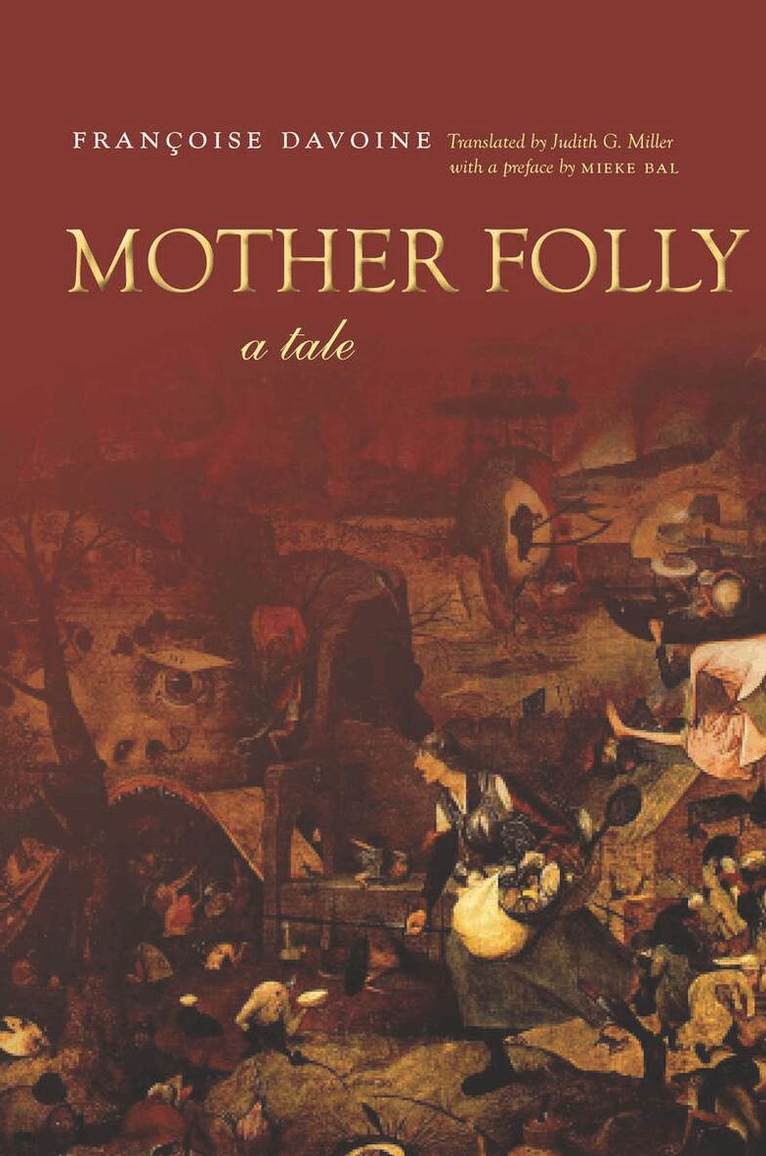
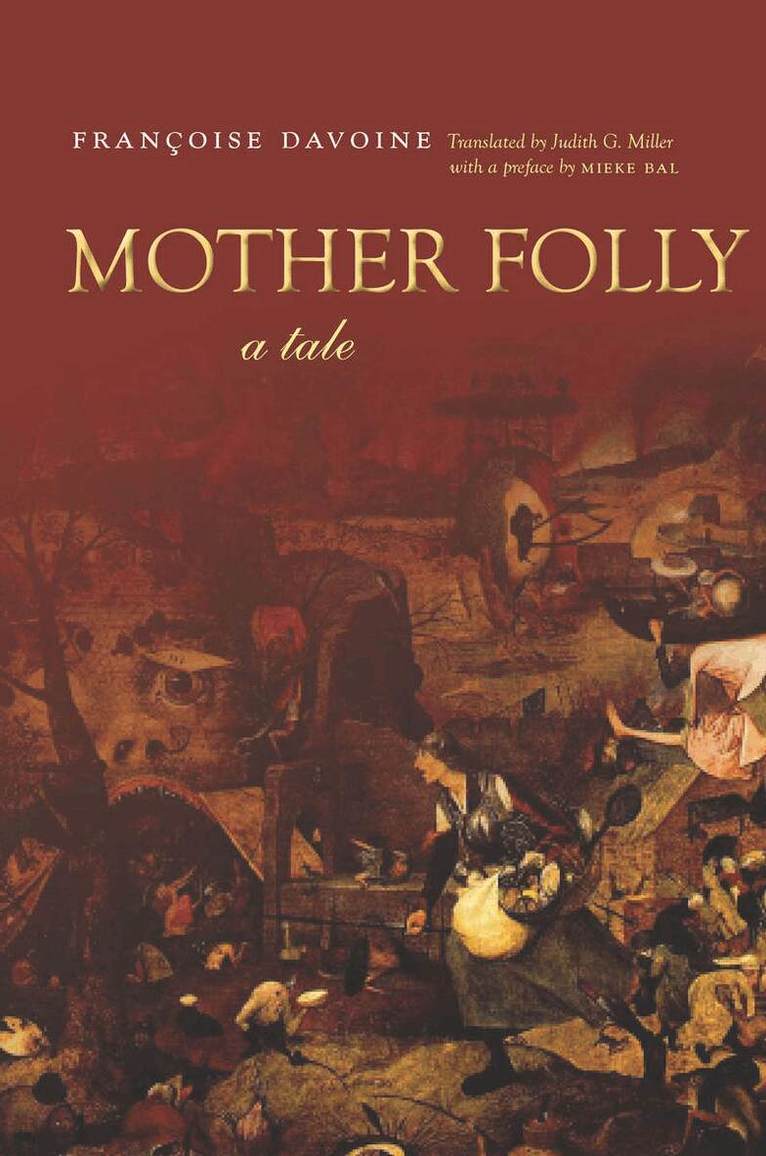
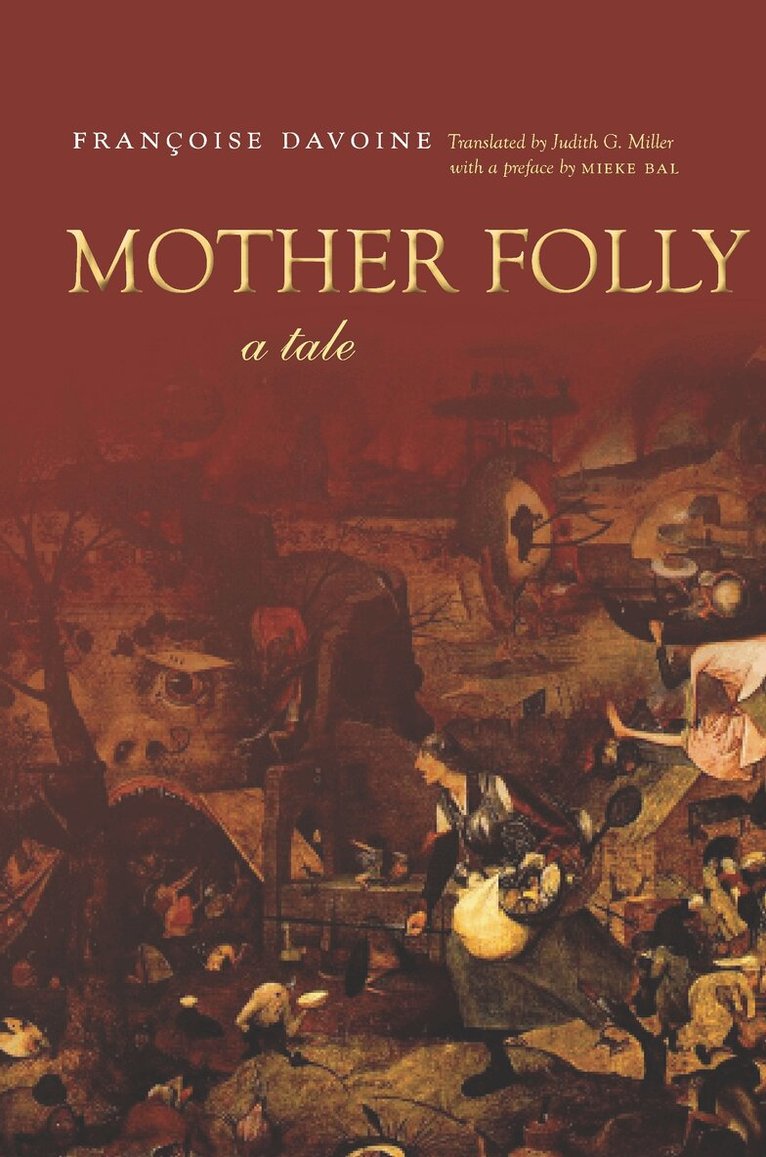
If your mentally ill patient dies, are you to blame? For Dr. Françoise Davoine, a Parisian psychoanalyst, this question becomes disturbingly real as one of her patients commits suicide on the eve of All Saints' Day. She herself has a crisis, as she reflects on her thirty-year career and questions whether she should ever return to the hospital. But return she does, and thus commences a strange voyage across several centuries and countries, in which patients, fools, and the actors of medieval farces rise up from the past along with great thinkers who represent the author's own philosophical and literary sources: the humanist Erasmus, mathematician René Thom, writer Antonin Artaud, philosopher Ludwig Wittgenstein, and physicist Edwin Schrödinger, to name a few. Imaginary dialogues ensue as the analyst conjures up an interconnected world, where apiculture, wondrous rituals, theater, and language games illuminate her therapeutic practice as well as her personal history. Deeply affected by her voyage of discovery, the author becomes capable of implementing the teachings of psychotherapist Gaetano Benedetti, a mentor she visits at carnival time on a final fictional stopover in Switzerland. His advice, that the analyst become the equal of her patients and immerse herself in their madness so as to open up a space for treatment, is premised on the belief that individual illness is a reflection and result of severe historical trauma. Mother Folly, which ends on a positive note, is an important intervention in the debate about how to treat the mentally ill, particularly those with psychosis. A practicing analyst and a skilled reader of literary and philosophical texts, Davoine provides a humane antidote to our increasingly mechanized and drug-reliant system of dealing with "fools and madmen."
343 kr
Skickas inom 7-10 vardagar
If your mentally ill patient dies, are you to blame? For Dr. Françoise Davoine, a Parisian psychoanalyst, this question becomes disturbingly real as one of her patients commits suicide on the eve of All Saints' Day. She herself has a crisis, as she reflects on her thirty-year career and questions whether she should ever return to the hospital. But return she does, and thus commences a strange voyage across several centuries and countries, in which patients, fools, and the actors of medieval farces rise up from the past along with great thinkers who represent the author's own philosophical and literary sources: the humanist Erasmus, mathematician René Thom, writer Antonin Artaud, philosopher Ludwig Wittgenstein, and physicist Edwin Schrödinger, to name a few. Imaginary dialogues ensue as the analyst conjures up an interconnected world, where apiculture, wondrous rituals, theater, and language games illuminate her therapeutic practice as well as her personal history. Deeply affected by her voyage of discovery, the author becomes capable of implementing the teachings of psychotherapist Gaetano Benedetti, a mentor she visits at carnival time on a final fictional stopover in Switzerland. His advice, that the analyst become the equal of her patients and immerse herself in their madness so as to open up a space for treatment, is premised on the belief that individual illness is a reflection and result of severe historical trauma. Mother Folly, which ends on a positive note, is an important intervention in the debate about how to treat the mentally ill, particularly those with psychosis. A practicing analyst and a skilled reader of literary and philosophical texts, Davoine provides a humane antidote to our increasingly mechanized and drug-reliant system of dealing with "fools and madmen."
2 195 kr
Skickas inom 10-15 vardagar
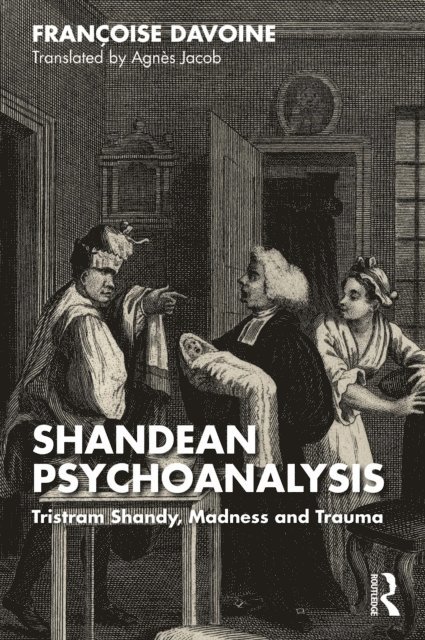
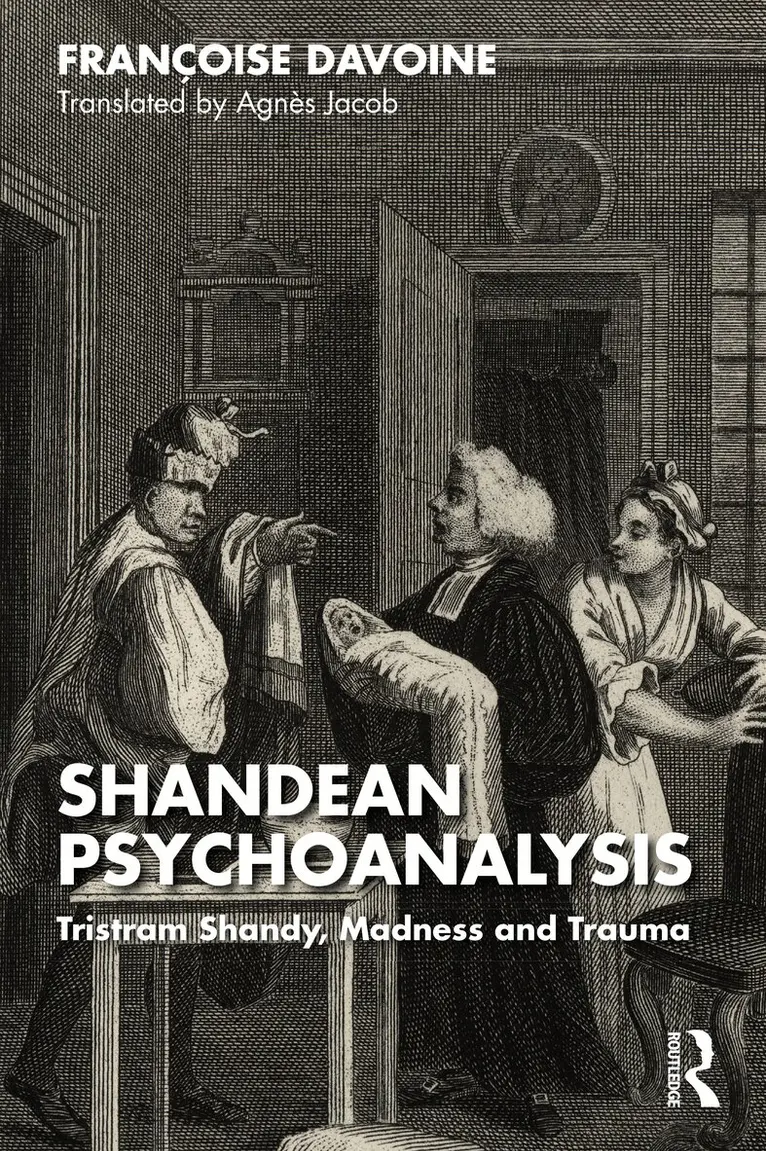
This unique book examines the psychoanalysis of madness and trauma through an extended discussion of The Life and Opinions of Tristram Shandy, Gentleman, the provocative eighteenth-century novel by Laurence Sterne.Françoise Davoine explores the entire novel—each of her chapters corresponding to a volume of the novel—viewing it through a psychoanalytic lens: the monologue by Tristram’s embryo in the opening chapter, the war traumas of Captain Toby and Corporal Trim and several key themes, including confinement, love and history. In parallel to her own analytic comments on these inventions, Françoise Davoine follows the writing of the novel itself, keeping the reader constantly aware that Sterne’s endeavour is a race against death—his own. Davoine points out that time acts as a major character in the novel, constantly upsetting chronology, and bringing about the same impasses as the psychoanalysis of madness and trauma does.The book presents Shandean wit as a valuable tool in therapeutic work. Shandean Psychoanalysis will be of great interest to psychoanalysts and to academics and students engaged in psychoanalytic studies, literary studies and trauma-related studies.
539 kr
Skickas inom 10-15 vardagar
This unique book examines the psychoanalysis of madness and trauma through an extended discussion of The Life and Opinions of Tristram Shandy, Gentleman, the provocative eighteenth-century novel by Laurence Sterne.Françoise Davoine explores the entire novel—each of her chapters corresponding to a volume of the novel—viewing it through a psychoanalytic lens: the monologue by Tristram’s embryo in the opening chapter, the war traumas of Captain Toby and Corporal Trim and several key themes, including confinement, love and history. In parallel to her own analytic comments on these inventions, Françoise Davoine follows the writing of the novel itself, keeping the reader constantly aware that Sterne’s endeavour is a race against death—his own. Davoine points out that time acts as a major character in the novel, constantly upsetting chronology, and bringing about the same impasses as the psychoanalysis of madness and trauma does.The book presents Shandean wit as a valuable tool in therapeutic work. Shandean Psychoanalysis will be of great interest to psychoanalysts and to academics and students engaged in psychoanalytic studies, literary studies and trauma-related studies.
2 274 kr
Skickas inom 10-15 vardagar
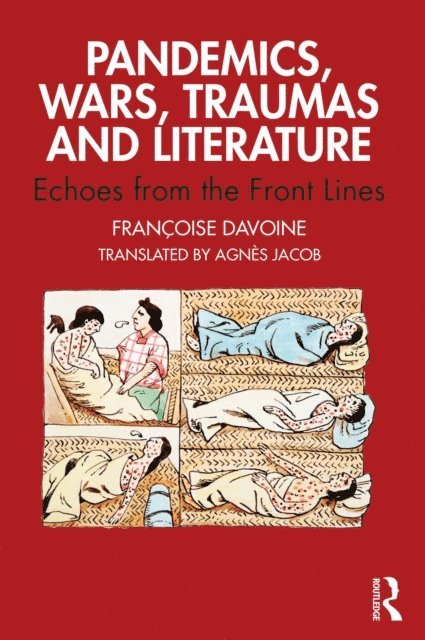
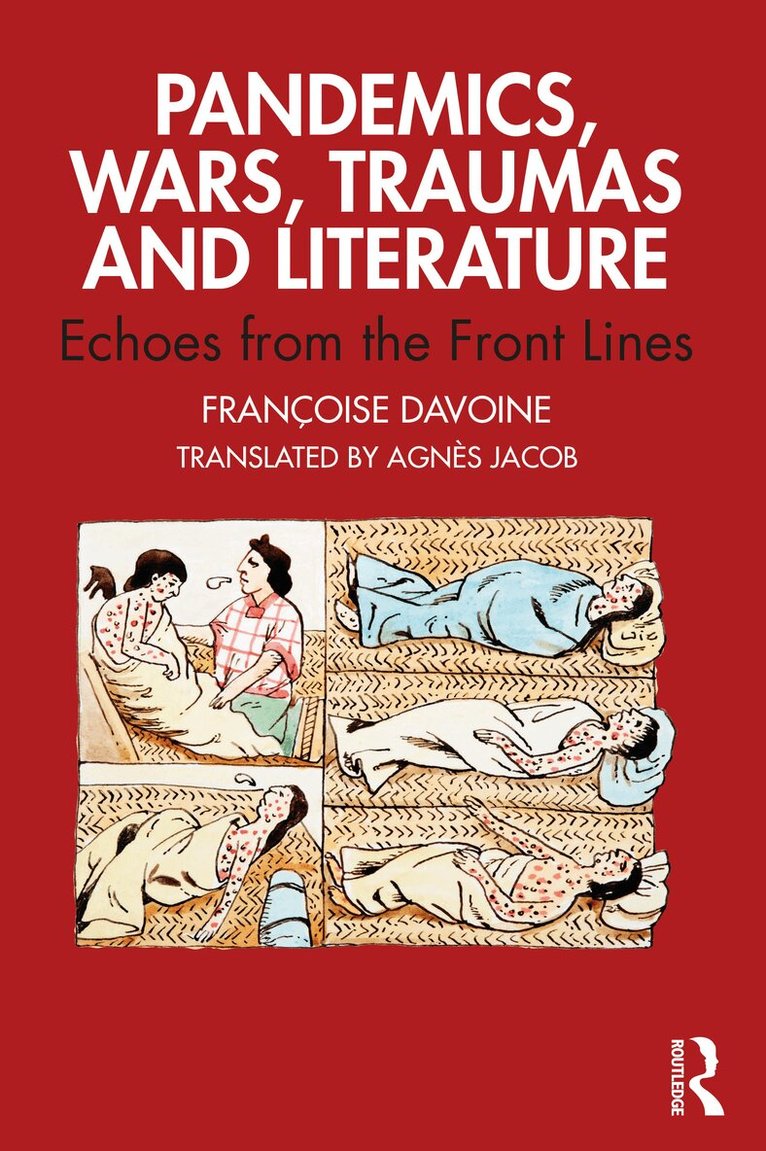
This book presents unique insights into the experiences of frontline medical workers during the COVID-19 pandemic, psychoanalytic work with trauma and perspectives from literature.Part One presents a set of six ‘testimonies’, transcribed from video interviews conducted by Françoise Davoine with nurses, doctors and intensive care anaesthesiologists. These interviews are drawn on in Part Two, ‘Frontline Psychoanalysis’, which tells the story of transference related to catastrophic events, discovered and subsequently abandoned by Freud when he gave up the psychoanalysis of trauma in 1897. Davoine discusses the occurrence of this specific type of transference, both during the First World War, in which psychotherapists modified classical techniques and invented the psychoanalysis of madness in order to treat traumatised soldiers, and during the current and previous pandemics. The book also considers social and artistic responses to trauma, from the popularity of the Theatre of Fools after the Black Death ravaged Europe, to the psychotherapy described in such circumstances by Boccaccio’s Decameron.This accessible work offers an insightful reflection on trauma and the human experience. Pandemics, Wars, Traumas and Literature will be of great interest to psychoanalysts in practice and in training, psychoanalytic psychotherapists and academics and scholars of literature.
399 kr
Skickas inom 10-15 vardagar
This book presents unique insights into the experiences of frontline medical workers during the COVID-19 pandemic, psychoanalytic work with trauma and perspectives from literature.Part One presents a set of six ‘testimonies’, transcribed from video interviews conducted by Françoise Davoine with nurses, doctors and intensive care anaesthesiologists. These interviews are drawn on in Part Two, ‘Frontline Psychoanalysis’, which tells the story of transference related to catastrophic events, discovered and subsequently abandoned by Freud when he gave up the psychoanalysis of trauma in 1897. Davoine discusses the occurrence of this specific type of transference, both during the First World War, in which psychotherapists modified classical techniques and invented the psychoanalysis of madness in order to treat traumatised soldiers, and during the current and previous pandemics. The book also considers social and artistic responses to trauma, from the popularity of the Theatre of Fools after the Black Death ravaged Europe, to the psychotherapy described in such circumstances by Boccaccio’s Decameron.This accessible work offers an insightful reflection on trauma and the human experience. Pandemics, Wars, Traumas and Literature will be of great interest to psychoanalysts in practice and in training, psychoanalytic psychotherapists and academics and scholars of literature.
442 kr
Skickas inom 10-15 vardagar
Wittgenstein’s Folly: Philosophy, Psychoanalysis and Language Games presents a dialogue between the philosopher Ludwig Wittgenstein, the author Françoise Davoine and Davoine’s patients with extreme lived experience. This book begins with Davoine’s seminar at the École des Hautes Études en Sciences Sociales in Paris, which is attended by Wittgenstein. He then accompanies Davoine on visits to colleagues at the Austen Riggs Center in Massachusetts, in California, on a Sioux reservation in South Dakota and at Freud’s house in Vienna. The dialogic form of the book allows a performance centered on the psychotherapy of madness and trauma, in which Wittgenstein takes the floor. Davoine introduces us to a contemporary Feast of Fools and creates new language games with madness, enlarging the scope of psychoanalytic approaches to authors like Wittgenstein. The chapters of this book closely resemble short plays in which a conversation with living human beings or with characters from philosophy, literature, science and the arts encounter one another and begin to open new ways of speaking that can render the "mad" more familiar and more manageable.Wittgenstein’s Folly: Philosophy, Psychoanalysis and Language Games will be of great interest to psychoanalysts and to academics and students engaged in psychoanalytic studies, philosophy and trauma-related studies.
1 841 kr
Skickas inom 10-15 vardagar
Wittgenstein’s Folly: Philosophy, Psychoanalysis and Language Games presents a dialogue between the philosopher Ludwig Wittgenstein, the author Françoise Davoine and Davoine’s patients with extreme lived experience. This book begins with Davoine’s seminar at the École des Hautes Études en Sciences Sociales in Paris, which is attended by Wittgenstein. He then accompanies Davoine on visits to colleagues at the Austen Riggs Center in Massachusetts, in California, on a Sioux reservation in South Dakota and at Freud’s house in Vienna. The dialogic form of the book allows a performance centered on the psychotherapy of madness and trauma, in which Wittgenstein takes the floor. Davoine introduces us to a contemporary Feast of Fools and creates new language games with madness, enlarging the scope of psychoanalytic approaches to authors like Wittgenstein. The chapters of this book closely resemble short plays in which a conversation with living human beings or with characters from philosophy, literature, science and the arts encounter one another and begin to open new ways of speaking that can render the "mad" more familiar and more manageable.Wittgenstein’s Folly: Philosophy, Psychoanalysis and Language Games will be of great interest to psychoanalysts and to academics and students engaged in psychoanalytic studies, philosophy and trauma-related studies.
348 kr
Skickas inom 5-8 vardagar
633 kr
Skickas inom 10-15 vardagar
Francoise Davoine has been investigating psychotic phenomena and trauma for over thirty years, in collaboration with Jean-Max Gaudilliere. In this book, she draws on her literary background to take the reader on a fascinating voyage with an unexpected but most helpful guide: Don Quixote.In her work, Davoine approaches madness not as a symptom, but rather as a place, the place where the symbolic order and the social link have ruptured. She sees the psychotic as a seeker, engaged in a form of exploration into the nature and history of this place. This brings us to the seeker Don Quixote. Davoine takes the reader into the world of the knight-errant, to describe his adventures in a fascinating new light.Cervantes, the survivor of war trauma, captivity, and all manner of misfortunes, created this hero, first and foremost, so that the tale be told. Moreover, he created a necessary dyad: Don Quixote and Sancho Panza. Davoine sees the latter as a "therapon", a second in combat and ritual double, Don Quixote's therapist. Like Sancho, the therapist is a comrade-in-arms, confronting trauma with the patient. Through transference, a significant relational bond develops. In Don Quichote: Fighting Melancholia, Francoise Davoine offers a reading of Cervantes' novel from this perspective. Scene after scene, battle after battle, the epic tale is retold as a story of healing.We live in times of world-wide violence, disruption, and disaster. Trauma is unavoidable. But Davoine points to a way out, through the healing power of symbolic exchange within a human relationship. Aside from being of great interest to all therapists working with psychosis and trauma, this book constitutes a brilliant reminder that all human beings, like knights-errant, aspire to "become valiant, generous, magnanimous, courteous, dauntless, gentle, patient", as Cervantes says.
508 kr
Skickas inom 10-15 vardagar
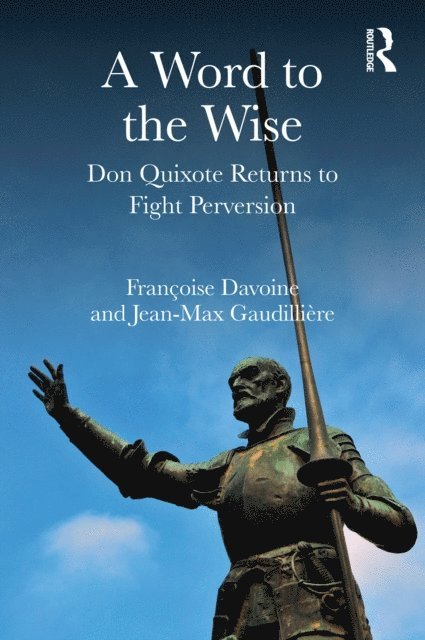
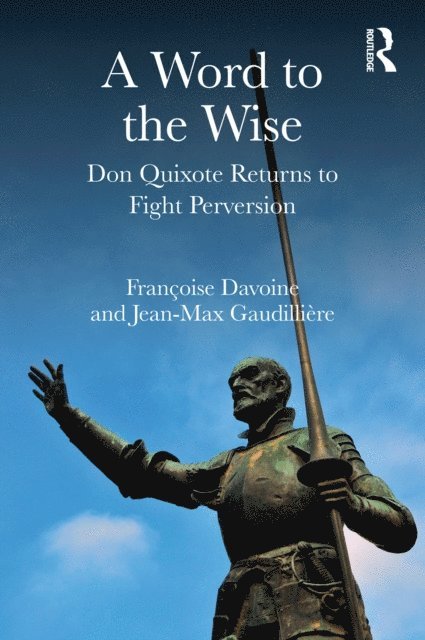
After giving us a fascinating reading of Cervantes' classic novel in Don Quixote: Fighting Melancholia, Françoise Davoine and Jean-Max Gaudillière co-author a second work, to reflect on the hero's battle against perversion. To do so, they retrace his adventures in the Cervantes' second Don Quixote, written ten years after the first. The authors follow in his footsteps as he embarks on this other extraordinary journey in which perversion is laid bare for all to see, creating not only a powerful social link, but even a form of government. Cervantes shows us how madness acts as a means to confront it: here again, the field of action presented to the reader is explored in rigorous detail. The reliability of this strategy derives from the power of the given word, which has to oppose lies, seduction, secrets, trickery and crime, in order to confer authenticity to what madness reveals.
782 kr
Skickas inom 3-6 vardagar
412 kr
Skickas inom 3-6 vardagar