Frank D. Lewis – författare
Visar alla böcker från författaren Frank D. Lewis. Handla med fri frakt och snabb leverans.
5 produkter
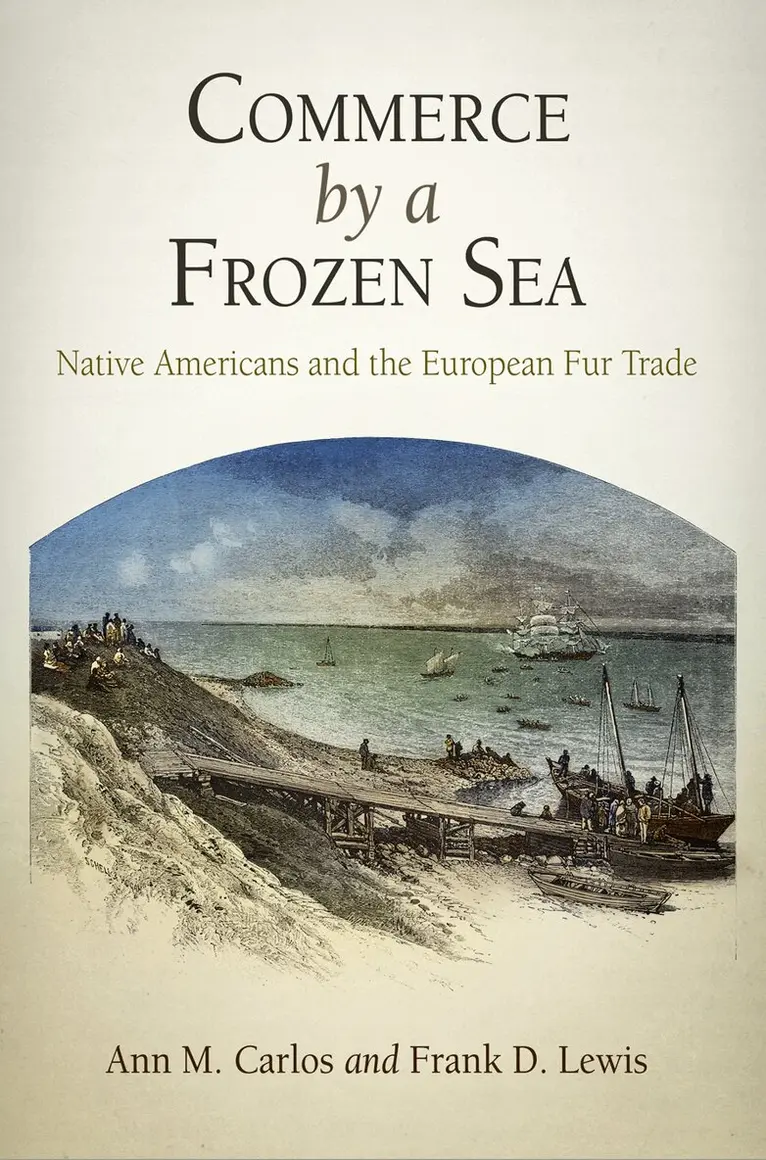
Commerce by a Frozen Sea
Native Americans and the European Fur Trade
Av Ann M. Carlos, Frank D. Lewis
Inbunden, 2010
704 kr
Lägg i varukorg
Commerce by a Frozen Sea is a cross-cultural study of a century of contact between North American native peoples and Europeans. During the eighteenth century, the natives of the Hudson Bay lowlands and their European trading partners were brought together by an increasingly popular trade in furs, …
Slavery in the Development of the Americas
Av David Eltis, Frank D. Lewis m. fl.
Häftad, 2010
586 kr
Lägg i varukorg
Slavery in the Development of the Americas brings together work from leading historians and economic historians of slavery. The essays cover various aspects of slavery and the role of slavery in the development of the southern United States, Brazil, Cuba, the French and Dutch Caribbean, and …
Human Capital and Institutions
A Long-Run View
Av David Eltis, Frank D. Lewis m. fl.
Inbunden, 2009
1291 kr
Lägg i varukorg
Human Capital and Institutions is concerned with human capital in its many dimensions and brings to the fore the role of political, social, and economic institutions in human capital formation and economic growth. Written by leading economic historians, including pioneers in historical research on …
Slavery in the Development of the Americas
Av David Eltis, Frank D. Lewis m. fl.
Inbunden, 2004
1341 kr
Lägg i varukorg
Slavery in the Development of the Americas brings together work from leading historians and economic historians of slavery. The essays cover various aspects of slavery and the role of slavery in the development of the southern United States, Brazil, Cuba, the French and Dutch Caribbean, and …
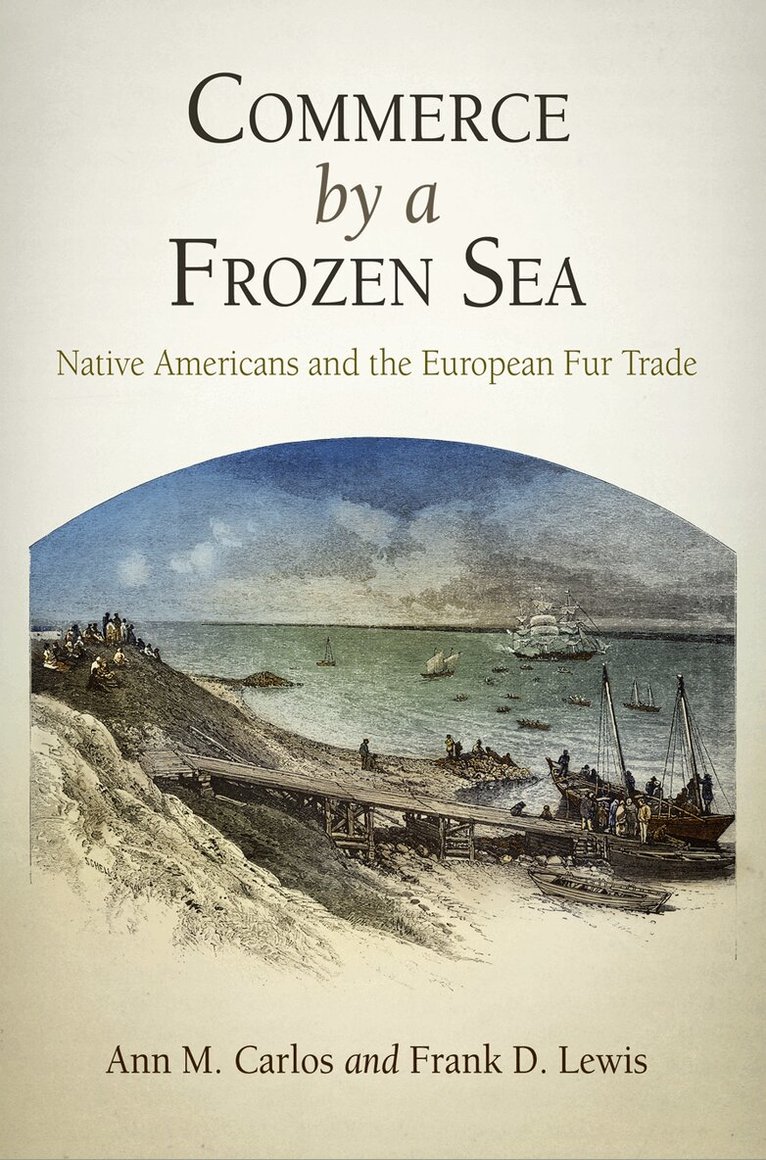
Commerce by a Frozen Sea
Native Americans and the European Fur Trade
Av Ann M. Carlos, Frank D. Lewis
E-bok, 2011
806 kr
Lägg i varukorg
Commerce by a Frozen Sea is a cross-cultural study of a century of contact between North American native peoples and Europeans. During the eighteenth century, the natives of the Hudson Bay lowlands and their European trading partners were brought together by an increasingly popular trade in furs, …