Frank Meeres - Böcker
Visar alla böcker från författaren Frank Meeres. Handla med fri frakt och snabb leverans.
17 produkter
17 produkter
242 kr
Skickas
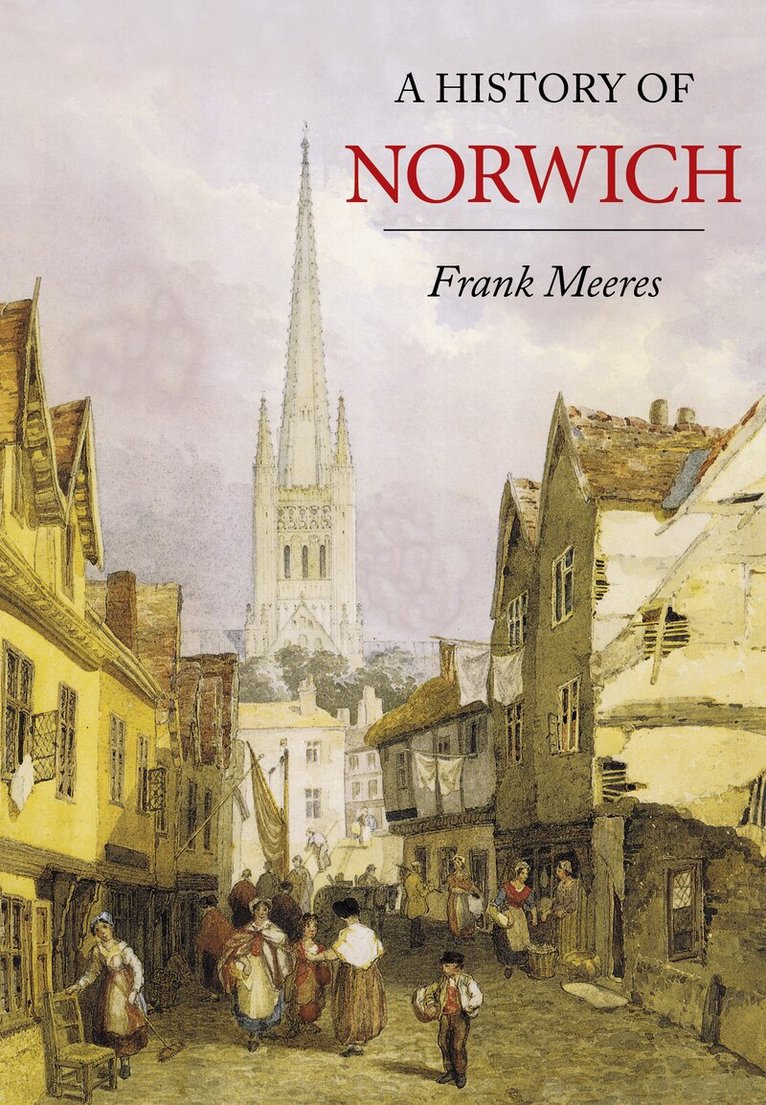
Norwich has a rich and fascinating history. An important Anglo-Saxon market town at the time of the Norman invasion, it grew to become one of the leading cities of England by the early Middle Ages and second only to London in the 16th and 17th centuries. It retained its importance until the Industrial Revolution when, although it was overtaken in size by the new manufacturing towns, it maintained its reputation as one of the most radical and progressive of cities. In this book the author skilfully combines the latest historical and archaeological findings with a quarter century of original research into the city archives to provide a lively narrative together with a superb selection of illustrations. From its beginnings he describes the city’s growth and government and the many dramatic episodes in its life. He looks at the lives of many of its famous residents but, above all, describes the life of the ordinary people through the centuries– how they earned their livings, their living conditions, with problems of poverty and health, their schooling and how they enjoyed their leisure time. A recurrent theme in the book is the constant flow of people and ideas between Norwich and its neighbours on the continent of Europe. This book will be warmly welcomed by local historians, while its attractive style and presentation will ensure its popularity with the general reader, whether resident or visitor.
318 kr
Tillfälligt slut
A century ago, Britain was caught up in one of the most extraordinary events in the country's history - the struggle of its women to obtain the right to vote. While there had been petitions and discussions of the subject throughout the Victorian era, by the beginning of the twentieth century it was time for stronger action. Centralised organisations formed behind Millicent Fawcett and Emmeline Pankhurst. Protests, marches, civil disobedience and arrests followed as the campaign gained momentum. Women chained themselves to railings, smashed windows, committed arson, and Emily Davison died under the hooves of the king's horse on Derby Day 1913. The turning point was the First World War: after it women over the age of thirty obtained the vote at last, and full suffrage came ten years later. The suffragette movement forced every woman in early twentieth-century Britain to think about her place in society: this book looks at issues of vital importance to your ancestors of a century ago. Frank Meeres presents all the important developments in the suffrage movement in a succinct chronological way, bringing the history of the time vividly to life.
163 kr
Skickas inom 11-20 vardagar
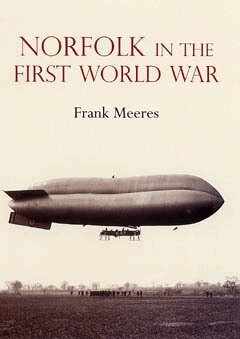
During the First World War, Norfolk was very much on the front line. Soldiers from Norfolk fought all across the globe, many leaving their home county for the first time. Norfolk’s women served in the forces, in factories and as nurses, both at home and abroad. Even the local children had their parts to play. Norfolk saw Zeppelin air raids and the first air raid in which civilians were killed took place over the county. To top it off, the pleasant Norfolk coastline was seen as a likely landing place for any German invasion.In this book, archivist and historian Frank Meeres has gathered an astonishing range of true stories and poignant images relating to the people of the county during that dramatic period. Finally, Norfolk’s men and women can tell their own stories – in their own words.
111 kr
Skickas inom 11-20 vardagar
From Tombland to Carrow Road, Frank Meeres takes us on a tour of Norwich through the ages, explaining the history behind the well-known landmarks of this fine city. Photographs illustrate shops, schools, garages, churches, houses and street scenes; some that are instantly recognisable, and others that are lost forever. As you follow this trail, you will notice the increase in the number of vehicles on the road; shops that once sold new goods are now estate agents or charity shops; green fields have been transformed into industrial estates, houses or ring roads; however, some beloved features such as the Provisions Market, the Guildhall and St Peter Mancroft have remained unchallenged and unchanged.
111 kr
Skickas
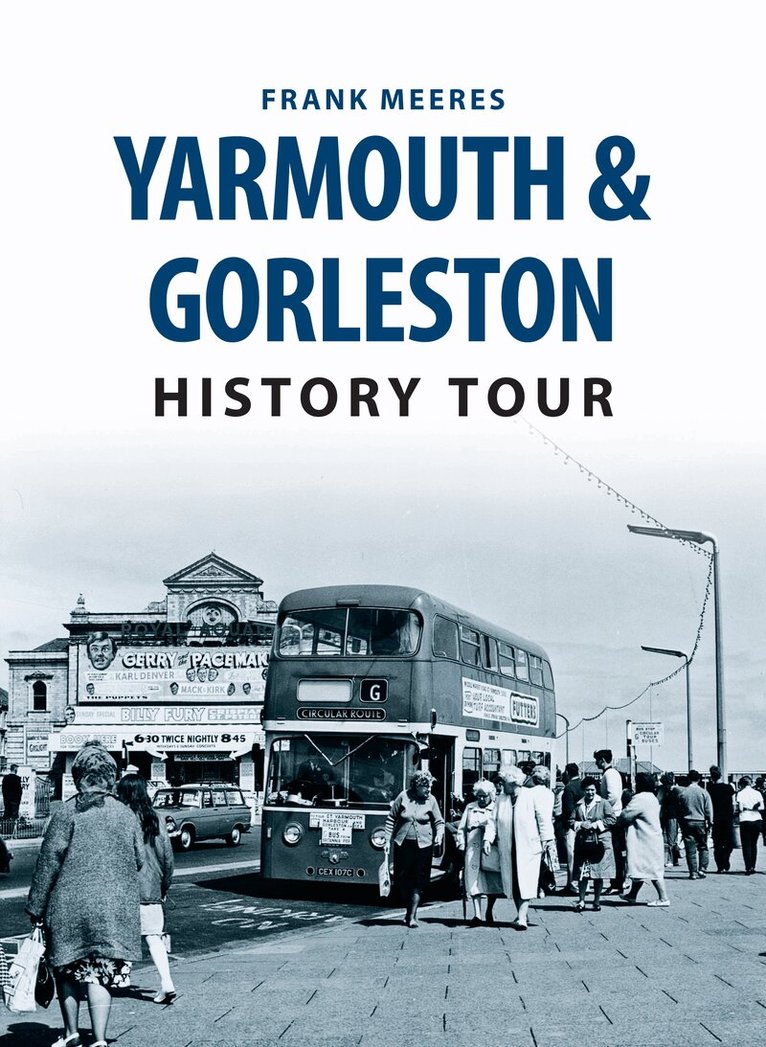
Yarmouth & Gorleston History Tour is a unique insight into the illustrious history of these two Norfolk towns, both now part of Great Yarmouth, which face each other across the River Yare. This is an exciting guided walk around the towns, their well-known streets and historical places, and explains what they meant to local people throughout the nineteenth and into the twentieth century. Readers are invited to follow a timeline of events and watch the changing face of Yarmouth and Gorleston as Frank Meeres guides us through the local streets.
194 kr
Kommande
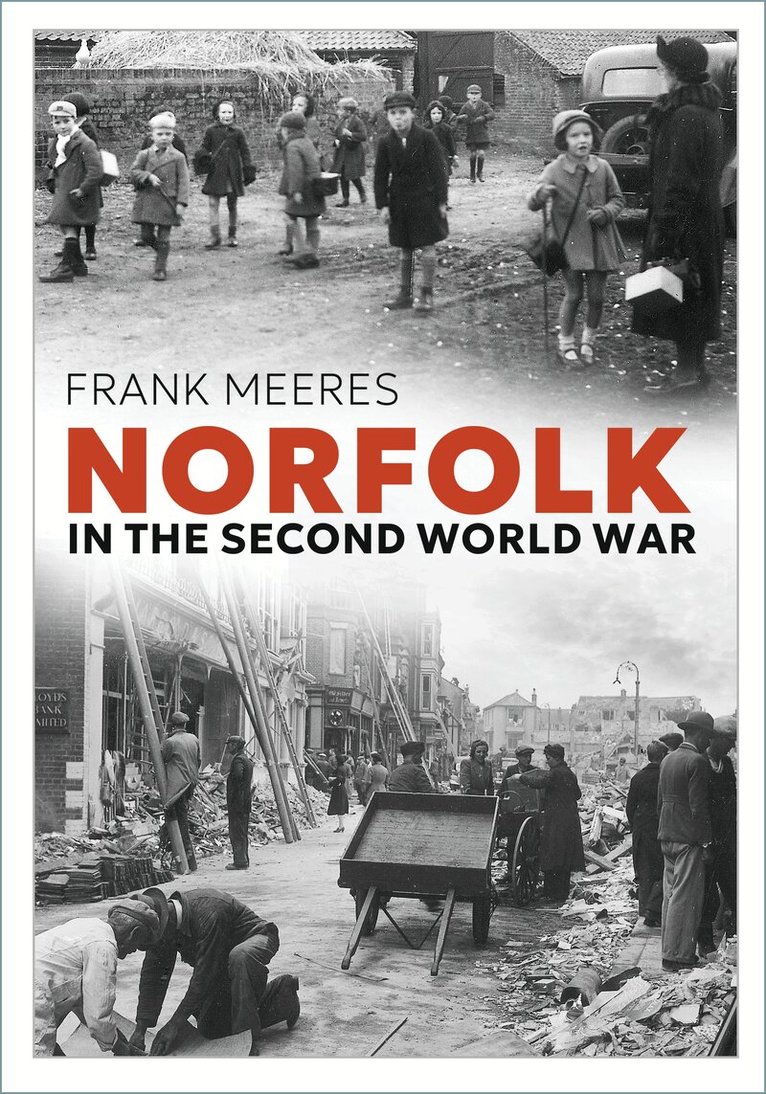
Norfolk was truly a ‘front-line county’ during the Second World War. Its people served in all branches of the forces, and the threat of invasion and the reality of air raids affected everyone.Alongside Norfolk men in the Norfolk Regiment in France, Singapore and in the Far East, this book examines those serving in the Navy, Merchant Navy and the Air Force as well as the vital role played by women in the armed forces, the Women’s Land Army, and many other jobs. The daily life of children and adults is also explored, including the effects of food and clothes rationing, measures taken to prepare the community in case of invasion, and life at school in wartime.Two important themes in wartime Norfolk were those of child evacuees and of the United States Army Air Force. Norfolk people experienced both sides of the evacuee situation: children came to the county from the London area, while children from the Norfolk coast were evacuated to the Midlands. The American presence in the county has left a rich archive of personal papers and photographs, now held at the Norfolk Record Office, along with diaries and letters of Norfolk people.Beautifully illustrated with contemporary photographs, this book draws on this material and reminiscences of those in the county to enhance the enthralling story of life during the Second World War.
178 kr
Skickas inom 11-20 vardagar
Yarmouth and Gorleston Through Time is a unique insight into the illustrious history of this part of the country. Reproduced in full colour, this is an exciting examination of Yarmouth and Gorleston, the famous streets and the famous faces, and what they meant to the local people throughout the 19th and into the 20th Century. Looking beyond the exquisite exterior of these well-kept photos, readers can see the historical context in which they are set, and through the author's factual captions for every picture, and carefully-selected choice of images, the reader can achieve a reliable view of the history of these towns. Readers are invited to follow a timeline of events and watch the changing face of the area, as Frank Meeres guides us through Yarmouth and Gorleston's streets. There is something for everyone here, whether they have lived here all their lives, or whether they are just visiting for the first time. This book also shows how photography has continually evolved to keep up with an ever-changing society.
189 kr
Skickas inom 11-20 vardagar
In the Middle Ages, Norwich was the largest city in England apart from London. It maintained this position until the eighteenth-century, when it was overtaken by Bristol. During the nineteenth and twentieth centuries Norwich became known as a county town with a market and wide range of industries. This colourful history is one that inevitably embraces its share of murders and misdemeanours. The history of crime and punishment has played out here as much as in London or any other city. One aspect of criminality remained unchanged from the twelfth to the nineteenth century, the role of Norwich Castle as a prison; it was a place where criminals were kept while awaiting trial, not a place for locking them up afterwards. The major crimes were: theft, rape, murder and the occasional case of forgery or treason. If you committed a major crime, how long you waited in prison for your trial would depend on when the assize judges were next in town. All cases were heard before a jury of landowners, no women were allowed to serve as jurors. The consequences of this are explored several times in this book; the defence council might appeal to male prejudices by attempting to impugn the moral qualities of a female victim. Norwich Murders & Misdemeanours offers a fascinating insight into the darker side of Norwich.
178 kr
Skickas
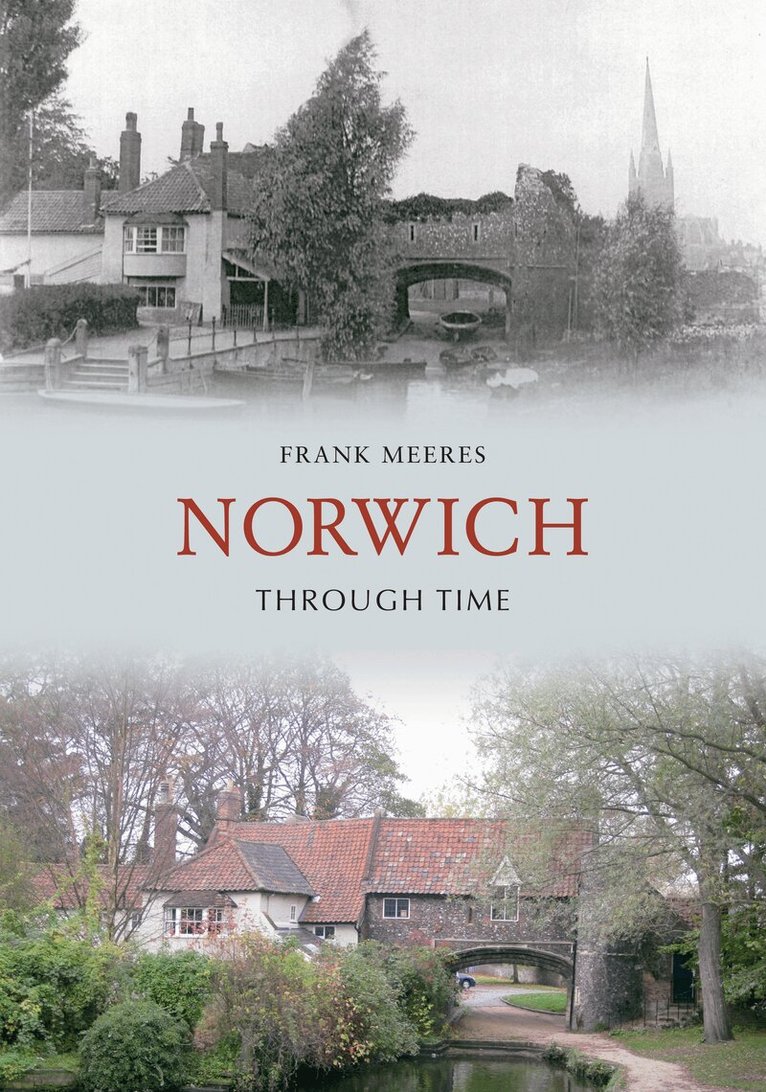
Norwich Through Time contains 180 photographs of Norwich, of which 90 are old photographs. Some printed in a sepia tone and some printed in full colour. These photographs are printed alongside a contemporary full colour photograph which illustrates the same scene. The contrasting illustrations show how the area has changed and developed during the last 100 years. The photographs illustrate shops, schools, garages, churches, houses and street scenes, each photograph is captioned and the book has an introduction which gives a brief overview of the history of the town. As you browse through the photographs, you will notice the increase in the number of vehicles on the road, shops that once sold new goods are now estate agents or charity shops. Green fields have been transformed into industrial estates, houses or ring roads.
178 kr
Skickas
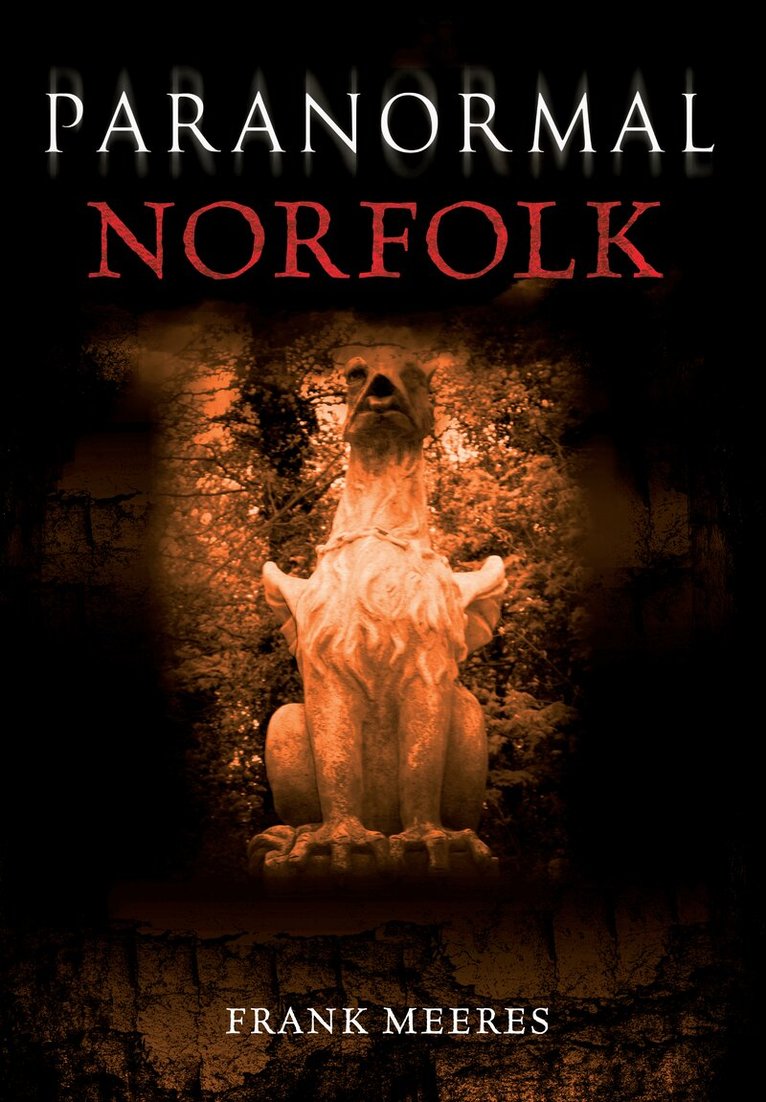
Norfolk has many associations with the paranormal, from ancient tales of Shuck the hound that has haunted the county's lanes for a thousand years to tales of ghosts from the Second World War and of unidentified f lying objects. This book takes a new approach by looking at the paranormal as recorded in the archives of the county. The stories include those collected by some of the county's keenest folklorists such as W. H. Cooke, Mark Taylor, and W. G. Clarke, as well as first-hand records of paranormal experience. Many tales are published for the very first time, such as Mottie Green, the Wells 'witch', and a new light is thrown on more familiar stories such as the haunting of Syderstone Parsonage and the Snettisham ghost. Not least, the book also explains the key role of Norwich in the development of the vampire story! Read this book and your view of Norfolk will never be the same again!
216 kr
Tillfälligt slut
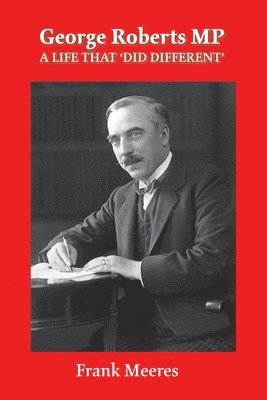
What was life like for Norfolk people during the First World War? This book sets out to answer that question, largely through contemporary sources: letters, diaries and journals, together with a wide range of visual material. It looks at life on the battlefronts throughout the world, as well as men serving at sea and in the air. It focuses on the home front, too, and the widening contribution of women, both in such traditional roles as nursing and in a vast range of other occupations.The book considers many other issues, such as conscription, conscientious objection, air raids, fear of invasion and the dangers of war to local fishermen. It describes how these dramatic events affected the lives of ordinary people; their patterns of work, diet and social behaviour.The author also discusses the careers of world-famous Norfolk figures, such as Edith Cavell, the nurse who was shot by the Germans, and others who deserve to be better known like George Roberts, the Labour MP for Norwich whose strong support for the war gained him a seat in the Cabinet but drove him away from his former friends in the Labour Party. However, the book's main emphasis is on how men, women and children in the county lived, and sometimes died, during the four years of the Great War. After a chapter on 'strangers' within the county - refugees, prisoners of war and enemy aliens - the book ends by looking at how individual communities chose to remember their dead.The author is a well-known local historian who has long had a particular interest in the First World War. In a gripping narrative he has skilfully combined these two areas of expertise to produce a very readable contribution to the history of Norfolk. It will appeal as much to the younger reader interested in the past as to those senior citizens for whom that great conflict and its aftermath is still a living memory.
221 kr
Tillfälligt slut
Norfolk was truly a ‘front-line county’ during the Second World War. Its people served in all branches of the forces, and the threat of invasion and the reality of air raids affected everyone.Alongside Norfolk men in the Norfolk Regiment in France, Singapore and in the Far East, this book examines those serving in the Navy, Merchant Navy and the Air Force as well as the vital role played by women in the armed forces, the Women’s Land Army, and many other jobs. The daily life of children and adults is also explored, including the effects of food and clothes rationing, measures taken to prepare the community in case of invasion, and life at school in wartime.Two important themes in wartime Norfolk were those of child evacuees and of the United States Army Air Force. Norfolk people experienced both sides of the evacuee situation: children came to the county from the London area, while children from the Norfolk coast were evacuated to the Midlands. The American presence in the county has left a rich archive of personal papers and photographs, now held at the Norfolk Record Office, along with diaries and letters of Norfolk people.Beautifully illustrated with contemporary photographs, this book draws on this material and reminiscences of those in the county to enhance the enthralling story of life during the Second World War.
275 kr
Tillfälligt slut
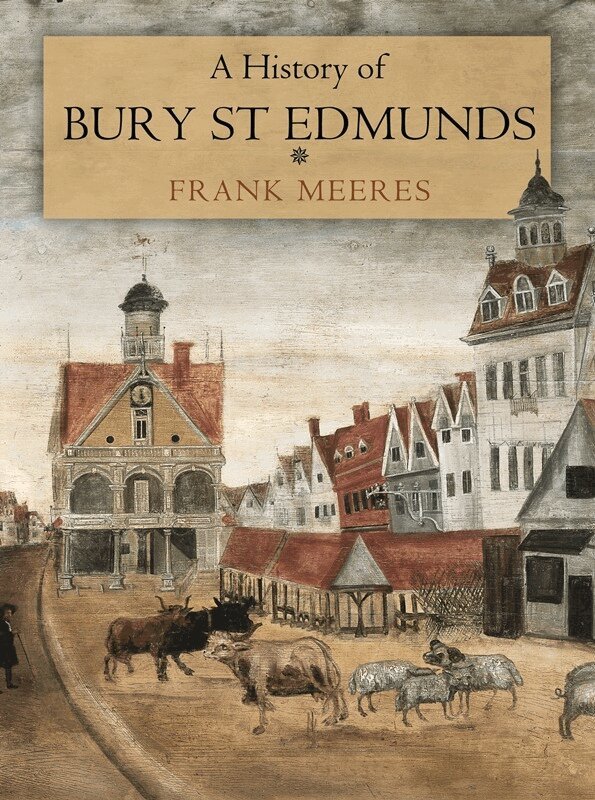
Bury St. Edmunds has an extraordinary history. The ancient Saxon settlement of Bedricesworth was transformed when the body of Edmund, the martyred King of the East Saxons, was brought to the town in the early 10th century. Around his tomb grew one of the largest abbeys in England, together with a planned new town, the grid pattern of which still survives. In the Middle Ages, Bury had an importance out of all proportion to its size: Parliaments were held here and many Kings of England were visitors. After the abbey was dissolved, Bury remained the heart of West Suffolk and was formally county town between 1888 and 1974. This new book combines archaeological evidence with documentary research to create a vivid picture of the town at every stage in its development and of the lives of its people; how they made their livings, their health, housing, religion, culture and entertainments. Famous townspeople are discussed, but the emphasis is on the ordinary inhabitant.The story is brought right up to the present day, including the effects on Bury of the great conflicts of the 20th century, in the second half of which it enjoyed rapid growth, with new light industry and tourism supplementing the traditional agriculture-based trades. In this, his seventh book on the history of East Anglia, the author, a professional historian and teacher of local history, has provided a much-needed account of Bury’s entire past, richly illustrated and very readable, which will appeal to everyone who knows the place... one of the most beautiful towns in England.
210 kr
Skickas
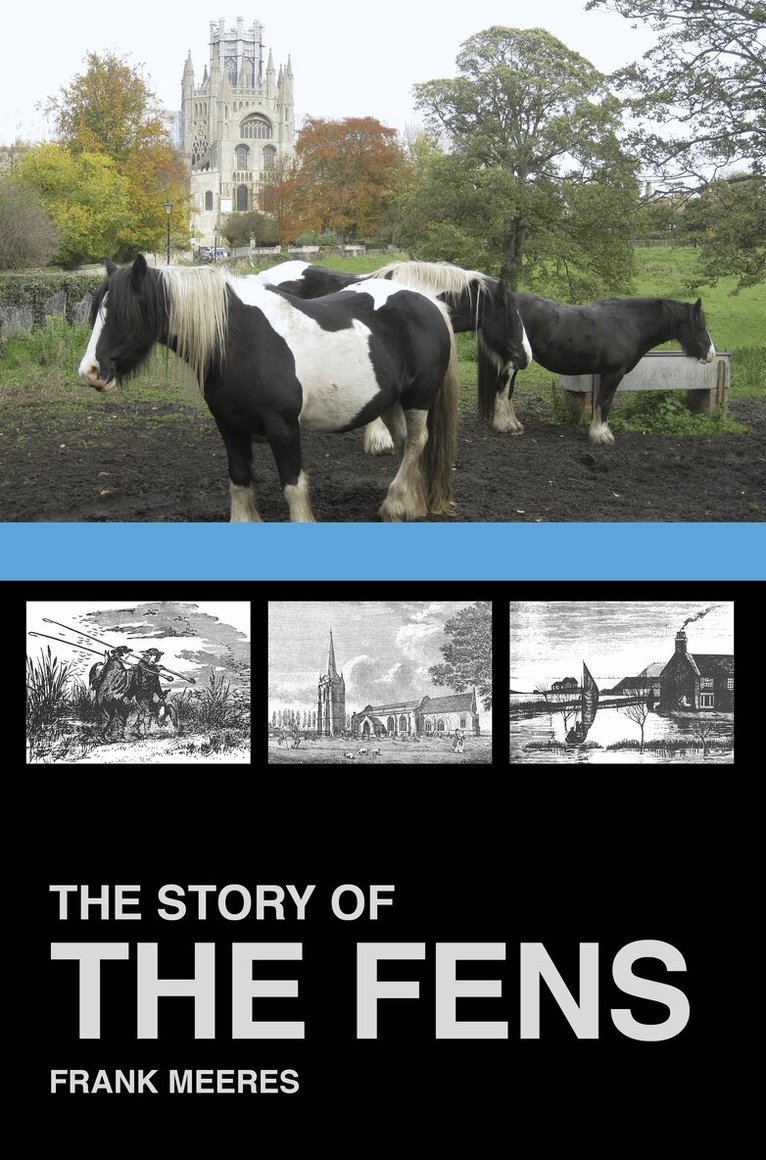
Lincolnshire, Cambridgeshire, Norfolk and Suffolk, as well as Peterborough City Council, all lay claim to a part of the Fens. Since Roman times, man has increased the land mass in this area by one third of the size. It is the largest plain in the British Isles, covering an area of nearly three-quarters of a million acres and is unique to the UK. The fen people know the area as marsh (land reclaimed from the sea) and fen (land drained from flooding rivers running from the uplands). The Fens are unique in having more miles of navigable waterways than anywhere else in the UK. Mammoth drainage schemes in the seventeenth and eighteenth changed the landscape forever – leading slowly but surely to the area so loved today. Insightful, entertaining and full of rich incident, here is the fascinating story of the Fens.
196 kr
Skickas inom 5-8 vardagar
190 kr
Skickas inom 5-8 vardagar
240 kr
Skickas inom 3-6 vardagar