Frank P. Harvey – författare
Visar alla böcker från författaren Frank P. Harvey. Handla med fri frakt och snabb leverans.
24 produkter
Using Force to Prevent Ethnic Violence
An Evaluation of Theory and Evidence
Av David Carment, Frank P. Harvey
Inbunden, 2000
854 kr
Lägg i varukorg
More than ever before, ethnic struggle finds expression in the growing incidence and scale of displaced persons and refugee flows, as well as in exacerbated levels of ethnic minority abuse and involuntary assimilation. Demographic and political sources of instability in multi-ethnic societies …
International Politics of Quebec Secession
State Making and State Breaking in North America
Av David Carment, John F. Stack m. fl.
Inbunden, 2001
1066 kr
Lägg i varukorg
The editors and contributors to this study examine the future of domestic and foreign relations between Canada, Quebec, and their neighbors in the event of a yes vote on independence. They approach the possible emergence of an independent Quebec nation-state from the perspective of the study of …
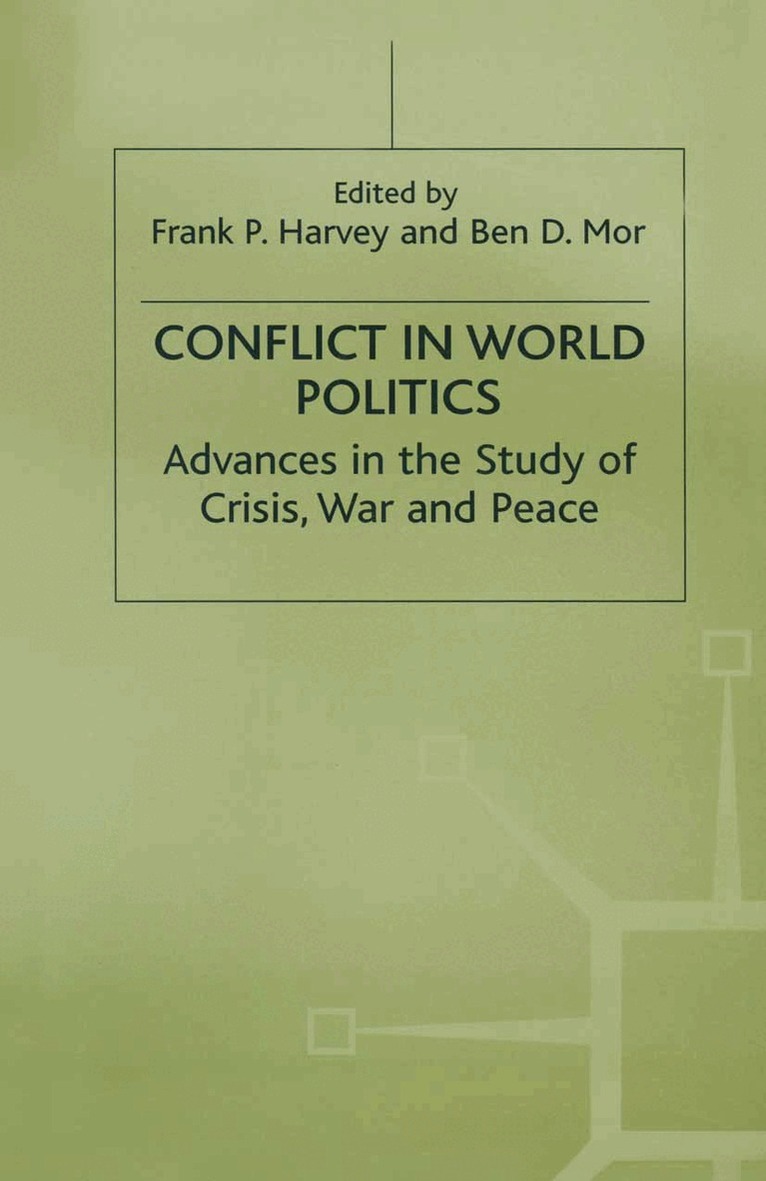
Conflict in World Politics
Advances in the Study of Crisis, War and Peace
Av Frank P. Harvey, Ben D. Mor
Inbunden, 1998
1096 kr
Lägg i varukorg
At a time when international relations theory is being criticized for its lack of relevance, this book seeks to uncover theoretical and empirical knowledge about international conflict, crisis and war by exploring and testing new avenues of research. With chapters on enduring rivalries, crisis …
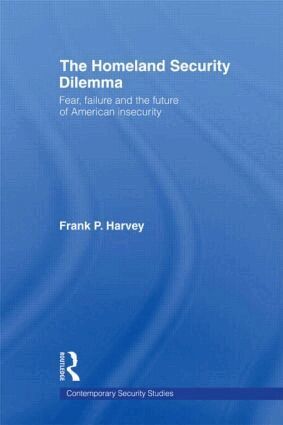
Homeland Security Dilemma
Fear, Failure and the Future of American Insecurity
Häftad, 2010
749 kr
Lägg i varukorg
This book explores the paradox of the ‘security dilemma’ in International Relations, as applied to the post-9/11 context of homeland security.The book's central argument can be summed up by the following counterintuitive thesis: the more security you have, the more security you will need. It argues …
Evaluating Methodology in International Studies
Av Michael Brecher, Frank P. Harvey
E-bok, 2009
593 kr
Lägg i varukorg
Evaluating Methodology in International Studies offers a unique collection of original essays by world-renowned political scientists. The essays address the state of the discipline in regard to the methodology of researching global politics, focusing in particular on formal modeling, quantitative …
Conflict, Security, Foreign Policy, and International Political Economy
Past Paths and Future Directions in International Studies
Av Frank P. Harvey, Michael Brecher
E-bok, 2009
700 kr
Lägg i varukorg
No study of international relations is complete without consideration of foreign policy processes and an understanding of state security, conflict in global politics, and the relationship between the world economy and international behavior. Conflict, Security, Foreign Policy, and International …
Realism and Institutionalism in International Studies
Av Frank P. Harvey, Michael Brecher
E-bok, 2009
606 kr
Lägg i varukorg
Realism and Institutionalism in International Studies represents a unique collection of original essays by foremost scholars in the field of International Studies. Six essays advocate, critique, or revise Realism, the theoretical paradigm that explains international politics by emphasizing security …
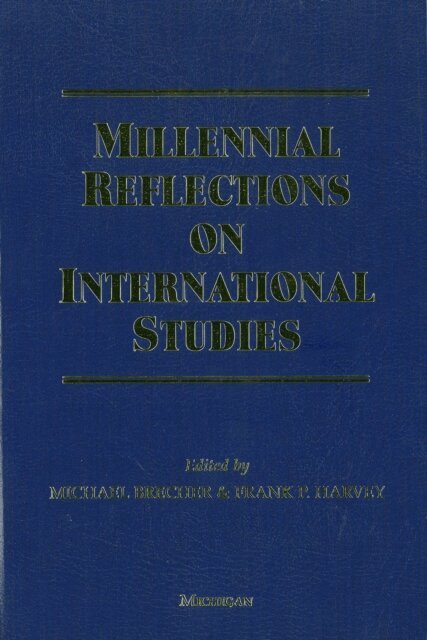
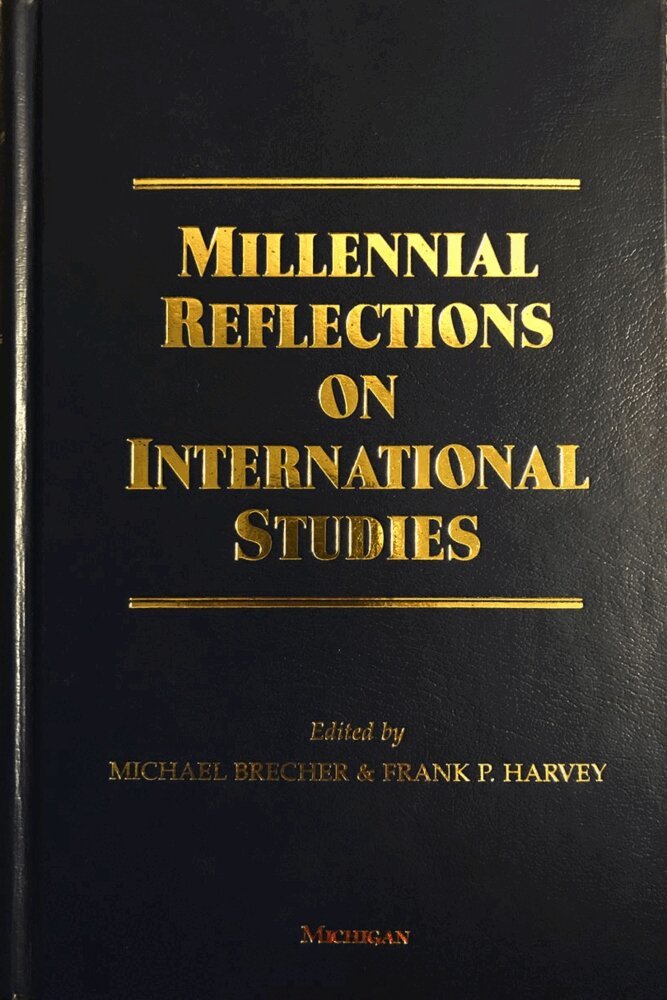
Millennial Reflections on International Studies
Av Frank P. Harvey, Michael Brecher
E-bok, 2009
2178 kr
Lägg i varukorg
Forty-five prominent scholars engage in self-critical, state-of-the-art reflection on international studies to stimulate debates about successes and failures and to address the larger question of progress in the discipline. Written especially for the collection, these essays are in hardcover in the …
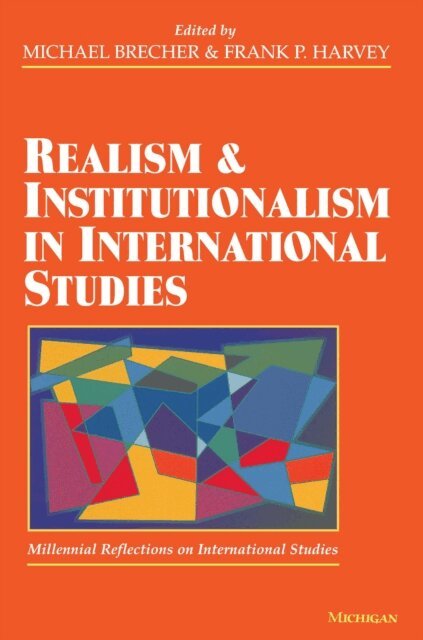
Realism and Institutionalism in International Studies
Av Michael Brecher, Frank P. Harvey
Häftad, 2002
383 kr
Lägg i varukorg
Realism and Institutionalism in International Studies represents a unique collection of original essays by foremost scholars in the field of International Studies. Six essays advocate, critique, or revise Realism, the theoretical paradigm that explains international politics by emphasizing security …
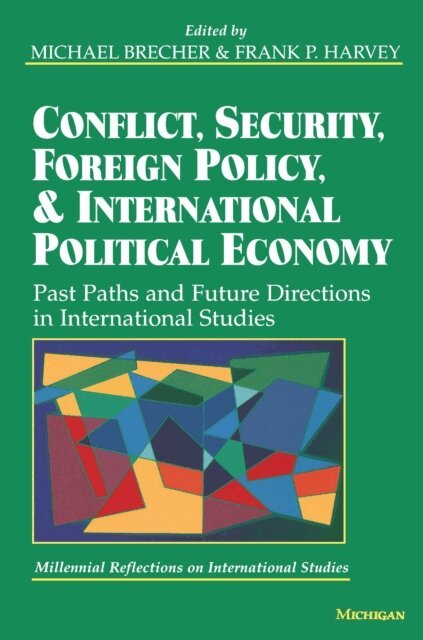
Conflict, Security, Foreign Policy, and International Political Economy
Past Paths and Future Directions in International Studies
Av Michael Brecher, Frank P. Harvey
Häftad, 2002
459 kr
Lägg i varukorg
No study of international relations is complete without consideration of foreign policy processes and an understanding of state security, conflict in global politics, and the relationship between the world economy and international behavior. Conflict, Security, Foreign Policy, and International …
Evaluating Methodology in International Studies
Av Frank P. Harvey, Michael Brecher
Häftad, 2002
383 kr
Lägg i varukorg
Evaluating Methodology in International Studies offers a unique collection of original essays by world-renowned political scientists. The essays address the state of the discipline in regard to the methodology of researching global politics, focusing in particular on formal modeling, quantitative …
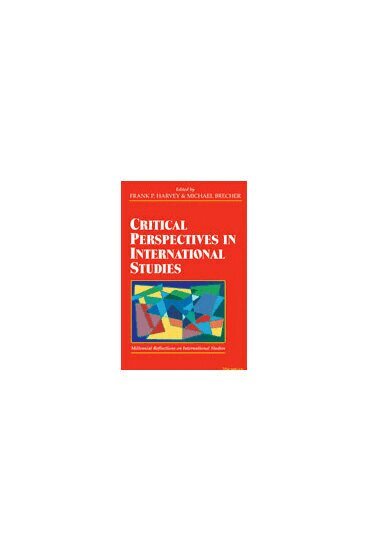
Critical Perspectives in International Studies
Av Frank P. Harvey, Michael Brecher
Häftad, 2002
383 kr
Lägg i varukorg
Critical Perspectives in International Studies offers an exciting survey of recent approaches to the study of international politics, including critical theory, radical theory, constructivism, postmodernism, system change, and feminist and gender perspectives. The authors—among the founders and …
Millennial Reflections on International Studies
Av Michael Brecher, Frank P. Harvey
Inbunden, 2002
2022 kr
Lägg i varukorg
Forty-five prominent scholars engage in self-critical, state-of-the-art reflection on international studies to stimulate debates about successes and failures and to address the larger question of progress in the discipline. Written especially for the collection, these essays are in hardcover in the …
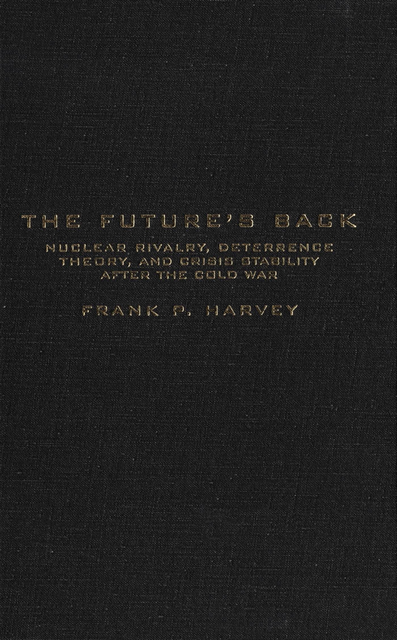
Future's Back
Nuclear Rivalry, Deterrence Theory, and Crisis Stability after the Cold War
E-bok, 1994
1072 kr
Lägg i varukorg
Arguing that previous critiques of rational choice and deterrence theory are not convincing, Frank Harvey constructs a new set of empirical tests of rational deterrence theory to illuminate patterns of interaction between rival nuclear powers. He analyses the crisis management techniques used by …
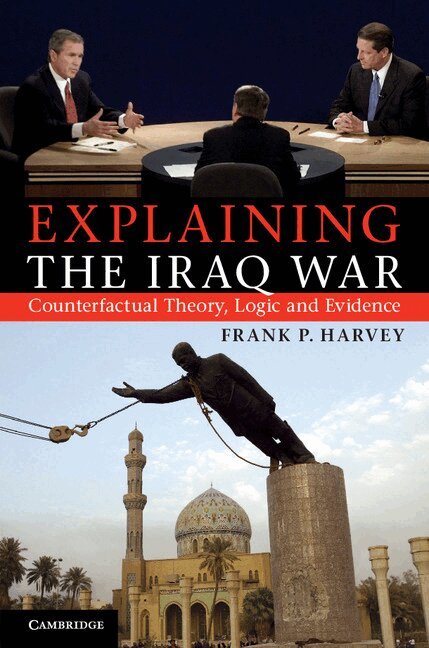
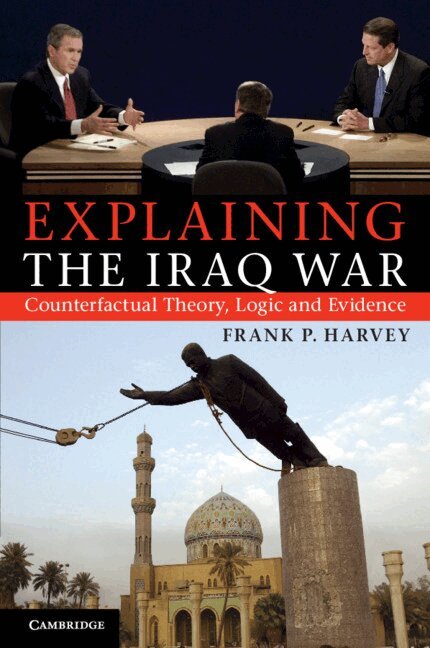
Explaining the Iraq War
Counterfactual Theory, Logic and Evidence
Inbunden, 2011
1434 kr
Lägg i varukorg
The almost universally accepted explanation for the Iraq War is very clear and consistent - the US decision to attack Saddam Hussein's regime on March 19, 2003 was a product of the ideological agenda, misguided priorities, intentional deceptions and grand strategies of President George W. Bush and …
Explaining the Iraq War
Counterfactual Theory, Logic and Evidence
Häftad, 2011
569 kr
Lägg i varukorg
The almost universally accepted explanation for the Iraq War is very clear and consistent - the US decision to attack Saddam Hussein's regime on March 19, 2003 was a product of the ideological agenda, misguided priorities, intentional deceptions and grand strategies of President George W. Bush and …
Homeland Security Dilemma
Fear, Failure and the Future of American Insecurity
E-bok, 2012
883 kr
Lägg i varukorg
This book explores the paradox of the ‘security dilemma’ in International Relations, as applied to the post-9/11 context of homeland security. The book''s central argument can be summed up by the following counterintuitive thesis: the more security you have, the more security you will need. It …
Homeland Security Dilemma
Fear, Failure and the Future of American Insecurity
E-bok, 2012
883 kr
Lägg i varukorg
This book explores the paradox of the ‘security dilemma’ in International Relations, as applied to the post-9/11 context of homeland security. The book''s central argument can be summed up by the following counterintuitive thesis: the more security you have, the more security you will need. It …
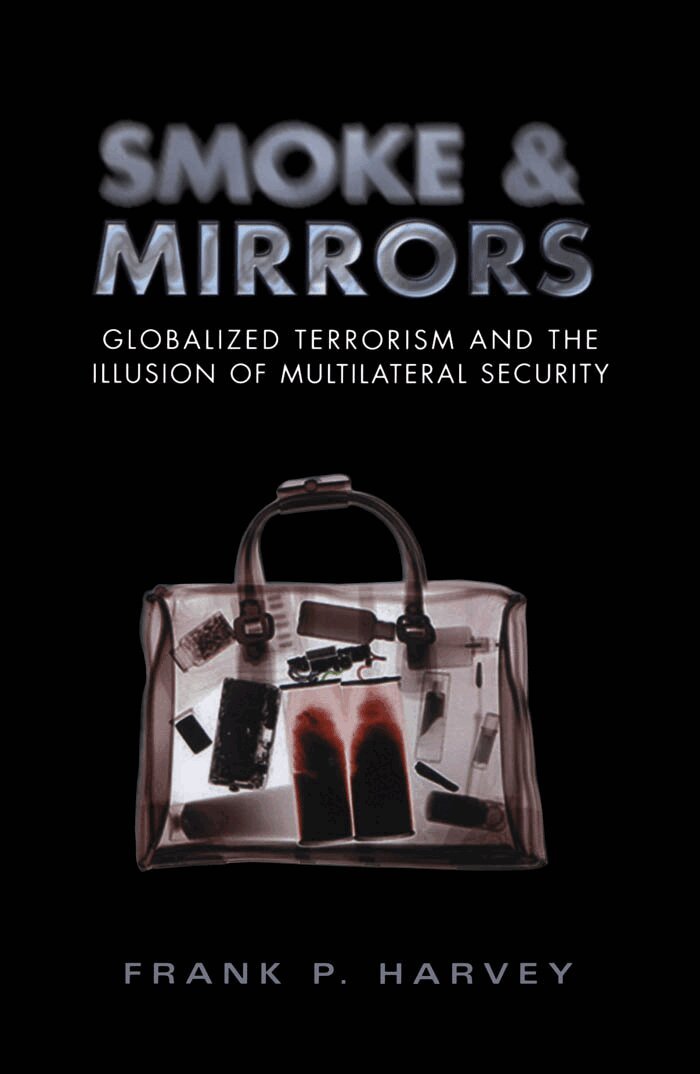
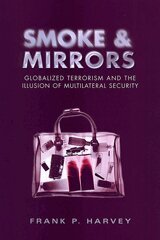
Smoke and Mirrors
Globalized Terrorism and the Illusion of Multilateral Security
E-bok, 2004
946 kr
Lägg i varukorg
The threat of terrorism has become a fact of life for American citizens and, by extension, an important issue for current and future U.S. governments. International relations are inevitably affected by this situation, yet allies of the United States have of late been decrying the Bush …
Fighting for Credibility
US Reputation and International Politics
Av Frank P. Harvey, John Mitton
Inbunden, 2016
814 kr
Lägg i varukorg
When Bashar al-Assad used chemical weapons against his own people in Syria, he clearly crossed President Barack Obama’s "red line." At the time, many argued that the president had to bomb in order to protect America's reputation for toughness, and therefore its credibility, abroad; others countered …
Fighting for Credibility
US Reputation and International Politics
Av Frank P. Harvey, John Mitton
E-bok, 2017
453 kr
Lägg i varukorg
When Bashar al-Assad used chemical weapons against his own people in Syria, he clearly crossed President Barack Obama’s "red line." At the time, many argued that the president had to bomb in order to protect America''s reputation for toughness, and therefore its credibility, abroad; others …
Fighting for Credibility
US Reputation and International Politics
Av Frank P. Harvey, John Mitton
E-bok, 2017
453 kr
Lägg i varukorg
When Bashar al-Assad used chemical weapons against his own people in Syria, he clearly crossed President Barack Obama’s "red line." At the time, many argued that the president had to bomb in order to protect America''s reputation for toughness, and therefore its credibility, abroad; others …
Fighting for Credibility
US Reputation and International Politics
Av Frank P. Harvey, John Mitton
Häftad, 2016
354 kr
Lägg i varukorg
When Bashar al-Assad used chemical weapons against his own people in Syria, he clearly crossed President Barack Obama’s "red line." At the time, many argued that the president had to bomb in order to protect America's reputation for toughness, and therefore its credibility, abroad; others countered …
Smoke and Mirrors
Globalized Terrorism and the Illusion of Multilateral Security
Inbunden, 2004
720 kr
Tillfälligt slut
The threat of terrorism has become a fact of life for American citizens and, by extension, an important issue for current and future U.S. governments. International relations are inevitably affected by this situation, yet allies of the United States have of late been decrying the Bush …