Frank Towers - Böcker
Visar alla böcker från författaren Frank Towers. Handla med fri frakt och snabb leverans.
9 produkter
9 produkter
The Old South's Modern Worlds
Slavery, Region, and Nation in the Age of Progress
Inbunden, Engelska, 2011
1 989 kr
Skickas inom 5-8 vardagar
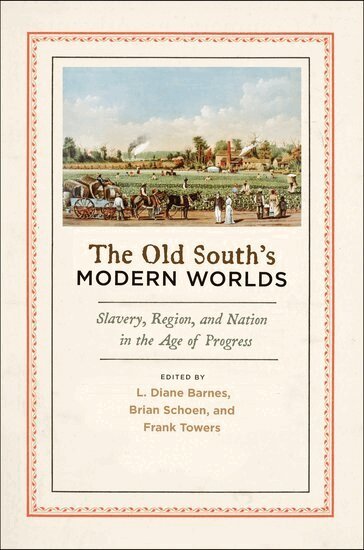
The Old South has traditionally been portrayed as an insular and backward-looking society. The Old South's Modern Worlds looks beyond this myth to identify some of the many ways that antebellum southerners were enmeshed in the modernizing trends of their time. The essays gathered in this volume not only tell unexpected narratives of the Old South, they also explore the compatibility of slavery-the defining feature of antebellum southern life-with cultural and material markers of modernity such as moral reform, cities, and industry. Considered as proponents of American manifest destiny, for example, antebellum southern politicians look more like nationalists and less like separatists. Though situated within distinct communities, Southerners'-white, black, and red-participated in and responded to movements global in scope and transformative in effect. The turmoil that changes in Asian and European agriculture wrought among southern staple producers shows the interconnections between seemingly isolated southern farms and markets in distant lands. Deprovincializing the antebellum South, The Old South's Modern Worlds illuminates a diverse region both shaped by and contributing to the complex transformations of the nineteenth-century world.
The Old South's Modern Worlds
Slavery, Region, and Nation in the Age of Progress
Häftad, Engelska, 2011
462 kr
Skickas inom 5-8 vardagar
Before the Civil War, America's slave states were enmeshed in the modernizing trends of their time but that history has been obscured by a deeply ingrained view of the Old South as an insular society with few outward connections. The Old South's Modern Worlds looks beyond this myth of an isolated and backward-looking South to identify some of the many ways that the modern world shaped antebellum southern society. Removing the screen of southern traditionalism turns up new stories about slaves as religious missionaries, Native Americans as hard-driving capitalists, cotton cultivators as genetic scientists, proslavery politicians as nationalists, and planters as experimenters in sexuality. The essays gathered in this volume not only tell these jarringly modern tales of the Old South, they also explore the compatibility of slavery--the defining feature of antebellum southern life--and cultural and material markers of modernity such as moral reform, cities, and industry. The Old South emerges from this volume in a new relationship to national and global histories. Considered as proponents of American manifest destiny, antebellum southern politicians look more like nationalists and less like separatists. Southerners' enthusiasm for humanitarian missions and their debates with moral reformers across the Atlantic bring out the global currents that cut against the localism of southern life. The roles that cities played in marketing, policing, and leasing slaves counteracted the erosion of slave discipline in urban settings. The turmoil that changes in Asian and European agriculture wrought among southern staple producers show the interconnections between seemingly isolated southern farms and markets in distant lands. Diverse and riddled with contradictory impulses, antebellum southerners encounters with modernity reveal the often discomforting legacies left by the Old South on the future of America and the world.
1 204 kr
Skickas inom 11-20 vardagar
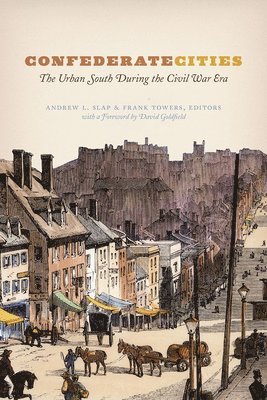
When we talk about the Civil War, we often describe it in terms of battles that took place in small towns or in the countryside: Antietam, Gettysburg, Bull Run, and, most tellingly, the Battle of the Wilderness. One reason this picture has persisted is that few urban historians have studied the war, even though cities hosted, enabled, and shaped Southern society as much as they did in the North. Confederate Cities, edited by Andrew L. Slap and Frank Towers, shifts the focus from the agrarian economy that undergirded the South to the cities that served as its political and administrative hubs. The contributors use the lens of the city to examine now-familiar Civil War-era themes, including the scope of the war, secession, gender, emancipation, and war's destruction. This more integrative approach dramatically revises our understanding of slavery's relationship to capitalist economics and cultural modernity. By enabling a more holistic reading of the South, the book speaks to contemporary Civil War scholars and students alike-not least in providing fresh perspectives on a well-studied war.
267 kr
Skickas inom 7-10 vardagar
When we talk about the Civil War, we often describe it in terms of battles that took place in small towns or in the countryside: Antietam, Gettysburg, Bull Run, and, most tellingly, the Battle of the Wilderness. One reason this picture has persisted is that few urban historians have studied the war, even though cities hosted, enabled, and shaped Southern society as much as they did in the North. Confederate Cities, edited by Andrew L. Slap and Frank Towers, shifts the focus from the agrarian economy that undergirded the South to the cities that served as its political and administrative hubs. The contributors use the lens of the city to examine now-familiar Civil War-era themes, including the scope of the war, secession, gender, emancipation, and war's destruction. This more integrative approach dramatically revises our understanding of slavery's relationship to capitalist economics and cultural modernity. By enabling a more holistic reading of the South, the book speaks to contemporary Civil War scholars and students alike-not least in providing fresh perspectives on a well-studied war.
337 kr
Skickas inom 10-15 vardagar
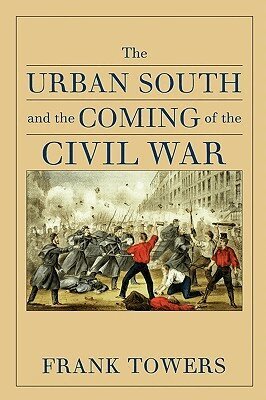
The role the rural South and its plantation system played in the secession of the Confederate states is well established. Towers contends that we should look as closely at it's urban centers. He sheds light on the dynamics of secession, concentrating on sociopolitical shifts in the South's three largest cities: Baltimore, New Orleans and St. Louis.
413 kr
Skickas inom 7-10 vardagar
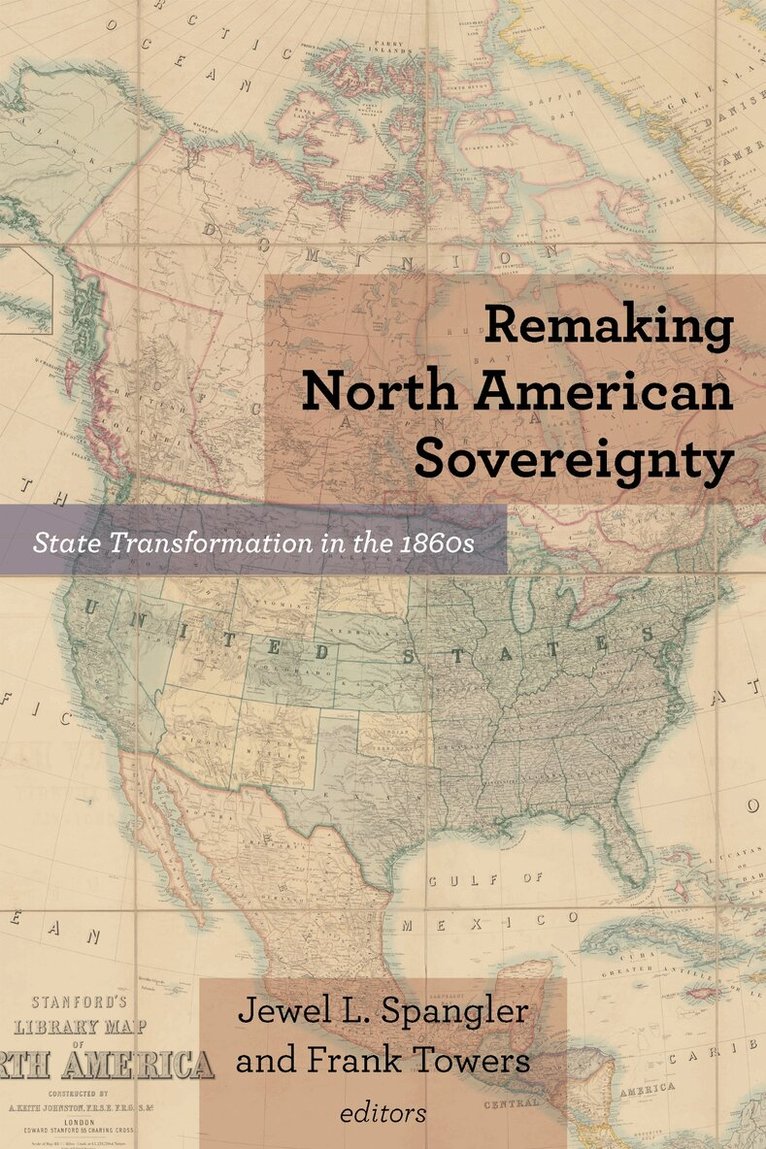
North America took its political shape in the crisis of the 1860s, marked by Canadian Confederation, the U.S. Civil War, the restoration of the Mexican Republic, and numerous wars and treaty regimes conducted between these states and indigenous peoples. This crisis wove together the three nation-states of modern North America from a patchwork of contested polities.Remaking North American Sovereignty brings together distinguished experts on the histories of Canada, indigenous peoples, Mexico, and the United States to re-evaluate this era of political transformation in light of the global turn in nineteenth-century historiography. They uncover the continental dimensions of the 1860s crisis that have been obscured by historical traditions that confine these conflicts within its national framework.
1 518 kr
Skickas inom 10-15 vardagar
North America took its political shape in the crisis of the 1860s, marked by Canadian Confederation, the U.S. Civil War, the restoration of the Mexican Republic, and numerous wars and treaty regimes conducted between these states and indigenous peoples. This crisis wove together the three nation-states of modern North America from a patchwork of contested polities.Remaking North American Sovereignty brings together distinguished experts on the histories of Canada, indigenous peoples, Mexico, and the United States to re-evaluate this era of political transformation in light of the global turn in nineteenth-century historiography. They uncover the continental dimensions of the 1860s crisis that have been obscured by historical traditions that confine these conflicts within its national framework.
1 381 kr
Skickas inom 10-15 vardagar
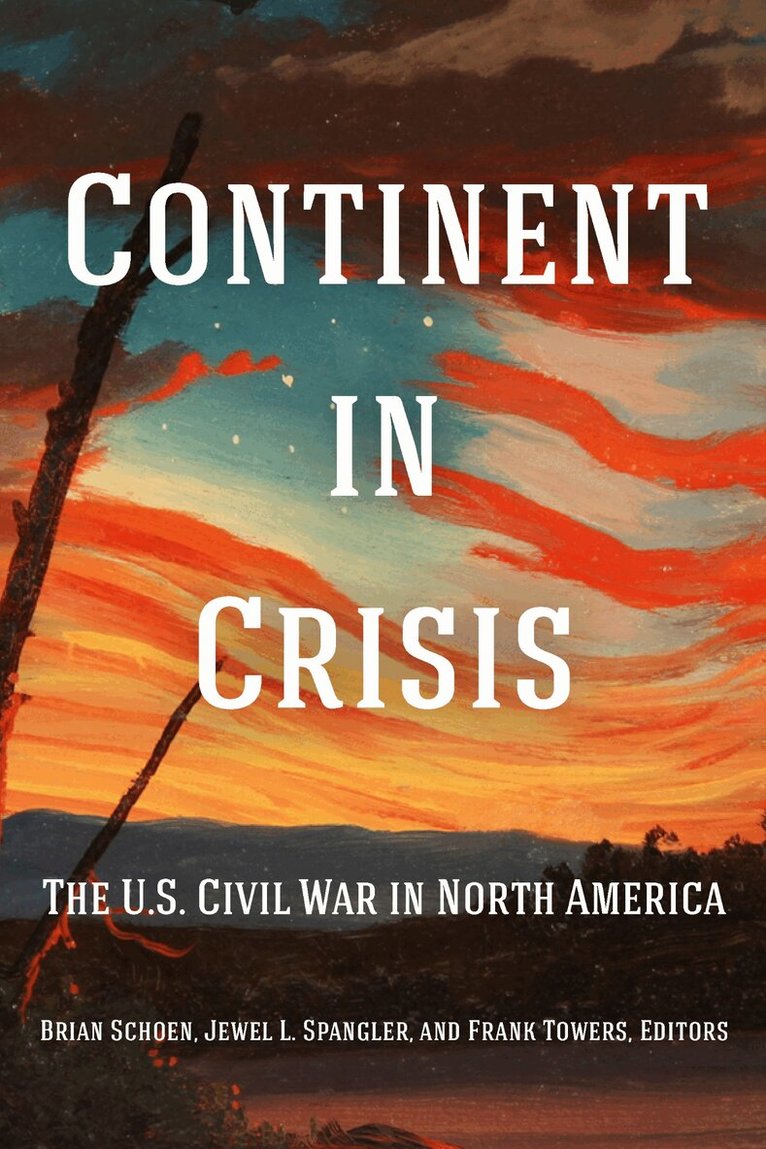
Written by leading historians of the mid–nineteenth century United States, this book focuses on the continental dimensions of the U.S. Civil War. It joins a growing body of scholarship that seeks to understand the place of America's mid-nineteenth-century crisis in the broader sweep of world history. However, unlike other studies that have pursued the Civil War's connections with Europe and the Caribbean, this volume focuses on North America, particularly Mexico, British Canada, and sovereign indigenous states in the West.As the United States went through its Civil War and Reconstruction, Mexico endured its own civil war and then waged a four-year campaign to expel a French-imposed monarch. Meanwhile, Britain's North American colonies were in complex and contested negotiations that culminated in confederation in 1867. In the West, indigenous nations faced an onslaught of settlers and soldiers seeking to conquer their lands for the United States. Yet despite this synchronicity, mainstream histories of the Civil War mostly ignore its connections to the political upheaval occurring elsewhere in North America.By reading North America into the history of the Civil War, this volume shows how battles over sovereignty in neighboring states became enmeshed with the fratricidal conflict in the United States. Its contributors explore these entangled histories in studies ranging from African Americans fleeing U.S. slavery by emigrating to Mexico to Confederate privateers finding allies in Halifax, Nova Scotia. This continental perspective highlights the uncertainty of the period when the fate of old nations and possibilities for new ones were truly up for grabs.
373 kr
Skickas inom 7-10 vardagar
Written by leading historians of the mid–nineteenth century United States, this book focuses on the continental dimensions of the U.S. Civil War. It joins a growing body of scholarship that seeks to understand the place of America's mid-nineteenth-century crisis in the broader sweep of world history. However, unlike other studies that have pursued the Civil War's connections with Europe and the Caribbean, this volume focuses on North America, particularly Mexico, British Canada, and sovereign indigenous states in the West.As the United States went through its Civil War and Reconstruction, Mexico endured its own civil war and then waged a four-year campaign to expel a French-imposed monarch. Meanwhile, Britain's North American colonies were in complex and contested negotiations that culminated in confederation in 1867. In the West, indigenous nations faced an onslaught of settlers and soldiers seeking to conquer their lands for the United States. Yet despite this synchronicity, mainstream histories of the Civil War mostly ignore its connections to the political upheaval occurring elsewhere in North America.By reading North America into the history of the Civil War, this volume shows how battles over sovereignty in neighboring states became enmeshed with the fratricidal conflict in the United States. Its contributors explore these entangled histories in studies ranging from African Americans fleeing U.S. slavery by emigrating to Mexico to Confederate privateers finding allies in Halifax, Nova Scotia. This continental perspective highlights the uncertainty of the period when the fate of old nations and possibilities for new ones were truly up for grabs.